Alton Browns Turkey Brine: the Classic Recipe for Ultra-Moist Holiday Turkey
- Why Alton Browns Turkey Brine is the Ultimate Secret Weapon
- The Science of a Perfectly Moist Turkey: Why This Brine Succeeds
- Essential Ingredients for Alton Browns Turkey Brine
- Step-by-Step Guide to Preparing and Using the Brine Solution
- Avoiding Disaster: Expert Chef’s Tips and Troubleshooting
- Storage and Prep Ahead: Handling Excess Brine
- Perfect Pairings: Serving Suggestions for Your Brined Turkey
- Recipe FAQs
- 📝 Recipe Card
Why Alton Browns Turkey Brine is the Ultimate Secret Weapon
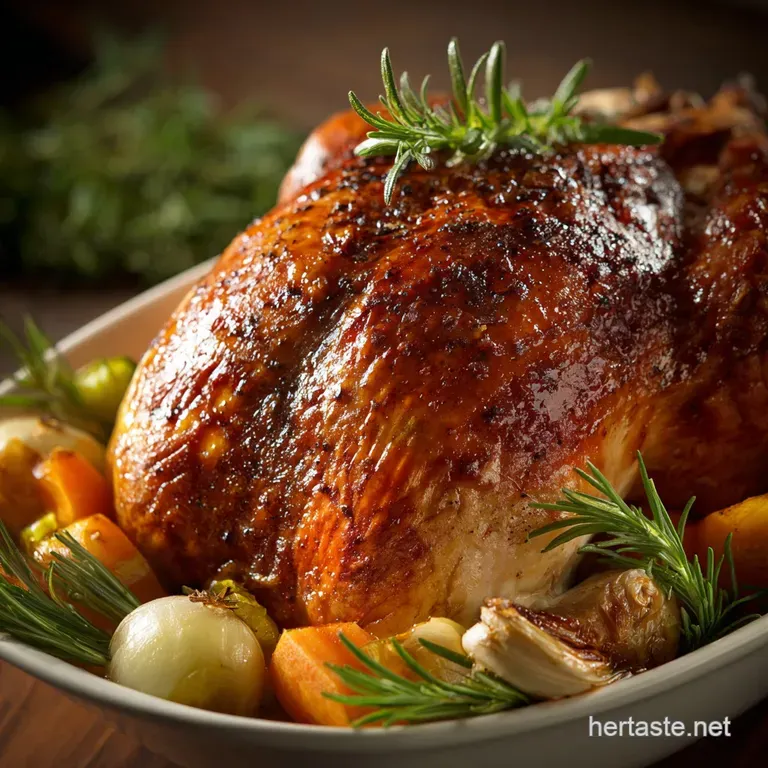
Remember that first time you pulled a perfectly golden turkey out of the oven, steam billowing out? The aroma of warm ginger and bright citrus zest just fills the entire house, signalling absolute holiday victory.
That level of impossible moisture and seasoning isn't magic, trust me; it's the sheer power of the Alton Browns Turkey Brine .
This isn't some complicated chef trick that requires specialized gear or a culinary degree, either. This classic method popularized by the man many call the Father Of The Brine Turkey —is pure, simple kitchen science.
It’s fast to assemble, cheap on ingredients, and guarantees your turkey won't taste like dry, unseasoned cotton.
I’ve made every mistake in the book (yes, including accidentally using table salt once don't ask how salty that bird was). Now, I’m sharing the exact Alton Browns Turkey Brine Recipe, step-by-step, so you can achieve ultimate turkey glory without any of the stress. Let's get science-y.
The Science of a Perfectly Moist Turkey: Why This Brine Succeeds
The History of the Iconic Good Eats Recipe
This recipe is legendary for a reason: it’s perfectly balanced. Alton Brown introduced this Good Eats formula years ago, transforming how home cooks approach turkey, emphasizing the scientific method over vague tradition.
He proved that a precise combination of salt, sugar, and aromatics works synergistically to deliver moisture deep into the meat cells.
Wet Brine vs. Dry Rub: Understanding the Fundamental Difference
A dry rub essentially pulls surface moisture out before seasoning the exterior; it's great for crispy skin and concentrated flavor. A wet brine, however, works via osmosis. The brine solution actually forces highly seasoned liquid into the muscle fibers, chemically changing their structure to retain maximum moisture while cooking.
Equipment Check: Essential Hardware You Need Before You Start
You need two things that are non-negotiable for this particular recipe: a giant stock pot (8 quart minimum) and a reliable instant read thermometer . Since we are dealing with raw turkey and temperature sensitive liquids, safety is paramount.
If you don't have enough fridge space for the whole bird, you absolutely need a food grade brining bag or a dedicated, clean cooler.
Osmosis Explained: How Salt Penetrates the Meat Fibers
Here’s the simple science: we create a hypertonic solution a fancy term for a liquid with a higher concentration of salt than the turkey’s natural fluids. This imbalance drives the water and salt into the turkey’s cells, causing the protein structure to loosen and swell up, absorbing the liquid.
This absorbed liquid is what prevents your turkey from drying out in the oven.
Breaking Down the Aromatics: Maximizing Flavor from Ginger, Allspice, and Citrus Zest
The boiling step is where the magic happens for flavor infusion. Heating the water with the aromatics especially the fresh ginger and citrus zest causes their essential oils to release rapidly into the base liquid.
This means that when the salt and water penetrate the meat, they bring all those complex, warm flavors of the allspice and orange peel along for the ride.
Balancing Sweetness: Counteracting the Salt Concentration
Why so much sugar? The brown sugar isn't just there for a hint of molasses flavor, though it certainly helps with browning later on. Crucially, the sugar helps to offset the intensity of the salt absorption, ensuring the final bird is savory and moist, not just overwhelmingly salty.
It's the perfect sweet and salty partnership.
Essential Ingredients for Alton Browns Turkey Brine
This recipe makes about two gallons of solution, perfect for a standard 12 16 pound turkey.
The Brine Base: Exact Water and Kosher Salt Ratios
The ratio of salt to water is non-negotiable. We use a huge amount of salt because we need that strong osmotic pressure. Always use Kosher Salt for brining. If you need to check out a different formulation, I've got a great, simpler recipe here: Turkey Brine: The Classic Easy Recipe for the Most Succulent Turkey .
| Ingredient | Amount (12 16 lb bird) | Viable Substitution |
|---|---|---|
| Kosher Salt | 1 ½ cups | Reduced volume of Fine Sea Salt (approx. 1 ¼ cups) |
| Brown Sugar | 2 cups, packed | Maple Syrup or Honey (use 1.5 cups) |
| Water (divided) | 2 gallons | None. Must use water! |
Source Guide: Choosing Fresh Ginger and Quality Bay Leaves
Always choose fresh ginger root it should feel heavy and smell pungent. Slice it without peeling if you’re lazy like me, though peeling does maximize surface area. Bay leaves should be whole and fragrant; avoid those dusty broken pieces from the back of the pantry.
Flavor Tweaks: Safe Substitutions for the Sugar Component
If you don't have brown sugar on hand, you can easily use honey or dark maple syrup instead. They dissolve beautifully and still provide that important sweetness to complement the salty flavor profile.
I tried molasses once, but it made the skin slightly too dark, so stick to lighter sugars if you want a beautiful golden finish.
Scaling Notes: Adjusting Ratios for Turkey Size (e.g., 10 lb vs 20 lb)
This recipe handles up to a 16 pound bird perfectly. If you are going for a colossal 20+ pounder, you must increase the recipe by 50%. The most important rule is that the turkey must be completely submerged in the brine.
Don’t try to make less and just spoon it over; that defeats the whole purpose.
step-by-step Guide to Preparing and Using the Brine Solution
Phase One: Simmering the Flavor Agents to Extract Oils
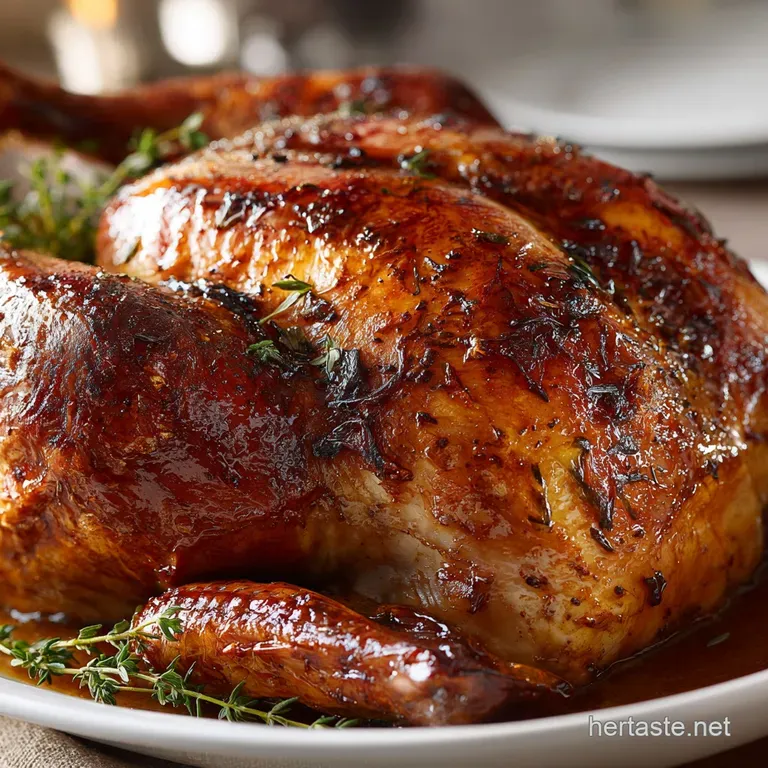
In your massive stock pot, combine 1 gallon of water, the kosher salt, and the brown sugar. Bring this to a rolling boil, stirring until everything is totally dissolved. Once dissolved, take it off the heat immediately and stir in the sliced ginger, whole allspice berries, peppercorns, bay leaves, and the citrus zest and juice.
Let that steep for about 10 minutes; the smells will be incredible!
Crucial Cooling: Achieving Safe Brining Temperature Quickly
Cooling is non-negotiable! You absolutely have to chill the liquid down to 40°F (4°C) or below immediately to prevent bacteria growth. Add your second gallon of water as ice-cold water, or simply dump in a bunch of ice cubes.
Stir it all up and use your thermometer to confirm the temperature. Trust me on this; do not put the turkey in warm brine.
Chef’s Note: If you are nervous about diluting the brine with ice, chill the brine in the refrigerator before adding the second gallon of cold water, then add the rest of the cold water to speed the process just before brining.
Submerging the Bird: The Proper Brining Container Setup (Cooler Method vs. Bag)
Take your turkey, remove the giblets, and rinse it lightly. If you have the fridge space, place the turkey breast side down in a clean, plastic container. If not, the brining bag method is brilliant.
Place the bag in a large bucket or cooler (for structural support!) and pour the chilled brine over the bird until it's fully submerged. Seal it tightly.
Timing is Everything: Recommended Brining Duration by Weight
A good rule of thumb is approximately 1 hour per pound, but you should never go over 16 hours, regardless of the size. For a 14 pound turkey, 12 to 14 hours is the sweet spot. Over brining will turn the meat mushy and too salty. Set an alarm!
Avoiding Disaster: Expert Chef’s Tips and Troubleshooting
The Rinsing Rule: Post Brine Prep is Absolutely Key
When the time is up, carefully remove the bird and discard the brine solution. Rinse the turkey thoroughly under cold running water, inside and out, to wash away surface salt. This step is mandatory; skipping it guarantees a salty, aggressively seasoned bird.
Preventing Over Salting (And How to Correct Salinity)
The best defense is not brining for too long (see timing above) and ensuring you only brine a turkey that is not pre-seasoned. If you accidentally used a Kosher or self basting turkey, you're sunk, but if you slightly over brined, the only fix is to soak the rinsed turkey in a bowl of fresh, unsalted water for about 30 minutes before patting it dry.
Addressing Spillage: Securing the Brining Environment
Brine spillage is messy and dangerous. I once tried to move a brining bucket filled with 20 pounds of turkey and brine, and promptly soaked my entire kitchen floor. Now, I always place the brining container inside a larger, leak proof baking pan before pouring the liquid.
This offers a secondary defense against leaks and spills.
Can You Reuse the Turkey Brine Solution?
Absolutely not. Once the turkey has been submerged, the brine is considered contaminated with turkey juices. Discard it immediately and safely down the drain.
How Long Does Fresh Brine Last in the Refrigerator?
If you make the brine solution ahead of time and keep it chilled without the turkey, it will last safely in the refrigerator for up to 3 days. Just make sure it remains below 40°F.
Recommended Roasting Methods for Brined Meat
Because the turkey is so juicy, you need to focus on skin crispness. My favorite method involves using an herb butter under the skin but remember, use unsalted butter! I detail the whole process in my famous recipe: Roast Turkey: The Ultimate Herb Butter Recipe for a Succulent Holiday Feast . You'll get incredible flavor and that perfect, shattering skin.
Storage and Prep Ahead: Handling Excess Brine
Since the brine must be made ahead and chilled, this is naturally a great prep ahead step! If you somehow made too much brine solution and aren't using a massive bird, simply pour the excess down the drain. You cannot store used brine, but excess fresh brine can be frozen in heavy duty freezer bags for up to three months, ready for the next time you need to make Turkey Brine Recipe for Roasting: Aromatic Citrus Herb .
Perfect Pairings: Serving Suggestions for Your Brined Turkey
Because your finished turkey will be intensely seasoned, it pairs best with sides that offer a contrasting textural crunch or a balancing sharpness. Think bright, tangy sauces and simple starches.
- Gravy Note: Do not add any extra salt to your gravy base. The pan drippings from the brined bird will provide all the necessary salinity.
- Starches: Creamy mashed potatoes or simple roasted root vegetables, kept lightly seasoned.
- The Sharp Cut: A vibrant side like a traditional cranberry sauce or a green salad dressed with vinaigrette cuts through the richness beautifully. It's the perfect contrast.
Recipe FAQs
Do I need to rinse the turkey after brining?
Rinsing is absolutely crucial to remove residual surface salt, preventing the skin from becoming overly salty or tasting harsh after roasting. After a quick rinse under cold water, you must pat the turkey completely dry with paper towels, as this critical step is necessary for achieving crispy, golden brown skin.
How long can I safely brine the turkey?
The standard recommendation is to allow one hour of brining per pound of turkey, but you should never exceed 24 hours total, regardless of bird size. For most standard birds (12 16 lbs), 12 to 18 hours is the ideal window to achieve maximum moisture absorption without negatively altering the meat texture.
My finished turkey tasted too salty. What went wrong?
Excessive saltiness usually occurs because the brining time was too long relative to the turkey's size, or the turkey was not properly rinsed afterwards. If you fear over salting, reduce the brining time slightly and make absolutely sure to rinse the cavity and skin thoroughly before the drying process and roasting.
Can I substitute the fresh aromatics like ginger and citrus zest with dried spices?
While you can use dried spices, the fresh aromatics provide a cleaner, more vibrant flavour profile that truly defines the complexity of the Alton Brown brine. If substitution is necessary, use about 1/3 the amount of dried spice, but understand that the nuanced flavour of the fresh ingredients will be noticeably muted.
What is the scientific purpose of adding sweetener (sugar or honey) to the brine?
The sweetener balances the intense saltiness, creating a more rounded and palatable flavour profile. More importantly, the sugars aid significantly in the Maillard reaction, which helps the skin caramelize, brown more effectively, and achieve that desirable crispness during roasting.
Can I use this recipe to brine a turkey that is labeled as 'Kosher' or 'Enhanced'?
No, you must never wet brine a turkey labeled as kosher, pre-salted, or injected with a solution (often listed as "up to 8% solution"). These birds are already heavily salted or processed, and an additional brine will result in an overwhelmingly salty and potentially texturally compromised finished product.
How do I handle safely thawing a large turkey before I brine it?
The turkey must be completely thawed before being introduced to the brine solution to maintain food safety standards. The safest method is refrigerator thawing, which requires about 24 hours for every five pounds of turkey; never attempt to thaw a bird directly in the brine, as the liquid will quickly enter the temperature danger zone.
Alton Brown Classic Turkey Brine
Ingredients:
Instructions:
Nutrition Facts:
| Calories | 844 kcal |
|---|---|
| Protein | 0.5 g |
| Fat | 22.8 g |
| Carbs | 158.6 g |
