Zesty Italian Salad Dressing: a Homemade Classic

- The Brigadier’s Zesty Italian Vinaigrette: Why Homemade Beats the Bottle
- The Science of Supreme Flavor: Achieving the Perfect Emulsion
- Essential Components for Your Homemade Zesty Italian Dressing
- Whisking Up the Brigadier’s Vinaigrette: Step-by-Step Method
- Troubleshooting & Expert Tips for the Best Results
- Longevity and Storage: Keeping Your Vinaigrette Fresh
- Beyond Salad: Creative Uses for Italian Vinaigrette
- Recipe FAQs
- 📝 Recipe Card
The Brigadier’s Zesty Italian Vinaigrette: Why Homemade Beats the Bottle
Stop right there. Before you reach for that dusty, neon yellow bottle sitting in the back of your fridge, I need to show you something. I need to show you how easy it is to create a truly spectacular, aroma bursting Zesty Italian Salad Dressing right here in your own kitchen.
It smells like a sun-drenched Italian garden all bright red wine vinegar, pungent garlic, and savory dried oregano, mingling beautifully with high-quality olive oil.
We are talking about pure, unadulterated flavor power, achieved in ten active minutes or less. Making your own Zesty Italian Salad Dressing is not just cheaper; it eliminates all those weird, unnecessary preservatives and stabilizers that dull the vibrant edge of a classic vinaigrette.
Seriously, why settle for lackluster when you can have liquid gold that absolutely electrifies even the most basic head of lettuce?
I used to be a bottle buyer, too; we all make mistakes. But once I nailed this recipe, which I swear is better than anything the Brigadier (my ridiculously picky grandfather) ever made, my salad game went supernova.
If you’re ready to revolutionize your meal prep, let’s crack on with making the best homemade Zesty Italian Salad Dressing you’ve ever tasted.
The Science of Supreme Flavor: Achieving the Perfect Emulsion
The key to a restaurant quality Zesty Italian Salad Dressing isn't just the ingredients it’s how you treat them. We aren’t just mixing oil and water here; we are forcing them to become friends via a high speed relationship called an emulsion.
This process is non-negotiable if you want a dressing that clings perfectly to your salad leaves instead of pooling sadly at the bottom of the bowl.
What Makes This Dressing Truly "Zesty"?
The "zest" comes from a dual acid attack: red wine vinegar provides the backbone, that deep, fermented sharpness we associate with Italian cuisine, while fresh lemon juice brings the brilliant, high note citrus zing. This combination is crucial.
Without the lemon, the dressing would be just Italian ; with it, you achieve the complex brightness that defines a proper Zesty Italian Salad Dressing .
Quick Overview: Time Commitment and Difficulty
Listen, complexity is reserved for soufflés and tax forms, not for this vinaigrette. This recipe is genuinely easy. We’re talking about ten minutes of active whisking time, maximum.
The hardest part is waiting the 30 minutes necessary for the herbs and aromatics to fully wake up and infuse the liquids, transforming the simple components into a cohesive, powerhouse Zesty Italian Salad Dressing .
The Heritage of Classic Italian Vinaigrette
The Italian vinaigrette is one of the pillars of Mediterranean cooking. It’s fundamentally simple: good quality olive oil and vinegar. Our version, the Zesty Italian Salad Dressing , just amps up that simplicity with more aggressive flavor components garlic, shallots, and chili flakes giving it that necessary punch that works beautifully for modern palads and marinades.
It’s an evolution of the classic, made for those who demand maximum flavor.
Balancing the Acid-to-Oil Ratio (The Vinaigrette Rule)
The standard French rule is 3 parts oil to 1 part acid. For this particular Zesty Italian Salad Dressing , we lean closer to a 2:1 or even 2.5:1 ratio (oil to acid). Why the adjustment?
Because we are using two different acids (red wine vinegar and lemon juice), the overall sharpness is already quite high. We need a bit more oil to mellow it out and prevent the dressing from being overwhelming.
If you find your dressing too tart, don't just add more oil; add a pinch more sugar to harmonize the flavors.
The Role of Dijon and Sugar in Emulsification
I know what you're thinking: Dijon? In an Italian dressing? Yes! Dijon mustard is the unsung hero of emulsification. It contains naturally occurring proteins and polysaccharides that coat the oil molecules, making them stay suspended in the acid instead of separating immediately. You won't taste the mustard, I promise.
It just acts as the perfect binding agent for your beautiful Zesty Italian Salad Dressing . The sugar (or honey) is there purely to balance the sharpness; it doesn't make the dressing sweet, just smooth.
Maximizing Aromatic Herb Infusion
We use dried herbs here, specifically because they stand up better to the acid and need time to bloom. To truly maximize the flavor of this Zesty Italian Salad Dressing , you need to mix the dried oregano and basil with the vinegar, garlic, and shallot before adding the oil.
The acid rehydrates those herbs, releasing their essential oils and deep, savory flavors right from the start.
Essential Components for Your Homemade Zesty Italian Dressing
The beauty of this recipe is that every single ingredient pulls its weight. There are no bystanders. Since you are making this from scratch, you have complete control over quality and substitutions.
Choosing the Right Olive Oil Base
You need Extra Virgin Olive Oil (EVOO), full stop. Since oil makes up the bulk of the Zesty Italian Salad Dressing , its quality is paramount. Don’t use anything labeled "light" or a cheap cooking oil blend.
Look for EVOO that is labeled "cold pressed" and has a distinctly fruity or peppery note. My big mistake years ago was trying to make a vinaigrette with old, rancid oil it tasted awful. Fresh, high-quality oil is worth the minor splurge here.
| Ingredient | Why it's Best | Viable Substitute |
|---|---|---|
| EVOO | Fruity, rich flavor, necessary for mouthfeel. | Light olive oil (not ideal) or Grapeseed oil (for neutral taste). |
| Red Wine Vinegar | Deep, robust, classic Italian base. | Apple Cider Vinegar (brighter, less robust) or White Wine Vinegar. |
| Fresh Garlic | Pungent, necessary aromatic heat. | 1/2 tsp Garlic powder (if fresh is unavailable), though flavor will be milder. |
| Shallot | Milder, sweeter onion flavor than red onion. | 1 Tbsp finely minced red onion (rinse first to temper sharpness). |
Vinegar Varieties: Red Wine vs. White Wine
While white wine vinegar is sharp and clean, red wine vinegar delivers that traditional, deeper, almost fruity flavor we demand in a classic Zesty Italian Salad Dressing .
If you swap it for white wine vinegar, the dressing will be slightly clearer and sharper; if you use balsamic, it becomes sweeter and much darker, significantly altering the "zesty" profile.
Dry vs. Fresh Herbs: Which Performs Best?
For this specific Zesty Italian Salad Dressing , dry herbs are superior. They require acid and time to rehydrate and bloom, resulting in a deeper, more profound flavor integration across the dressing's shelf life.
Fresh herbs, while lovely, wilt quickly and can sometimes turn bitter or brown when suspended in vinegar for several days. I suggest sticking to dried oregano and basil for longevity and intensity.
Ingredient Swaps for Dietary Needs (e.g., lower sodium)
If you are watching your sodium, simply halve the amount of salt listed, or use only fresh herbs and eliminate the dried seasoning blend. For a keto or low-carb version of the Zesty Italian Salad Dressing , swap the teaspoon of sugar for a few drops of liquid stevia or erythritol to maintain that crucial balance against the sharp acidity.
Whisking Up the Brigadier’s Vinaigrette: step-by-step Method
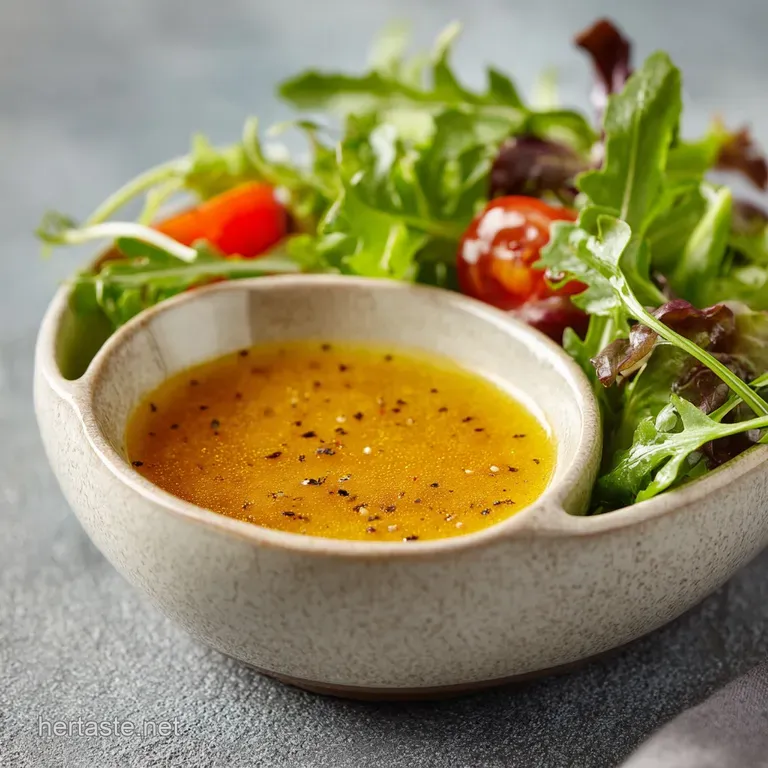
This process is about layering flavors, not dumping ingredients. We build the base first, creating an intense paste of aromatics and spices before introducing the liquids.
Preparation: Mincing and Measuring the Aromatics
Start by getting your garlic and shallot micro minced . They need to be tiny! If you have large chunks, they won't disperse properly, and someone will end up chewing a giant chunk of raw shallot (I’ve been there it was not pleasant).
Place the garlic, shallot, dried herbs, and all the salt and pepper into your mixing jar or bowl. This dry mix is the core flavor engine of our Zesty Italian Salad Dressing .
The Key Step: Creating the Flavor Paste
Pour the red wine vinegar, lemon juice, Dijon, and sweetener (if using) directly onto the dry ingredients. Now, whisk or shake vigorously for 30 seconds. This step accomplishes two things: it dissolves the salt and sugar, and it starts the process of "blooming" the dried herbs in the acid.
You should see the dried oregano and basil start to darken slightly as they soak up the liquid. This paste is what makes our Zesty Italian Salad Dressing so robust.
Chef’s Note: Don’t panic if it smells aggressively vinegary right now. That’s exactly what we want. We are extracting the flavor now so the oil can mute the harshness later.
Slowly Integrating the Olive Oil for a Smooth Finish
This is the emulsification moment, and you have two ways to do it.
- The Jar Method (My preferred method for this Zesty Italian Salad Dressing): Simply add all the olive oil to the jar, secure the lid, and shake like you mean it for a full minute. The force of the shaking, combined with the Dijon mustard, will bind the liquids together into a thick, cloudy dressing.
- The Whisk Method: If you are using a bowl, you must drizzle the olive oil in very slowly while whisking continuously and rapidly. If you add the oil too quickly, the emulsion will "break," and the dressing will remain thin and separated. This homemade Zesty Italian Salad Dressing should be noticeably thicker than the oil you started with.
Troubleshooting & Expert Tips for the Best Results
Making the perfect Zesty Italian Salad Dressing is generally foolproof, but sometimes things go awry. Usually, it's an emulsification issue or a flavor imbalance.
How to Fix a Vinaigrette That Won't Emulsify (The Ice Cube Trick)
If your dressing is separated, thin, and looks oily, don't toss it! Get a small bowl, drop one ice cube in, and add a teaspoon of your broken dressing. Whisk like crazy. The cold temperature helps stabilize the oil molecules almost instantly.
Once you see that small amount thicken, slowly drizzle the rest of the broken dressing into the new mixture while whisking constantly. You’ll rescue your Zesty Italian Salad Dressing almost every time!
Adjusting Seasoning: When to Add More Salt and Pepper
Taste is highly dependent on temperature. Always season your Zesty Italian Salad Dressing at room temperature after the 30 minute rest period. If you taste it immediately after mixing, the acidity will mask the need for salt. If it tastes slightly flat, add a pinch more salt.
If it tastes aggressively sharp, add a tiny bit more oil or sweetener.
Allowing Time for Flavors to Marry
I cannot stress this enough: The 30 minute rest is mandatory for achieving that deep, complex Zesty Italian Salad Dressing flavor. The garlic and shallots are sharp when raw, and they need time to mellow and infuse their flavor throughout the oil and acid base.
Don't skip this rest; it’s what separates a good dressing from a great dressing.
Longevity and Storage: Keeping Your Vinaigrette Fresh
One of the greatest benefits of making your own Zesty Italian Salad Dressing is that you can batch make enough for a week and save yourself a ton of time during your meal prep routine. I use this dressing constantly, whether for my Kale Salad with Cranberries Walnuts and Feta: The Best Winter Salad Recipe or just quick roasted vegetables.
Optimal Refrigerator Storage Practices
Always use a clean, airtight glass jar. Store your Zesty Italian Salad Dressing on an interior shelf of the refrigerator, not in the door (where temperatures fluctuate too much).
Shelf Life of Homemade Dressings
Because this dressing contains fresh garlic and shallots (low-acid ingredients), it has a limited shelf life. I recommend using this homemade Zesty Italian Salad Dressing within 5 to 7 days maximum.
After that, the flavors start to fade, and the aromatics can become a little funky. It is generally not recommended to freeze this type of vinaigrette, as the high oil content and emulsification will break down completely upon thawing.
Re-emulsifying Separated Dressing (The Quick Shake)
Even when perfectly made, your Zesty Italian Salad Dressing will separate in the fridge, especially because the olive oil will semi solidify. This is 100% normal. Don't worry, the flavor is still there!
Take the jar out 20 minutes before you plan to use it to let the oil liquefy slightly, then give it an aggressive, powerful shake for 15 seconds. It will instantly re-emulsify and be ready for your salad.
Beyond Salad: Creative Uses for Italian Vinaigrette
Thinking that the best Zesty Italian Salad Dressing is only good for salad is like thinking a sports car is only good for the school run it’s vastly underutilized! This vinaigrette is a fantastic multipurpose ingredient that can elevate many dishes.
It is an incredible marinade for poultry. The acid works quickly to tenderize the meat, and the bold herb flavors sink deep into chicken breast before grilling. I even use the reserved liquid from the bottom of the jar as a zesty addition to my dressing base when prepping dishes like my MealPrep Shrimp Burrito Bowls: Easy, Zesty, Healthy Lunch Meal Prep .
You can also toss roasted vegetables, like asparagus or bell peppers, with a generous splash of the Zesty Italian Salad Dressing after they come out of the oven. It perks them up beautifully and adds a gorgeous sheen. It even works wonders drizzled over a simple mozzarella and tomato caprese. I once used a slightly modified version of this as a quick pickle liquid for cucumbers, similar to my method for Spicy Korean Cucumber Salad: Quick, Ultra Crisp Oi Muchim Banchan , just without the Korean chili! It really is that versatile.
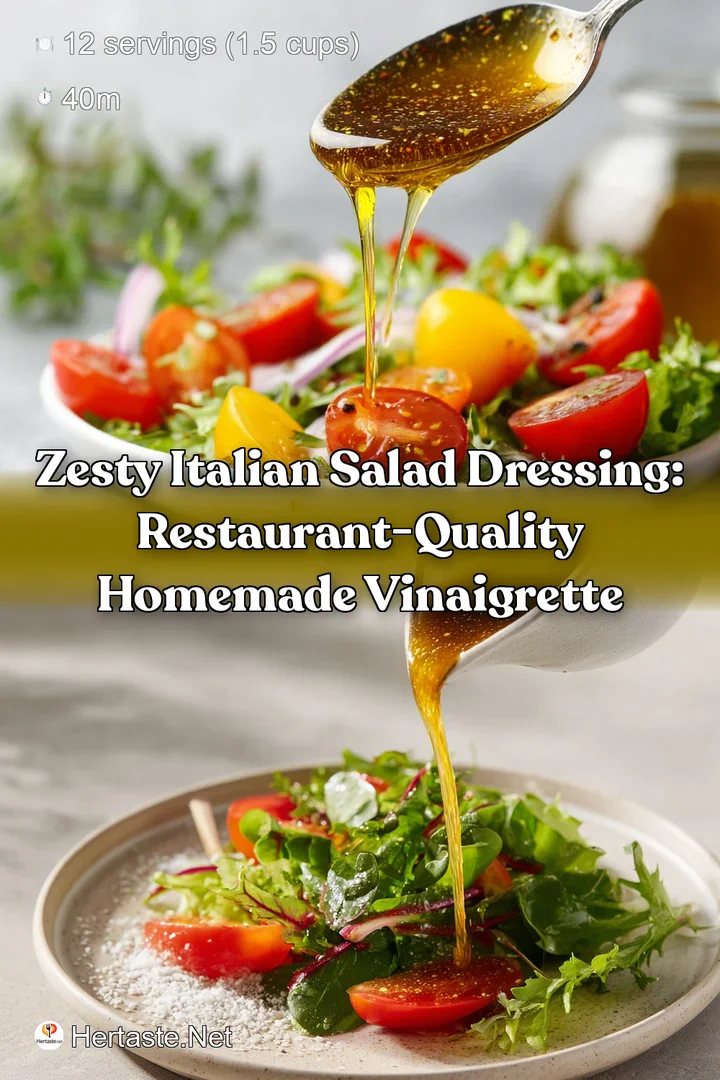
When you’ve finished whisking up your batch of homemade Zesty Italian Salad Dressing , take a moment to savor the aroma. It's worlds better than anything from the grocery aisle. Enjoy the real flavors, and happy cooking!
Recipe FAQs
Why did my vinaigrette separate after mixing, and how can I fix it?
Vinaigrettes are temporary emulsions, meaning separation is completely natural, especially when stored cold. To re-emulsify the dressing, simply shake or whisk it vigorously for about 30 seconds before serving.
For a more stable mix, try adding a teaspoon of Dijon mustard to the recipe, as it acts as a powerful binding agent.
How long can I store this Zesty Italian Vinaigrette, and does it need to be refrigerated?
Yes, due to the fresh ingredients like garlic and shallots, this dressing must be stored in an airtight container in the refrigerator. It will keep well for up to 7 to 10 days. Always remember to let the dressing sit at room temperature for about 15 minutes before serving, as cold oil tends to mute the robust flavors.
I find the flavor too sharp or acidic. How can I balance the zesty flavor profile?
Acidity is easily balanced by incorporating a small amount of sweetness. Try whisking in a small pinch of granulated sugar or a teaspoon of honey to mellow the sharpness. Ensuring you have enough salt in the mixture is also crucial, as it helps to round out the strong vinegar notes.
Can I make this into a creamy Italian dressing instead of a clear vinaigrette?
Absolutely. For a creamy texture, whisk in 2 to 3 tablespoons of mayonnaise, plain Greek yogurt, or sour cream once the basic vinaigrette is fully emulsified. Add the creamy component gradually until you achieve your preferred level of richness and opacity.
Can I substitute dried herbs for the fresh herbs called for in the recipe?
Yes, dried herbs can certainly be used, but keep in mind they are significantly more potent than fresh ones. A good rule of thumb is to use one-third the amount of dried herbs compared to the fresh measure specified in the recipe.
For instance, if the recipe calls for 1 tablespoon of fresh oregano, use 1 teaspoon of dried oregano.
Is extra virgin olive oil required, or can I use a lighter oil?
Extra Virgin Olive Oil provides the necessary robust flavor foundation for an authentic Italian vinaigrette. However, if you prefer a less intense or lighter profile, you may substitute up to half of the EVOO with a neutral oil, such such as grapeseed or light olive oil. Avoid oils with strong flavors, like peanut oil.
Can I freeze the leftover vinaigrette for later use?
Freezing this vinaigrette is not recommended, as the delicate components of the emulsion will permanently separate and become watery upon thawing. Furthermore, the fresh garlic and herbs will lose their desired crispness and brightness when frozen. It is better to halve the recipe if you anticipate leftovers.
Zesty Italian Vinaigrette Recipe
Ingredients:
Instructions:
Nutrition Facts:
| Calories | 517 kcal |
|---|---|
| Protein | 13.7 g |
| Fat | 15.9 g |
| Carbs | 82.6 g |
