The Velvety Coast Quick Authentic Coconut Fish Curry
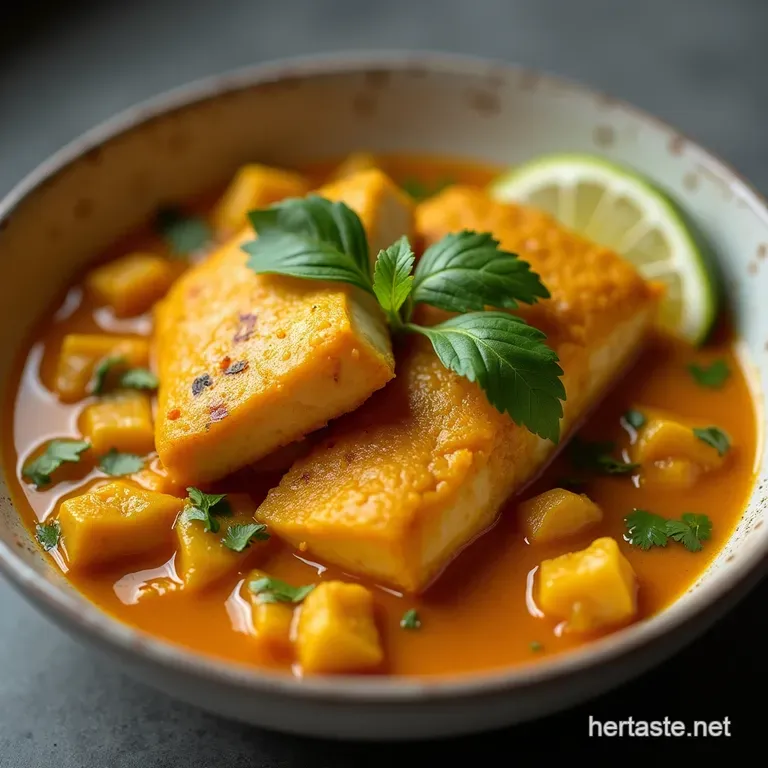
- Escape to the Tropics: Why This Coconut Fish Curry Reigns Supreme
- Setting the Stage: The Soul of South Indian Seafood Flavour
- Assembling Your Treasure Trove: Essential Components for Richness
- The Symphony of Sauté: Mastering the Masala Base
- Bringing It Together: Simmering Your Beautiful Coconut Fish Curry
- Maximising Enjoyment: Serving Suggestions and Pairings
- Storage Secrets and Reheating the Leftovers Perfectly
- Recipe FAQs
- 📝 Recipe Card
Escape to the Tropics: Why This Coconut Fish Curry Reigns Supreme
There is a particular magic that happens when tropical sweetness meets savory spice, and nowhere is that magic more evident than in a perfectly executed Coconut Fish Curry .
Forget the heavy, overly complicated stews you might associate with some take out menus; this recipe channels the bright, aromatic, and deeply comforting flavours typical of coastal South Indian cuisine.
We are aiming for a texture that is velvety, a spice profile that sings rather than screams, and fish that melts in your mouth. This Quick Fish Curry is designed to transport you oceanside, delivering an authentic taste experience in under an hour.
It proves that sophisticated flavour doesn't require hours over the stove it just requires knowing the right techniques.
Setting the Stage: The Soul of South Indian Seafood Flavour
The essence of any great Coconut Fish Curry Indian style lies in layering foundational flavours. This particular rendition draws inspiration from the gentle, fragrant curries often found along the Kerala coast, relying on freshly sautéed aromatics and the subtle tang of tomatoes to balance the richness of coconut.
We use firm, white fish such as cod or tilapia which holds its shape beautifully during the short cooking time required, ensuring a flaky texture that complements the luxurious sauce. The goal isn't just a meal; it’s an experience built upon careful, deliberate flavour infusion.
Decoding the 'Authentic' Aroma in Your Kitchen
Achieving that unmistakably authentic aroma hinges on the initial tempering, known in Indian cooking as the tadka . This process involves heating oil until shimmering and then introducing whole spices.
In this Coconut Fish Curry , the combination of brown mustard seeds, dried red chillies, and fresh curry leaves creates the immediate signature scent. You must let the mustard seeds truly pop and the curry leaves crisp up slightly; this action releases their volatile oils, imbuing the entire cooking fat with deep, complex notes that simply cannot be replicated by adding them later.
The Secret to a Velvety, Never Curdled Coconut Base
The crowning glory of this dish is its sauce. When preparing a Creamy Coconut Curry , the quality of your coconut milk is paramount. We insist on using full fat coconut milk, as the higher fat content ensures stability and contributes significantly to the mouthfeel.
A common pitfall is boiling the sauce too aggressively after the milk is added, which can cause separation. By bringing the sauce to a gentle, low simmer and allowing it to reduce slightly before introducing the delicate fish, we maintain a smooth, homogenous texture that clings perfectly to every piece of White Fish Curry .
Why This Dish is Perfect for Warming Up Your Evening Meal
In a world full of fast paced meals, this Coconut Fish Curry Recipe provides a satisfying anchor. While it fits neatly into a busy schedule clocking in at roughly 50 minutes total time it offers a depth of flavour usually reserved for weekend projects.
It’s comforting yet bright, rich yet relatively light, making it an ideal selection for a weeknight dinner that still feels special, or a stunning feature for entertaining guests who appreciate vibrant, oceanic flavours.
Assembling Your Treasure Trove: Essential Components for Richness
Before the pan hits the heat, organization is key. A successful curry builds rapidly once the sautéing begins, leaving little room for frantic chopping. We begin by gently marinating 1.5 lbs of firm white fish chunks with a half teaspoon of turmeric powder and a pinch of salt.
This quick pre-seasoning not only adds a subtle colour but ensures the flavour penetrates beyond the surface. The aromatics four cloves of minced garlic, an inch of grated fresh ginger, one large finely chopped shallot, and one or two slit green chillies should be ready for immediate deployment.
Spice Cabinet Deep Dive: Measuring Your Aromatic Essentials
The powdered spices form the backbone of the middle layer of flavour. For this South Indian inspired dish, a robust Madras style curry powder (about 1 tablespoon) provides heat and earthiness.
This is complemented by one teaspoon of coriander powder for brightness and a half teaspoon of garam masala, which is added toward the end to provide its distinct, warming perfume.
On top of that,, we introduce a 14.5 oz can of diced tomatoes (drained slightly) to introduce necessary acidity, balancing the sweetness of the coconut milk.
Mandatory Kitchen Gear for Seamless Preparation
While no specialized equipment is needed, the right vessel makes all the difference. A large, heavy bottomed skillet or a Dutch oven is highly recommended. The heavy base distributes heat evenly, which is critical when blooming spices and simmering sauces, preventing hot spots that can scorch the garlic or powders.
Beyond that, standard measuring spoons and a sharp knife are your only other necessities for crafting this superb Curried Fish .
Pro Tips for Ingredient Swaps and Enhancements
Should you find yourself missing a specific component, flexibility is your friend. If shallots are unavailable, a red onion works just as well, though it may require a minute or two longer to soften.
While we champion full fat coconut milk for the best texture, if you absolutely must substitute, use vegetable stock for part of the liquid, understanding that the final sauce will be less luxurious.
For a truly regional Coconut Fish Curry Thai influence, a teaspoon of red curry paste could be incorporated alongside the powdered spices, though it shifts the flavour profile away from the Indian style.
Related Recipes Worth Trying
- Authentic Goan Fish Curry with Tangy Coconut Milk — Cook a truly authentic Goan Fish Curry recipe using toasted spices and kokum for that perfect tangy kick A vibrant seafood curry you can master at home
- Effortless 3Ingredient Easy Coconut Macaroons Recipe — Whip up intensely chewy Easy Coconut Macaroons in minutes This simple recipe using condensed milk is perfect for any baker needing a quick gluten-free treat...
- The Ultimate Chewy Coastal Coconut Macaroons Recipe — Discover the best Easy Coconut Macaroons recipe using condensed milk for a perfectly chewy centre Foolproof and nostalgicperfect with a cuppa
The Symphony of Sauté: Mastering the Masala Base
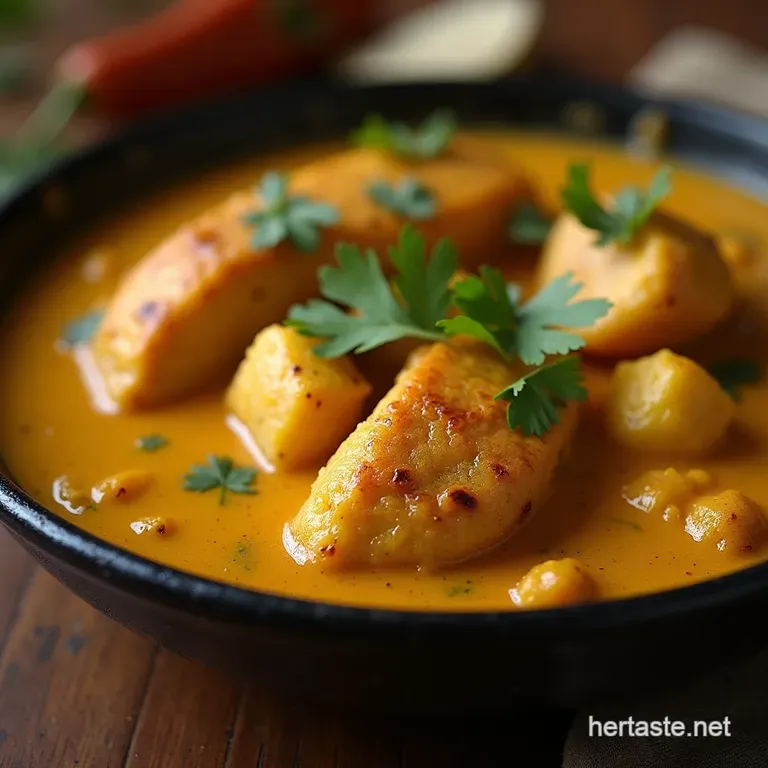
The foundation of our flavour the masala base requires attention. Start by heating 2 tablespoons of coconut oil (or a neutral oil) over medium high heat in your prepared skillet.
Once it’s hot, introduce the whole spices: one teaspoon of mustard seeds, 10 to 12 fresh curry leaves, and 2 to 3 whole dried red chillies. This initial tempering step must be executed with enthusiasm; wait for the mustard seeds to pop vigorously before moving on.
step-by-step Guide to Blooming Your Whole Spices
Once the seeds are crackling, immediately add your prepared onions, garlic, ginger, and green chillies. Sauté, stirring consistently, until the onions become translucent and soft a process that takes about five minutes. This step sweats out the moisture and sweetens the alliums.
Now comes the critical juncture: reduce the heat to low. Add your curry powder, coriander powder, and garam masala. Stir these powders constantly for no more than 60 seconds. This "blooming" toasts the spices in the residual oil, deepening their flavour profile exponentially before any liquid is added.
Bringing It Together: Simmering Your Beautiful Coconut Fish Curry
With the aromatic base set, it's time to build the liquid body of the curry. Stir in your drained diced tomatoes and allow them to break down slightly into the spice mixture for about two minutes. Next, pour in the entire can of full fat coconut milk along with 1/2 cup of fish stock (or water).
Season lightly with salt. Increase the heat slightly to bring the mixture to a very gentle simmer, uncovered, for ten minutes. This reduction time is essential; it thickens the sauce so it beautifully coats the fish later, ensuring a concentrated flavour.
Integrating the Protein: Gentle Poaching for Flaky Results
Once the sauce has thickened pleasingly, gently slide the pre-marinated fish chunks into the simmering liquid. The key here is gentleness. Do not stir aggressively; a gentle nudge or swirl of the pan is enough to submerge the fish. Cover the skillet and reduce the heat to low.
Allow the fish to poach in the warm liquid for 5 to 8 minutes. The exact time depends entirely on the thickness of your fish portions, but you are looking for the flesh to become opaque and flake easily when prodded with a fork.
Final Adjustments: Achieving the Ideal Tang and Heat Balance
Once the fish is perfectly cooked, remove the pan from the heat immediately to prevent overcooking. The final touch of brightness comes from a full tablespoon of fresh lime juice, stirred in off the heat. Taste the Coconut Fish Curry at this stage. Does it need more salt? A touch more heat?
If you are aiming for a more traditional Coconut Fish Curry Kerala style finish, you might consider a final, small tempering drizzle of coconut oil infused with a pinch of mustard seeds right on top before serving, though the initial tempering usually suffices.
Garnish generously with roughly chopped fresh cilantro.
Maximising Enjoyment: Serving Suggestions and Pairings
To truly appreciate the nuanced textures and flavours of this seafood creation, the right accompaniments are necessary. Steamed Basmati rice provides a clean, neutral canvas to absorb the rich sauce. Alternatively, if you prefer a slightly brighter accompaniment, Lemon Rice offers a lovely citrus counterpoint.
For those who enjoy scooping up every last bit of that velvety sauce, warm Garlic Naan or simple, soft Roti are excellent choices. A side of cooling cucumber raita or a sharp mango chutney provides a necessary textural and temperature contrast to the warm, spiced curry.
Storage Secrets and Reheating the Leftovers Perfectly
Any leftover Coconut Fish Curry stores beautifully in an airtight container in the refrigerator for up to three days. The flavours actually deepen overnight as the spices continue to marry with the coconut milk, making leftovers often superior to the initial serving!
When reheating, avoid the microwave if possible, as it can sometimes affect the texture of the fish. Instead, warm the curry gently in a saucepan over low to medium heat, adding a splash of water or fish stock if the sauce has thickened too much during cooling.
Nutritional Snapshot: Understanding What You're Eating
While decadent in flavour, this dish remains relatively balanced. Estimates suggest a generous serving contains around 450 calories, anchored by a high protein count from the fish, balanced by healthy fats derived from the full fat coconut milk.
The carbohydrate count is low, driven primarily by the small amount of tomatoes and the rice served alongside it, making it a satisfying yet mindful option for seafood lovers.
Flavour Evolution: How This Curry Develops Overnight
The transformation overnight is fascinating. In the initial cooking, the flavours are bright and distinct. Upon resting, the turmeric, ginger, garlic, and powdered spices meld deeply into the coconut fat and liquid.
This process mellows any sharp edges and allows the warmth of the garam masala to fully permeate the fish, resulting in a deeper, more harmonious flavour profile the next day.
Creative Twists: Vegetarian Alternatives and Seafood Upgrades
This core recipe structure is incredibly versatile. For a delicious vegetarian alternative, skip the fish entirely and incorporate one can of drained chickpeas and about a cup of paneer or firm tofu, adding these protein sources during the final 8 minutes of simmering alongside the fish.
If you crave a richer seafood experience, substitute the white fish with large, deveined prawns; however, remember that prawns cook extremely fast, requiring only about three minutes submerged in the hot sauce to reach perfection.

Recipe FAQs
What kind of fish is best for this Coconut Fish Curry? I don't want it falling apart!
That’s a fair point; nobody wants a fishy porridge! For the best results, stick to firm, white fish like cod, haddock, halibut, or even firm tilapia. These types hold their structure beautifully while poaching gently in the coconut milk. Just ensure your pieces are cut into robust chunks, about 1.5 inches thick.
My curry sauce seems a bit thin. How do I get that rich, velvety texture you mentioned?
The secret is twofold: always use full fat coconut milk never the ‘light’ version, or you’ll end up with soup! Secondly, let the sauce simmer gently for about 10 minutes before adding the fish.
This allows the natural fats and solids to combine and reduce slightly, thickening the sauce beautifully before you introduce the delicate fish.
Can I prepare the base sauce for this Coconut Fish Curry ahead of time?
Absolutely, you can prep like a champion! You can make the entire base from tempering the seeds right up to adding the coconut milk and simmering a day ahead and keep it stored in the fridge.
When you’re ready to eat, just gently reheat the sauce, slide in your marinated fish, and poach until cooked through, which takes mere minutes!
I'm not great with spice. How can I dial down the heat in this curry?
Fear not, it’s easily managed! The primary heat comes from the fresh green chillies and the dried red chillies used in the tempering step. Simply omit the green chillies entirely, and if you’re nervous, use only one dried chilli, or even skip them altogether.
You'll still get loads of flavour from the aromatics and curry powder.
I don't have curry leaves. What can I use instead if I want to make this Coconut Fish Curry tonight?
Curry leaves give that signature aromatic lift, but if you're caught short, don't panic you can still make a brilliant dish. For a close aromatic substitute, add half a teaspoon of dried fenugreek leaves (Kasoori Methi) along with your other powdered spices; it adds a lovely earthy depth.
Just remember to crush them between your palms first!
Velvety Coconut Fish Curry

Ingredients:
Instructions:
Nutrition Facts:
| Calories | 1733 kcal |
|---|---|
| Protein | 24.0 g |
| Fat | 52.7 g |
| Carbs | 54.9 g |
| Fiber | 24.2 g |
| Sodium | 3596 mg |
