Turkey Brine: Our Easy Classic Recipe for the Most Succulent Turkey
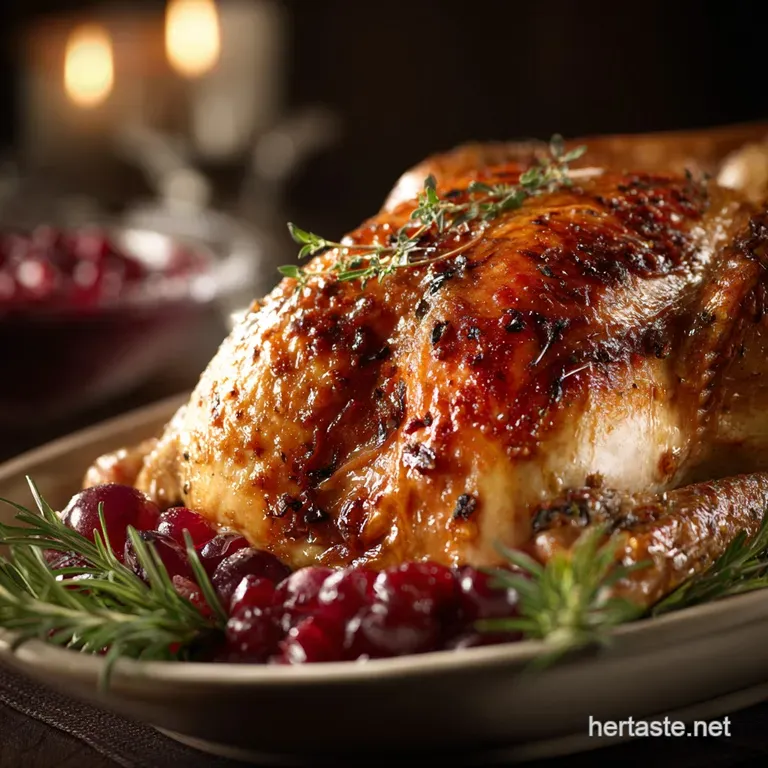
- The Essential Technique for a Truly Succulent Turkey
- The Science of Success: How This Aromatic Turkey Brine Transforms Texture
- Building the Foundation: Essential Ingredients for Your Signature Turkey Brine
- Mastering the Process: A Step-by-Step Guide to Preparing and Applying the Brine
- Troubleshooting the Brine: Expert Tips for Flawless Turkey Preparation
- Preparing Ahead: Storage and Shelf Life of Your Turkey Brine Solution
- Recipe FAQs
- 📝 Recipe Card
The Essential Technique for a Truly Succulent Turkey
The Chef’s Secret: Ultimate Aromatic Wet Brine for a Succulent Sunday Roast Turkey
Imagine slicing into a turkey breast that isn't chalky white and dry; visualize the clear juices running onto your cutting board. That stunning aroma of citrus, herbs, and savory goodness should hit you the moment the oven door swings open.
This isn't just wishful thinking it's the absolute standard when you use the right technique.
Honestly, brining is the biggest return on effort you can get for any roast, especially a big bird. It’s an incredibly easy Turkey Brine process that costs almost nothing, but it fundamentally guarantees you never serve a tough, disappointing roast again.
It's the difference between "that was fine" and "holy moly, how did you get it so juicy?"
I’m talking about deep, penetrating flavor and moisture retention that simple seasoning just can't touch. This classic recipe for the Best Turkey Brine ensures success every single time, whether it's Thanksgiving or just a fancy Sunday dinner. Let's crack on and transform your turkey.
The Science of Success: How This Aromatic Turkey Brine Transforms Texture
Moving Beyond the Dry Turkey Myth: Why Brining Works
We’ve all experienced it: a beautifully browned turkey exterior hiding dry, lifeless meat inside. The science is simple but brilliant. When you soak the bird in a saline solution, the salt interacts with the muscle proteins, causing them to unravel slightly.
These unraveled proteins absorb the water and flavor components, locking them in before cooking even starts.
This structural change means the meat can hold onto its moisture far better during the high heat of roasting. This Turkey Brine Recipe for Roasting: Aromatic Citrus Herb specifically uses brown sugar to balance the salt and aid in browning, giving you that beautiful mahogany color.
What Makes a Wet Brine Superior to a Simple Rub?
A dry rub, while great for surface seasoning, only penetrates the skin and maybe the top few millimeters of muscle. A wet brine, however, uses the power of diffusion and osmosis to push flavor and moisture deep into the tissue.
The liquid carries the sweet, savory, and aromatic notes of the herbs and citrus straight to the turkey's core.
Calculating the Perfect Brine Volume for Any Size Bird
A good rule of thumb for this Classic Turkey Brine is that you need about 1 gallon (4 liters) of liquid for every 12 to 16 pound turkey. The goal is complete submersion. If you have a massive 20 pounder, you might need to scale the recipe by 50% to ensure every inch is covered.
The Power of Osmosis: Achieving Optimal Moisture Retention
Osmosis is why this works. The high salt concentration outside the turkey initially wants to pull moisture out, but as the salt starts to penetrate the tissue, the cells start retaining that moisture instead. This counter intuitive process is why brined meat is measurably heavier and juicier post roasting.
Balancing Salinity and Aromatic Infusion for Deep Flavor
The ratio of 2 cups of Kosher salt to 1 cup of brown sugar per gallon of water is crucial here. It’s savory enough to tenderize without being overwhelmingly salty, especially when balanced by that touch of brown sugar sweetness.
We simmer the aromatics first; this heat extraction stage ensures maximum flavor infusion before the liquid even touches the bird.
Why We Use Citrus and Herbs for Comprehensive Penetration
We aren’t just tossing herbs in cold water here. The acidity from the orange and the apple cider vinegar gently assists the salt in tenderizing the exterior meat fibers. Plus, citrus zest and fresh herbs like rosemary and thyme carry volatile oils that readily dissolve into the warm brine concentrate, saturating the turkey with holiday flavor.
Building the Foundation: Essential Ingredients for Your Signature Turkey Brine
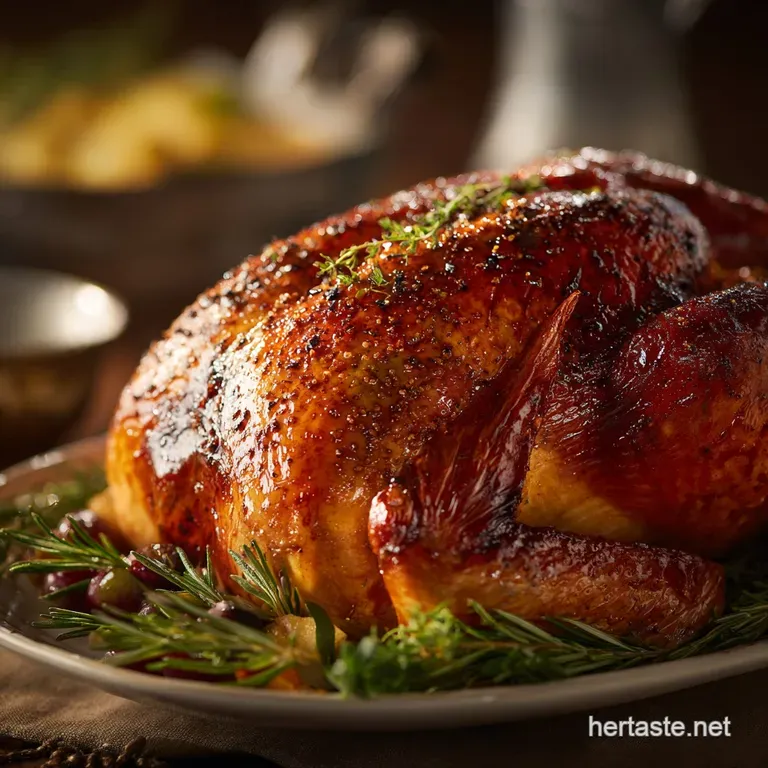
To create a powerful, flavorful, Easy Turkey Brine, you need strong foundations. Here’s what you need and what you can swap out if you're missing something.
- Water: 4 litres (approx. 1 gallon) Divided
- Kosher Salt: 480 g (approx. 2 cups) – Weight is key!
- Light Brown Sugar: 240 g (approx. 1 cup)
- Fresh Herbs: Rosemary, Thyme, Bay Leaves
- Aromatics: Whole Black Peppercorns, 1 bulb Garlic, 1 large Orange, Apple Cider Vinegar (1/2 cup)
Selecting the Right Salt: Kosher vs. Table Salt in Brining
Always use Kosher Salt or Coarse Sea Salt for brining, please. Fine table salt has incredibly small crystals, which means a cup of it contains much more sodium by weight than a cup of Kosher salt. Using the volume measurement for table salt guarantees an inedibly salty bird.
We are measuring by weight (480g) for accuracy, but if you must measure by volume, stick to the large crystals!
The Aromatic Trinity: Rosemary, Thyme, and Bay Leaf Notes
These three herbs are the undisputed stars of Thanksgiving. Rosemary provides that sharp, piney note, thyme gives earthy depth, and bay leaves add a subtle floral, savory background. Don't skimp on the fresh herbs they make all the difference.
Sourcing the Best Citrus Components (Orange and Lemon)
I specified a whole orange, quartered, because you want the zest oils and the juice. If you don't have an orange, a large lemon works beautifully too, providing that essential acidic lift. Just scrub the citrus clean before adding it to the pot!
Smart Substitutions for a Personalized Brine Base
| Ingredient | Viable Substitute | Notes |
|---|---|---|
| Kosher Salt | Coarse Sea Salt | Use the same weight (480g). |
| Brown Sugar | Maple Syrup (1/2 cup) or Honey (2/3 cup) | Liquids dissolve faster and add a different subtle caramelized flavor. |
| Apple Cider Vinegar | Dry White Wine or Beer (Lager) | Adds a lovely complexity and tenderizes the meat even more. |
| Orange | 2 large Lemons or Limes | Great for a more tart, bright finish. |
Mastering the Process: A step-by-step Guide to Preparing and Applying the Brine
This recipe requires about 15 minutes of active cooking and 12- 24 hours of total patience.
Stage 1: Preparing the Aromatic Brine Concentrate (The Simmer)
- Combine the Power: In your largest stockpot, dump 2 liters of water (half your total), all the Kosher salt, brown sugar, herbs, peppercorns, halved garlic, quartered orange, and vinegar. Seriously, use a big pot; it’s going to expand.
- Dissolve and Boil: Bring this mixture to a rolling boil over high heat, stirring constantly until every single grain of salt and sugar has dissolved. This takes about three to five minutes.
- Steep for Flavor: Take the pot off the heat, slap a lid on it, and let the aromatics steep for 15 minutes. This is where the rosemary and thyme oils really get sucked into the liquid.
Stage 2: Cooling, Dilution, and Critical Chill Safety
- Instant Chill: Pour the remaining 2 liters of cold water and all 2 kg of ice directly into the hot concentrate. Stir it like crazy until the ice is completely melted. This rapid cooling step is mandatory, not optional.
- Check the Temp: You absolutely must check the temperature with a thermometer. If the liquid is above 40°F (4° C), you cannot add the turkey. If it’s still too warm, place the pot in an ice bath in the sink for 30 minutes, or just stick it in the fridge until fully chilled.
Chef's Note: Warm brine on poultry is a genuine food safety nightmare. You are introducing the turkey to the danger zone, and 12- 24 hours in warm liquid invites bacteria growth. Chill it completely.
Submerging and Waiting: Calculating Optimal Brining Time
- Prep the Bird: Remove the turkey neck and giblets from the cavity. Give the outside a quick rinse, then pat the bird completely dry with paper towels.
- Dunk It: Place the turkey, breast side down, in your clean brining container or specialized brining bag. Pour the fully chilled brine over the turkey, making sure the entire bird is submerged. If the turkey floats, use a plate weighted down with a jar of water to keep it under the liquid.
- Refrigerate: Place the container back into the fridge. Brine for 12 hours (small birds, 10 12 lbs) up to 24 hours (large birds, 16 lbs+). Do not exceed 24 hours, or you risk mushy, overly salty meat.
Rinsing and Resting: Essential Post Brine Steps Before Roasting
- The Rinse: Remove the turkey from the brine and discard the liquid immediately. Rinse the bird thoroughly , inside and out, under cold running water for a minute or two. This removes surface salt.
- The Air Dry Secret: Pat the turkey bone dry with paper towels. Place the bird on a rack set over a baking sheet and return it to the fridge, uncovered, for 4 to 12 hours. This post brine air-drying is the secret weapon for getting that shatteringly crispy skin. Then, you're ready for the oven I recommend my recipe for Roast Turkey: The Ultimate Herb Butter Recipe for a Succulent Holiday Feast next!
Troubleshooting the Brine: Expert Tips for Flawless Turkey Preparation
Avoiding the Over Salted Bird Disaster
This is the number one fear of new briners. If you brine too long (over 24 hours) or use the wrong type of salt (fine table salt), you will over salt it. Rule of Thumb: Stick to the 24 hour max and always rinse thoroughly after brining.
Also, when you season the turkey for roasting, remember you do not need to add salt just pepper and whatever herbs are in your herb butter.
Handling Large Turkeys: Specialized Container and Cooler Solutions
My kitchen fridge is never big enough for a massive 20 pound turkey and a gallon of brine, especially during the holidays. I once tried to wedge a turkey into my vegetable drawer and it was a disaster. The solution? A new, food grade 5 gallon plastic bucket or a dedicated cooler.
If you use a cooler, ensure you pack it heavily with ice packs and monitor the temperature with a probe thermometer to keep it below 40°F.
The Critical Mistake: Skipping the Pre-Roast Air Dry
You worked so hard to pump moisture into the bird, but now you need to remove the surface moisture. Wet skin equals steamed skin, resulting in a floppy, pale crust. Skipping the air dry guarantees soft skin. Refrigerating the bird uncovered for those final hours creates a firm, dry exterior that crisps beautifully in the oven. Seriously, check out my tips on using Herb Butter Turkey: The Ultimate Juicy Roast with Crispy Skin for maximum crispness.
Preparing Ahead: Storage and Shelf Life of Your Turkey Brine Solution
How Long Can Unused Brine Last in the Refrigerator?
If you make the brine concentrate and cool it down safely (below 40°F), you can store the unused, pure solution in an airtight container in the refrigerator for up to three days. This is great if you want to get your prep done way ahead of time.
Can I Reuse or Freeze Spent Brine?
Absolutely not. Once the turkey has been in the liquid, the brine is considered contaminated. You must discard it immediately after removing the bird. It cannot be reused, boiled, or frozen safely.
Safety First: Maintaining the Required Chill Zone (Below 40°F)
Food safety is paramount when dealing with raw poultry and large volumes of liquid. If you can't guarantee that your brine and turkey stay consistently below 40°F (4°C) for the entire brining period, you risk spoilage.
If you are using a cooler, refresh the ice packs every 6 to 8 hours to maintain that chill zone.
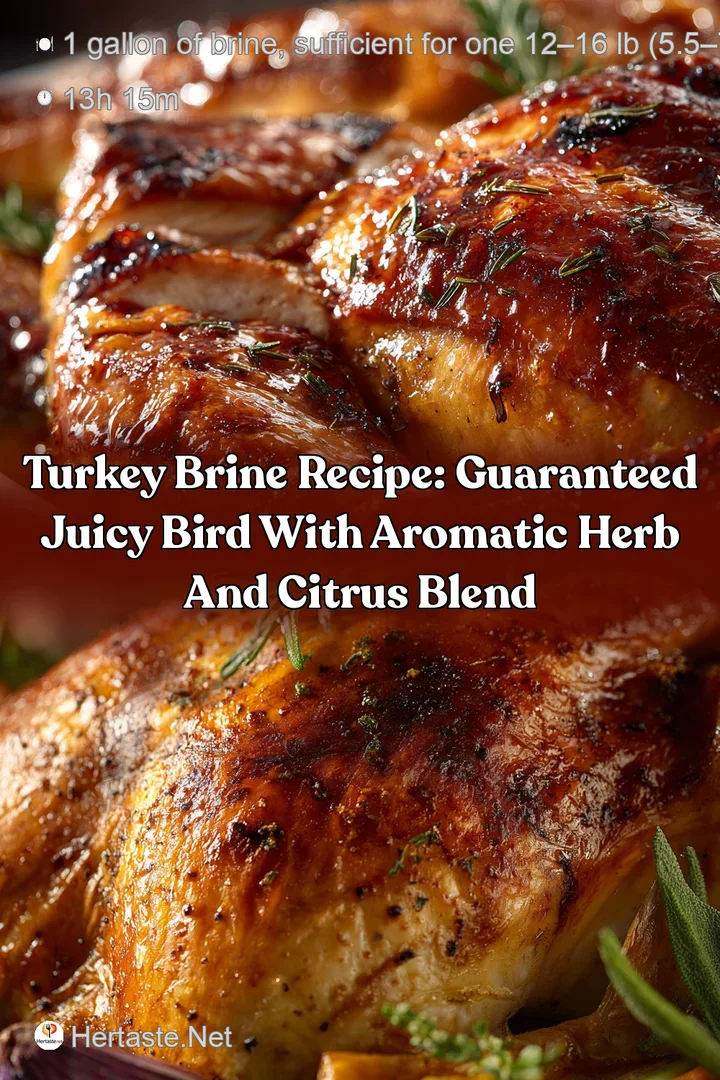
Recipe FAQs
How important is temperature control during brining?
Temperature control is critical for food safety when handling poultry. The turkey must remain below 40°F (4°C) for the entire brining period to prevent rapid bacterial growth. Ensure your brine mixture is completely chilled before adding the turkey and always use the coldest part of your refrigerator.
How long should I brine the turkey? Can I over brine it?
For a standard 12-16 lb bird, 12 to 24 hours is the ideal window for flavour penetration and moisture retention. Yes, you can definitely over brine, which risks creating a cured, overly salty taste and a potentially mushy texture. Never exceed 36 hours for a wet brine.
Do I need to rinse the turkey after brining, and how do I prevent salty skin?
Yes, rinsing is essential to remove excess surface salt. After removing the bird from the brine, rinse it thoroughly under cool, running water, inside and out, for about 60 seconds. Pat the turkey completely dry with paper towels before roasting; this step is crucial for achieving crispy skin.
My turkey packaging says it is “pre-basted” or “enhanced.” Can I still use this wet brine?
No, you must avoid brining enhanced, self basting, or Kosher birds. These products have already been injected with a sodium solution during processing, and adding a full wet brine will result in an unbearably salty turkey. Always check the label for added sodium or solution percentages before proceeding.
What if my turkey is too large to fit in my refrigerator for brining?
If space is an issue, you can use a high-quality, large cooler, provided you can maintain temperature safety. Place the turkey in the chilled brine, secure the lid, and fill the surrounding space with ice packs or frozen gel packs.
You must monitor the internal temperature frequently to guarantee it stays below 40°F (4°C).
Can I use this wet brine recipe for a turkey breast instead of a whole bird?
Absolutely, but you must significantly reduce the brining time due to the smaller size and lack of bone structure. A turkey breast only needs about 4 to 6 hours in the brine. Over brining a breast will almost certainly lead to a tough, overly salted final product, so timing is critical.
Can I prepare the brine mixture ahead of time, and can I reuse the solution?
Yes, the brine solution (before adding the turkey) can be prepared up to three days in advance and stored tightly sealed in the refrigerator. However, unused brine that has come into contact with raw poultry should be immediately discarded. The solution cannot be safely reused for another bird.
Ultimate Wet Turkey Brine Recipe
Ingredients:
Instructions:
Nutrition Facts:
| Calories | 854 kcal |
|---|---|
| Protein | 0.9 g |
| Fat | 30.3 g |
| Carbs | 140.7 g |
