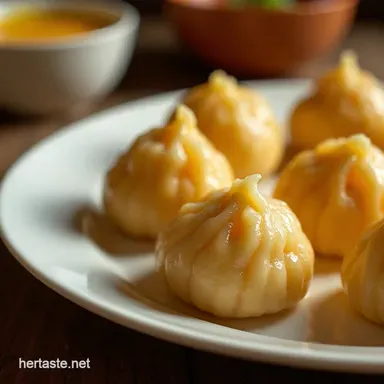
Authentic Ukadiche Modak with Coconut Filling

- Time: 30 min active + 15 min cooking
- Flavor & Texture: Sweet and coconutty with a soft, pillowy shell
- Perfect for: Festive celebrations and traditional desserts
Nothing is worse than a modak that splits open mid-steam, spilling all that coconut filling into the pot. It usually happens because the rice dough was too cold or didn't get enough hydration during the cooking phase.
The fix is in the "ukad," which is the process of cooking the flour with water before shaping. Getting this right means your dumplings won't crack and will instead have that glossy, professional look.
When you follow this method, these ukadiche modak steamed rice dumplings made turn out with a tender skin that holds its shape perfectly. It's a budget-friendly treat that relies on simple pantry staples for a high-impact result.
Ukadiche Modak Steamed Rice Dumplings Made
This recipe makes 12 portions. The prep takes 30 minutes, and the active cooking time is 15 minutes, for a total of 45 minutes from start to finish.
Ingredients and Smart Swaps
The quality of your rice flour determines the texture. Use a very fine powder to avoid a grainy shell. For the filling, fresh coconut is a must, as desiccated coconut lacks the necessary moisture to meld with the jaggery.
What Each Ingredient Does
| Ingredient | What It Does | Best Swap |
|---|---|---|
| Rice Flour | Creates the structural shell | Fine glutinous rice flour (will be stickier) |
| Jaggery | Provides sweetness and deep color | Brown sugar (less complex flavor) |
| Ghee | Keeps dough supple and prevents sticking | Coconut oil (best for vegan version) |
| Coconut | Forms the bulk of the filling | Frozen grated coconut (thaw first) |
Full Ingredients List
For the Filling:
- 2 cups (200g) freshly grated coconut Why this? Provides essential moisture and texture
- 1/2 cup (100g) powdered jaggery
- 1 tsp (5g) ghee
- 1/4 tsp (1g) ground cardamom
- 1 tbsp (15ml) water
- 1 tsp (5g) poppy seeds
For the Rice Dough:
- 1 cup (125g) fine rice flour Why this? Ensures a smooth, non-grainy skin
- 1 1/2 cups (350ml) water
- 1 tsp (5g) ghee
- 1/2 tsp (3g) salt
- 1 pinch of sugar
Substitution Guide
| Original Ingredient | Substitute | Why It Works |
|---|---|---|
| Ghee | Coconut Oil | Similar fat content. Note: Adds a tropical note, which fits this dish |
| Jaggery | Dark Brown Sugar | Mimics the molasses flavor. Note: Results in a lighter colored filling |
Equipment Needed
A professional kitchen isn't necessary, but a steamer is essential. If you lack one, a wide pot with a steamer rack and a tight-fitting lid will work. Use a muslin cloth or parchment liner to keep the dumplings from clinging to the base.
Key Shaping and Steaming Steps
Phase 1: Crafting the Sweet Core
Warm 1 tsp ghee in a pan over medium heat. Add 200g grated coconut and 5g poppy seeds, sautéing for 2 minutes until aromatic. Stir in 100g powdered jaggery. Lower the heat and stir continuously until the mixture thickens and pulls away from the sides of the pan. Fold in 1g cardamom powder.
If the mixture appears too dry, stir in 1 tbsp water, then remove from heat.

Phase 2: Preparing the Rice Dough
In a pan, bring 350ml water, 3g salt, 1 tsp ghee, and a pinch of sugar to a rolling boil. Reduce the heat and slowly whisk in 125g rice flour, stirring vigorously to avoid lumps. Cover the pan and let the dough steam on very low heat for 3–5 minutes.
Transfer the hot dough to a mixing bowl and, while still warm, knead it into a smooth, supple ball.

Phase 3: Shaping the Dumplings
Lightly grease your palms with ghee. Flatten a lemon-sized piece of dough into a disc, then use your thumbs to press the edges into a thin, bowl-like shape. Fill the middle with a portion of the sweet mixture. Gently pinch the edges to form pleats, bringing them together at the top to create a pointed peak.

Phase 4: Steaming to Perfection
Line a steamer with a muslin cloth and arrange the modaks, leaving a small gap between each. Steam over medium-high heat for 10–12 minutes. Stop when the covering transforms from opaque white to a soft, glossy, and translucent finish.

Common Problems and Fixes
Dough Cracking While Shaping
This usually happens if the dough cools down too much. The rice flour needs heat to stay pliable. If you see cracks, quickly knead the dough again with a teaspoon of warm water or heat it for 10 seconds in the microwave.
Dough Sticking to Hands
If the dough feels tacky, you aren't using enough fat. Keep a small bowl of ghee nearby. Dip your fingers in the ghee every few dumplings to keep the surface smooth.
Filling Too Soft
If the coconut mixture is runny, it will leak through the shell. Cook the jaggery and coconut longer on low heat until it forms a thick, cohesive paste. It should hold its shape when you scoop it.
Dietary Adjustments

To make this vegan, simply replace the ghee in both the dough and filling with coconut oil. The outcome is nearly the same, though the coconut oil introduces a subtle, tropical fragrance.
For a variation, substitute the 5g poppy seeds with 5g finely diced almonds or cashews. Just be sure to toast the nuts in ghee for 1 minute before adding the coconut to enhance their richness.
Storage and Reheating
The filling can be prepared up to 3 days ahead; store it refrigerated in an airtight container. However, the rice dough should be made fresh, as it loses its elasticity once it cools completely.
Once steamed, the dumplings will last for 2 days in the refrigerator. To bring back their velvety texture, steam them again for 2–3 minutes, until piping hot throughout (74°C/165°F in the center). Avoid the microwave, as it frequently makes the rice shell rubbery and tough.
Why This Method Works
The Warm Knead: Kneading the dough while it's still hot gelatinizes the rice starch, which creates a flexible skin that doesn't tear during pleating.
Low heat Reduction: Cooking the jaggery slowly prevents it from crystallizing, ensuring the filling stays smooth and binds to the coconut.
Frequently Asked Questions
How to shape the modaks?
Flatten a lemon-sized portion of dough into a disc. Use your thumbs to press the edges into a thin bowl, add filling, and pinch the edges into pleats that meet at a pointed peak.
Can I use brown sugar instead of jaggery?
Yes, dark brown sugar works. It mimics the molasses flavor of jaggery, though the resulting filling will have a lighter color.
Where to store leftover steamed modaks?
Keep them in the fridge for 2 days. This preserves the dumplings, but they will need reheating to regain their original velvety texture. When reheating cooked leftovers, check with a food thermometer that the centre reaches 165°F (74°C); the appliance temperature and time alone do not confirm this.
Why should the dough be kneaded while warm?
Warmth ensures the dough stays supple. Kneading it before it cools completely allows you to shape it into thin, elastic pleats without the shell cracking.
Which method is best for reheating the dumplings?
Steam them again for 2–3 minutes, until piping hot throughout (74°C/165°F in the center). This restores the softness; avoid the microwave as it often makes the rice shell rubbery and tough.
Is coconut oil a good substitute for ghee?
Yes, it is a suitable swap. Coconut oil has a similar fat content and adds a tropical note that complements the flavor of the dish.
When are the modaks finished steaming?
Look for a glossy, translucent finish. The outer covering transforms from an opaque white to a soft, translucent appearance after 10–12 minutes.
Does the rice dough need to be made fresh?
Yes, it must be prepared immediately. The dough loses its necessary elasticity once it cools completely, making it impossible to shape correctly.
Ukadiche Modak with Coconut and Jaggery