Sweet and Sour Meatballs: the Proper Pub Classic Sticky Glaze Recipe
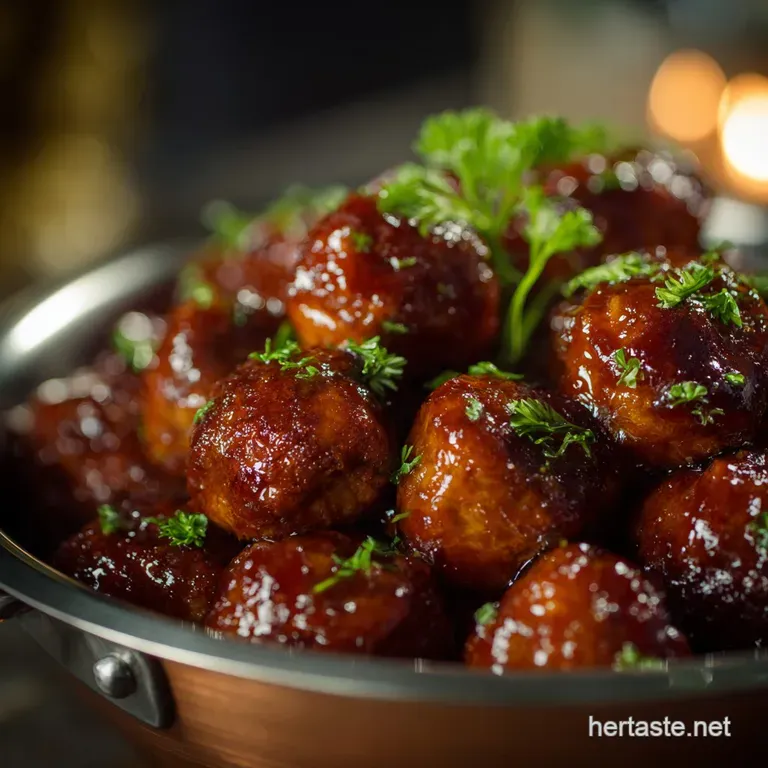
- The Proper Pub Classic: Sticky Sweet and Sour Glazed Meatballs
- Mastering The Sticky Glaze: Our Best Sweet and Sour Meatballs Recipe
- The Science of Balance: Why This Sweet and Sour Glaze Triumphs
- The Essential Components for Proper Sweet and Sour Meatballs
- Step-by-Step Guide: How to Cook Sticky Sweet and Sour Meatballs
- Troubleshooting Your Dish: Chef's Tips for Success
- Storage Solutions: Making and Keeping Sweet and Sour Meatballs Ahead
- What to Serve Alongside Classic Pub-Style Meatballs
- Recipe FAQs
- 📝 Recipe Card
The Proper Pub Classic: Sticky Sweet and Sour Glazed Meatballs
Mastering The Sticky Glaze: Our Best Sweet and Sour Meatballs Recipe
Okay, stop what you’re doing and imagine this aroma: tangy vinegar, rich brown sugar, and that savoury scent of perfectly pan-seared pork. This isn't the gloopy, one-note sauce you get from the local takeaway joint; this is pure, unadulterated comfort food joy.
The glaze is sticky, vibrant red-gold, and begs to be mopped up with rice.
I love this recipe because it genuinely feels like a fancy weekend meal, but it takes less than an hour of active effort. It’s cheap, incredibly filling, and the flavour profile is so bold that even the pickiest eaters will ask for seconds.
Honestly, this recipe has saved my Monday evenings more times than I care to admit.
Ready to ditch those sad frozen, pre-sauced meatballs forever? We're going to build the flavour layers properly, focusing on the perfect meatball texture and that killer sticky glaze. Let’s get cooking and master the balance of sweet and sour.
The Science of Balance: Why This Sweet and Sour Glaze Triumphs
Why This Recipe Isn't Like the Takeaway Version
Most commercial sweet and sour sauces rely heavily on corn syrup and artificial colouring. We are bypassing that entirely by using real pineapple juice and brown sugar, which gives the glaze a deeper, almost caramelised note. Crucially, we keep the bell peppers slightly crisp nobody wants mushy vegetables here.
Prep Time vs. Cook Time: Setting Expectations for Medium Difficulty
While the active time is quick, this recipe requires attention to detail, especially when searing the meatballs perfectly. You need to respect the chilling time, and you definitely need to watch that sauce when you add the thickener. It is completely worth the small amount of extra effort, trust me.
The Maillard Reaction: Getting a Crust on Your Meatballs
You absolutely must sear those meatballs before they go into the sauce. That beautiful brown crust, what chemists call the Maillard reaction, locks in moisture and adds deep, savoury complexity that the glaze needs. If you skip this step, they just boil in the sauce, and that, my friend, is a tragedy.
The Vinegar Sugar Ratio: Hitting the Sour Sweet Spot
The secret to sweet and sour is that neither flavour should dominate; they should kiss perfectly on your tongue. We use rice vinegar for brightness and brown sugar for a rich, molasses-y sweetness, which is much better than plain white sugar. Always taste before you thicken the glaze.
Achieving the Perfect Pork Meatball Texture
The key to tender meatballs is using panko breadcrumbs they soak up moisture without turning the mix dense. Also, never overmix the pork. Mix until just combined. If you knead it like dough, you’re making rubber balls.
The Essential Components for Proper Sweet and Sour Meatballs
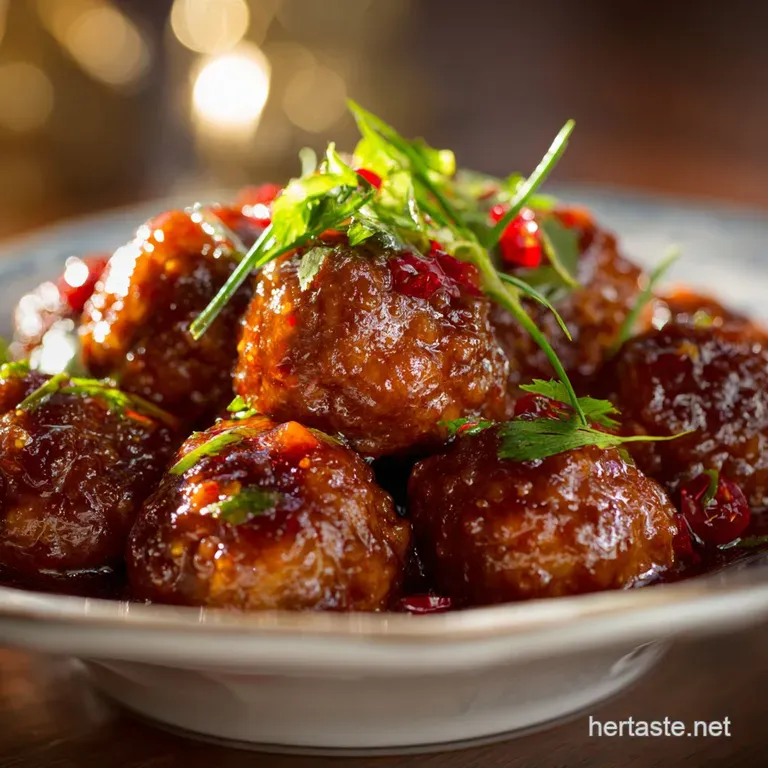
Meatball Mix: Choosing the Right Grind of Pork
I swear by using ground pork with a medium fat content, around 20%, for the ultimate tenderness. If you use super lean pork, your meatballs will feel dry and chalky, no matter how much glorious sauce you use. It's the fat that keeps them juicy while simmering.
Elevating the Glaze: Pineapple Juice vs. Canned Chunks
Canned pineapple chunks are mandatory here for that classic fruit burst, but the real secret weapon is reserving the juice. That natural sweetness forms the base of the sauce, giving it an authentic, fruity backbone that sets it apart. It adds body and natural acidity, too.
Pantry Staples: Balancing Soy Sauce and Brown Sugar
Use low-sodium soy sauce so you can control the overall salt level separately. The brown sugar provides necessary caramelization and depth, which ketchup alone can't achieve. We are building flavour layers, not just pouring from a bottle.
Thickeners: Cornstarch Slurry Best Practices
Cornstarch is my preferred thickener for this specific glaze because it results in a glass like, shiny, glossy finish. Always dissolve the cornstarch in cold water first. If you add dry starch directly to hot liquid, you get immediate, lumpy glue, which we want to avoid completely.
| Ingredient | Viable Substitution | Chef's Note |
|---|---|---|
| Ground Pork | 50/50 mix of Pork and Ground Beef | Provides deeper, beefy flavor while the pork keeps the moisture perfect. |
| Rice Vinegar | Apple Cider Vinegar | Use slightly less, as apple cider vinegar can be much harsher and more acidic. |
| Panko Breadcrumbs | Quick Oats (1/4 cup) or certified GF crumbs | Oats provide binding without drying out the mixture. |
| Pineapple Juice | Orange Juice (pulp free) | This changes the flavor profile to be more citrusy, but still provides necessary sugar and acidity. |
step-by-step Guide: How to Cook Sticky Sweet and Sour Meatballs
Stage One: Forming and Pan-Searing the Meatballs for Crust
Mix the ingredients gently, roll them into perfect 1.5 inch spheres, and then chill them for 30 minutes. The chilling stage helps the fat firm up, guaranteeing they stay round and don't collapse into sad little ovals when they hit the pan.
Sear them in hot oil over medium high heat until they have a beautiful, dark crust on all sides about 7 minutes.
Stage Two: Building the Vibrant Sweet and Sour Base
Remove the seared pork meatballs, draining off any excess grease, and reduce the heat. Sauté the onions and bell peppers until they are slightly softened but still vibrant and crunchy, which takes about three to four minutes.
Whisk your sauce liquids ketchup, pineapple juice, brown sugar, and vinegar together until the sugar is dissolved before adding them to the pan.
Stage Three: Simmering the Glaze to Sticky Perfection
Once the sauce base is simmering nicely, pour in your cornstarch slurry while whisking constantly. You’ll see the sauce turn immediately glossy and thick it’s magic!
Reduce the heat to low, return the seared meatballs to the glaze, and let them simmer gently for 8– 10 minutes. This ensures they finish cooking through and soak up all that incredible sticky goodness.
Crucial Chef’s Note: Never boil the finished, thickened sauce vigorously. Cornstarch sauces thicken best at a simmer, and boiling too hard can actually make the glaze thin out again, especially if it uses a lot of vinegar.
Troubleshooting Your Dish: Chef's Tips for Success
Preventing Dense Meatballs: The Mixing Error
If your cooked meatballs feel like dense rubber balls, you mixed them too much, plain and simple. Use your hands only to just combine the ingredients , stopping the moment you no longer see any dry breadcrumbs. It really is that simple; handle the meat as little as possible.
Why Did My Sauce Break? (And How to Fix It)
Cornstarch thickened sauces can sometimes "break" or become thin and watery if they boil too hard for too long. If your sauce loses its beautiful glossy sheen and looks cloudy, you might have overheated it.
The quick fix: Remove it from the heat, let it cool slightly, then whisk in a small new slurry (1 tsp cornstarch + 1 tsp cold water) off the heat to help re-stabilize the emulsification.
Adjusting Acidity: A Quick Fix for Too-Sour Glaze
Did you get carried away with the rice vinegar? Don't panic! The easiest fix is adding a small pinch of baking soda (a literal pinch, like half a teaspoon) which neutralizes the acid instantly. Follow that up with a tiny splash more sugar to balance the resulting flavour.
Storage Solutions: Making and Keeping Sweet and Sour Meatballs Ahead
Can I Freeze the Cooked Meatballs and Sauce?
Absolutely! These Sweet and Sour Meatballs are brilliant freezer meals for busy weeks. Cool the cooked meatballs and sauce completely, then transfer them to an airtight, freezer safe container, leaving about an inch of headspace. They keep beautifully for up to three months.
The Best Way to Reheat Glazed Meatballs
Thaw the frozen portions overnight in the fridge for the best results. For reheating, the oven is your friend: place them in a baking dish, cover loosely with foil, and bake at 325°F (160°C) for 15- 20 minutes.
This prevents the sauce from scorching or separating, unlike a quick zap in the microwave.
What to Serve Alongside Classic Pub-Style Meatballs
Classic Pairings: Steamed Rice vs. Egg Noodles
I’m a purist; I love these Sweet and Sour Meatballs draped over perfectly fluffy, steamed white rice. The rice soaks up that glorious sticky glaze, making every bite incredibly satisfying. If you prefer noodles, thin egg noodles tossed with a dash of sesame oil are a fantastic, chewy counterpart.
Other Savory Sides
To round out the meal, I often pair these with something crunchy and green, like simple blanched green beans tossed with garlic butter. If you want a truly excellent comfort food side dish that also plays with sweet and sour notes, you must try my recipe for Pennsylvania Dutch Beans Recipe: Sweet, Smoky, and Sour Baked Beans . They are smoky, sweet, and surprisingly tangy!

Recipe FAQs
Can I substitute the pork for a different type of ground meat?
Yes, absolutely. Ground beef, ground turkey, or a mixture of beef and pork work perfectly well in this recipe. If you use leaner meats like turkey, ensure you do not overcook them, as they can dry out faster during the simmering stage.
Why is my sweet and sour sauce too thin or watery?
This typically means the cornstarch slurry did not achieve a proper boil, which is necessary to activate its thickening properties. To fix this, remove the meatballs temporarily, bring the sauce back to a vigorous simmer, and stir in an additional teaspoon of cornstarch mixed with cold water until the desired thickness is reached.
How should I store and reheat leftover Sweet and Sour Meatballs?
Store leftovers in an airtight container in the refrigerator for up to three days. For the best result, reheat them gently in a saucepan over low heat until warmed through, adding a splash of water if the sauce appears too thick after chilling.
Can I prepare the meatballs ahead of time and freeze them?
Yes, you can freeze the meatballs either raw or fully cooked. If freezing raw, flash freeze them on a tray and then transfer to a freezer bag; cook them straight from frozen, adding about 10 15 minutes to the total simmering time.
My meatballs turned out dry and tough. What went wrong?
Dry meatballs are usually the result of overworking the meat mixture or cooking them for too long. Ensure you mix the ingredients only until just combined, as excessive handling develops the proteins, leading to a tough final texture.
I prefer a tangier sauce. How can I adjust the flavor profile?
To increase the tanginess, stir in an extra tablespoon of rice vinegar or a teaspoon of fresh lime juice at the very end of cooking. Taste as you adjust, and if the sauce becomes too sharp, a small pinch of brown sugar can balance the acidity.
Can I make this recipe gluten-free?
This recipe is easily adaptable to be gluten-free. The essential swap is replacing standard soy sauce with tamari or a certified gluten-free soy sauce alternative. All other ingredients, such as cornstarch and vinegar, are naturally gluten-free.
Sweet And Sour Meatballs Glaze Recipe
Ingredients:
Instructions:
Nutrition Facts:
| Calories | 548 kcal |
|---|---|
| Protein | 34.5 g |
| Fat | 8.5 g |
| Carbs | 80.7 g |
