The Ultimate Vietnamese Garlic Noodles Savoury Sticky and Seriously Addictive
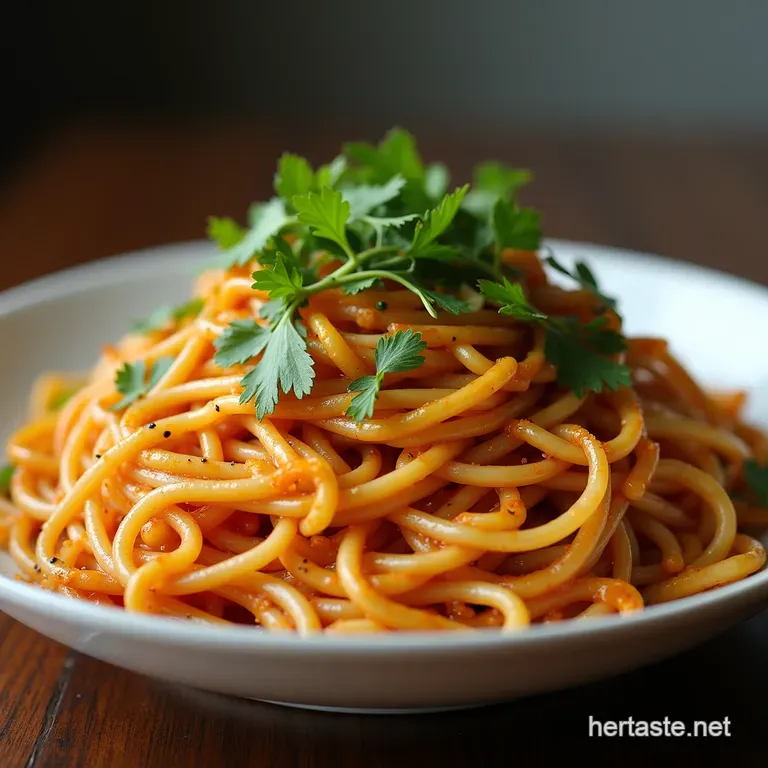
Decoding the Crave: Why These Vietnamese Garlic Noodles Reign Supreme
There are comfort foods, and then there are craving inducing comfort foods the kind that hit your brain with an immediate, primal need for that specific flavour profile. For many, that craving leads directly to Vietnamese Garlic Noodles .
This dish, known in its homeland as Mì Tỏi , is deceptively simple yet profoundly satisfying. It’s not about drowning your pasta in sauce; it’s about achieving a perfect, glossy coating where every strand of noodle is permeated with deep, resonant umami.
If you’ve ever thought homemade Asian food was too complicated, I am here to show you how this Vietnamese garlic noodles recipe dismantles that myth entirely, delivering restaurant quality flavour in under thirty minutes.
Forget the takeaway menus; this is the authentic, craveable dish you’ve been waiting for.
More Flavour Than Your Average Takeaway
What sets true Vietnamese Garlic Noodles apart from standard pan-fried noodles? It’s the intentional layering of flavour foundations. We aren't just using garlic powder; we are dedicating an entire 15 minutes to mincing, frying, and coaxing sweetness out of ten full cloves of fresh garlic.
The backbone relies heavily on high-quality fish sauce and rich oyster sauce, creating that signature savoury depth that defines excellent Vietnamese cuisine. This results in Homemade Garlic Noodles that are simultaneously sweet, deeply salty, and punctuated by sharp, fresh herbs.
A Quick Fix: Minimal Kitchen Time, Maximum Impact
One of the best aspects of mastering the Vietnamese Noodles Recipe is its speed. With only about 15 minutes of active prep time mostly spent chopping and a mere 10 minutes on the hob, this lands squarely in the "Quick Asian Noodles" category.
This speed makes it the perfect weeknight powerhouse when you need something fulfilling without committing hours to the stove.
Essential Pre-Game Prep for Success
Success with this Easy Vietnamese Noodles dish hinges on organization, given the fast cooking time. Before you even turn on the burner, your noodles should be ready to cook, your sauce whisked, and your herbs chopped.
This "mise en place" ensures that once the fragrant garlic hits the oil, you can move seamlessly through the remaining steps without pausing, preventing any single element from burning or overcooking.
Assembling Your Powerhouse Components for Mì Tỏi
To create true Vietnamese Garlic Noodles with Shrimp (or any protein variant), you must respect the role each ingredient plays. We are building layers here: the starch of the noodles, the pungent base of the garlic oil, the salty sweet binding agents of the sauce, and the cooling freshness of the herbs.
Ensure you have everything measured out before starting the actual cooking process to maintain that confident, smooth workflow.
Related Recipes Worth Trying
- Easy Buttery Garlic Noodles Better Than Takeout Flavor — Master the ultimate easy buttery garlic noodles with this foolproof recipe Achieve a glossy clinging sauce faster than delivery
- Ultimate Garlic Butter Mushrooms Recipe with Fresh Thyme — Forget soggy sides This easy garlic butter roasted mushrooms recipe gives you deeply savoury perfectly seared fungi every time The perfect accompaniment for...
- FiveMinute Fiery Garlic Snap Peas Recipe Quick Side — Tired of soggy greens Learn the trick to cooking sugar snap peas so they stay wonderfully crisp with this lightningfast fiery garlic and ginger sauté...
The Golden Sauce: Mastering the Umami Base
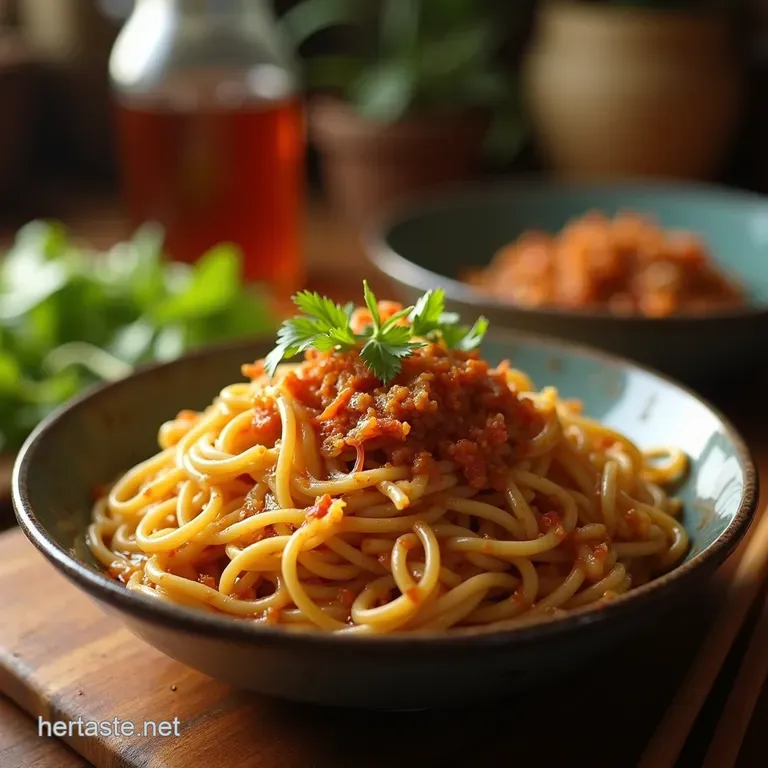
The Garlic Noodle Sauce Recipe is the secret heart of this entire operation. It’s a vibrant, concentrated mixture designed to cling beautifully to the cooked strands, providing that addictive, glossy finish.
We’ll combine robust flavour elements like fish sauce and oyster sauce with brown sugar for necessary sweetness and rice vinegar for a bright counterpoint.
Noodle Selection: Choosing the Right Carrier
For authentic texture, many cooks reach for dried egg noodles, which offer a satisfying chewiness. However, if you are looking for a quick substitute, good quality ramen blocks (without the flavour packet, naturally) or even linguine can stand in admirably.
The key is achieving that perfect al dente texture bouncy, but not mushy as they will cook slightly more when tossed in the hot pan.
The Garlic Load: Quantity and Preparation Secrets
When making Asian Garlic Noodles , you must be generous with your garlic; we are using ten cloves, minced very finely. This intense flavour infusion is what makes the dish, but it requires careful handling. You are aiming for fragrant sweetness, not bitterness.
If the garlic burns, the entire batch will taste acrid, so monitoring the heat during this critical stage is paramount.
Beyond Chicken and Beans: Crucial Fresh Herb Additions
While you can certainly load these up with protein, the defining fresh elements of this Vietnamese Noodles Recipe are cilantro and green onions. These are added right at the very end.
They provide a cool, vegetal snap that cuts through the richness of the garlic butter and sauce, ensuring the dish remains bright and exciting rather than heavy.
Essential Hardware: Tools for Truly Sticky Noodles
A large, heavy bottomed skillet or a wok is your best friend here. You need surface area and heat retention to toss everything vigorously without the temperature dropping too low. A reliable whisk is essential for quickly dissolving the sugar into the Garlic Noodle Sauce Recipe components prior to cooking.
The step-by-step Alchemy of Vietnamese Garlic Noodles
Once your ingredients are prepped, the cooking process is a rapid fire dance. The objective is to create an aromatic oil base, marry that oil with the concentrated sauce, and then quickly emulsify everything onto the cooked noodles using starch water and butter.
Blanching Perfection: Cooking Your Noodles Just Right
Boil your chosen noodles until they are just shy of fully cooked think firm to the bite. Drain them immediately and rinse them quickly under cool water to halt the cooking process.
Crucially, reserve about half a cup of that starchy cooking water; this liquid gold is what will transform your sauce from thin to glossy coating later on.
Sizzling Symphony: Infusing Oil with Aromatic Gold
In your wok or skillet, warm your neutral oil over medium heat. If you are adding crispy shallots for garnish, fry them now until golden, remove them, and keep that flavour infused oil in the pan. Next, introduce your finely minced garlic.
Sauté gently, stirring constantly, until it is fragrant and just beginning to turn pale gold about 90 seconds. Do not allow the garlic to brown.
The Critical Sauce Marriage: Binding Flavour to Strands
While the garlic gently perfumes the oil, have your pre-whisked sauce ready. Pour the liquid mixture into the skillet with the garlic. Let it bubble for just a minute until you see it thicken slightly. Immediately add the cooked noodles, the reserved butter, and a quarter cup of your starchy noodle water.
Toss aggressively over medium heat. The starch, butter, and sauce will bind together into a beautiful, sticky lacquer that coats every strand perfectly.
Garnishing for Glory: The Final Plating Ritual
Remove the pan from the heat. Stir in half of your fresh cilantro and the green parts of your scallions. Taste for final seasoning adjustments. Divide the Vietnamese Garlic Noodles immediately into bowls, ensuring the sticky sauce is distributed evenly.
The final flourish involves topping generously with those reserved crispy shallots and the remaining fresh herbs for textural contrast and visual appeal.
Elevating Your Bowl: Tips, Tricks, and Delicious Twists
While the core recipe is phenomenal, slight adjustments can tailor this dish perfectly to your palate or circumstances. Remember, the goal is always maximum flavour extraction.
Bean and Turkey Enhancements: Making it a Full Meal
To transform this side dish into a hearty main course, consider adding lean protein during the final toss. Pre-cooked, shredded turkey breast works beautifully, absorbing the sauce without requiring extra cooking time.
Alternatively, adding lightly blanched green beans or snap peas along with the noodles introduces welcome freshness and fibre to these Quick Asian Noodles .
Troubleshooting Sticky Noodles: Fixes for Common Errors
If your noodles feel dry when tossing, it means the sauce is too concentrated. This is where your reserved noodle water shines; slowly add it, one tablespoon at a time, while tossing over low heat until the desired glossy coating is achieved.
If the sauce seems too thin, let it simmer uncovered for an extra minute before adding the noodles to allow a slight reduction.
Keeping the Heat: Adjusting Chilli Intensity Safely
For those who prefer significant heat in their Vietnamese Garlic Noodles , incorporating fresh minced bird’s eye chilli alongside the raw garlic in Step 4 will provide an intense, deep burn.
If you prefer a cleaner, brighter heat that hits the back of the palate, stir in a teaspoon of Sriracha or Sambal Oelek directly into your pre-mixed Garlic Noodle Sauce Recipe instead.
Fridge Life: How Long These Flavours Last
While these Homemade Garlic Noodles are best eaten moments after they are made, leftovers store surprisingly well. Place cooled leftovers in an airtight container in the refrigerator for up to three days.
When reheating, add a small splash of water or stock and toss over medium heat; the steam helps re-moisten the sauce, reviving that signature stickiness.
Recipe FAQs
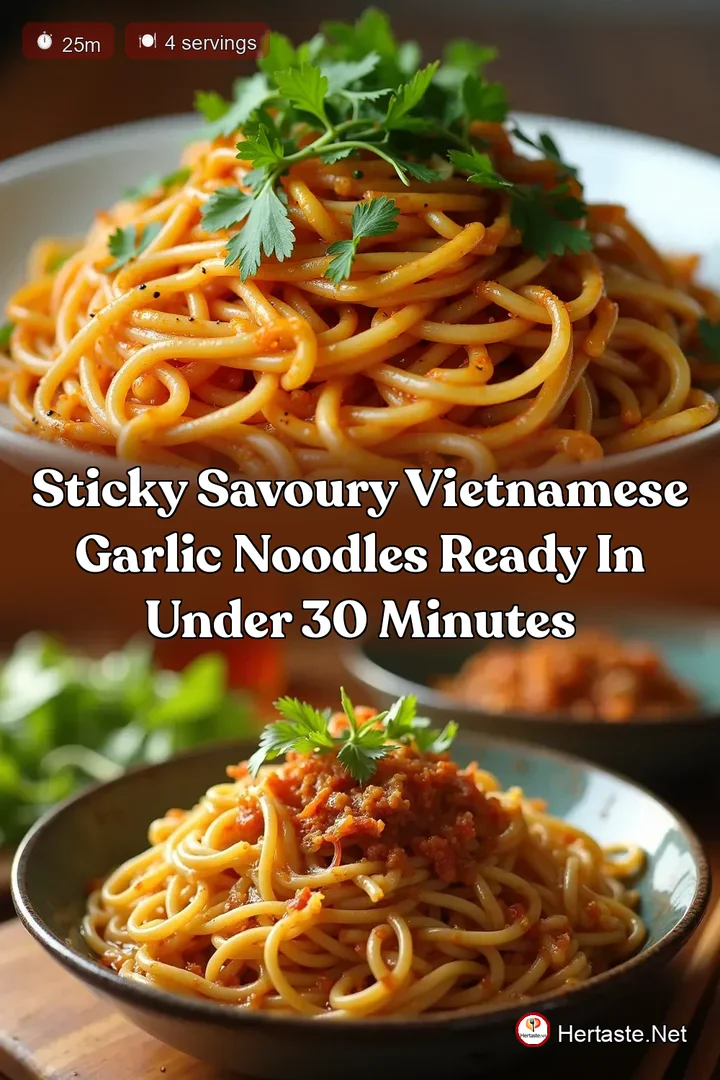
Why is my Vietnamese Garlic Noodles sauce a bit thin, not sticky and glossy like in the pictures?
That's usually down to a couple of things! Firstly, ensure you've used enough butter at the end, as the fat helps create that sheen. Most importantly, you must use some of the starchy water leftover from boiling the noodles; this water acts as an emulsifier, helping the sauce cling beautifully to every strand.
If you skip that, the sauce will just run off!
I'm nervous about using that much garlic will the flavour overpower everything?
Don't let the quantity put you off; it's a Vietnamese Garlic Noodle recipe, after all, so garlic is the star! The key is how you cook it: sauté it gently over low heat until fragrant and pale gold, not browned.
Browning makes it bitter; slow cooking makes it sweet and deeply aromatic, blending perfectly with the fish sauce.
Can I make these ahead of time, or do they have to be eaten straight away?
While leftovers are fine for a quick lunch the next day, these noodles are definitely best eaten immediately after tossing. As they cool, the sauce can congeal slightly and the noodles can absorb too much liquid, losing that desirable springiness.
If you must reheat them, add a small splash of water or chicken stock before microwaving gently to loosen everything up.
What's the best substitute if I can't get hold of oyster sauce for the Vietnamese Garlic Noodles sauce?
Oyster sauce brings a lovely depth and slight sweetness, but if you're out or cooking vegetarian, a good substitute is vegetarian mushroom sauce, which does a surprisingly similar job. Alternatively, use an extra tablespoon of soy sauce mixed with a tiny pinch of sugar to try and mimic that savoury richness.
I like heat! How can I make this recipe spicier without ruining the authentic flavour profile?
If you enjoy a proper kick the sort that makes you reach for a cooling beverage you have a couple of options. You can whisk a teaspoon of Sambal Oelek or Sriracha right into the main sauce mixture as directed.
For a fresher, sharper heat, thinly slice a Thai bird's eye chilli and sauté it briefly with the garlic.
Which type of noodles should I use? Can I use spaghetti if I have nothing else in the pantry?
Ideally, you want dried egg noodles, sometimes labelled as 'chow mein' noodles, as they have the perfect chewiness. If you're in a pinch, plain dried spaghetti or linguine will absolutely work as a substitute, though the texture won't be quite as authentic.
Just ensure you cook them slightly under time to keep them 'al dente' before tossing them in that flavour bomb sauce!
Sticky Vietnamese Garlic Noodles
Ingredients:
Instructions:
Nutrition Facts:
| Calories | 1711 kcal |
|---|---|
| Protein | 23.5 g |
| Fat | 28.1 g |
| Carbs | 77.7 g |
| Fiber | 16.6 g |
| Sodium | 4409 mg |
