The Vicars Tea Loaf Sticky Fig Date Nut Bread
- Capturing Comfort: Why This Sticky Fig Date Nut Bread Loaf is a Culinary Hug
- Essential Provisions: Gathering Your Pantry Staples
- Preparing the Fig Date Nut Bread Foundation
- From Bowl to Oven: The Step-by-Step Baking Blueprint
- Testing Doneness and The Crucial Cooling Process
- Troubleshooting and Expert Baker's Tips
- Variations, Storage, and Serving the Ultimate Fig Date Nut Bread
- Recipe FAQs
- 📝 Recipe Card
Capturing Comfort: Why This Sticky Fig Date Nut Bread Loaf is a Culinary Hug
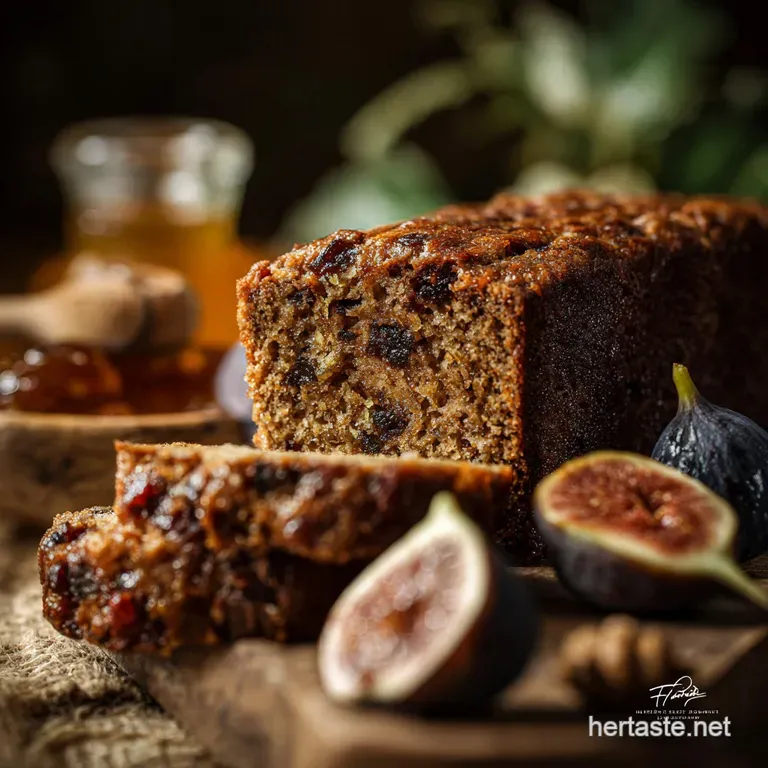
There are few aromas more comforting than a classic quick bread cooling on a wire rack, and this Fig Date Nut Bread is the epitome of wholesome kitchen bliss. As a chef, I find that the simplest recipes, like this deeply flavoured loaf, are often the most satisfying.
Unlike lighter cakes, this bake boasts a dense, sticky crumb achieved not through excessive fat, but through the natural sweetness and caramelisation of dried fruit. It’s wonderfully spiced, incredibly moist, and manages to feel both rustic and elegantly delicious, making it the perfect companion for a quiet morning coffee or an afternoon tea.
The History and Charm of the Vicar's Tea Loaf
This particular recipe for Date Nut Bread is often affectionately known as "The Vicar's Tea Loaf" in British tradition. Historically, these simple, wholesome bakes were designed to be economical, utilizing long lasting pantry staples like dried fruit and nuts, and robust enough to be stored for a few days.
The combination of figs and dates yields a rich, dark sweetness that contrasts beautifully with a strong cup of tea, fitting perfectly into the gentle ritual of an afternoon repast. This blend of simple ingredients creating such depth of flavour is a testament to timeless Sweet Bread Recipes .
Defining the Difference: Quick Bread vs. Traditional Yeast Loaf
When we talk about this specific Fig Bread , we are dealing with a quick bread. The distinction is essential: a quick bread, as its name suggests, is leavened chemically using baking powder and baking soda, rather than biologically with yeast.
This eliminates the time consuming processes of kneading and proving, simplifying the entire experience and allowing us to move from measuring ingredients to the oven in under half an hour.
This ensures that even novice bakers can confidently achieve a dense, tender, and successful bake without worrying about gluten development.
The Magic of Scalding: Achieving Ultimate Moistness and Tenderness
The secret to this loaf’s exceptional, almost pudding like texture lies in a specific, non-negotiable step: scalding the dried fruit. When boiling water and a touch of baking soda are poured over the chopped figs and dates, a chemical reaction occurs.
The heat and alkalinity cause the fruit to rapidly soften, swell, and release their sugars. This process effectively pre-dissolves the fruit, creating a thick, intensely flavourful, syrupy base that distributes moisture evenly throughout the batter.
Skipping this step results in hard, dry fruit, but performing this technique ensures the final Fig Date Nut Bread is consistently sticky and tender.
Essential Provisions: Gathering Your Pantry Staples
One of the great joys of baking this fig and date nut bread recipe is that the required ingredients are mostly straightforward pantry staples. Beyond the essential dried Black Mission Figs and Pitted Medjool Dates, you’ll need standard all-purpose flour, a leavening duo of baking powder and baking soda, and a touch of fine sea salt to balance the intense sweetness.
Crucially, we rely on light brown sugar for its molasses content, which is key for moisture retention, and unsalted butter for richness. Don’t overlook the aromatic lift provided by good quality vanilla, ground cinnamon, and freshly grated nutmeg these spices transform the simple batter into a deeply aromatic Dessert Bread .
Preparing the Fig Date Nut Bread Foundation
Preparation is the bedrock of any successful bake, and dedicating time to foundational steps ensures a superior outcome before the batter even touches the pan.
Choosing the Perfect Dried Figs and Dates for Baking
For maximum flavour and moisture, selecting the right fruit is paramount. I highly recommend using Black Mission Figs for their deep, earthy sweetness and Medjool Dates for their soft, yielding texture and notes of caramel. Ensure both are finely chopped before use.
If your dried fruit has been sitting in the pantry for a while and feels stiff, a little extra attention during the scalding stage will soften them up, guaranteeing a supremely tender crumb in your final loaf.
Flavor Anchors: Nuts and Spices That Elevate the Taste
While the fruit provides the sweetness, the nuts and spices provide the necessary structural contrast and warmth. Walnuts are a traditional choice for date fig walnut bread , offering a pleasant bitterness that cuts through the fruit’s richness. Alternatively, pecans provide a buttery note.
Whichever you choose, ensure they are roughly chopped not pulverized to provide satisfying pockets of crunch. The classic combination of cinnamon and nutmeg provides that comforting, autumnal fragrance that defines the character of many great Nut Bread recipes.
Must Have Baking Tools for Quick Bread Success
To make the assembly seamless, ensure you have the right equipment ready. A standard 9x5 inch loaf pan is essential. A simple baker’s trick is to use a strip of parchment paper as a "sling," lining the bottom and long sides, which allows for effortless lifting of the sticky loaf after cooling.
You will also need two medium mixing bowls: one for the dry ingredients and one small heatproof bowl dedicated solely to the crucial fruit soak.
Scalding the Fruit: Maximizing Softness and Caramel Notes
To execute the scalding technique, combine your chopped figs and dates with the teaspoon of baking soda in the heatproof bowl. Pour exactly one cup of freshly boiling water over the mixture. Stir gently and then walk away.
The minimum soaking time is 30 minutes, which allows the mixture to cool significantly and the fruit to fully plump. This results in a thick, dark, and wonderfully syrupy paste the very core of your moist Fig Recipes outcome.
Sifting Secrets for a Light, Airy Crumb
Despite its dense flavour profile, we want the crumb of this Fig Date Nut Bread to remain light and tender. To achieve this, take the time to sift your all-purpose flour, baking powder, and spices together.
Sifting aerates the flour, prevents clumps from forming, and ensures that the leavening agents are perfectly distributed, leading to a more even rise and a delightful texture in the finished loaf.
Related Recipes Worth Trying
- The Ultimate Sweet Potato Pound Cake with Nutty Brown Butter Glaze — The best Sweet Potato Pound Cake recipe from scratch Rich incredibly moist and perfectly spiced topped with a nutty brown butter glaze A proper showstopper...
- Cloud Nine MeltintheMouth Whipped Chocolate Chip Shortbread — This classic Whipped Chocolate Chip Shortbread Cookie recipe guarantees a crumb so light it melts on your tongue The secret is the extended whipping step...
- Best Scottish Shortbread Recipe Crumbly Buttery Foolproof — Achieve meltinyourmouth perfection with this traditional Scottish Shortbread Recipe High butter ratio guarantees a gorgeous sandy crumb that melts instantly...
From Bowl to Oven: The step-by-step Baking Blueprint
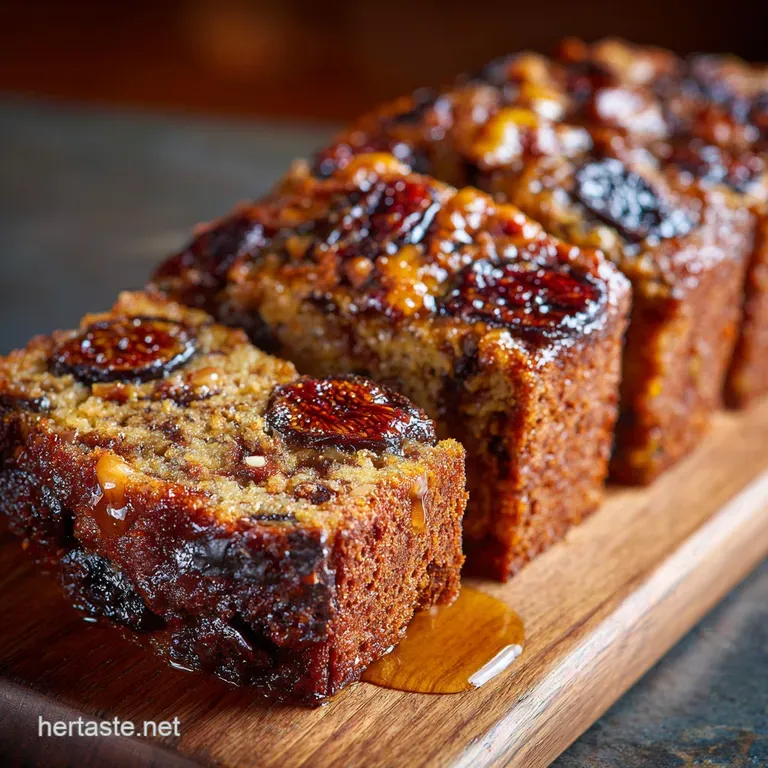
The final assembly follows the classic quick bread method: combine the pre-prepared dry components with the wet ones, fold in the foundational fruit base, and bake. Once the dry ingredients are sifted, create a well in the centre. Into this well, pour the cooled melted butter, beaten eggs, and vanilla.
The goal here is swift, gentle incorporation avoid overworking the batter at all costs. Once the wet ingredients are just combined, gently scrape the entirety of the cooled fruit soak including all the liquid into the bowl, followed by the chopped nuts.
Testing Doneness and The Crucial Cooling Process
Knowing when to pull your loaf from the oven is just as important as the mixing technique itself, and proper cooling is non-negotiable for the best texture.
Combining Wet and Dry: The Gentle Mixing Technique
The key to a tender Date Nut Bread is minimalist mixing. Once the liquid is introduced, stir the batter using a rubber spatula just until the last streaks of flour disappear. Overmixing activates the gluten in the flour, resulting in a tough, rubbery loaf.
The final batter will be thick, lumpy, and slightly sloppy due to the syrupy fruit mixture, which is exactly what we want.
Preparing the Loaf Tin for a Non-Stick Release
The density and stickiness of this batter mean that a simple greasing might not suffice. Generously grease the 9x5 inch pan, then lay in the parchment sling, allowing the paper to overhang the long sides.
This provides handles that let you lift the heavy, sticky loaf cleanly from the tin after the initial cool down period.
Oven Temperature and Rack Positioning Explained
Preheat your oven to 350° F ( 175° C) and ensure the rack is positioned in the middle of the oven. This placement allows for optimal heat circulation, ensuring the bottom of the loaf cooks thoroughly without burning, while the top achieves a beautiful, golden brown colour.
The Toothpick Test: How to Know When It’s Truly Ready
After the initial 55 minutes, insert a long wooden skewer or toothpick deep into the centre of the loaf. For quick breads, you are looking for the skewer to emerge clean, or with a few moist, sticky crumbs clinging to it not wet batter.
If you see liquid batter, continue baking in five minute increments. Remember, because of the high fruit content, the loaf will feel heavy and sticky even when fully baked.
Achieving the Perfect Golden Crust: A Baker’s Trick
If you notice your loaf’s crust darkening too rapidly typically around the 40-minute mark but the centre still requires time, simply tear off a piece of aluminium foil and loosely tent it over the pan.
This ingenious trick reflects the heat away from the surface, preventing burning while allowing the interior to finish baking perfectly.
Troubleshooting and Expert Baker's Tips
Successful baking often comes down to attention to small details that differentiate a good loaf from a great one. Don't underestimate the power of preparation. My first expert tip is always to toast your nuts before adding them to the batter; spreading the chopped walnuts or pecans on a sheet pan and toasting them lightly for 8– 10 minutes adds a deep, irreplaceable roasted dimension that makes the fig and date nut bread recipe shine.
On top of that,, always use brown sugar over white sugar here. The molasses in the brown sugar actively traps and holds moisture, ensuring the loaf stays soft and fresh for days. Finally, do not skip that fruit soak it is the single biggest difference between a dry Nut Bread and a moist one.
Variations, Storage, and Serving the Ultimate Fig Date Nut Bread
This versatile Fig Date Nut Bread is fantastic on its own, but its presentation and longevity can be easily optimized.
Preventing a Soggy Bottom or Sunken Center
A common issue in quick bread is a soggy bottom, usually caused by trapping steam. To prevent this, never leave the loaf to cool completely in the tin. Remove it using the parchment sling after the crucial 15-minute cooling period, and immediately transfer it to a wire rack.
A sunken center is often a sign of either overmixing or opening the oven door too early, causing the delicate structure to collapse before the centre is set.
Time Saving Prep: Can I Make the Batter Ahead?
While you can efficiently prep the fruit soak and toast the nuts a day ahead, I strongly advise against mixing the full batter. Once the liquid hits the baking powder and soda, the leavening process begins.
If the batter rests too long, you risk losing the chemical lift, resulting in a dense, heavy brick instead of a light Sweet Bread Recipes loaf.
Pairing Suggestions: What to Serve with This Sticky Loaf
This deeply satisfying Dessert Bread pairs wonderfully with contrasting textures and flavours. For a classic approach, serve slices warmed with thick, unsalted butter, or the quintessential English treat: clotted cream.
For a truly sophisticated pairing that elevates the Fig Bread to a higher level, try slicing it thinly and serving it alongside sharp, mature cheese like an Extra Mature Cheddar or a salty Blue Stilton.
dairy-free and gluten-free Swaps
The beauty of this recipe is its adaptability. To make it dairy-free, simply substitute the unsalted butter with an equal volume of a neutral tasting oil, such as canola or sunflower oil.
For a gluten-free adaptation, utilize a high-quality, cup-for-cup gluten-free baking blend that already contains xanthan gum to mimic the structure provided by traditional wheat flour.
Longevity: Freezing and Refrigerating Instructions
Store the completely cooled loaf, wrapped tightly in plastic wrap or foil, inside an airtight container at room temperature for up to four days. If you wish to freeze it, slice the loaf first, wrap individual slices tightly, and place them in a freezer bag. This allows you to pull out single servings as needed.
Frozen Fig Date Nut Bread maintains its quality for up to three months.
Culinary FAQs: Answering Common Reader Questions
A frequent question regarding Fig Recipes is whether fresh fruit can be used. The answer is generally no; fresh figs and dates contain far too much water and will prevent the bread from setting properly.
Another common query is about the baking soda in the soak as mentioned, the alkalinity helps break down the dried fruit fibers, creating the superior sticky texture we desire in this glorious date fig walnut bread .

Recipe FAQs
I've never scalded fruit before; is that step really necessary for this loaf?
Absolutely essential! The soaking (or "scalding") of the dried fruit with boiling water and bicarbonate of soda is the secret sauce here. It immediately starts to break down the fruit’s structure, ensuring that the dates and figs become wonderfully soft and sticky, not hard or chewy, once baked.
It’s the simplest way to guarantee that wonderfully moist, almost treacle like texture that truly sets this tea loaf apart it's paramount for a successful bake that pairs beautifully with a proper cuppa.
How long will this lovely Fig Date Nut Bread stay fresh, and should I keep it in the fridge?
If kept wrapped tightly parchment followed by foil, or sealed in a cake tin this loaf will stay delightfully fresh for up to 4 or 5 days at room temperature.
There's generally no need for the fridge, as the moisture from the fruit keeps it soft. For longer storage, this bread freezes beautifully; slice it, wrap the pieces individually, and thaw them as needed for a spontaneous afternoon treat!
My loaf is browning way too fast on top in the oven. Help!
That's a classic quick bread woe, often caused by the oven running a bit hotter than expected. If the top turns dark mahogany before the skewer test proves the centre is done, you need a little shield.
Simply fashion a small ‘hat’ or tent out of aluminium foil and place it loosely over the loaf for the remaining baking time a handy baker’s trick to reflect the heat and ensure even cooking right to the middle.
I don't have figs on hand can I swap them out, or will it ruin the recipe?
You can certainly swap them out; baking should be adaptable! While figs lend a specific earthiness, you can replace them with an equal quantity (by weight) of dried apricots, raisins, or even dried cherries for a tart contrast.
Just bear in mind the flavour profile will change slightly, so if you use something tart, you might consider adding a tiny extra pinch of spice or a dash of orange zest to complement the new fruit choice.
This bread is sticky with dates and figs; is it basically cake, or does it offer any goodness?
It’s certainly a comforting treat, but we wouldn’t call it just cake! Because this recipe relies heavily on whole dried fruit, it naturally contains a substantial amount of beneficial dietary fibre and less refined sugar than many conventional bakes.
It is definitely on the more robust, wholesome side of baked goods, providing slow release energy thanks to the nuts and natural fruit sugars, making it a perfectly acceptable and delicious way to start the day.
Sticky Fig Date Nut Loaf
Ingredients:
Instructions:
Nutrition Facts:
| Calories | 656 kcal |
|---|---|
| Protein | 4.9 g |
| Fat | 20.3 g |
| Carbs | 52.0 g |
| Fiber | 10.4 g |
| Sodium | 6806 mg |
