Delicious Sticky Chicken Rice Bowls Recipe
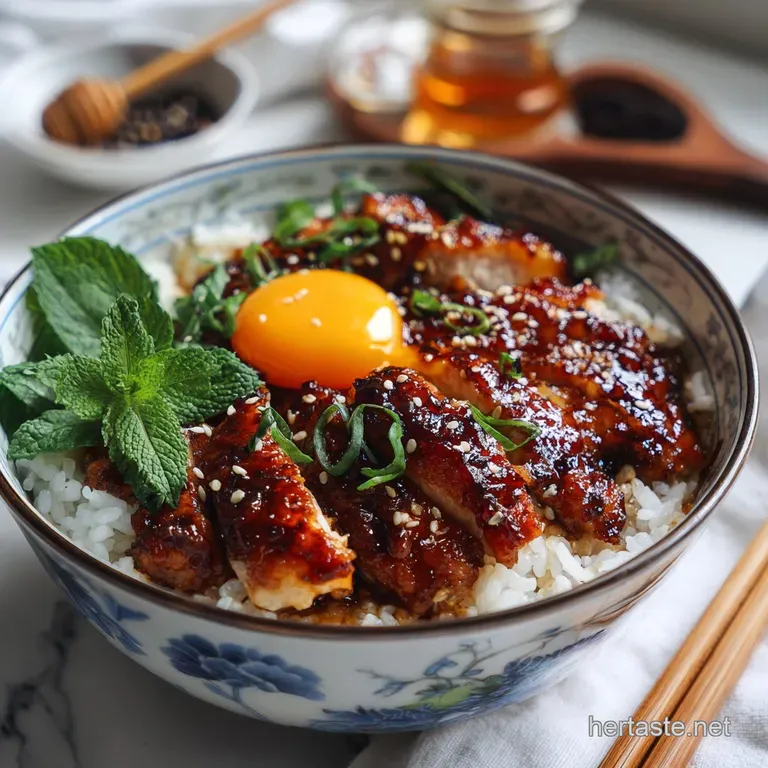
- Time: Active 15 minutes, Passive 20 minutes, Total 35 minutes
- Flavor/Texture Hook: Glossy, velvet soft chicken with a sweet and savory snap
- Perfect for: Busy weeknights, high protein meal prep, or beginner cooks
- Logic Behind This Quick Meal
- Timing and Essential Recipe Specs
- Analysis of the Key Components
- Tools for a Busy Kitchen
- Steps for Searing and Glazing
- Fixing Flavor and Texture Mishaps
- Swaps for Variety and Diet
- Adjusting Portions for Every Crowd
- Debunking Common Kitchen Myths
- Keeping Your Leftovers Fresh
- Serving Tips for Family Dinners
- High in Sodium
- Recipe FAQs
- 📝 Recipe Card
You know those nights when you’re staring at a pack of chicken breasts and the thought of another boring meal makes you want to order takeout? I’ve been there more times than I can count.
This recipe is my personal solution to that "dinner dread." It’s fast, it’s punchy, and it hits that perfect fusion of sweet honey and salty soy that feels like a total indulgence without the delivery fee.
The magic here isn't in a long marinade or fancy tools. Honestly, who has time for that on a Tuesday? It’s about a few smart shortcuts that maximize flavor in the shortest window possible. We’re talking about chicken that actually stays juicy and a sauce that clings to the rice like a dream.
I once made the mistake of crowding the pan and ended up with gray, steamed meat instead of those beautiful golden edges. I learned the hard way so you don't have to. We’re going to focus on heat management and simple assembly to get this on your table in under 40 minutes.
Trust me, once you see that sauce start to bubble and turn into a dark mahogany glaze, you’ll never go back to the bottled stuff.
Logic Behind This Quick Meal
There is actual physics happening in your skillet that transforms these basic ingredients into something spectacular. It isn't just luck; it's a combination of temperature control and chemistry that ensures the chicken doesn't turn into rubber while the sauce thickens.
- Maillard Reaction: High heat triggers a chemical reaction between amino acids and reducing sugars, creating that savory "browned" flavor and crispy crust on the chicken cubes.
- Starch Gelatinization: The cornstarch coating absorbs moisture and swells when heated, creating a protective barrier that keeps the interior meat velvety while thickening the sauce.
- Emulsification Stability: Whisking the toasted sesame oil and honey into the soy sauce creates a stable suspension that coats the chicken evenly without separating into a greasy mess.
| Method | Time | Texture | Best For |
|---|---|---|---|
| Stovetop Skillet | 20 minutes | Crispy edges, glossy sauce | Quick weeknight dinner |
| Air Fryer | 15 minutes | Maximum crunch, less oil | Healthy meal prep |
| Slow Cooker | 4 hours | Shredded, very tender | Set it and forget it days |
Using a stovetop skillet is usually my go to because I love the control it gives me over the sauce reduction. If you find yourself in a rush, the air fryer is a solid backup, though you'll miss out on that specific pan seared char that makes a Delicious Sticky Chicken Rice Bowls Recipe stand out.
| Ingredient | Science Role | Pro Secret |
|---|---|---|
| Cornstarch | Moisture Barrier | Pat chicken dry first to ensure the starch sticks rather than clumps. |
| Raw Honey | Caramelization Agent | Add it toward the end of the whisking process to prevent early burning in the pan. |
| Rice Vinegar | Acidic Balance | Cuts through the heavy sugar and salt to brighten the overall flavor profile. |
Timing and Essential Recipe Specs
When you're juggling a busy schedule, knowing exactly how long you'll be standing at the stove is a lifesaver. This recipe is designed to be efficient, moving from the cutting board to the bowl with zero wasted motion. I've timed this down to the second in my own kitchen to make sure it's repeatable for you.
You'll need about 15 minutes for the prep mostly dicing the chicken and grating the ginger and exactly 20 minutes of cook time. The rice usually takes about the same amount of time to steam, so if you start your rice cooker first, everything should finish at the exact same moment.
| Servings | Chicken Amount | Rice Quantity | Pan Size |
|---|---|---|---|
| 2 People | 0.75 lbs | 1.5 cups | 10 inch skillet |
| 4 People | 1.5 lbs | 3 cups | 12 inch skillet |
| 8 People | 3 lbs | 6 cups | Two 12 inch skillets |
Cooking for a larger crowd requires working in batches. If you try to throw 3 lbs of chicken into one pan, the temperature will drop too fast, and you'll lose that "shatter" texture we're aiming for. Stick to the 1.5 lb limit per pan for the best results.
Analysis of the Key Components
Let’s talk about what’s actually going into your bowl. I'm a firm believer that the quality of your aromatics determines the depth of the final dish. While you can use dried spices in a pinch, fresh ginger and garlic are the heavy lifters here.
- 1.5 lbs chicken breast: Cut these into uniform 1 inch cubes so they cook at the same rate. Why this? Lean protein that absorbs the glaze perfectly without adding excess rendered fat.
- 2 tbsp cornstarch: This is your secret to the "sticky" factor. Why this? Creates a thin, crispy shell and acts as the primary thickener for the sauce.
- 0.25 cup low sodium soy sauce: Provides the salty umami base. Why this? Gives you control over the salt levels; full sodium soy can become too salty once reduced.
- 3 tbsp raw honey: The primary sweetener and thickener. Why this? Honey has a lower burning point than granulated sugar, creating a better glaze.
- 1 tbsp fresh ginger, grated: The "zing" that keeps the dish from feeling too heavy. Why this? Adds a spicy, fresh heat that dried ginger simply cannot replicate.
| Original Ingredient | Substitute | Why It Works |
|---|---|---|
| Chicken Breast | Boneless Thighs | Higher fat content. Note: Richer flavor but requires 3-4 mins extra cook time. |
| Raw Honey | Maple Syrup | Similar viscosity. Note: Adds a distinct woody sweetness; great for fusion bowls. |
| Avocado Oil | Grapeseed Oil | High smoke point. Note: Neutral flavor that won't interfere with the sesame notes. |
If you are looking for a different vibe, you could even try the flavor profile from my Greek Chicken Gyro recipe by swapping the soy for lemon and oregano, though you'll lose that signature "sticky" Asian inspired texture.
Tools for a Busy Kitchen
I am a minimalist when it comes to gear. You don't need a high end wok to make this Delicious Sticky Chicken Rice Bowls Recipe work perfectly. A heavy bottomed skillet is your best friend here because it holds heat well, which is essential for that initial sear.
Chef Tip: Use a Microplane for both the garlic and the ginger. It turns them into a paste almost instantly, ensuring they melt into the sauce rather than leaving you with chunky bits of raw garlic.
A simple stainless steel or cast iron skillet works wonders. If you use non stick, just be careful not to crank the heat to the absolute max, as it can damage the coating. A whisk and a set of tongs are really all you need to finish the job.
Steps for Searing and Glazing
The key to success is having everything ready before you turn on the stove. This is a fast moving process, and the sauce can go from "perfectly thickened" to "burnt" in about sixty seconds if you aren't paying attention.
1. Prepping for Success
Toss your 1.5 lbs chicken breast cubes with 2 tbsp cornstarch, 0.5 tsp sea salt, and 0.5 tsp black pepper in a bowl. Ensure every piece is dusted evenly. Note: This coating is what creates the crispy exterior.
2. Searing for Texture
Heat 2 tbsp avocado oil in a large skillet over medium high heat until it shimmers. Add the chicken in a single layer and cook for 5-7 minutes until golden and crackling on all sides.
3. Mixing the Glaze
While the chicken sears, whisk together 0.25 cup low sodium soy sauce, 3 tbsp raw honey, 1 tbsp rice vinegar, 1 tbsp fresh ginger, 3 cloves minced garlic, 1 tsp toasted sesame oil, and 1 tsp sriracha.
4. Simmer the Sauce
Pour the sauce mixture directly into the skillet with the chicken. Reduce the heat to medium and stir constantly for 2-3 minutes until the liquid bubbles and turns into a thick, glossy glaze.
5. Finishing with Finesse
Toss in 1 cup steamed broccoli florets during the last minute of simmering just to coat them in the sauce. Note: This keeps the broccoli vibrant and crisp.
6. Assembling the Ultimate Bowl
Divide 3 cups cooked jasmine rice into four bowls. Top with a generous portion of the sticky chicken and broccoli.
7. Final Garnishes
Sprinkle 0.25 cup sliced spring onions and 1 tbsp toasted sesame seeds over each bowl. Serve immediately while the glaze is still tacky and warm.
Fixing Flavor and Texture Mishaps
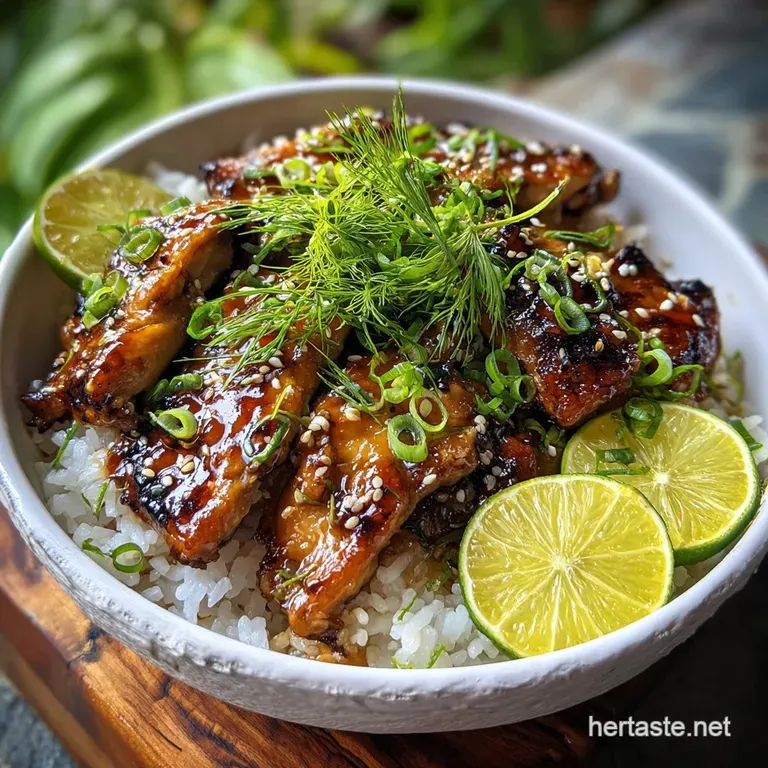
Even the best of us run into trouble sometimes. The most common issue I see with any sticky chicken rice bowl is a sauce that refuses to thicken or chicken that feels like chewing on a pencil eraser.
Avoiding Rubbery Chicken Texture
If your chicken feels tough, you likely overcooked it before adding the sauce. The carryover heat from the sauce reduction will finish the cooking process. Pull the chicken when it's just barely opaque in the center; the final 3 minutes in the glaze will bring it to the perfect internal temperature of 165°F.
Thickening a Runny Glaze Base
Sometimes the honey or soy sauce you're using might have a higher water content. If the sauce looks like soup after 3 minutes of simmering, don't panic. Mix 1 teaspoon of cornstarch with a splash of water and whisk it into the bubbling sauce. It will tighten up almost instantly.
| Problem | Root Cause | Solution |
|---|---|---|
| Soggy Chicken | Crowded pan | Sear in two batches to allow steam to escape. |
| Burnt Garlic | Heat too high | Add the sauce/aromatics only after reducing the burner to medium. |
| Clumpy Sauce | Starch not mixed | Whisk the glaze thoroughly before adding it to the hot pan. |
Common Mistakes Checklist:
- ✓ Never skip drying the chicken with a paper towel before starching (prevents a gummy coating).
- ✓ Don't use a cold pan; the oil should ripple before the chicken hits the surface.
- ✓ Avoid stirring the chicken too much in the first 2 minutes to allow a crust to form.
- ✓ Use low sodium soy sauce to prevent the salt from becoming overwhelming as it reduces.
- ✓ Let the honey reach room temperature so it incorporates into the glaze easily.
Swaps for Variety and Diet
One of the reasons I love this recipe is how easy it is to flip the script. If you're bored of jasmine rice, or if you're trying to keep things a bit lighter, there are plenty of ways to adjust the base and the toppings.
If you are looking for a deeper, more complex sweetness, you might find inspiration in my Homemade Teriyaki Sauce recipe, which uses similar mechanics but adds a bit more depth with mirin.
Going Low Carb
For a keto friendly version, swap the jasmine rice for cauliflower rice and replace the honey with a sugar-free maple substitute or a touch of monk fruit sweetener. You'll still get that sticky finish, but with significantly fewer carbohydrates.
Adding Tropical Notes
I love throwing in a half cup of diced fresh pineapple during the sauce reduction phase. The enzymes in the pineapple help tenderize the chicken even further, and the sweetness pairs beautifully with the sriracha heat.
Adjusting Portions for Every Crowd
Scaling this recipe is fairly straightforward, but there are a few "rules of thumb" to keep the texture consistent. When you double the recipe, you don't necessarily double the salt or spices, as the concentration of flavor in the pan changes.
- Downsizing (1/2 recipe): Use a smaller 8 inch skillet to ensure the sauce doesn't evaporate too quickly. You might need to add a tablespoon of water if the glaze thickens before the chicken is cooked through.
- Upsizing (2x or more): Do not double the salt immediately. Start with 1.5x the salt and pepper, then taste the sauce at the end. Use two separate pans to ensure every piece of chicken gets that vital contact with the hot surface for searing.
Debunking Common Kitchen Myths
There are a lot of old wives' tales about cooking chicken that can actually lead to a worse meal. Let's clear up a few things so you can cook with confidence.
- Myth: Searing "seals in" juices. This is a classic one. Searing doesn't create a moisture proof barrier; it creates flavor through the Maillard reaction. Moisture is actually lost during the sear. The real secret to juicy chicken is not overcooking it past 165°F.
- Myth: You must wash chicken before cooking. Please, don't do this! Washing chicken just splashes bacteria around your sink. The heat of the pan will kill any pathogens. Just pat it dry with a paper towel and get to cooking.
- Myth: Cornstarch is the same as flour for coating. Not even close. Flour creates a bread like crust that can become soggy in a wet sauce. Cornstarch creates a thin, crisp film that holds its structure much better against a heavy glaze.
Keeping Your Leftovers Fresh
This is one of my favorite meals for prep because it actually tastes better the next day as the ginger and garlic penetrate the meat. However, there is a right way to store and reheat it so you don't end up with "rubbery leftovers syndrome."
Storage: Keep the chicken and rice in airtight containers in the fridge for up to 4 days. I prefer to store the steamed broccoli separately so it doesn't get mushy.
Freezing: You can freeze the cooked chicken in its sauce for up to 3 months. Let it thaw in the fridge overnight before reheating. I don't recommend freezing the cooked rice, as it can become grainy; it's better to make a fresh batch.
Zero Waste: Don't toss the spring onion bulbs! Put the white ends in a small jar of water on your windowsill, and they will regrow in about a week. Also, if you have leftover sauce in the pan, toss in some shredded cabbage or carrots for a quick 2 minute stir fry side the next day.
Serving Tips for Family Dinners
Presentation matters, even if it's just you on the couch with a bowl. A few quick garnishes make this feel like a $20 meal. I always recommend serving this in wide, shallow bowls rather than deep ones. This keeps the rice from getting packed down and allows the sauce to distribute evenly.
If you want to add a bit of crunch, crushed peanuts or crispy fried shallots are fantastic additions. For those who like it spicy, a few extra rings of fresh red chili can really wake up the palate.
Whatever you do, don't forget that squeeze of lime at the very end it's the secret "pop" that brings all the honey and soy together.
Right then, let's crack on! Grab your skillet and get that oil shimmering. You're about 30 minutes away from the best bowl of chicken you've had all month. Trust me on this one it's a total winner.
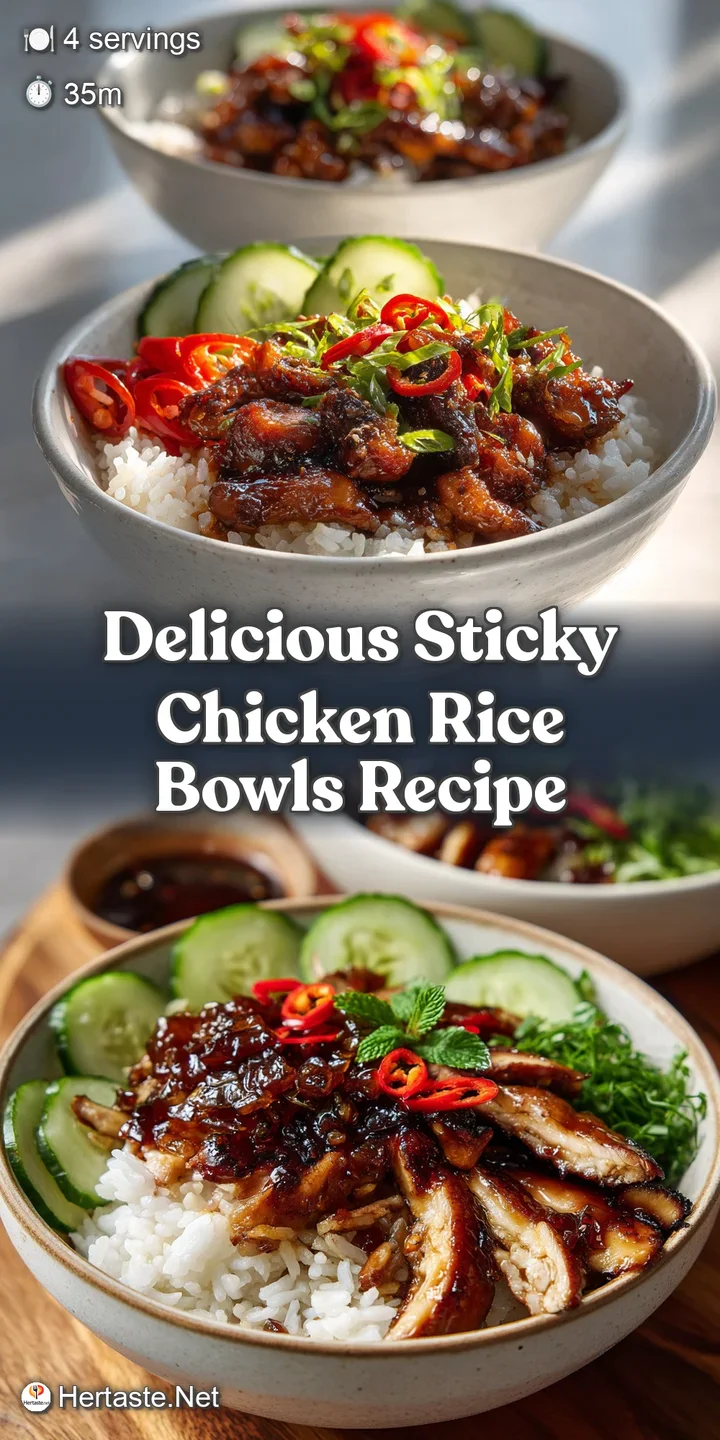
High in Sodium
1085 mg mg of sodium per serving (47% % of daily value)
The American Heart Association recommends limiting sodium intake to about 2,300mg per day.
Tips to Reduce Sodium
-
Low-Sodium Soy Sauce-25%
Replace regular soy sauce with a low-sodium or sodium free version. This simple swap can significantly cut down on the sodium content.
-
Reduce Added Salt-15%
Cut the amount of added sea salt in half, or eliminate it entirely. The other ingredients provide ample flavor. Consider using a salt substitute.
-
Control Sriracha-10%
Sriracha can contain a surprising amount of sodium. Reduce the amount used, or opt for a low-sodium hot sauce or add a pinch of red pepper flakes for heat.
-
Rinse Cooked Rice-5%
Rinsing the cooked jasmine rice after cooking can help to remove some of the excess starch and potentially some sodium if any was absorbed during cooking. Use unsalted water for cooking the rice.
-
Flavor with Herbs & Spices
Enhance the flavor with fresh herbs (like cilantro or basil) and spices (like ginger and garlic powder) to compensate for the reduced sodium. Experiment with different flavor combinations to find what you enjoy.
Recipe FAQs
What makes the chicken "sticky" in this recipe?
Cornstarch coating and a thickened glaze. The cornstarch creates a crispy exterior that holds the sauce, while the honey and soy sauce reduce to a thick, glossy glaze that clings to the chicken.
Can I use chicken thighs instead of breast?
Yes, boneless, skinless chicken thighs work well. They have a higher fat content, offering a richer flavor, but may require an extra 3-4 minutes of cooking time due to their density.
How do I prevent the chicken from becoming rubbery?
Avoid overcooking the chicken before adding the sauce. Cook it just until it's barely opaque in the center, as the residual heat in the glaze will finish the cooking process to the perfect 165°F.
My glaze isn't thickening, what should I do?
Whisk 1 teaspoon of cornstarch with a splash of water and stir it into the simmering sauce. This slurry will quickly thicken the glaze to the desired consistency without altering the flavor.
Can I prepare any components ahead of time?
Yes, the chicken can be chopped and the glaze whisked up to 24 hours in advance. This significantly cuts down on your active prep time on the day you plan to serve it.
What's the best way to reheat leftovers?
Store the chicken and rice separately in airtight containers in the fridge for up to 4 days. Reheat gently on the stovetop or in the microwave; the ginger and garlic flavors actually deepen over time.
Is it true that searing "seals in" the juices of the chicken?
No, this is a common misconception. Searing doesn't create a moisture barrier; it develops flavor through the Maillard reaction. The key to juicy chicken is simply not to overcook it beyond an internal temperature of 165°F.
Sticky Chicken Rice Bowls
Ingredients:
Instructions:
Nutrition Facts:
| Calories | 614 kcal |
|---|---|
| Protein | 56.4 g |
| Fat | 14.8 g |
| Carbs | 59.2 g |
| Fiber | 3.1 g |
| Sugar | 13.8 g |
| Sodium | 1085 mg |
