Spicy Korean Cucumber Salad (Oi Muchim): the Ultra-Crispy 30-Minute Side
- The Quintessential Banchan: Why Oi Muchim is a Must-Make
- Mastering Contrast: The Science Behind the Perfect Crunch and Spice
- Essential Components for Authentic Spicy Korean Cucumber Salad
- Crafting Your Oi Muchim: Step-by-Step Assembly Guide
- Pro Tips: Avoiding Soggy Cucumbers and Enhancing Freshness
- Storage, Longevity, and Perfect Pairings for Your Spicy Korean Cucumber Salad
- Recipe FAQs
- 📝 Recipe Card
The Quintessential Banchan: Why Oi Muchim is a Must Make
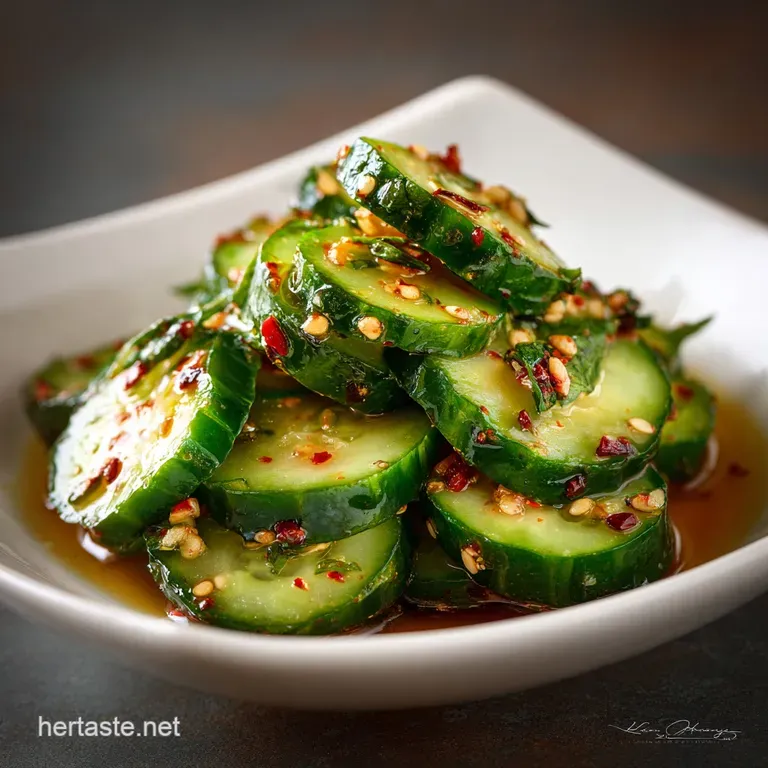
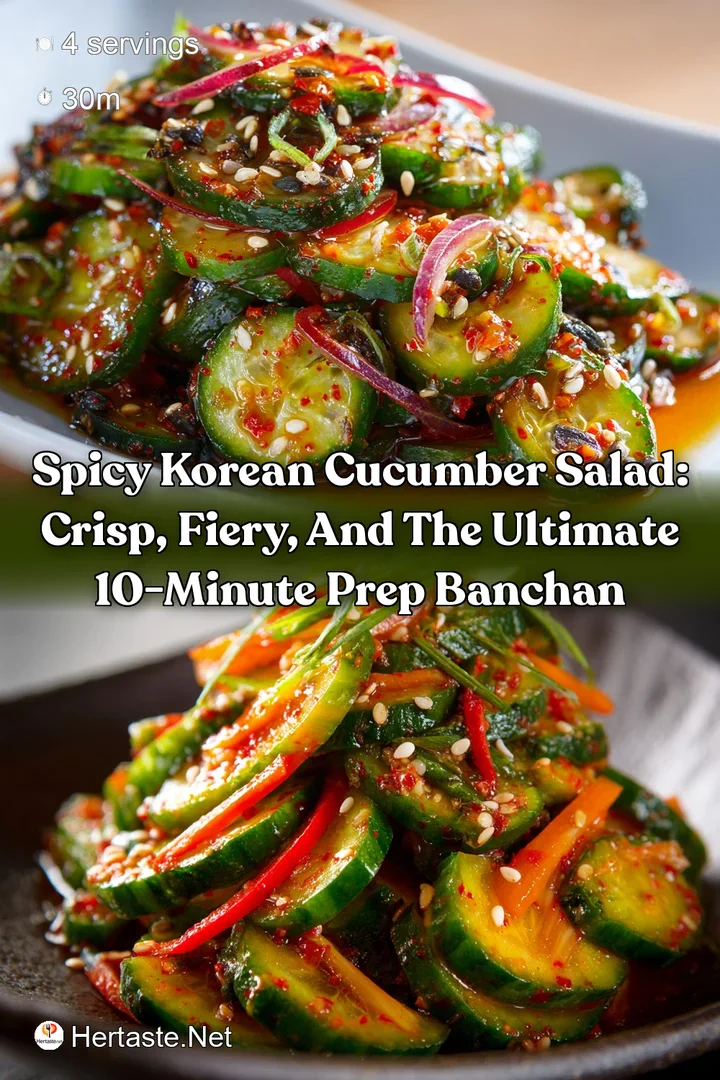
Seriously, stop what you are doing, because you need this crunch in your life. This Spicy Korean Cucumber Salad (known as Oi Muchim ) is the ultimate flavor bomb: vibrant, deeply garlicky, perfectly spicy, and delivering the most satisfying, ice-cold textural snap with every single bite.
The smell alone spicy chili and fragrant toasted sesame oil will instantly wake up your kitchen, making it feel like a fancy restaurant without any of the fuss.
This recipe is my go-to lifesaver when I need a punchy side dish, like, ten minutes ago. It requires zero cooking, uses simple ingredients you probably already have, and costs almost nothing to make.
Forget spending $8 on a tiny container of banchan at the Korean market; you can make a huge batch of this vibrant side for pennies, and it absolutely blows the packaged stuff out of the water.
Ready to transform a humble vegetable into an addictive side? You need this simple technique to guarantee maximum crunch and zero wateriness. Let’s dive into the secret steps that make this the best Oi Muchim recipe you will ever try.
Mastering Contrast: The Science Behind the Perfect Crunch and Spice
What is Oi Muchim? Defining the Vibrant Korean Side Dish
Oi Muchim literally means seasoned cucumber, and it is a classic Korean side dish ( banchan ). Banchan are essential, often small, dishes served alongside the main meal in Korean cuisine. This spicy version is arguably the most popular, providing necessary freshness and fire.
The Role of Korean Cucumber Salad in a Traditional Meal
This salad is designed to cut through richness. If you are eating fatty grilled pork belly or a rich, slow cooked stew, the sharp vinegar, the cooling cucumber, and the searing spice act as the perfect palate cleanser.
It’s the ultimate contrast mechanism, delivering heat while simultaneously refreshing your mouth.
Is This Recipe Truly Speedy? Prep Time Breakdown
Yes, it is unbelievably fast for an active cooking time. You’re only spending about ten minutes slicing and mixing ingredients. The key is allowing twenty minutes of passive time for the cucumbers to "sweat." Don’t skip the sweat time!
That rest is what separates a world class, crisp salad from a soggy mess.
The Magic of Salting: Drawing Out Excess Moisture
This is the non-negotiable step that makes this recipe shine. Cucumbers are almost 95% water. If you just dump dressing on them, that water leeches out, instantly diluting your beautiful, spicy sauce and making the whole thing watery and bland.
Salting the slices pulls out that excess moisture (through osmosis), concentrating the cucumber flavor and keeping the texture ultra crisp.
Crucial Chef’s Note: Salting the cucumbers achieves a level of crunchiness that simply tossing them in the dressing straight away can never replicate. This technique ensures maximum flavor adherence.
Balancing the Core Flavors: Gochugaru Heat vs. Vinegar Tang
The best Korean Cucumber Salad has a complex balance that hits every note: salty, savory (from the soy and garlic), sweet (from the sugar), and fiercely spicy. We use the brilliant, fruity heat of gochugaru (Korean chili flakes), which is then mellowed and lifted by the sharp acidity of rice vinegar and just enough sugar.
If you don't use the sugar, the whole dish tastes flat and harsh.
Why Specific Cucumbers Matter for Textural Integrity
You absolutely cannot use standard slicing cucumbers they have massive seeds and way too much water content. We need thin skinned, dense fleshed cucumbers that can hold up to the salting and dressing process without collapsing. Trust me, the right cucumber choice is a game changer.
Essential Components for Authentic Spicy Korean Cucumber Salad
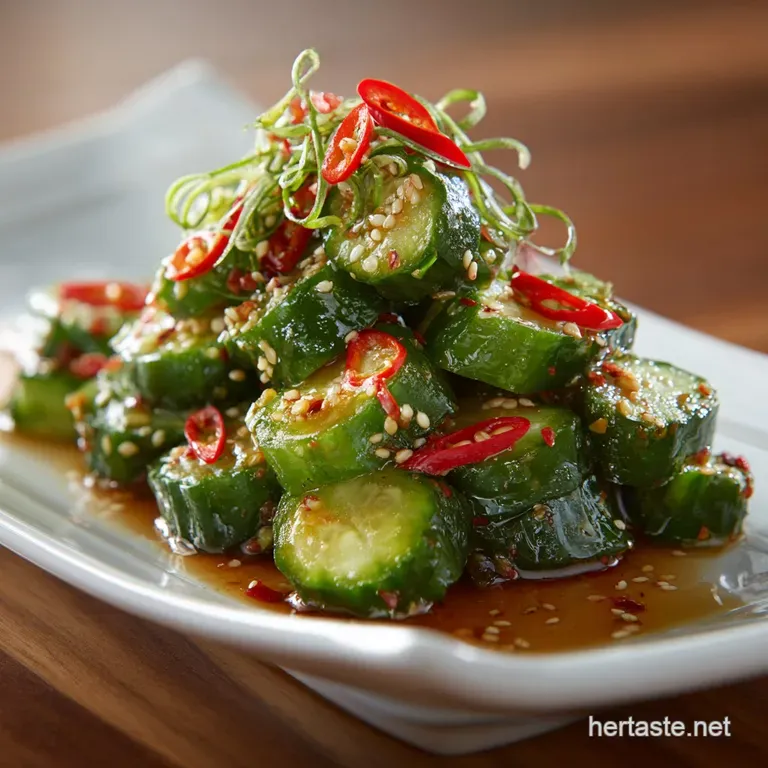
I made the mistake once of using regular old garden cucumbers, and I ended up with a sad, watery bowl of spicy sludge. Learn from my errors, you guys. Stick to the good stuff!
Selecting the Best Cucumbers: Persian, English, or Kirby?
I highly recommend using English cucumbers because they are widely available, have minimal seeds, and thin skins which means no peeling is necessary. Persian or mini cucumbers also work beautifully.
If you use Kirby cucumbers, be prepared for a slightly tougher skin texture, but they are very crunchy.
Understanding the Key Korean Seasonings (Gochugaru, Sesame Oil, Maesil Cheong)
The heart of this flavor is Gochugaru , the signature Korean chili flake. It's smoky, fruity, and offers a clean heat without the overwhelming capsaicin burn of cayenne.
We also use toasted sesame oil ; make sure it is toasted, because the non-toasted kind is flavorless and pointless here. I don't use Maesil Cheong (plum extract) in my speedy version, relying instead on a little granulated sugar, but if you have the extract, use 1 tablespoon instead of the sugar for deeper complexity.
Flavor Swaps: Vegan and gluten-free Alternatives for Oi Muchim
This recipe is already naturally vegan if you stick to the basic ingredients, but here are quick swaps if you're missing something crucial.
| Ingredient | Why We Use It | The Viable Substitute |
|---|---|---|
| Gochugaru (Korean Chili Flakes) | Signature fruity heat and texture. | Sriracha or Chili Garlic Paste (Use 1 tbsp less, as it’s wetter). |
| Low-Sodium Soy Sauce | Salty, savory umami base. | Tamari or Coconut Aminos for gluten-free. |
| Granulated Sugar | Essential flavor balancing. | Honey or Maple Syrup (Use slightly less than 1 tbsp). |
| Rice Vinegar | Clean, sharp acidity. | Apple Cider Vinegar (It's stronger, so use slightly less). |
Ingredient Notes on Garlic and Green Onion Preparation
You need the freshest garlic possible, minced very finely or pressed. Don't be shy; we use two big cloves! The green onions (scallions) should be thinly sliced and divided: half goes into the dressing to infuse the flavor, and half is used as a beautiful, fresh garnish right before serving.
Crafting Your Oi Muchim: step-by-step Assembly Guide
This entire process should take about 30 minutes from start to finish, most of which is downtime while the salt does its magic. Let's crack on.
1. Prepping the Cucumbers: Slicing and Sweat Salting Method
Wash and dry your cucumbers, then slice them into half moon shapes, about a quarter inch thick. Try to cut them slightly on the diagonal; it looks prettier and gives the dressing more surface area to cling to.
Place the sliced cucumbers in a large bowl and toss them aggressively with the sea salt until every piece is coated. Transfer them to a colander set over the sink or a separate bowl. Let them rest and sweat for 20 minutes exactly .
2. Rinsing and Patting Dry: Achieving Maximum Crispness
After 20 minutes, you will see a significant puddle of water under the colander that is moisture we do not want in our salad! Briefly rinse the cucumbers under cold running water to wash away residual salt.
This is critical: Now, grab small handfuls of the slices and squeeze them firmly with your hands to press out any remaining liquid. Pat them dry with paper towels or a clean kitchen cloth until they feel almost completely moisture free.
3. Creating the Vibrant Gochugaru Dressing Paste
While your cucumbers are resting, whisk together all the dressing ingredients in a small bowl. This includes the gochugaru, minced garlic, rice vinegar, sugar, soy sauce, toasted sesame oil, and half of the sliced green onions. Whisk thoroughly until the sugar dissolves and the mixture forms a smooth, vibrant red paste. If you wanted to try another quick, fresh side, you could use a similar technique, like my Raw Carrot Salad Recipe: Vibrant Moroccan Spice with Harissa Vinaigrette .
4. The Final Toss: Maximizing Flavor Adherence Before Serving
Return your now-crisp, pressed, and dried cucumber slices to a clean mixing bowl. Pour the entire fiery dressing over the top. Use a spatula or your hands (gloves recommended, chili oil stains!) to gently toss the salad until every single piece is evenly coated in the bright, beautiful red sauce.
Immediately garnish with the remaining green onions and sesame seeds.
Pro Tips: Avoiding Soggy Cucumbers and Enhancing Freshness
Crucial Mistake to Avoid: Insufficiently Draining the Cucumbers
If your Oi Muchim turns watery fifteen minutes after serving, you didn't salt it long enough or you didn't squeeze it hard enough. You must physically squeeze that water out after rinsing! If you are ever making other cucumber dishes, like the base for my Avocado Cucumber Roll with Shrimp and Wasabi Aioli: Easy Summer Wraps , the salting technique still applies for textural excellence.
Temperature Matters: Serving Oi Muchim Chilled
This dish is meant to be served ice cold. The chill enhances the crispness and makes the spice feel more refreshing. While you can eat it immediately, chilling it for 10 to 15 minutes allows the garlic to mildly mellow and the flavors to fully marry the cucumber slices.
Adjusting Heat Levels: Customizing the Spice Factor
Two tablespoons of gochugaru yields a medium hot heat that builds. If you prefer things milder, start with 1.5 tablespoons. If you live life on the edge, add a tiny splash of chili oil to the dressing, or bump the gochugaru up to 3 tablespoons.
Storage, Longevity, and Perfect Pairings for Your Spicy Korean Cucumber Salad
Storing Leftovers: How Long Does Oi Muchim Last?
Oi Muchim is best served on the day it is made, ideally within a few hours of dressing. The acidity of the vinegar starts to break down the cucumber over time, regardless of how well you salted it.
It will keep in the fridge for up to 3 days , but you will definitely notice a loss of crunch after 24 hours.
Refrigeration Techniques for Maintaining the Crunch
Store the salad in an airtight container placed towards the back of the fridge where the temperature is coldest. Do NOT attempt to freeze this salad. Freezing and thawing high water content vegetables results in guaranteed mush.
Classic Korean Pairing Suggestions (Bibimbap and Grilled Meats)
This salad is mandatory whenever I make Korean BBQ. The fiery, refreshing flavors are the absolute perfect counterpoint to rich, savory meats like Bulgogi or marinated ribs. It also tastes fantastic when mixed into a large bowl of Bibimbap (mixed rice bowl).
If you’re just serving up weeknight chicken or fish, this salad elevates the whole plate dramatically. Serve it with a simple bowl of warm steamed white rice, and you are set.
Recipe FAQs
Why did my cucumber salad become watery and soggy after resting?
Cucumbers are primarily composed of water, and even after dressing, the salt and sugar continue to draw out moisture through osmosis. To minimize sogginess, it is crucial to salt the slices for at least 15 minutes prior to mixing and pat them completely dry.
Oi Muchim is truly best eaten immediately after preparing for maximum crunch.
Can I use a standard slicing cucumber instead of English or Persian varieties?
While you can substitute, it is highly discouraged. Standard slicing cucumbers have very thick, waxy skins and large, watery seed cavities, which break down quickly in the dressing. For the best texture, always choose thinner skinned, seedless varieties like Kirby, Persian, or English hothouse cucumbers.
How can I adjust the heat level of the Oi Muchim?
The heat comes entirely from the Gochugaru (Korean chili flakes). If you prefer a milder salad, start by halving the recommended amount and tasting the dressing before tossing the cucumbers. Do not substitute standard chili powder, as it will drastically change the flavor profile and color.
How long can I store this spicy cucumber salad?
Oi Muchim is a fresh salad intended to be eaten immediately. It can be stored in an airtight container in the refrigerator for up to 3 days, but please note that the texture will soften significantly after the first 24 hours. Freezing is not recommended as it destroys the cucumber's crisp structure.
My salad tastes flat or bland. How do I troubleshoot the flavor?
Blandness often indicates an insufficient balance of seasoning specifically salt and acid. Ensure you used enough salt to properly sweat the cucumbers, and do not skimp on the rice vinegar, as its acidity is essential for cutting through the chili and garlic paste.
A small splash of soy sauce can also boost the savory depth.
Can this recipe be made fully vegan or vegetarian?
This salad is inherently vegetarian, provided you skip any optional additions like fish sauce or fermented shrimp paste that some recipes include for extra umami. All standard ingredients, including Gochugaru and rice vinegar, are plant based. Ensure your optional sesame seeds are toasted for the richest flavor.
Is the step of salting (or "sweating") the cucumbers truly necessary?
Yes, the salting step is critically important for Oi Muchim. It pulls excess water out of the vegetable cells, concentrating the cucumber flavor and guaranteeing the signature crunchy texture of the finished salad. Skipping this step will almost certainly result in a thin, watery dressing at the bottom of the bowl.
Spicy Korean Cucumber Salad Quick
Ingredients:
Instructions:
Nutrition Facts:
| Calories | 88 kcal |
|---|---|
| Protein | 2.8 g |
| Fat | 2.7 g |
| Carbs | 13.1 g |
