Single Layer Roasted Broccoli: Crispy and Charred
- Time: 5 min active + 20 min roasting
- Flavor/Texture Hook: Charred, salty, and snap tender
- Perfect for: Easy weeknight sides or meal prep
- The Secret to Single Layer Roasted Broccoli
- Quick Recipe Specifications
- Breaking Down The Ingredients
- Essential Tools For Success
- The Step-by-Step Roast
- Fixing Common Roast Mistakes
- Troubleshooting Common Issues
- Changing the Batch Size
- Busting a Few Ideas
- Keeping and Reheating Leftovers
- Perfect Pairing Suggestions
- Recipe FAQs
- 📝 Recipe Card
The smell of charred broccoli hitting a hot pan is honestly one of my favorite things. There is something about that nutty, slightly burnt aroma that makes you realize you've finally stopped treating vegetables like a chore and started treating them like a treat.
I used to just dump a whole bag of broccoli onto a sheet pan and shove it in the oven, thinking more was better. The result? A sad, grey, soggy pile of steamed greens that tasted like disappointment. It took me a few ruined dinners to realize that air is just as important as oil when it comes to roasting.
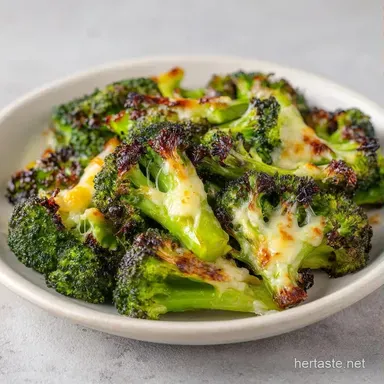
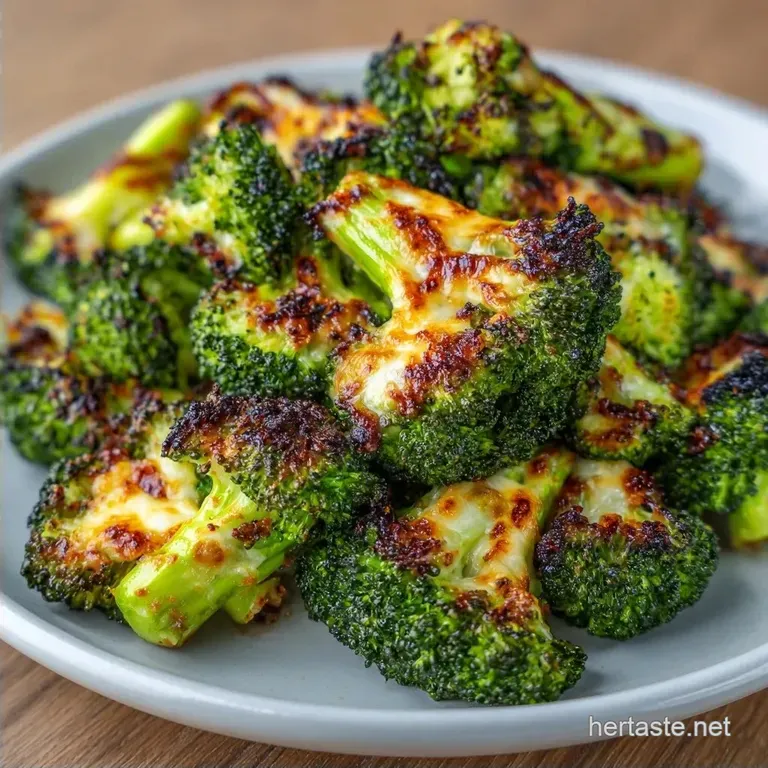
That's where the Single Layer Roasted Broccoli technique comes in. By giving every floret its own personal space, we let the hot air circulate, which turns those little heads into crispy, mahogany brown bites. Here is how to actually do it right.
The Secret to Single Layer Roasted Broccoli
If you want those crispy edges, you have to stop crowding your pans. When florets touch, they trap steam between them. This creates a little sauna on your baking sheet, and instead of roasting, your broccoli just boils in its own juices.
By spreading everything out, the water evaporates instantly. This allows the oil to actually fry the edges of the florets. You get a textural contrast where the stems stay tender but the tops get that distinct, smoky crunch.
The heat of 425°F is the sweet spot. Any lower, and the broccoli softens before it browns. Any higher, and you risk burning the garlic powder before the stems are cooked through. It's all about that balance of timing and space.
Why the heat works:
- Surface Area: Spacing out the florets lets heat hit every side, preventing steam buildup.
- Rapid Evaporation: High heat flashes off moisture, which lets the oil brown the vegetable.
- Direct Contact: A thin layer of oil on a hot pan creates a sear, similar to pan frying.
| Method | Time | Texture | Best For |
|---|---|---|---|
| Steamed | 5-10 min | Soft/Wet | Baby food/Mash |
| Sautéed | 10 min | Tender | Quick stir fry |
| Single Layer Roast | 20 min | Charred/Crispy | Side dishes/Snacks |
Quick Recipe Specifications
This is a fast process, but you can't rush the oven time. You need that full 20 minutes to get the colors right. If you pull it out too early, you're missing the best part.
- Prep time:5 minutes
- Cook time:20 minutes
- Total time:25 minutes
- Yield: 4 servings
Breaking Down The Ingredients
I keep it simple here because the broccoli flavor should lead. The parmesan and lemon come in at the end to add a salty, bright punch that cuts through the richness of the olive oil.
Component Analysis
| Ingredient | Science Role | Pro Secret |
|---|---|---|
| Olive Oil | Heat Conductor | Use extra virgin for better flavor profile |
| Garlic Powder | Flavor Base | Powder avoids the burning risk of fresh garlic |
| Parmesan | Salt/Umami | Add in the last 3 mins to prevent burning |
| Lemon Juice | Acid Balance | Hit it while it's hot to wake up the flavors |
The Pantry List
- 1 lb (450g) broccoli florets Why this? Fresh is best for the snap.
- 2 tbsp (30ml) extra virgin olive oil Why this? High smoke point and rich taste.
- 1 tsp (6g) kosher salt Why this? Large grains distribute more evenly.
- 1/2 tsp (1g) black pepper Why this? Adds a subtle earthy heat.
- 1/2 tsp (2g) garlic powder Why this? Sticks to florets better than minced.
- 2 tbsp (8g) parmesan cheese Why this? Adds a salty, nutty crust.
- 1/2 tsp (1g) red pepper flakes Why this? A tiny bit of background zing.
- 1 tsp (5ml) fresh lemon juice Why this? Brightens the heavy roasted notes.
Quick Substitution Guide
| Original Ingredient | Substitute | Why It Works |
|---|---|---|
| Olive Oil | Avocado Oil | Higher smoke point. Note: Neutral flavor, less "olive" taste |
| Parmesan | Nutritional Yeast | Vegan option. Note: Nutty flavor but doesn't melt the same |
| Kosher Salt | Table Salt | Same salinity. Note: Use 1/2 tsp as it's denser than kosher |
Essential Tools For Success
You don't need a fancy kitchen for this, but the pan matters. If you use a small pan, you'll be tempted to crowd the broccoli, and we're back to the "soggy mess" problem.
I always use a large rimmed baking sheet. The rim prevents oil from dripping onto the bottom of the oven, which is a nightmare to clean. I also swear by parchment paper. It stops the cheese from sticking and makes cleanup a 10 second job.
A large mixing bowl is helpful, but honestly, if you're feeling lazy, you can toss everything right on the pan. Just make sure the oil hits every single nook and cranny of those florets.
The step-by-step Roast
Right then, let's get into the flow. The key here is precision in the cutting and the spacing.
- Preheat your oven to 425°F (220°C) and line a large rimmed baking sheet with parchment paper. Note: A hot oven is non negotiable for the sear.
- Cut the broccoli head into uniform, bite sized florets. Note: Consistent sizes mean they all finish at the same time.
- Toss the broccoli florets with olive oil, salt, pepper, and garlic powder in a bowl. Note: Coat them well so the oil protects the veg from drying out.
- Spread the broccoli across the pan in a strict single layer. Note: Leave about an inch of breathing room between each piece.
- Roast for 15–20 minutes until the tips are deep mahogany brown and stems are fork tender.
- Sprinkle with parmesan cheese during the last 3 minutes of roasting. Note: This allows the cheese to melt and brown without burning.
- Remove from the oven and immediately sprinkle with red pepper flakes.
- Drizzle the fresh lemon juice over the hot broccoli before serving. Note: The heat helps the lemon soak into the florets.
Chef's Note: If you want an even deeper crunch, try freezing your parmesan cheese and grating it cold. It distributes more evenly across the tops of the florets.
Fixing Common Roast Mistakes
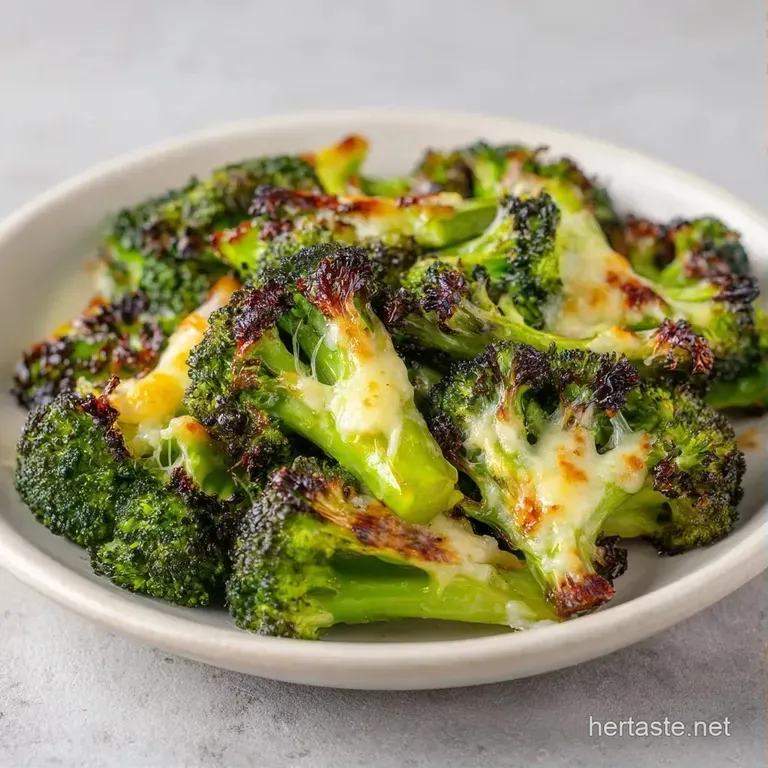
Even with a plan, things happen. Usually, it comes down to moisture or heat. If your broccoli isn't behaving, it's probably one of these three things.
Troubleshooting Common Issues
| Issue | Solution |
|---|---|
| Why Your Broccoli Is Soggy | The most common culprit is overcrowding. If the florets are touching, they steam. Another issue is wet broccoli. |
| Why Your Garlic Tastes Burnt | Fresh garlic burns at 425°F long before the broccoli is done. That's why we use powder. If you must use fresh, toss it in during the last 5 minutes of cooking. |
| Stems Are Hard But Tops Are Burnt | This happens when your florets are too uneven. Large stems take longer than thin tips. Always cut your stems to a similar thickness. |
Common Mistakes Checklist
- ✓ Did you pat the broccoli dry after washing?
- ✓ Is there actual space between every floret?
- ✓ Did you use the parchment paper to avoid sticking?
- ✓ Are the florets roughly the same size?
Changing the Batch Size
Scaling a Single Layer Roasted Broccoli recipe is a bit different than scaling a soup. You can't just double the ingredients in the same pan.
Scaling Down (Half Batch) Use a smaller sheet pan or just push everything to one side of your large pan. I usually reduce the roasting time by about 2-3 minutes since there is less mass in the oven absorbing the heat.
Scaling Up (Double or Triple Batch) This is where people mess up. If you double the broccoli, you MUST double the pans. Do not pile them up. I recommend working in batches or using two oven racks. If using two racks, swap their positions halfway through (at the 10 minute mark) to ensure even browning.
A Note on Seasoning When doubling, I don't double the salt. I usually go 1.5x on the salt and spices. You can always add more at the end, but you can't take it away.
Busting a Few Ideas
There are a few things people tell you about roasting vegetables that just aren't true. Let's clear those up.
Myth: Steaming is healthier than roasting. Actually, roasting doesn't "kill" the nutrients any more than boiling or steaming does. Plus, the healthy fats in olive oil help your body absorb the vitamins in the broccoli.
Myth: Frozen broccoli works the same way. It doesn't. Frozen broccoli releases way more water as it thaws in the oven. You can still roast it, but it'll never be as crispy as fresh. If you use frozen, roast it at 450°F and don't thaw it first.
Keeping and Reheating Leftovers
Roasted broccoli is great fresh, but it holds up okay in the fridge for 3-5 days. Store it in an airtight container, but let it cool down first. If you put hot broccoli in a sealed container, the remaining steam will make it soggy.
The Reheating Trick Never use a microwave to reheat this. It turns the broccoli into a sponge. Instead, toss it back in the oven at 350°F for 5 minutes, or throw it in an air fryer for 3 minutes at 375°F.
This brings back the snap and the char.
Zero Waste Tips Don't throw away the broccoli stems! Peel the tough outer skin off with a vegetable peeler. The inside of the stem is sweet and tender. Chop them into small coins and roast them right along with the florets. They take about the same amount of time and taste great.
Perfect Pairing Suggestions
Because this dish is salty and charred, it goes with almost anything. I love serving it alongside a grilled steak or a piece of baked salmon. If you're looking for a full meal, this pairs perfectly with a Broccoli Pasta recipe for a double dose of greens.
For those who want something a bit more "dinner party" style, try drizzling a little bit of Zesty Italian Dressing over the top right before serving. The vinegar in the dressing plays off the charred flavor of the Single Layer Roasted Broccoli beautifully.
If you prefer a simpler vibe, just serve it with a side of fluffy quinoa or mashed potatoes. The crunch of the broccoli is a great contrast to the softness of the potatoes. Trust me, once you start using the single layer method, you'll never go back to the "pile of broccoli" method again.
Recipe FAQs
How to roast broccoli?
Toss florets with olive oil, salt, pepper, and garlic powder, then roast at 425°F for 15 20 minutes. Spread them in a single layer on a parchment lined sheet until the tips are deep mahogany brown.
How to cook broccoli without making it soggy?
Spread florets in a strict single layer with breathing room between each piece. Overcrowding the pan causes the broccoli to steam instead of roast, which ruins the crisp texture.
How to roast broccoli stems?
Cut stems into uniform, bite sized pieces. Ensuring the stems are a similar thickness to the florets prevents the tips from burning before the stems are fork tender.
How to make broccoli taste better?
Finish the dish with fresh lemon juice and red pepper flakes after roasting. Adding parmesan cheese during the last 3 minutes of cooking also adds a savory, salty punch.
Is it true that fresh garlic is better than powder for roasting at 425°F?
No, this is a common misconception. Fresh garlic burns rapidly at this temperature, whereas garlic powder distributes flavor evenly without scorching.
How to make broccoli edible and delicious?
Roast at a high temperature to caramelize the natural sugars. If you enjoyed balancing savory elements here, see how we use similar flavor profiles in our homemade stuffing.
What is the best way to prepare broccoli in the oven?
Use a rimmed baking sheet lined with parchment paper. This prevents sticking and allows the 425°F heat to circulate freely for a perfect roast.
Single Layer Roasted Broccoli