Creamy Vegetable Lasagna Recipe
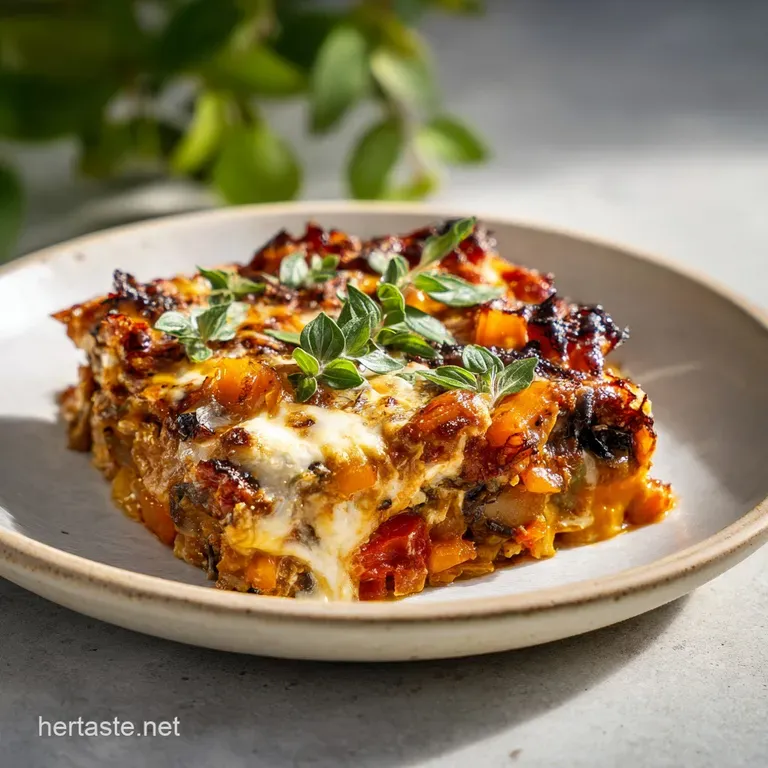
- Time: Active 30 minutes, Passive 1 hours 15 mins, Total 1 hours 45 mins
- Flavor/Texture Hook: Silky white sauce meets earthy roasted mushrooms
- Perfect for: Sunday family dinners or impressive vegetarian meal prep
- Why Roasted Vegetables and White Sauce Change Everything
- Essential Performance Metrics for Your Best Lasagna Results
- A Detailed Analysis of Every Ingredient and Substitution
- The Necessary Tools for Achieving Professional Layered Results
- Step by Step Guide to Crafting the Ultimate Lasagna
- Troubleshooting Common Layering Mistakes and Texture Issues
- Creative Ways to Adapt and Scale This Recipe
- Expert Methods for Storing and Reheating Your Leftovers
- The Best Side Dishes to Pair with Your Meal
- Recipe FAQs
- 📝 Recipe Card
The first time I tried a vegetable lasagna recipe, it was a total disaster. I used raw zucchini and peppers, thinking they would cook in the oven, but they just released all their water. I ended up with what looked like a lasagna flavored soup.
It was a soggy, disappointing mess that taught me the most important lesson in vegetarian Italian cooking: you have to treat your vegetables with some respect before they hit the pan.
Now, whenever the oven preheats and that smell of roasting red onions and mushrooms hits the kitchen, I know we're in for something special. It is that deep, charred aroma that makes people forget there isn't any meat in the dish.
This version isn't just a "meatless option" - it is a legitimate showstopper that relies on a rich white sauce and perfectly prepped produce to get that "shatter" on the top cheese layer and a velvety interior.
We are going for big flavors here without spending a fortune on fancy imported truffles or expensive meat substitutes. By using seasonal staples like zucchini and mushrooms, we keep the grocery bill low while the result feels high end.
Trust me, once you see those golden brown bubbles popping around the edges of the dish, you'll see why this has become my absolute favorite way to feed a crowd.
Why Roasted Vegetables and White Sauce Change Everything
The biggest mistake people make with this dish is skipping the roasting step. When you toss those 8 oz of cremini mushrooms and sliced zucchinis in olive oil and hit them with high heat, you are essentially concentrating the flavor and removing the excess water that usually ruins the texture. If you want a similar depth of flavor in a meat dish, you might look at a Traditional Lasagna Recipe which uses a long simmered ragu, but here, the oven does that heavy lifting for us in 20 minutes.
- Maillard Reaction: over High heat roasting transforms the sugars in the red onion and mushrooms into savory, complex compounds.
- Evaporative Concentration: Pre cooking the 2 medium zucchinis prevents the moisture from leaching into the noodles during the final bake.
- Starch Gelatinization: The flour in our béchamel swells and traps the milk fats, creating a thick binder that won't run.
- Hygroscopic Action: Adding sea salt to the vegetables before roasting draws out surface water for better browning.
The Physics of the Bechamél
This vegetable lasagna recipe with white sauce relies on an emulsion of butter and milk. The flour acts as a stabilizer, ensuring the sauce stays silky and clings to the no boil noodles without separating into grease.
| Method | Total Time | Texture Profile | Best For |
|---|---|---|---|
| Fast Roasted | 1 hours 45 mins | Crispy edges, distinct veg chunks | Quick weekend family meals |
| Classic Slow Cooked | 3 hours 30 mins | Melt in-mouth, integrated flavors | Special occasions/holidays |
| No Noodle Veg | 1 hours 15 mins | Very soft, high moisture | Low carb dietary needs |
Choosing the right method depends on how much time you've got to spend in the kitchen. The roasted method provides the best balance of effort and flavor, giving you those distinct textures of the 8 oz mushrooms and 1 large red pepper without waiting all afternoon.
Essential Performance Metrics for Your Best Lasagna Results
Getting the timing and temperature right is the difference between a soggy tray and a masterpiece. I always set my oven to 400°F (200°C) for the vegetable roasting phase because anything lower just steams the zucchini instead of searing it.
For the final bake, we drop it slightly to ensure the 9 oz of noodles soften before the 2 cups of mozzarella burn.
Component Analysis
| Ingredient | Science Role | Pro Secret |
|---|---|---|
| No Boil Noodles (9 oz) | Structural Starch | Overlap them slightly so the starch "glues" the layers together |
| Whole Milk (3 cups) | Fat/Liquid Base | Use room temperature milk to prevent the roux from clumping |
| Frozen Spinach (10 oz) | Moisture Control | Squeeze it until it feels like a dry ball of yarn |
When you are picking your ingredients, remember that the quality of your cheese matters. I prefer a low moisture mozzarella because it melts into a stretchy, golden blanket rather than releasing more liquid. If you're looking for a different cheese profile, you might enjoy the textures in The Homemade Lasagna recipe, but for this roasted version, we want that classic melt.
A Detailed Analysis of Every Ingredient and Substitution
I've learned that you don't need the most expensive items to make this work. A healthy vegetable lasagna recipe is more about the technique than the price tag. Here is exactly what we are using and how you can swap things out if you're trying to save a few dollars or if the store is out of stock.
- Zucchini (2 medium): Sliced into 1/4 inch rounds.
- Substitute: Yellow summer squash. Why this? They have identical moisture content and texture when roasted.
- Cremini Mushrooms (8 oz): Sliced thick for meatiness.
- Substitute: White button mushrooms. Why this? They are cheaper and still provide great earthiness.
- Red Bell Pepper (1 large): Chopped into bite sized pieces.
- Substitute: Jarred roasted red peppers. Why this? Saves roasting time; just pat them very dry first.
- Red Onion (1 large): Cut into wedges.
- Substitute: Yellow onion or shallots. Why this? Any allium provides that essential savory base.
- Whole Milk (3 cups): The backbone of our white sauce.
- Substitute: 2% milk with an extra tablespoon of butter. Why this? Maintains the fat ratio needed for a velvety sauce.
- No Boil Lasagna Noodles (9 oz): Essential for soaking up the sauce.
- Substitute: Standard noodles (must boil first). Why this? Traditional noodles require pre cooking but offer a softer bite.
- Frozen Spinach (10 oz): Adds color and nutrients.
- Substitute: Fresh kale. Why this? Sauté the kale first to soften the fibers.
- Mozzarella (2 cups): For that perfect cheese pull.
- Substitute: Mild provolone. Why this? Melts beautifully with a slightly sharper tang.
Chef's Tip: Freeze your unsalted butter for 10 minutes before making the white sauce. Cold butter hits the warm flour and creates a more stable roux, which leads to a much smoother béchamel without any lumps.
The Necessary Tools for Achieving Professional Layered Results
You don't need a kitchen full of gadgets, but a few specific items make this homemade vegetable lasagna recipe much easier to manage. A large, sturdy 9x13 inch baking dish is non negotiable.
I prefer ceramic or glass because they hold heat evenly, ensuring the middle of your lasagna is just as hot as the bubbling edges.
You will also need a heavy bottomed saucepan for the béchamel. A whisk is your best friend here - don't try to use a spoon, or you'll end up with flour pockets. For the vegetables, two large rimmed baking sheets are better than one.
If you crowd the 2 zucchinis and 8 oz of mushrooms onto one tray, they will steam instead of roast, and we really want that caramelized finish.
Finally,, grab a clean kitchen towel or a potato ricer. Why? To squeeze the life out of that thawed spinach. It is a simple step, but it's the difference between a professional result and a watery mess.
step-by-step Guide to Crafting the Ultimate Lasagna
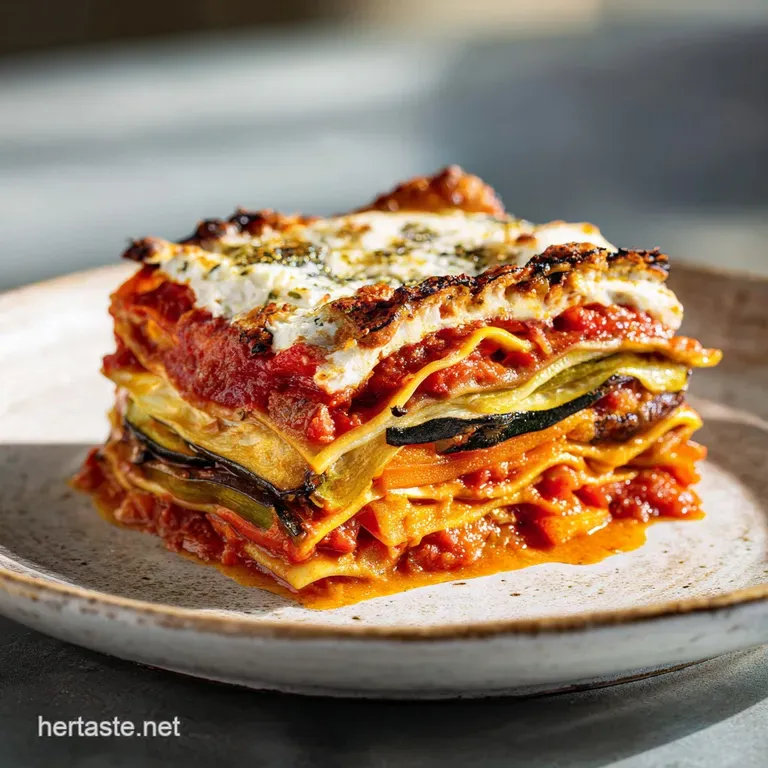
Let's get into the actual cooking. Follow these steps closely, especially the roasting part, and you will have a perfect meal on the table in no time.
- Preheat and Prep: Set your oven to 400°F (200°C). Toss the sliced zucchini, chopped red pepper, mushrooms, and red onion wedges with 3 tbsp of olive oil, oregano, sea salt, and black pepper.
- Roast the Veg: Spread them in a single layer on baking sheets. Roast for 20 minutes until the edges are charred and the onions are soft. Note: This step removes the excess water.
- Make the Roux: In a saucepan over medium heat, melt 4 tbsp of butter. Whisk in 0.25 cup of all purpose flour for 2 minutes until it smells like toasted cookies.
- Build the Béchamel: Gradually whisk in the 3 cups of milk. Simmer for 5 minutes until the sauce coats the back of a spoon. Note: Keep whisking to prevent burning.
- Season the Sauce: Remove from heat and stir in the nutmeg and 1 cup of Parmesan. The sauce should be silky and thick.
- Prep the Spinach: Take your 10 oz of thawed spinach and squeeze it over the sink until no more water drips out.
- First Layer: Spread a thin layer of white sauce on the bottom of your 9x13 dish. Lay down 3 no boil noodles (adjust to fit).
- Layer the Filling: Top the noodles with a third of the roasted vegetables, a handful of spinach, and a splash of white sauce. Repeat this twice more.
- The Finale: Top the final layer of noodles with the remaining white sauce and the 2 cups of mozzarella cheese.
- Bake to Perfection: Lower oven to 375°F (190°C). Bake for 45 minutes until the cheese is bubbling and deep golden brown.
Let the dish rest for at least 15 minutes before you even think about cutting into it. This allows the internal structure to set, so you get those clean, beautiful layers instead of a pile of sliding noodles.
Troubleshooting Common Layering Mistakes and Texture Issues
Even with a great easy vegetable lasagna recipe, things can go sideways. The most common complaint is the texture of the noodles or the moisture level of the sauce. If you find your lasagna looks a bit liquidy right out of the oven, don't panic! It often reabsorbs that moisture as it cools.
Why Your Lasagna is Runny
If you cut into it and liquid pools at the bottom, it usually means the vegetables weren't roasted long enough or the spinach wasn't dry. The 10 oz of spinach holds an incredible amount of water.
| Problem | Root Cause | Solution |
|---|---|---|
| Crunchy Noodles | Not enough sauce contact | Ensure sauce covers every inch of the no boil noodles |
| Greasy Surface | Low quality cheese | Blot with a paper towel and use low moisture mozzarella next time |
| Bland Taste | Under seasoned veg | Increase the sea salt and oregano during the roasting phase |
Common Mistakes Checklist
- ✓ Pat the zucchini dry with paper towels after slicing to speed up roasting.
- ✓ Never skip the 15 minute resting period; it is vital for structural integrity.
- ✓ Whisk the milk into the roux very slowly at first to avoid stubborn lumps.
- ✓ Check the noodles at 30 minutes; if the top is browning too fast, tent with foil.
- ✓ Use a serrated knife for the cleanest slices through the roasted vegetable layers.
If you are a fan of the layering process but want to try something with a different flavor profile later, you can check out How to Make Lasagna recipe which walks through a more traditional Italian approach.
Creative Ways to Adapt and Scale This Recipe
If you are cooking for a larger crowd or just a couple of people, you need to know how to adjust the proportions without ruining the balance. Scaling a lasagna isn't just about doubling everything; you have to be careful with the seasonings and the liquid ratios.
Scaling Down (Half Batch)
To make this for 4 people, use an 8x8 inch square pan. Use 1 large zucchini and 4 oz of mushrooms. For the béchamel, you can't easily halve one egg (if the recipe used it), but here you just halve the 3 cups of milk and 4 tbsp of butter.
Reduce the baking time by about 10 minutes since the smaller mass heats through faster.
Scaling Up (Double Batch)
When doubling for a party, use two 9x13 dishes. Don't try to make one massive, deep lasagna or the middle will never cook. Increase the salt and oregano to 1.5x rather than a full 2x to avoid over seasoning. You'll need about 18 oz of noodles total.
| Premium | Budget | Flavor Impact | Savings |
|---|---|---|---|
| Fresh Basil | Dried Basil | Less bright, more earthy | Save $3.00 |
| Parmesan Reggiano | Pecorino Romano | Saltier and more pungent | Save $5.00 |
| Fresh Mushrooms | Canned Mushrooms | Softer texture, less depth | Save $2.00 |
Flavor Twists
If you want to change the vibe, try a roasted vegetable lasagna recipe with zucchini but swap the white sauce for a spicy marinara. Or, add a layer of pesto between the vegetables for a massive punch of herbal flavor. You can even add some heat with a pinch of red pepper flakes in the béchamel.
Expert Methods for Storing and Reheating Your Leftovers
One of the best things about this dish is that it actually tastes better the next day. The flavors of the 1 tsp oregano and the roasted onions have time to mingle and penetrate the noodles. It is the ultimate meal prep win.
Storage Guidelines: Store any leftover lasagna in an airtight container in the fridge for up to 4 days. If you want to freeze it, I suggest cutting it into individual portions first. Wrap each piece tightly in plastic wrap and then foil. It will stay fresh in the freezer for up to 3 months.
Zero Waste Tips: Don't throw away those mushroom stems! You can chop them finely and sauté them into the spinach layer for extra texture. If you have leftover red onion wedges that didn't fit on the roasting tray, pickle them in a bit of vinegar and sugar to serve as a bright topping for the finished dish.
Even the ends of the zucchini can be shredded and frozen for a future batch of muffins or soup.
To reheat, the oven is best. Put a slice in a small baking dish, add a teaspoon of water to the corner, cover with foil, and bake at 350°F (180°C) for 15 minutes. This creates steam that prevents the noodles from drying out while the cheese gets melty again.
The Best Side Dishes to Pair with Your Meal
Since this vegetable lasagna with white sauce is quite rich and creamy, you want side dishes that offer some acidity or crunch to balance the palate. A simple arugula salad with a sharp lemon vinaigrette is my go to choice.
The peppery bite of the greens cuts right through the 3 cups of whole milk and butter in the sauce.
Garlic bread is a classic for a reason, but try making a "cheats" version with sourdough to get a bit of tang. If you want something more substantial, roasted broccolini with a squeeze of fresh lemon and some red pepper flakes works beautifully alongside the soft textures of the lasagna.
If you are looking for a beverage pairing, a crisp white wine like a Sauvignon Blanc or a light bodied red like a Chianti works perfectly. The acidity in the wine helps cleanse the palate between bites of that velvety béchamel and roasted vegetables.
Right then, you have everything you need to forge a masterpiece. No more soggy vegetables, just pure, cheesy, roasted goodness. Get that oven preheated and let's crack on!
Recipe FAQs
What vegetables work best in lasagna?
Mushrooms, zucchini, and red peppers are the top choices. Roasting these dense vegetables first concentrates their flavor and removes excess moisture, preventing a watery final dish.
What are common mistakes in veggie lasagna?
Failing to pre-cook the vegetables is the most common error. Raw vegetables release too much liquid during baking, resulting in a soupy texture instead of defined layers.
How to make the best vegetarian lasagne?
Roast all vegetables at 400°F until caramelized, and use a thick, well seasoned béchamel sauce instead of relying solely on ricotta. This technique ensures deep flavor and structural integrity, similar to how we manage flavor in The Cilantro Chimichurri recipe.
Do you cook vegetables before putting in lasagna?
Yes, absolutely cook them first. High heat roasting removes up to 30% of the water content, which is crucial for preventing soggy noodles.
Should I use no-boil noodles or standard lasagna sheets?
No-boil noodles are highly recommended for convenience. They require less prep time and perfectly absorb the moisture from the sauce as they bake, provided every surface is covered in béchamel.
How to prevent the white sauce from becoming runny?
Make a stable roux by cooking the flour completely before adding milk, and use whole milk for adequate fat content. If you master this emulsion stability here, you can transfer that skill to sauces requiring precise fat balancing, like in The Definitive Homemade recipe.
Is it true you must rest the lasagna before slicing?
Yes, resting for a minimum of 15 minutes is mandatory. This resting time allows the internal liquids to be reabsorbed by the starch and cheese structure, leading to clean, non-collapsing slices.
Roasted Vegetable Lasagna Recipe
Ingredients:
Instructions:
Nutrition Facts:
| Calories | 455 kcal |
|---|---|
| Protein | 21.1 g |
| Fat | 24.2 g |
| Carbs | 39.7 g |
| Fiber | 3.8 g |
| Sugar | 7.4 g |
| Sodium | 562 mg |
