Lemongrass Infused Roasted Turkey Legs with Ginger
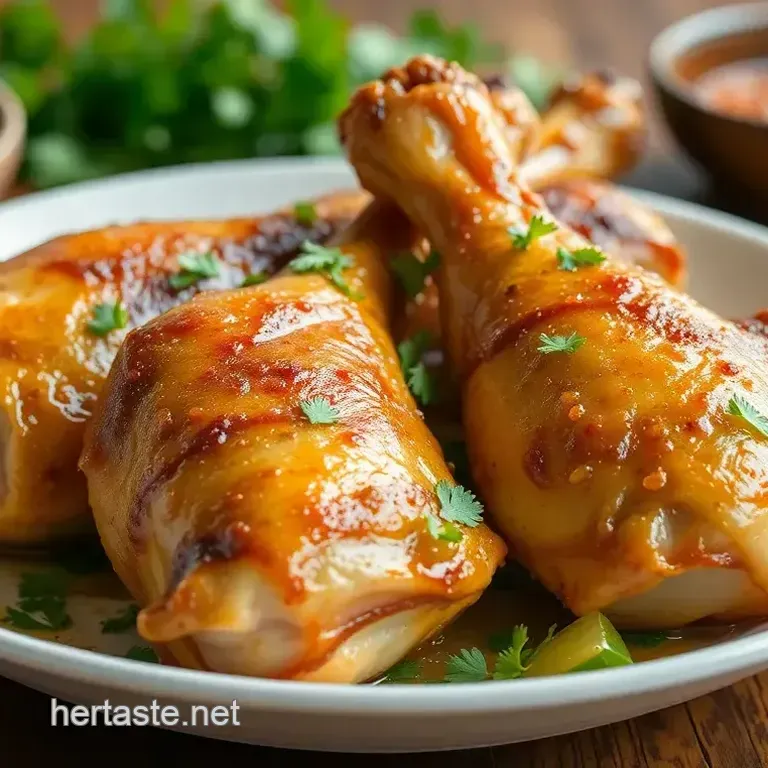
- Time: 15 min active + 120 min roasting
- Flavor/Texture Hook: Citrusy, aromatic crust with rich, tender meat
- Perfect for: Budget-friendly dinner parties or a vibrant Sunday roast
Lemongrass Infused Roasted Turkey Legs
Fresh lemongrass is the essence of Southeast Asian cooking. Its aroma instantly transports me to the bustling street markets of Bangkok or the cozy home kitchens of Hanoi. While I grew up seeing these zesty notes paired with lighter meats, the rustic, hearty quality of a turkey leg makes for an unexpected but perfect match.
Often dismissed as simple "fair food" or a budget cut, turkey legs possess a richness that breast meat simply lacks. By fusing traditional Asian aromatics with a standard roasting method, we elevate a modest cut of meat into a festive feast.
The goal is to let that sharp, citrusy brightness penetrate the deep fats of the turkey.
The result is a deep mahogany skin with a satisfying crunch, giving way to tender, fragrant meat. There's no need for tedious overnight brines; instead, we rely on a strategic rub and a shift in oven temperature to achieve perfection. Here is the step-by-step process to make it happen.
Why This Roast Works
- Aromatic Penetration: Lemongrass essential oils bind to the butter and oil, pushing citrus flavors deeper into the meat than a dry rub ever could.
- Temperature Staging: Starting at 425°F (218°C) sears the skin quickly, while the drop to 325°F (163°C) ensures the interior cooks through without drying out.
- Fat Barrier: The thick lemongrass paste acts as a shield, keeping the natural juices inside the muscle while the exterior browns.
| Method | Time | Texture | Best For |
|---|---|---|---|
| Fresh Lemongrass | 15 min prep | Bright, sharp | Special meals |
| Jarred Paste | 5 min prep | Muted, salty | Fast dinners |
Everything You'll Need
This rub is designed to balance rich fats with bright aromatics. The butter ensures a deep brown sear, while the ginger and lemongrass keep the flavor profile light and fresh.
- Fresh lemongrass (3 stalks / 45g, minced white parts): The primary aromatic. Why this? Delivers a classic citrus scent. Substitute: Lemon zest and minced ginger.
- Unsalted butter (4 tbsp / 56g, softened): For a perfectly bronzed finish. Why this? Distributes the fat-based flavors. Substitute: Coconut oil.
- Olive oil (2 tbsp / 30ml): Ensures a smooth application. Why this? Offers a better smoke point than butter alone. Substitute: Avocado oil.
- Garlic (3 cloves / 9g, minced): A fundamental savory element. Why this? Provides a sharp, earthy undertone. Substitute: Garlic powder.
- Fresh ginger (1 tbsp / 6g, grated): Adds a bit of zing. Why this? Pairs ideally with lemongrass. Substitute: Ground ginger.
- Kosher salt (1 tsp / 5g): To remove excess surface moisture. Why this? Amplifies the overall taste profile. Substitute: Sea salt.
- Cracked black pepper (1/2 tsp / 3g): A hint of warmth. Why this? Balances out the sweetness. Substitute: White pepper.
- Dried thyme (1 tsp / 2g): A rustic touch. Why this? Introduces a woody, herbal fragrance. Substitute: Dried oregano.
- Bone in turkey legs (4 count, 1 lb / 450g each): The centerpiece. Why this? Offers more richness than breast meat. Substitute: Chicken quarters.
- Neutral oil (1 tbsp / 15ml): To prep the skin. Why this? Stops the meat from sticking. Substitute: Canola oil.
The Basic Recipe Specs
Keeping an eye on these numbers is how you avoid the dreaded "dry turkey" syndrome. Trust your thermometer over the clock.
- Prep time: 15 minutes
- Cook time: 120 minutes
- Total time: 2 hours 30 minutes
- Oven Temps: 425°F (218°C) initial, 325°F (163°C) finish
- Target Internal Temp: 165°F (74°C)
- Resting time: 15 minutes
| Goal | What to change |
|---|---|
| Extra Crisp | Add 5 mins sear |
| Leaner Meat | Trim skin fat |
| More Citrus | Add extra lemongrass |
Tools for the Job
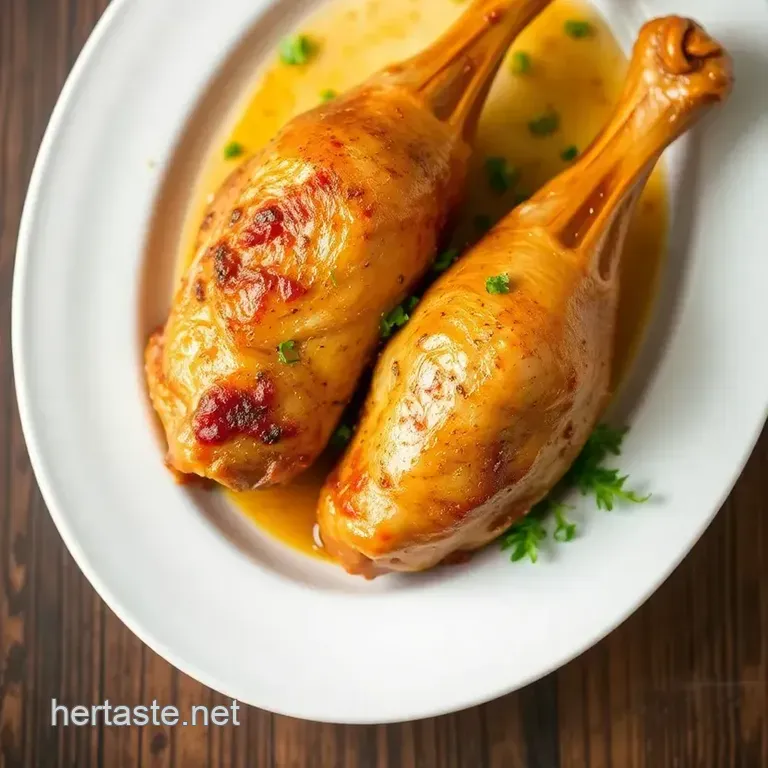
A wire rack is absolutely essential here. Without it, the turkey legs will essentially boil in their own grease, costing you that coveted crispiness on the bottom.
- Baking sheet: A standard rimmed pan works best.
- Wire cooling rack: Elevates the meat for better airflow.
- Aluminum foil: To make cleanup a breeze.
- Meat thermometer: A digital probe is ideal for precision.
- Small mixing bowl: To combine the lemongrass paste.
- Paper towels: To get the skin completely dry.
Step by step Process
Preparing the Turkey
Place a wire rack over a foil lined baking sheet. Use paper towels to pat the turkey legs completely dry, as any remaining surface moisture will steam the meat instead of searing it. Apply a light coating of neutral oil to the skin to prepare it for the seasoning.
Applying the Infusion
In a small bowl, combine the softened butter, olive oil, minced lemongrass, garlic, ginger, salt, pepper, and thyme. Stir the ingredients until they form a thick, smooth paste. Generously coat each turkey leg with the mixture, using your fingers to push some of the paste under the skin so the flavor hits the meat directly.
Mastering the Roast
Set your oven to 425°F (218°C). Roast the legs for 20 minutes until the skin sizzles and begins to brown; this initial burst of high heat establishes the crust.
Reduce the temperature to 325°F (163°C) and continue roasting for 90–100 minutes. Use a thermometer to check the thickest part of the leg, removing them from the oven the moment the meat reaches 165°F (74°C).
Let the turkey rest on the rack for 15 minutes before carving. Cutting into the meat too quickly will cause the juices to run off, leaving the meat dry.
Troubleshooting the Turkey
Preventing Dry Meat
If the skin is already dark mahogany but the internal temp is still low, tent the legs loosely with foil. This stops the exterior from burning while the middle finishes cooking.
Fixing Pale Skin
If the meat is done but the skin looks dull, crank the heat back to 425°F (218°C) for the last 5-10 minutes. Keep a very close eye on them so the lemongrass doesn't scorch.
Managing Rub Clumps
If the butter was too cold and the paste is lumpy, give it 10 seconds in the microwave. You want a spreadable consistency so it coats every nook and cranny of the leg.
Storage and Waste
Store any leftovers in a sealed tub in the cooler for up to 3 days. To reheat, don't use a microwave it makes the skin rubbery. Put them back in a 350°F (180°C) oven for 10 minutes to bring back some of that crisp.
Don't toss the bones. Turkey leg bones are packed with collagen. Toss them in a pot with water, a few peppercorns, and an onion for a rich stock. If you have leftover lemongrass stalks, freeze them in a bag for your next stir fry.
Serving the Feast
These legs have plenty of bold flavor, so I suggest pairing them with something light and crisp. Roasted Broccoli Side is an excellent option, since the charred broccoli notes balance the citrusy turkey.
To make it a complete meal, serve the legs over quinoa or jasmine rice to absorb the pan juices. Finishing the dish with a splash of lime juice brightens the lemongrass and cuts through the butter's richness. For an added contrast, pickled daikon and carrots provide a wonderful crunch and a hit of acidity.
Swaps and Twists
If you can't find turkey legs, this same rub is excellent for Lemon Herb Roasted Chicken. Just remember that chicken quarters cook more quickly, so you should begin checking the internal temperature around the 60-minute mark.
For a spicier kick, mix a tablespoon of red chili flakes or Sriracha into the butter paste. To give the dish a tropical twist, replace the olive oil with coconut oil.
| Original Ingredient | Substitute | Why It Works |
|---|---|---|
| Lemongrass | Lemon Zest + Ginger | Mimics the citrus punch. Note: Less earthy than fresh stalks. |
| Butter | Coconut Oil | Tropical fat. Note: Adds a distinct coconut scent. |
| Turkey Legs | Chicken Quarters | Similar bone in cook. Note: Cooks faster than turkey. |
Debunking the Brine Myth
Many believe a 24-hour salt soak is mandatory to keep turkey legs succulent. That isn't the case. While brining is beneficial, the heavy lifting is actually done by the two-stage roasting temperature and a high fat rub, which maintain moisture and regulate the cook.
Another common misconception is that searing "locks in" the juices. Scientifically, evaporation happens regardless of whether the meat is seared. The initial high heat blast is actually intended to create a savory crust and a professional texture, rather than preventing moisture loss.
Recipe FAQs
What makes this roasted turkey leg recipe stand out?
Use a two-stage roasting method. Starting at 425°F (218°C) sears the skin, while finishing at 325°F (163°C) ensures the meat remains juicy.
How to make turkey legs fall off the bone in the oven?
Roast at 325°F (163°C) for 90 100 minutes. This lower temperature slowly breaks down the connective tissue after the initial high heat blast.
Which marinade works best for turkey legs?
A thick paste of butter, lemongrass, garlic, and ginger. Rubbing this mixture directly under the skin maximizes flavor penetration and moisture.
Could resting the meat improve the texture?
Yes, let the meat rest for 15 minutes. This allows the internal juices to redistribute, preventing them from spilling out during carving.
Is it true you should use the whole lemongrass stalk?
Not true. Use only the white parts of the stalks, as the green tops are too woody and tough to eat.
Do I need to deep fry the legs to get crispy skin?
Surprisingly, no. Roasting on a wire rack at 425°F (218°C) provides a professional sear without the need for deep frying.
Why does microwave reheating ruin turkey legs?
Microwaves make the skin rubbery. Reheat in a 350°F (180°C) oven for 10 minutes to restore the crispiness of the skin.
Suggested side dishes for lemongrass turkey?
Fresh, acidic salads balance the rich butter rub. If you enjoyed the light, creamy profile here, see how a similar balance works in this yogurt sauce.
Roasted Turkey Legs With Lemongrass Flavor