Pan-Seared Roasted Grouper with Beurre Blanc

- Prep10 Mins
- Cook20 Mins
- Servings4
- Time: 10 min active + 20 min cooking + 3 min resting
- Taste: Buttery, bright lemon, and mild, flaky white fish
- Best for: Date nights or a fancy weekend dinner
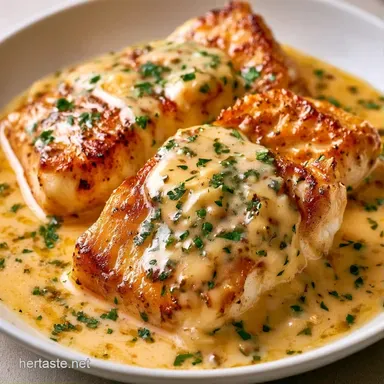
Roasted Grouper with Beurre Blanc
A common disaster with this dish is a sauce that breaks into a greasy puddle or fish that turns rubbery the second it hits the pan. When the butter separates, you lose that glossy finish, and overcooked grouper loses its delicate flake.
This method fixes both. By using a high-heat roast and a slow, cold-butter emulsion, you get a restaurant-style result without the stress. The roasted grouper with beurre blanc stays tender, and the sauce stays thick.
It's a simple process that relies on temperature control. You'll use an oven-safe skillet to avoid moving the fish twice, which keeps the crust intact and the flesh juicy.
Why the Method Works
- Cold Butter Cubes: Adding chilled butter slowly helps keep the sauce from breaking. Each cube melts and blends into the reduction before the next one goes in.
- The 450°F Roast: High heat finishes the fish quickly. This ensures the skin stays crisp and the inside doesn't overcook while waiting for the center to reach temperature.
| Fillet Thickness | Sear Time | Roast Time | Doneness Cue |
|---|---|---|---|
| 1 inch | 3 mins | 5 mins | Opaque, flakes easily |
| 1.5 inches | 4 mins | 8 mins | 145°F internal |
| 2 inches | 4 mins | 8 mins | 145°F internal |
Ingredient Deep Dive
| Ingredient | What It Does | Best Swap |
|---|---|---|
| Red Grouper | Offers a mild, flaky foundation | Halibut (firmer texture) |
| Unsalted Butter | Forms the rich emulsion | Ghee (will be less creamy) |
| Fish Stock | Contributes savory depth to the sauce | Clam juice (more briny) |
| Fresh Lemon | Balances the butter's richness | White balsamic vinegar (milder) |
Ingredients
- 4 skin-on red grouper fillets (6 oz / 170 g each)
- 2 tbsp olive oil
- 1 tsp kosher salt
- 1/2 tsp cracked black pepper
- 2 tbsp all-purpose flour Why this? Dusts the top of the fish for a crisp, golden crust
- 1/2 cup fish stock
- 3 tbsp fresh lemon juice
- 1 small shallot, minced
- 1 cup chilled, cubed unsalted butter Why this? Must be cold to emulsify correctly
- 1 tbsp finely chopped fresh parsley
| Original Ingredient | Substitute | Why It Works |
|---|---|---|
| Red Grouper | Sea Bass | Has a similarly mild flavor and flake. Note: May need 1-2 mins less roasting |
| Shallot | Red Onion | Offers a comparable aromatic profile. Note: Use slightly less as it's sharper |
What You'll Use
You only need a few tools for this. Use a heavy, oven-safe skillet like cast iron or stainless steel. Check a non-stick pan's oven rating first, since many are rated below 450°F. You'll also need a digital meat thermometer to hit that exact safe temperature.
Cooking Steps
Searing the Fish
Preheat the oven to 450°F. Pat the grouper fillets completely dry with paper towels. This is a must, as moisture prevents the skin from browning. Season both sides with 1 tsp kosher salt and 1/2 tsp cracked black pepper. Lightly dredge only the top side in 2 tbsp all-purpose flour, shaking off any excess.
Heat 2 tbsp olive oil in an oven-safe skillet over medium-high heat until shimmering. Place the fillets skin-side down and press lightly with a spatula for 30 seconds. Sear for 3 to 4 minutes until the skin is golden and releases easily from the pan.

The Oven Roast
Transfer the skillet immediately into the preheated oven. Roast for 5 to 8 minutes. Check the thickest part of the fillet with a thermometer. USDA guidance puts the safe internal temperature at 145°F. Remove the pan and let the fish rest on a plate for 3 minutes.
Crafting the Beurre Blanc
While the fish is roasting, combine 1/2 cup fish stock, 3 tbsp fresh lemon juice, and minced shallot in a small saucepan over medium-high heat. Simmer until the liquid reduces by about two-thirds and looks syrupy.
Turn the heat to the lowest setting or remove the pan from the heat entirely. Whisk in the chilled butter one cube at a time. Ensure each piece is fully melted and emulsified before adding the next. The sauce should become thick and velvety. Stir in 1 tbsp finely chopped fresh parsley.

Solving Common Problems
If your sauce separates into oil and butter clumps, it has "broken." This usually happens due to excessive heat during the butter addition. You can frequently repair this by whisking in a teaspoon of warm water or fish stock over very low heat.
If the fish clings to the pan, you probably flipped it too soon. Wait for the skin to release naturally; forcing it will leave the skin stuck to the surface.
Sauce Breaking
The sauce loses its luster when the emulsion fails. Keep the temperature low and stir in the butter slowly.
Fish Sticking
Sticking occurs due to surface moisture or a pan that isn't hot enough. Pat the skin dry and wait for the oil to shimmer.
Overcooking
Fish keeps cooking after being removed from the oven. Pull it at 145°F; it may climb a degree or two while resting.
| Problem | Fix |
|---|---|
| Sauce is greasy/separated | Whisk in 1 tsp warm stock over low heat |
| Skin is soggy | Pat fish drier and sear longer |
| Fish is rubbery | Reduce roast time; pull at 145°F |
Flavor Twists

Caper-Lemon Twist
Stir in 1 tbsp of drained non-pareil capers along with the parsley. The saltiness of the capers cuts through the butter and pairs well with the mild grouper.
Herb-Infused Butter
If you have fresh tarragon or chives, mince them and stir them in at the end. For a different vibe, you could try a Broccoli Pasta recipe as a side to keep the meal feeling light.
Dairy-free Option
You can use a high-quality vegan butter stick. The process is the same, but be careful with the heat, as some plant-based butters have lower smoke points.
Best Side Dishes
Because this dish is quite rich, pairing it with something fresh or acidic helps create balance. Steamed asparagus with a splash of lemon or a light quinoa salad are great options. If you prefer a heartier side, roasted fingerling potatoes offer a wonderful textural contrast to the flaky fish. While a Vegetable Lasagna provides a creamy alternative, it can be quite heavy, so sautéed spinach is generally the better choice.
Before You Start Cooking
How do I tell the fish is cooked without a thermometer?
Look for the flesh to become opaque and flake easily with a fork. This indicates the center has reached the proper temperature.
What do I do when the beurre blanc seizes, goes matte, or looks greasy?
Whisk in a small amount of fish stock over very low heat. This helps re-emulsify the butter and restore the glossy texture.
How long can beurre blanc be held warm, and can it be reheated the next day?
Keep the sauce warm on the lowest heat for a short time before serving. Store leftovers in the refrigerator and reheat slowly over low heat to prevent separation.
Can I prevent the fish from sticking to the pan?
Pat the fillets completely dry and ensure the olive oil is shimmering before adding the fish. Pressing the fillets down for 30 seconds also helps create a clean release.
Roasted Grouper with Beurre Blanc
Ingredients:
Instructions:
Try These Next

Compound Butter Recipes: Six Essential Flavors for Instant Upgrade
Stop serving plain butter! These Compound Butter Recipes unlock the chefs secret weapon.

Easy & Juicy Scallops Roasted: Crispy with Lemon Butter Sauce
Craving delicious scallops roasted to perfection? Try my crispy sea scallops drizzled with lemon…

Broccoli Pasta in 15 Minutes: Silky Garlic Oil Sauce
Master this Broccoli Pasta using our step-by-step timing guide.

Vegetable Lasagna Recipe with White Sauce
The best vegetable lasagna recipe featuring roasted produce to avoid wateriness.
