Champagne Citrus Beurre Blanc Recipe Roasted Group Seafood Risotto
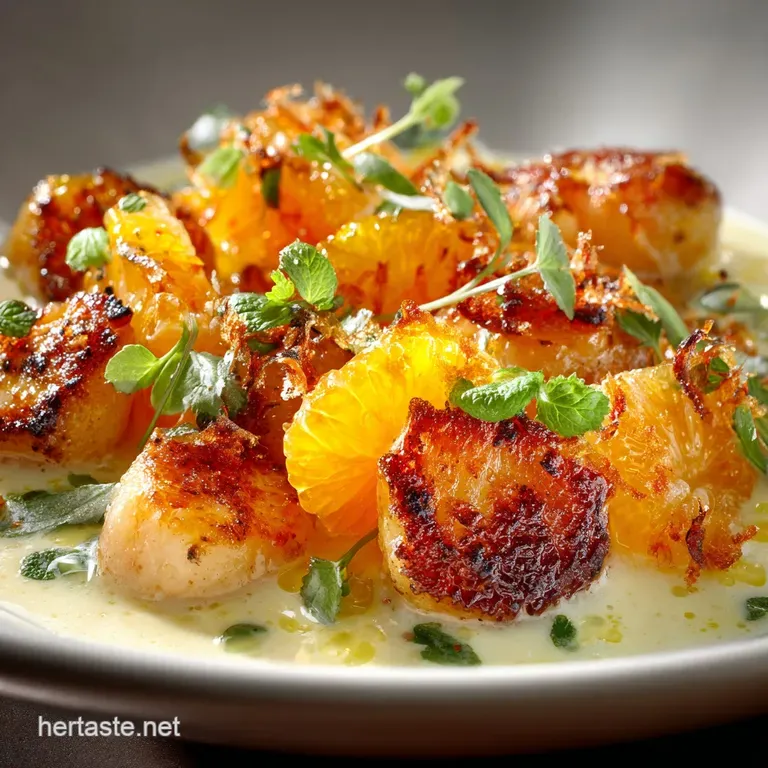
- Elevating the Classic: Roasted Grouper and Sparkling Beurre Blanc
- The Flavor Science Behind this Champagne Citrus Beurre Blanc Recipe
- Essential Components for the Champagne Citrus Beurre Blanc Recipe Roasted Group
- Master the Technique: Detailed Steps for the Roasted Grouper, Risotto, and Sauce
- Troubleshooting and Chef's Secrets for the Perfect Beurre Blanc
- Preparation and Storage Guide for Leftovers
- Pairing Suggestions for Your Elegant Champagne Citrus Beurre Blanc Roasted Grouper Dish
- Recipe FAQs
- 📝 Recipe Card
Elevating the Classic: Roasted Grouper and Sparkling Beurre Blanc
There is truly nothing better than the smell of dinner when you know it's going to be absolutely spectacular. Imagine that sharp, bright zing of fresh lemon peel hitting the warm, savory perfume of roasting fish.
That's what greets you here, leading you toward a dish that feels fancy, but delivers pure, comforting richness. This isn’t just dinner; it’s an event.
I know, I know a Beurre Blanc recipe sounds like something only a French chef in a toque should attempt, but trust me, we are totally overthinking it. This luxurious, creamy butter sauce is surprisingly quick, and when paired with perfectly flaky roasted grouper and a dreamy seafood risotto, it’s a complete game changer.
You can genuinely master this restaurant level dish in just over an hour.
So grab your best sparkling wine (yes, you need a sip for the cook, obviously) and let's make some magic. We're going to break down this Champagne citrus beurre blanc recipe Roasted group meal into three totally conquerable parts so you can plate up like a pro.
The Flavor Science Behind this Champagne Citrus Beurre Blanc Recipe
The secret to this entire dish is contrast. We need the soft, creamy, deeply comforting texture of the risotto and the richness of the butter sauce to be aggressively offset by acidity.
The Art of the Beurre Blanc Reduction: Why Sparkling Wine Matters
A traditional Beurre Blanc is just butter emulsified into a vinegar or white wine reduction. But when we swap in dry Champagne or Prosecco, we get this incredible, complex, slightly yeasty note that regular wine just can’t touch. The fizz also helps deepen the reduction quickly because of its structure.
You need to reduce the liquid until it’s almost syrupy. This highly concentrated acid is what prevents 1/2 cup of butter from turning into greasy soup. It’s chemistry, baby!
Why Grouper is the Ideal Canvas for a Rich Citrus Sauce
Grouper is fantastic because it’s firm, meaty, and holds its shape beautifully under high heat; it’s not going to disintegrate on you. The flesh is dense enough to stand up to the richness of the butter sauce and the creamy risotto, giving you textural variation in every bite.
Halibut or sea bass work well too, but grouper offers the best structural integrity for roasting.
A Celebratory Meal Ready for Your Next Special Occasion
You want a meal that feels special without stressing you out? This is it. While the risotto takes time and patience you must stir constantly the rest of the components are fast. My biggest mistake when I first started cooking gourmet food was trying to balance too many complex side dishes.
Here, the risotto, fish, and sauce are the only stars, making it a cohesive and elegant plate.
Balancing Acidity and Richness: The Emulsion Explained
The key to a successful Beurre Blanc is temperature control, full stop. We are suspending fat (butter) in water (the reduction) by whisking furiously while introducing cold butter to a warm (not hot!) acidic base.
The cold, small cubes of butter melt slowly, releasing their fat and emulsifiers gradually. If it’s too hot, the whole thing separates into oily sadness.
The Contrast: Flaky Roasted Fish Meets Creamy Seafood Risotto
The risotto serves two purposes: comfort and balance. We integrate prawns and scallops right at the end for sweetness and texture. This subtly sweet seafood base, combined with the salty Parmigiano Reggiano, is the perfect backdrop for the sharp citrus and the rich flakiness of the roasted grouper.
Synergizing Seafood Flavors: Scallops, Prawns, and White Wine
The scallops and prawns need very little time to cook, which is why we add them right before the mantecaura (the final resting and stirring phase). Using dry white wine for deglazing the risotto and a sparkling wine for the sauce ensures that all the components harmonize on the plate. If you enjoy elegant seafood pairings, you should also check out my Sauted SoftShell Crabs: Ultra Crispy Recipe with Brown Butter Sauce sometime it uses a similar butter sauce approach but with a nutty twist.
Essential Components for the Champagne Citrus Beurre Blanc Recipe Roasted Group
This recipe demands the best ingredients you can afford, especially when it comes to the butter. You're making a butter sauce; don't skimp on the quality!
Selecting the Best Grouper Fillets for Roasting
Look for fillets that are firm and bright, ideally with the skin on. The skin helps protect the delicate flesh from drying out in the oven and gives you that crucial crispy texture.
The Beurre Blanc Trio: Wine, Shallots, and high-quality Butter Fat
You need high fat, unsalted European style butter for the best result in the sauce. For the reduction, make sure your shallots are minced super fine; we want their flavor but not their crunch.
Risotto Essentials: Arborio Rice and Stock Quality Considerations
Please, for the love of good food, do not use water or broth from a cube. If you don't have time to make homemade fish stock, buy the best quality low-sodium fish or vegetable stock available. The stock is the flavor backbone of your risotto.
Smart Substitutions for Sparkling Wine and Fresh Citrus Zest
If you can't get Champagne or Prosecco, any good, bone dry sparkling wine works. For the fresh citrus notes, I absolutely insist you use real zest and juice bottled stuff is a betrayal of the butter sauce.
| Ingredient | Why We Use It | Viable Substitute |
|---|---|---|
| Grouper | Firm, robust flesh. | Cod, Halibut, or Sea Bass. |
| Champagne | Complex, sharp acidity. | high-quality dry Prosecco or Cava. |
| Arborio Rice | High starch content for creaminess. | Carnaroli or medium grain rice (requires more stirring). |
| Parmigiano Reggiano | Salty, nutty finish for risotto. | Grana Padano or Pecorino Romano. |
| Shallots | Milder, sweeter onion flavor. | 1 Tbsp finely minced yellow onion. |
Master the Technique: Detailed Steps for the Roasted Grouper, Risotto, and Sauce
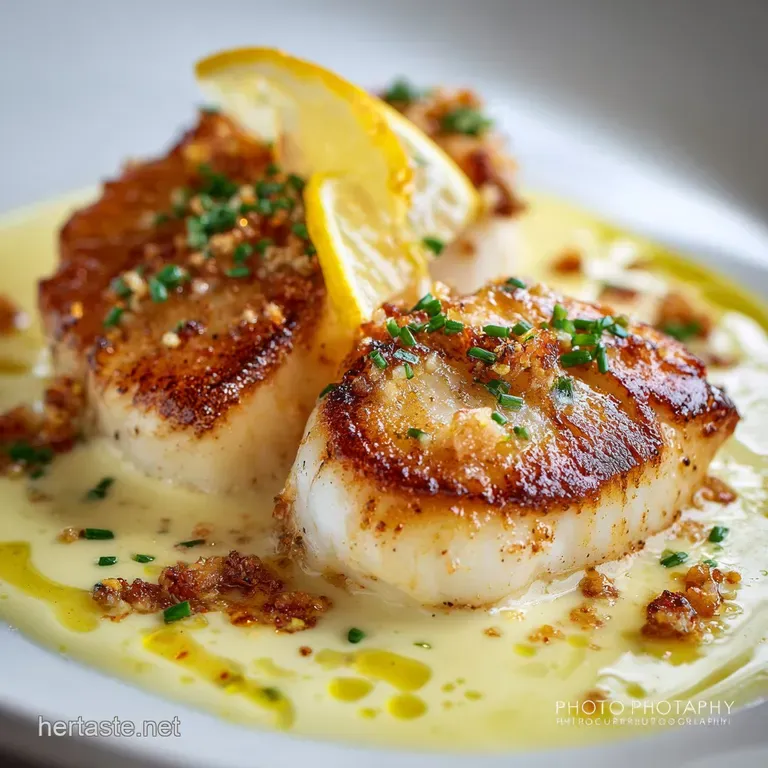
The biggest trick to making a multi part meal like this stress free is mise en place . Chop everything, measure everything, and have your hot stock simmering before you even touch the rice.
Phase 1: Perfecting the Crispy Skin on the Roasted Grouper
Preheat your oven to a blazing 400°F (200°C). Pat those grouper fillets bone dry; this is essential for crispy skin. Drizzle them lightly with olive oil and hit them hard with salt and pepper.
Place the fish on the baking sheet about 10 minutes before the risotto is done . Roast for 12– 15 minutes until it flakes easily and the internal temp is 145°F (63°C).
Phase 2: Building the Creamy Seafood Risotto Base (Integrating Scallops and Prawns)
Start your onions slow and low in butter and oil until they are completely translucent about 7 minutes. Now, add the rice and toast it, stirring for two full minutes until the edges of the grains are translucent. Pour in the wine and stir until absorbed.
Now begins the ritual: add hot stock, one ladle at a time, stirring constantly. Once you reach minute 18, stir in the scallops and prawns. They only need 3- 4 minutes to turn opaque.
Chef's Note: Stop adding stock when the rice is creamy but still has a slight bite in the center ( al dente ). That perfect creaminess comes from the constant friction and release of starch, not from overcooking the grains.
Phase 3: Creating the Stable Champagne Citrus Beurre Blanc Emulsion
In your smallest, non-reactive saucepan, melt the initial butter and soften the shallots gently. Add the Champagne, lemon juice, lime zest, and Dijon. Simmer hard until this liquid is reduced by two-thirds; it should coat the back of a spoon.
Strain this potent liquid immediately into a clean bowl to remove the shallots. Return the reduction to the pan over barely low heat (or off the heat entirely). Whisk in the cold, cubed butter, two cubes at a time, without stopping.
If the sauce looks thin or oily, lift the pan off the heat and keep whisking vigorously.
Final Assembly and Plating Guide for a Restaurant Quality Finish
Spoon the risotto onto warm plates, letting it spread naturally. Place the roasted grouper carefully right on top. Ladle that gorgeous, creamy, glittering yellow Champagne Beurre Blanc over the fish and onto the plate edge. Garnish with a tiny bit of fresh parsley or a microplane grating of lime zest.
Serve immediately before the sauce loses its creamy stability.
Troubleshooting and Chef's Secrets for the Perfect Beurre Blanc
I have definitely ruined many batches of Beurre Blanc, either by letting it boil or by adding the butter too fast. Learn from my mistakes!
Preventing the Emulsion from Breaking (How to Fix a Split Sauce)
If your Beurre Blanc looks like thin oil separated from chunky liquid it’s broken! Do not despair. Grab a clean, cold bowl and add 1 teaspoon of ice-cold water or heavy cream. Whisk the broken sauce into the cold liquid, a few drops at a time, until it comes back together. This often works instantly.
Achieving the Ideal Internal Temperature for Roasted Grouper
The fish is done when it hits 145°F (63°C). Overcooked grouper is dry and chewy. Undercooked grouper is unsafe. A cheap digital thermometer is your best friend here. If you don't have one, just make sure the thickest part of the fillet flakes easily with a fork, but still looks beautifully moist.
Common Mistakes When Whisking the Butter Sauce
- Too Fast: Adding the butter too fast before the previous cubes have emulsified leads to separation. Slow down.
- Too Hot: If the pan is too hot, the butter fat melts completely and separates from the milk solids and the acidic base. If you see bubbles, pull it off the heat now .
Preparation and Storage Guide for Leftovers
Because this dish has multiple sensitive components, handling leftovers requires care.
Reheating Roasted Grouper Safely Without Drying It Out
To reheat leftover grouper, the microwave is a hard no. Preheat your oven to 300°F (150°C), place the fish on a tray with a splash of water or stock, cover it tightly with foil, and warm it for 8– 10 minutes until heated through. The steam keeps it moist.
Storing and Refreshing Leftover Seafood Risotto
Leftover risotto will solidify into a thick mass in the fridge. Store it airtight for up to 3 days. To refresh it, place it in a pot with a splash of hot stock or water and stir vigorously over low heat until it loosens back into a creamy texture.
Can You Freeze Beurre Blanc? (Spoiler: No, but here's why)
Absolutely not. Beurre Blanc is a delicate emulsion of fat and liquid. Freezing causes the water components to expand and crystalize, destroying the structural integrity of the emulsion when thawed. It will separate into oil and whey. Make only what you plan to use immediately.
Pairing Suggestions for Your Elegant Champagne Citrus Beurre Blanc Roasted Grouper Dish
When you've gone to the trouble of making this spectacular dish, your side pairings should be simple and complementary.
This rich, creamy meal demands something sharp and palate cleansing on the side. I love serving this with blanched asparagus tossed in lemon, but if you're looking for another comforting starch option, my signature Sweet Potato Casserole: Chefs Signature Recipe with Pecan Streusel can offer a nice contrasting sweetness, especially if you dial back the cheese in the risotto slightly.
For a drink that complements the bright acidity of the sauce without adding more richness, consider something clean. A simple glass of bone dry Sancerre is perfect, or if you need hydration after all that hard work and want to keep the citrus theme going, whip up a batch of my SugarFree Keto Electrolyte Powder Recipe: Zesty 10 Minute Hydration Mix . The bright, sugar-free zestiness is a wonderful counterpoint to the creamy butter.

Recipe FAQs
Why did my Champagne Citrus Beurre Blanc sauce separate or "break"?
A broken Beurre Blanc is usually caused by excessive heat or adding the butter too quickly. Ensure your reduction is barely simmering when you whisk in the cold butter chunks one at a time, keeping the overall sauce temperature below 140°F (60°C).
If separation occurs, quickly whisk in a tablespoon of ice-cold water or heavy cream off the heat to attempt re-emulsification.
I can't find Grouper. What are suitable substitutes for the roasted fish?
Excellent substitutes for grouper include Red Snapper, Halibut, or Cod, as they are all firm, white, flaky fish that hold up well to roasting and complement the richness of the beurre blanc.
Remember to adjust the cooking time slightly based on the thickness of the fillet, aiming for an internal temperature of 145°F (63°C).
Can I substitute the Champagne in the Beurre Blanc reduction?
Yes, you can substitute the Champagne with any dry sparkling wine like Prosecco or Cava, or a crisp, dry white wine such as Sauvignon Blanc or Pinot Grigio.
The key is acidity, so avoid overly sweet wines as they will throw off the necessary sharp balance of the sauce.
How should I properly store and reheat leftover Seafood Risotto?
Store the risotto in an airtight container for up to three days, noting that the seafood is best consumed promptly. When reheating, the starch will have tightened, making the risotto appear stiff.
Reheat slowly on the stovetop with a splash of extra warmed stock or water to restore its creamy consistency; avoid the microwave, which tends to dry it out.
Is it possible to make the Beurre Blanc sauce ahead of time?
Traditional Beurre Blanc is best made right before serving, as it does not hold its emulsion well when cooled or reheated.
However, you can prepare the reduction base (shallots, wine, and citrus) hours ahead of time and store it in the refrigerator. When ready to serve, gently reheat the reduction and incorporate the cold butter off the main heat source.
Why is my seafood risotto gummy instead of creamy and al dente?
Gummy risotto is often caused by insufficient heat or adding too much liquid at once, which allows the rice grains to overcook on the outside while releasing too much starch.
Ensure your stock is piping hot and add it gradually, allowing the liquid to be fully absorbed before adding the next ladle, achieving the signature creamy texture with a slight bite in the center.
Can I use salted butter instead of unsalted butter for the sauce?
While unsalted butter is preferred for consistency in seasoning, you can use high-quality salted butter if necessary.
If you use salted butter, omit any added salt until the very end of the recipe, and taste carefully, as the salt content in the butter can vary significantly.
Roasted Grouper Champagne Beurre Blanc
Ingredients:
Instructions:
Nutrition Facts:
| Calories | 473 kcal |
|---|---|
| Protein | 12.3 g |
| Fat | 33.0 g |
| Carbs | 31.8 g |
