Pukka Pockets of Joy the Ultimate Homestyle Aloo Masala
- Unveiling the Secret to Authentic Indian Potato Filling
- Why This Aloo Masala Recipe Reigns Supreme
- Gathering Your Aromatic Arsenal: Essential Components
- The Masterclass: Step-by-Step Assembly of Flavour
- Maximising Enjoyment: Serving Suggestions and Storage Secrets
- Elevating Your Aloo Masala Beyond the Basics
- Recipe FAQs
- 📝 Recipe Card
Unveiling the Secret to Authentic Indian Potato Filling
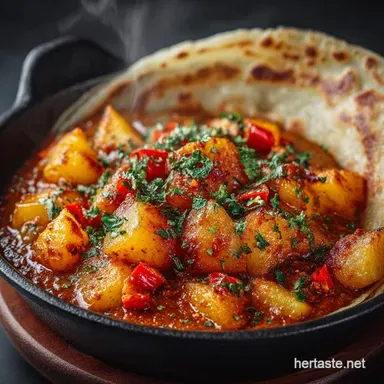
There are humble dishes, and then there is Aloo Masala . In the vast and varied landscape of Indian cuisine, this vibrantly spiced potato preparation stands as a bedrock, an essential filling that elevates simple street food to global delicacy status.
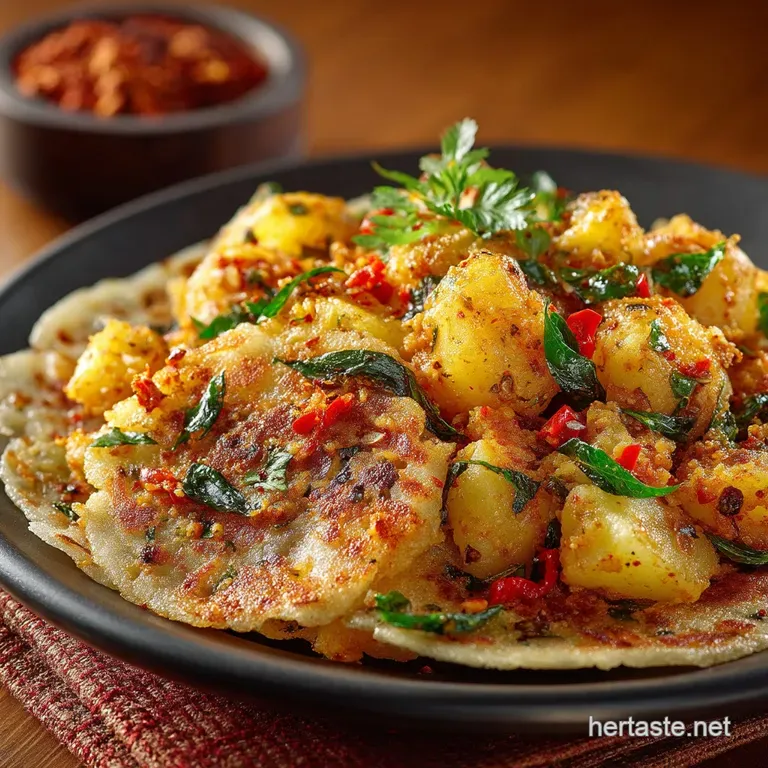
Forget the concept of bland, boiled potatoes; the Aloo Masala Recipe we are exploring today is anything but pedestrian. It’s an aromatic symphony of tempered spices, fresh herbs, and perfectly cooked tubers, designed to achieve that sublime texture that sings when tucked inside a lacy South Indian dosa or encased within a crispy samosa shell.
This isn't just a side dish; it’s the heart and soul of many beloved vegetarian treasures.
Why This Aloo Masala Recipe Reigns Supreme
What separates a truly great Potato Masala from an average one? It boils down to technique and the quality of the foundational aromatics. Our approach focuses on building layers of flavour, starting with the tadka (tempering), ensuring that every bite delivers complexity rather than just heat.
This specific method ensures the filling remains moist and flavourful, never dry or chalky, making it the perfect component whether you are crafting a magnificent Dosa Stuffing Recipe or preparing a quick Aloo Masala Sandwich .
Setting the Stage: What Makes This Masala So Pukka?
We aim for a flavour profile that is genuinely "Pukka" robust, authentic, and satisfying. The secret lies in the inclusion of whole spices like mustard seeds and fresh curry leaves, which must be expertly tempered in hot oil to release their essential oils.
This quick infusion process is what creates that unmistakable aroma associated with authentic Aloo Curry For Dosa . Difficulty wise, this is categorized as Easy, proving that incredible depth of flavour doesn't require complex culinary gymnastics just attention to timing.
Our prep time totals just 15 minutes, with only 20 minutes required for cooking, giving you a phenomenal 35-minute total time to achieve perfection. This yields roughly four cups of filling, enough for about six to eight substantial dosas.
More Than Just Potatoes: The Flavour Profile Explained
While potatoes form the bulk, the complexity comes from the supporting cast. We use a careful balance of ground spices turmeric for colour, coriander for body, and cumin for earthiness combined with the sharpness of fresh ginger, bright green chillies, and the necessary acidic lift provided by fresh lemon juice at the very end.
This ensures that the finished Dosa Potato Masala Recipe is beautifully balanced: savoury, slightly earthy, tangy, and possessing a pleasant warmth rather than scorching heat.
The Cornerstone of Dosa Dreams and Samosa Success
If you aspire to make the perfect Masala Dosa, this filling is non-negotiable. It must hold its shape slightly while remaining soft enough to complement the crispness of the crepe.
On top of that,, its versatility means that the same preparation can easily be used to construct a delightful Aloo Masala Roll or the classic interior for a Samosa.
This recipe truly serves as the ultimate, foundational Potato Palya that can adapt to any application you desire.
Gathering Your Aromatic Arsenal: Essential Components
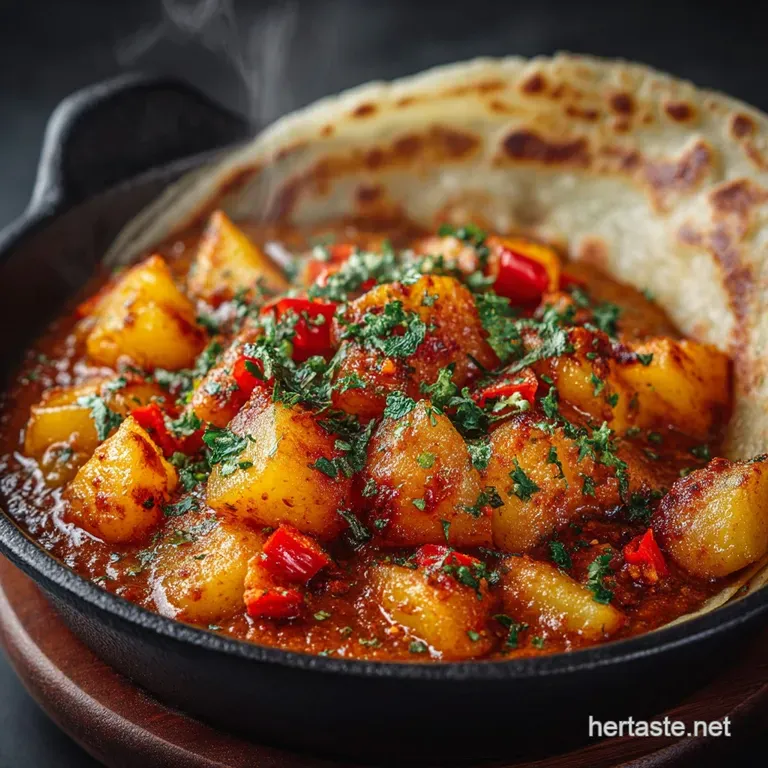
To successfully create this vibrant filling, meticulous ingredient gathering is key. Precision in measurement, especially for the spices, will prevent overwhelming the delicate potato flavour. We focus on fresh aromatics to achieve that bright finish, which is crucial for an all-day satisfying meal.
Spices That Sing: Mastering the Tempering Blend
The flavour journey begins with the tempering oil. You will need two tablespoons of a neutral cooking oil, such as vegetable or canola. Into this, introduce one teaspoon of whole mustard seeds these must be allowed to fully sputter before proceeding.
A tiny, vital pinch of asafoetida (hing) is included for that authentic, slightly sulphuric depth that balances the dish beautifully. For the ground spices, we incorporate half a teaspoon of turmeric powder, one teaspoon of coriander powder, and half a teaspoon of cumin powder.
This combination provides colour, structure, and earthiness.
The Must Have Produce for Vibrancy and Tang
The core ingredient is 1.5 pounds of Russet or Yukon Gold potatoes, chosen for their ability to hold texture after boiling. For aromatics, finely chop one medium yellow or white onion, mince or grate one tablespoon of fresh ginger, and finely slit one to two green chillies, depending on your tolerance for heat.
The brightness is sealed in with one tablespoon of freshly squeezed lemon juice and a generous quarter cup of roughly chopped fresh coriander (cilantro) added right at the end for colour and perfume.
Tools of the Trade: Essential Kitchen Equipment Checklist
Fortunately, this preparation requires minimal specialised gear. You’ll need a medium saucepan to perfectly boil your potatoes until just tender. The main cooking action happens in a large non-stick skillet or frying pan, essential for sautéing the aromatics without sticking.
Finally, have a reliable potato masher or a large sturdy fork ready; the goal is a roughly mashed texture, not a smooth paste.
Related Recipes Worth Trying
- Authentic Crispy Masala Dosa Recipe At Home Dosa Recipe — Learn how to make truly crispy Masala Dosa with this triedandtested recipe Get the secret to the perfect potato masala filling and lacy crepe texture
- Easy Authentic Potato Masala for Dosa Street Food Filling — Tired of soggy fillings Master the restaurant style potato masala for dosa with this easy fluffy Aloo Masala recipe Perfect texture guaranteed
- Foolproof Aloo Gobi Matar Recipe Authentic Indian Comfort Food — Master the most comforting Aloo Gobi Matar recipe This easy dry vegetarian curry is packed with fragrant spices Perfect for a hearty weeknight meal
The Masterclass: step-by-step Assembly of Flavour
Now that the components are assembled, we move into the cooking phase, focusing on building sequential layers of flavour from the tempered oil to the final seasoning.
Prepping the Potatoes: Cooking to Just Tender Perfection
Start by placing your 1.5 lbs of potatoes into the saucepan and covering them generously with salted water, using about one teaspoon of salt initially. Boil them until they are easily pierced with a fork this usually takes between 15 to 20 minutes depending on the size.
The critical step here is draining them completely and allowing them to cool just enough so you can handle them. Peel them if you prefer, then coarsely mash them, ensuring you leave some delightful, distinct chunks remaining for textural variation. Set this base aside while you prepare the flavour foundation.
The Tadka Technique: Unleashing the Power of Sizzling Spices
Heat the two tablespoons of oil in your skillet over medium heat until shimmering. Add the teaspoon of mustard seeds. Wait patiently until they begin to sputter vigorously this sound and sight confirm that their flavour is being properly infused into the oil.
Immediately drop in the asafoetida, curry leaves, and the slit green chillies. Stir briskly for about 30 seconds until the air fills with that signature, fragrant spice scent. Next, introduce the chopped onion, sautéing gently for four to five minutes until translucent; we want them soft, not browned.
Folding in the Flavour: Combining Masala and Aloo
Lower the heat significantly before adding your dry spices: turmeric, coriander, and cumin powder. Stir constantly for just half a minute to 'bloom' them in the residual oil, being careful not to let them burn. Immediately pour in the quarter cup of water along with the secondary half teaspoon of salt.
Stir this quickly to form a loose, fragrant paste coating the base of the pan. Now, introduce your roughly mashed potatoes to the skillet. Gently fold and mix everything together, ensuring every potato piece is thoroughly coated with the spiced onion mixture.
Final Adjustments: Perfecting the Tang and Salt Balance
Allow the mixture to simmer gently over low heat for about three to five minutes. This short cooking period is vital as it allows the potato base to absorb the complexities of the tadka . Once melded, remove the pan from the heat source.
Stir in the tablespoon of fresh lemon juice and the chopped fresh coriander. Taste test critically now; this is your moment to add any final pinches of salt or a squeeze more lemon to hit your personal preference for tanginess.
Maximising Enjoyment: Serving Suggestions and Storage Secrets
Once your Aloo Masala has reached its peak flavour, the next concern is how best to use and preserve this delicious creation.
Keeping Fresh: Storage Tips for Leftover Potato Filling
This filling stores remarkably well. If you have leftovers, transfer the cooled Aloo Masala to an airtight container. It will keep beautifully in the refrigerator for three to four days. The flavour often deepens overnight, making it an excellent option for meal prep.
When reheating, sprinkle a tablespoon of water over the filling and warm gently in a pan to restore its moisture.
Fantastic Pairings: What to Serve With This Filling
The classic marriage is, of course, the Masala Dosa, served alongside traditional coconut chutney and tangy sambar. However, this robust filling shines equally well as a side dish to simple steamed rice and a cooling yogurt Raita.
For a delightful quick lunch, use it generously spread inside bread for a hearty Aloo Masala Sandwich , or use it cold as a stuffing for flatbreads.
Creative Twists: Spice Variations and Vegetable Additions
To keep things exciting, consider introducing variations. For an added layer of sourness, mix in a teaspoon of dried mango powder (Amchur) alongside the ground spices. If you prefer a slightly sweeter, textured filling, incorporate half a cup of frozen green peas during Step 8 of the main process.
And while curry leaves are essential, if you’re out, substituting with half a teaspoon of dried fenugreek leaves (Kasoori Methi) added right at the end provides a lovely, earthy aroma as an alternative.
Nutritional Snapshot: Estimating the Macros of Your Masala
Considering this recipe yields roughly eight servings, each portion of the filling itself contains approximately 180 to 200 calories, deriving about 7 grams of fat primarily from the tempering oil. It offers about 4 grams of protein and 30 grams of carbohydrates, largely complex carbs from the potato.
It’s naturally rich in Vitamin C, especially thanks to the fresh chillies and lemon juice incorporated at the end of cooking.
Elevating Your Aloo Masala Beyond the Basics
A truly superior Aloo Masala transcends its basic ingredients through small, thoughtful enhancements.
The Must Have Produce for Vibrancy and Tang
Remember, the freshness of the aromatics cannot be overstated. Using freshly grated ginger versus pre-minced jarred ginger will yield a cleaner, brighter flavour profile. Likewise, the instant hit of aroma from fresh curry leaves during the tempering process far surpasses dried alternatives.
For those seeking a different tang, substituting the lemon juice with a teaspoon of tamarind paste mixed with a little water works wonderfully for a deeper, richer sour note.
Creative Twists: Spice Variations and Vegetable Additions
While our core recipe is a classic, don't hesitate to experiment. For a richer, deeper flavour often associated with restaurant style preparations, consider adding a teaspoon of fennel seeds alongside the mustard seeds during the tempering phase.
If you are transforming this into a fuller meal, incorporating sautéed bell peppers or finely diced carrots along with the onions adds excellent colour and additional fibre, making your potato preparation even more substantial and appealing for a family dinner.
Fantastic Pairings: What to Serve With This Filling
Beyond the expected Dosa, this robust mixture is perfect for transforming simple wheat rotis into a satisfying Aloo Masala Roll —a fantastic lunchbox item.
It also forms the basis for incredibly popular tea-time snacks, like stuffing them inside puff pastry squares before baking for a quick, savoury treat. Its versatility ensures that this simple Potato Palya remains a staple in kitchens everywhere, proving its enduring excellence.
Recipe FAQs
Why is my Aloo Masala a bit too wet or mushy?
This usually happens for two reasons: either you boiled the potatoes for too long, or you didn't drain them properly after boiling. For the perfect texture, make sure the potatoes are cooked through but still hold their shape, and always let them cool slightly before mashing them roughly, leaving plenty of nice chunks.
Can I make this Aloo Masala ahead of time, and how should I store it?
Absolutely, it keeps brilliantly! Once cooled completely, store your Aloo Masala in an airtight container in the fridge for up to 3 days. When reheating, splash in a tiny bit of water or lemon juice and heat gently on the hob to loosen it back up it’s perfect for those busy weekday breakfasts.
What's the secret to getting that authentic, vibrant flavour in the Aloo Masala base?
The secret lies in the initial tempering, the 'tadka'! Make sure your mustard seeds properly splutter in the hot oil, and don't rush sautéing the curry leaves and ginger this releases their essential oils.
Also, always bloom your powdered spices (like turmeric) in the oil/onion mixture for just 30 seconds before adding liquid, or they can taste raw.
I’m sensitive to heat; how can I reduce the spice level in this Aloo Masala?
That’s easily managed! The green chillies are the main heat source, so use just one and make sure you de-seed it before slicing, as the seeds carry most of the fire. You can also omit the chilli entirely and add a small pinch of Kashmiri chilli powder at the end instead, which gives colour without adding much heat.
I don’t have fresh curry leaves; what can I substitute them with in this recipe?
Curry leaves offer a very distinct, slightly nutty aroma, so a perfect replacement is tricky, but not impossible! If you have dried fenugreek leaves (Kasoori Methi), stir a generous teaspoon in right at the very end with the coriander; it brings a different, lovely earthy depth that works nicely as a workaround.
Is this Aloo Masala generally a healthy filling, and can I make it vegan?
It’s quite healthy, being potato based and full of fresh aromatics! To ensure it’s fully vegan, just double check your oil choice (vegetable or coconut oil is fine) and skip the optional Asafoetida if it's processed with wheat flour, though most pure forms are vegan friendly.
It’s much lighter than, say, a heavy chip shop curry sauce!
Pukka Aloo Masala Filling