Pennsylvania Dutch Beans: the Absolute Best Sweet and Sour Baked Beans
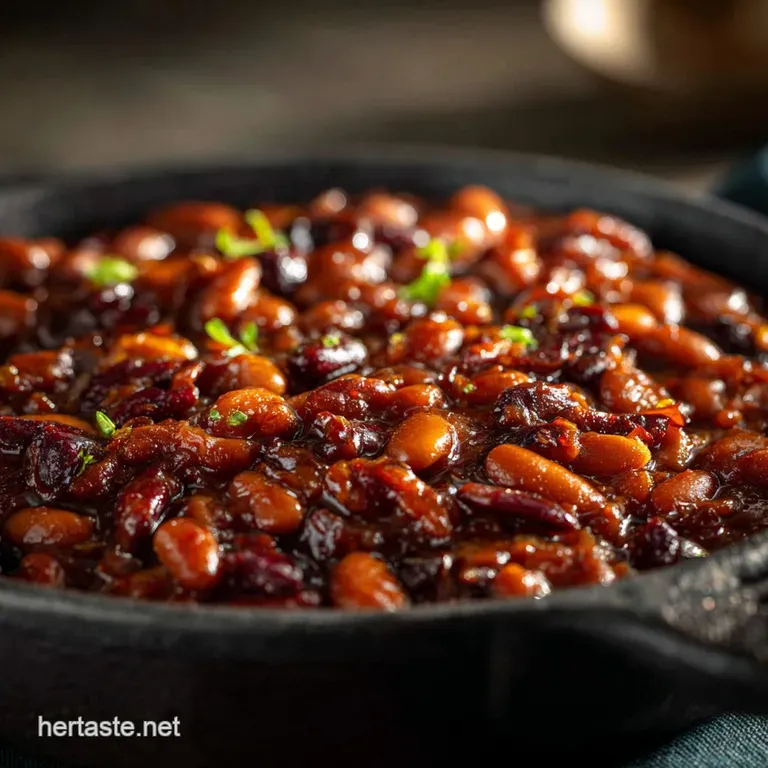
- The Authentic Taste of Pennsylvania Dutch Beans
- The Alchemy of Classic Baked Beans: Why This Recipe Is Superior
- Essential Ingredients for Proper Pennsylvania Dutch Beans
- Ingredient Substitutions and Flavor Boosters
- Step-by-Step Guide: Making Your Pennsylvania Dutch Beans
- Troubleshooting and Tips from the Dutch Kitchen
- Storing and Reheating Classic Baked Beans
- What to Serve Alongside Pennsylvania Dutch Beans
- Recipe FAQs
- 📝 Recipe Card
The Authentic Taste of Pennsylvania Dutch Beans
Listen, when these Pennsylvania Dutch Baked Beans hit the oven, your whole house transforms. That scent is pure, unadulterated comfort: deep molasses, the sharp tang of vinegar, and the savory promise of wood smoke. It’s heaven in a casserole dish, seriously.
This recipe is the real deal, miles away from the overly sweet, gloppy stuff you find in cans.
The best part? These aren't fussy. They are ridiculously cheap to make, require almost zero technical skill, and they easily feed a crowd for a backyard cookout or a big Sunday dinner.
It’s the kind of reliable, hearty side that everyone devours, and it’s a brilliant way to save money while still serving up something absolutely fantastic.
If you’re ready to ditch the boring side dishes and embrace the magic of sweet, sour, and smoky goodness, grab your Dutch oven. We are making a legendary batch of baked beans that will make you a neighborhood hero. Let’s crack on!
The Alchemy of Classic Baked Beans: Why This Recipe Is Superior
Defining the 'Sweet, Sour, and Smoked' Flavor Profile
If you’re used to the overly sweet, BBQ-style baked beans, prepare yourself for a flavor revelation. Pennsylvania Dutch cooking, influenced heavily by German heritage, demands a powerful balance of sweet and sour.
It is this sweet and sour baked beans complexity that makes the dish legendary. We use molasses and brown sugar for depth, but then we aggressively cut that richness with apple cider vinegar. The bacon provides that essential smoky, savory base layer.
A History of Hearty German American Comfort Food
These beans are foundational to Pennsylvania Dutch Recipes and the broader Amish Recipes tradition. Historically, they were designed to be robust, filling, and capable of sitting in a warm oven for hours while folks were busy with farm work.
This slow, low baking process not only tenderizes the beans perfectly but also allows the sauce ingredients to genuinely marry. It's truly a testament to simple, hardworking food that stands the test of time.
Achieving the Crucial Sweet Sour Balance
The key success factor here is adding the vinegar and molasses after the beans have been mostly cooked. When people try to boil dried beans directly in an acidic sauce, the beans often seize up and stay annoyingly tough.
Par-cooking the beans in plain water or stock first is non-negotiable for that wonderfully creamy interior texture. Once they are soft, the sauce can wrap around them beautifully without interference.
Deepening the Flavor Through Slow Baking and Molasses
Molasses isn't just a sweetener; it’s a flavor powerhouse. I prefer using blackstrap molasses because it brings a deeper, slightly bitter, mineral complexity compared to lighter syrups. It’s what gives this recipe that gorgeous, dark color and satisfying earthiness. Contrast this slow baked method with my faster, stovetop approach like my 30Minute Creamy Tuscan Marry Me Butter Beans Recipe . You’ll quickly understand that some dishes simply demand time to achieve true depth.
Essential Ingredients for Proper Pennsylvania Dutch Beans
You don’t need a huge list of ingredients for this classic side dish, but every single item plays a crucial role. We’re working with beans, smoked pork, aromatics, and the core sweet/sour profile. Simple, powerful stuff!
Ingredient Substitutions and Flavor Boosters
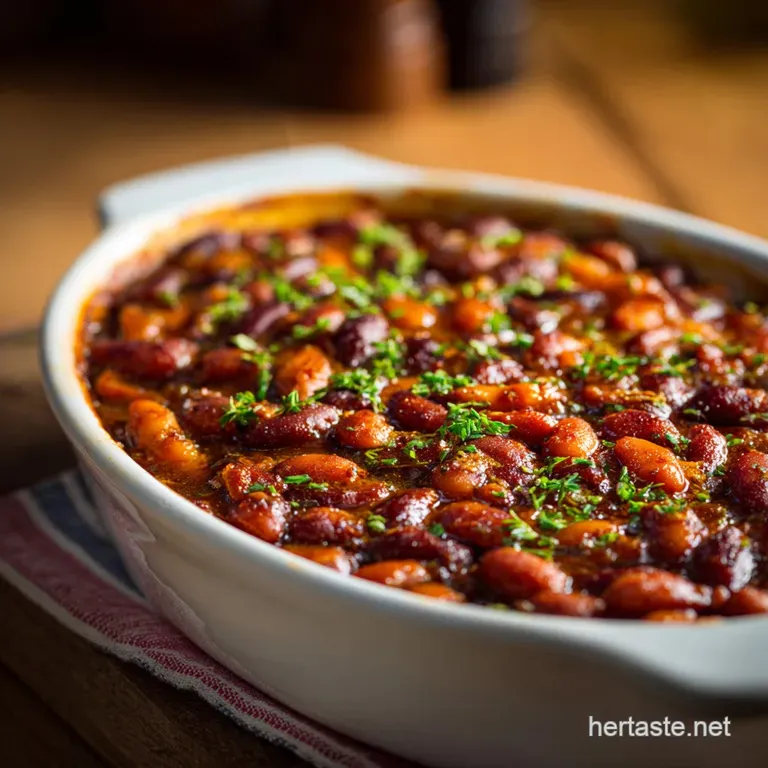
Selecting the Right Bean: Navy vs. Great Northern
I swear by the Navy bean for this Pennsylvania Dutch Baked Beans Recipe . They hold their shape well but still get deliciously creamy inside, absorbing the sauce perfectly. Great Northern beans are also fantastic and perhaps a little larger if you prefer a meatier bean. My mistake once?
I tried using kidney beans; they tasted fine but the texture was totally wrong and they looked weird in the casserole. Stick to the small, white varieties!
The Role of Smoked Pork (Bacon or Salt Pork)
This isn't just about fat; it's about smoke and depth. Streaky bacon is my go-to, but traditional recipes often call for salt pork. Don't skip the step of rendering the fat and sautéing the onion in it. That smoky fat is essential.
Chef's Note: Saving that bacon fat (or lard) to sauté your onions is the single best step for maximizing deep, savory flavor in the final dish.
Sweeteners and Acids: Mastering Molasses, Brown Sugar, and Vinegar
This combination provides the signature complexity. Molasses is for depth and color, brown sugar is for simple sweetness and moisture, and the apple cider vinegar is the essential tangy component. Don't even think about swapping the vinegar for lemon juice, it’s just not the same acidic profile!
Quick Fixes for Vinegar and Molasses Alternatives
It happens; you reach into the cupboard and realize you're missing a key ingredient. Don't panic!
| Missing Ingredient | Viable Substitute | Notes |
|---|---|---|
| Blackstrap Molasses | Dark Maple Syrup (reduce sugar slightly) | Or equal parts honey mixed with a bit of soy sauce for color. |
| Apple Cider Vinegar | White Wine Vinegar (use 2/3 the amount) | Or malt vinegar if you like a stronger profile. |
| Navy Beans (Dried) | Canned Cannellini or Great Northern (Rinsed) | See notes on skipping the soaking/par-cooking steps. |
| Bacon | Smoked Ham Hock or Smoked Turkey Tail | You need that smoke, so don't just use lard. |
Making These Beans Vegetarian (Excluding Smoked Pork)
If you need a vegetarian version, it's totally possible, but you must compensate for the missing smoke. Omit the bacon entirely, use oil for sautéing the onions, and add 1 teaspoon of liquid smoke to the sauce mixture. Use vegetable stock instead of water for par-cooking.
You can still achieve a fantastic flavor, just a different one!
step-by-step Guide: Making Your Pennsylvania Dutch Beans
Preparation: Soaking the Beans and Rendering the Smoked Pork
- Soak Smart: Make sure you soak your beans overnight. If you forget (I've done it a thousand times!), use the quick soak method: boil them for two minutes, take them off the heat, and let them sit covered for a full hour. Drain and rinse.
- Par-Cook for Creaminess: Return the soaked beans to the pot, cover them with fresh cold water or stock, and simmer gently for about 45- 60 minutes. They should be nearly tender but not falling apart.
- Get the Smoke Going: Preheat your oven to 325°F (160°C). Chop your bacon and cook it until it’s wonderfully crispy. Remove the bacon and save it, but leave that glorious fat in the pot!
Combining the Sauce Base and Aromatics
- Build the Base: Toss the diced onion into the bacon fat and cook until soft and translucent about 5- 7 minutes. Add the garlic and stir until fragrant, maybe 60 seconds tops. You don’t want that garlic burning, ever.
- Whisk the Sauce: In a separate bowl, whisk together the molasses, brown sugar, apple cider vinegar, mustard, Worcestershire sauce, tomato paste, salt, and pepper. It’s going to smell super concentrated right now, but trust the process.
Baking Low and Slow for Maximum Depth of Flavor
- Mix Everything: Add the par-cooked beans, the crispy bacon, and about 1 cup of the reserved bean cooking liquid to the pot with the onions. Pour the sauce over everything and stir until every bean is beautifully coated in the dark, sticky mixture.
- The Slow Bake: Transfer the mixture to a 9x13 dish or keep it in your covered Dutch oven. Bake, tightly covered, for 60 minutes.
The Final 30 Minutes: Achieving the Perfect Thickness
- Uncover and Caramelize: After the first hour, take the lid or foil off. Return the beans to the oven for another 30 minutes. This is when the magic happens! The sauce will reduce, thicken up beautifully, and caramelize slightly on the surface.
- Check for Thickness: The sauce should look thick and glossy, not runny. If it’s still too thin, give it another 10 minutes uncovered. Let it rest 15 minutes before serving so the sauce can fully set up.
Troubleshooting and Tips from the Dutch Kitchen
Why Are My Beans Still Tough? (Addressing the Soaking Issue)
This almost always traces back to inadequate soaking or adding the acidic sauce too early. If you didn't soak the beans long enough, no amount of baking will truly soften them. If you're pressed for time, you should probably opt for my NoSoak Instant Pot Cooked Beans Creamy Flavourful Black Beans method instead of trying to rush the Pennsylvania Dutch version.
Adjusting the Sweet and Sour Ratios After Baking
Taste is subjective, right? If your beans are too sweet after baking, stir in one extra teaspoon of apple cider vinegar at the end. That sharp tang will immediately balance the sweetness. If they are too sour, stir in half a teaspoon of brown sugar (dissolved in a tiny bit of hot water first) until the flavor mellows.
Maximizing the Smoky Aroma
The bacon fat does most of the heavy lifting. To really amplify the smoke, use hickory smoked bacon rather than standard pork belly. For a huge, slow cooked punch, you could also substitute the bacon entirely for a small smoked ham hock, cooking it with the beans, and then shredding or removing it before serving the ultimate Grilling Recipes Pork pairing.
Storing and Reheating Classic Baked Beans
Refrigeration vs. Long Term Freezing
These beans are fantastic for batch cooking! They keep beautifully in an airtight container in the fridge for up to 5 days. But does it freeze well? You bet.
Best Methods for Reheating Without Drying Out
If you plan to freeze them (which they handle wonderfully for up to 3 months), make sure they are completely cool before transferring to a freezer safe container. When reheating, the best method is low and slow in the oven (300°F/150°C), covered with foil, and maybe splash in a tablespoon of water or stock to restore moisture.
Reheating in the microwave tends to dry them out around the edges, making them tough.
What to Serve Alongside Pennsylvania Dutch Beans
These beans are the quintessential barbecue side dish, but they pair well with so much more! They are a hearty meal addition year round.
Perfect Pairings for Grilling Season
This recipe is built for cookouts. Serve them next to grilled Kielbasa sausage, slow smoked ribs, or even thick cut pork chops. If you're looking for another green side dish to go with your BBQ, I highly recommend my quick Garlic Butter Green Beans Recipe: Tender, Crisp, and Ready in 25 Minutes for a contrasting texture. Just make sure you have plenty of good, thick cornbread ready to soak up that luscious, sticky sauce!

Recipe FAQs
Can I use pre-canned beans instead of starting with dry navy beans?
Yes, absolutely. To save significant preparation time, you can substitute dry beans with four 15-ounce cans of navy or great northern beans, ensuring they are thoroughly drained and rinsed before use.
If using canned beans, reduce the liquid specified in the recipe by half and only bake for 1 to 1.5 hours, as the goal is simply to meld the flavors and thicken the sauce.
My baked beans turned out too dry after baking. What went wrong?
If your beans become dry, it usually means the liquid evaporated too quickly during the long baking process. Try adding 1/2 cup of hot water or low-sodium chicken/vegetable broth to the mixture and stir gently before continuing to bake, checking every 20 minutes.
Next time, ensure the baking dish is tightly covered with foil for the majority of the cooking time to trap steam and moisture.
How do I perfectly balance the sweet (molasses) and sour (vinegar) flavors?
The sweet sour balance is the hallmark of this dish, and it must be tasted before the final bake. If the mixture is too sweet, add a teaspoon of apple cider vinegar at a time until the tang cuts through the richness.
If it is too sour, stir in a small amount of dark brown sugar or molasses (about 1/2 teaspoon) until the acidity mellows to your preference.
Can I make Pennsylvania Dutch beans vegetarian or vegan?
Yes, this recipe adapts very well to plant based diets. Substitute the bacon or smoked meat with a generous tablespoon of smoked paprika and a few drops of liquid smoke to maintain that crucial smoky depth. Ensure you are using vegetable stock or water as the primary liquid instead of any animal based broth.
Which type of vinegar works best for the authentic Dutch tang?
While some recipes use plain distilled white vinegar, Apple Cider Vinegar (ACV) is generally preferred for its complexity. ACV offers a slightly fruitier, milder tang that integrates beautifully with the depth of the molasses and smoked components.
Balsamic or red wine vinegars should be avoided as they will alter the traditional flavor profile too much.
How should I store and reheat leftover beans, and do they freeze well?
Store leftover beans in an airtight container in the refrigerator for up to 5 days; the flavor actually improves overnight. They freeze excellently; allow them to cool completely before transferring to freezer safe containers for up to 3 months.
When reheating, it is best to do so slowly on the stovetop or in the oven, adding a splash of water or broth to restore moisture.
Proper Pennsylvania Dutch Baked Beans
Ingredients:
Instructions:
Nutrition Facts:
| Calories | 456 kcal |
|---|---|
| Protein | 18.7 g |
| Fat | 18.5 g |
| Carbs | 53.5 g |
