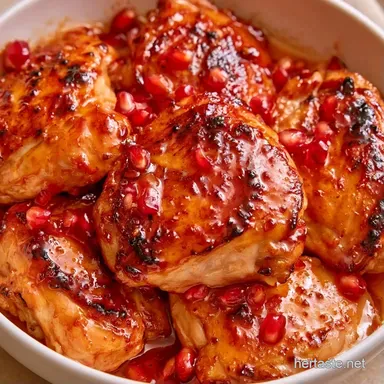
Sticky Pomegranate Chicken Thighs
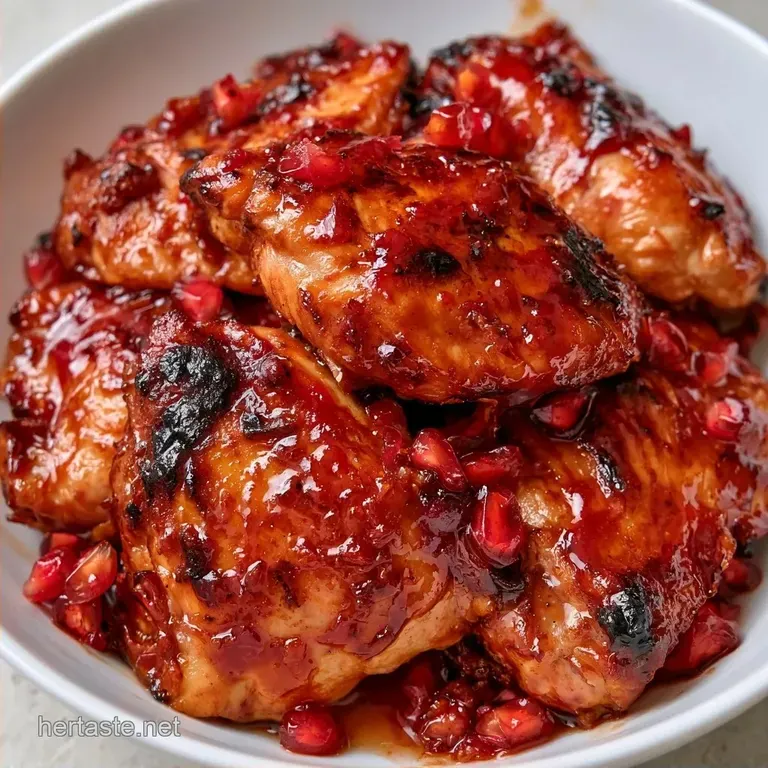
- Preparation: 15 mins | Cooking: 45 mins
- Taste Profile: A zesty, sticky coating paired with crisp skin
- Perfect for: Elevating a standard weeknight meal into something special
- Pomegranate Chicken Thighs with Sticky Glaze
- What Makes This So Good
- Ingredient Deep Dive
- Ingredients and Substitutes
- Essential Kitchen Gear
- Step-by-Step Instructions
- Why the Method Matters
- Fixing Common Problems
- Adjusting the Portion Size
- Storage and Waste Tips
- Mix It Up
- Perfect Complements
- Recipe FAQs
- 📝 Recipe Card
The smell of bubbling, tangy molasses hitting a searing pan is truly irresistible. When I first used it, I feared the result would be too sweet, almost like a candy coating. Instead, it transforms into a rich, savory lacquer that leaves you wanting to scrape every bit from the plate.
The pomegranate molasses is the essential ingredient. Unlike a simple syrup or jam, its concentrated acidity balances the heavy fats of the chicken. Using a generic berry syrup or plain pomegranate juice instead would lose that signature, sharp edge that makes these thighs so addictive.
Expect a dish that is savory, slightly fruity, and incredibly lush. There's no need for a tedious marinade or professional equipment just a reliable skillet and about an hour of your time.
Pomegranate Chicken Thighs with Sticky Glaze
Here is why this technique is so effective. Rather than just roasting the chicken, we use a two-step process to achieve the ideal texture.
Searing First: Browning the skin in the pan establishes a savory base and renders the fat, ensuring the skin stays crisp rather than soggy once glazed.
Sugar Balance: Using both honey and molasses creates a thick glaze that clings to the meat. As it bubbles in the oven, it reduces into a beautiful glossy finish.
What Makes This So Good
Skin Texture: Searing skin side down for 7 minutes creates a crisp barrier. This keeps the meat juicy while the outside stays firm.
Acidic Punch: Lemon juice and pomegranate molasses break down the richness of the thighs. It keeps the flavor profile bright instead of just heavy.
Ingredient Deep Dive
| Component | Purpose | Substitute Notes |
|---|---|---|
| Pomegranate Molasses | Tartness and color | Balsamic glaze: Similar tang but more vinegary |
| Honey | Thickness and shine | Maple syrup: Sweeter, less thick |
| Bone in Thighs | Flavor and moisture | Boneless thighs: Cook 10 mins less |
Ingredients and Substitutes
- 2 lbs bone in, skin on chicken thighs Why this? Bone-in cuts remain moist at high temperatures
- Substitute: Boneless skin on thighs
- 1 tbsp olive oil Why this? Won't burn during high heat searing
- Substitute: Avocado oil
- 1 tsp kosher salt Why this? Vital for reducing surface moisture
- Substitute: Sea salt
- ½ tsp cracked black pepper Why this? Imparts a subtle, woody spice
- Substitute: White pepper
- ⅓ cup pomegranate molasses Why this? The core tart ingredient
- Substitute: Balsamic reduction
- 2 tbsp honey Why this? Creates a sticky, clinging glaze
- Substitute: Brown sugar
- 1 tbsp fresh lemon juice Why this? Balances the intensity of the molasses
- Substitute: Apple cider vinegar
- 3 cloves garlic, minced Why this? A bold, savory base
- Substitute: Garlic powder (1 tsp)
- ½ tsp ground cinnamon Why this? Provides a warm, earthy note
- Substitute: Allspice
- ¼ tsp ground cumin Why this? Lends a hint of smokiness
- Substitute: Coriander
- ¼ cup fresh pomegranate arils Why this? Bright, acidic pops
- Substitute: Dried cranberries
- 2 tbsp fresh parsley, chopped Why this? Adds a vivid green contrast
- Substitute: Cilantro
Essential Kitchen Gear
You don't need professional gear, though a 12 inch oven safe skillet is essential. I prefer cast iron for its superior heat retention, which helps the chicken brown more quickly. Should your only option be a pan that can't go in the oven, you'll need to move the chicken to a baking dish after searing; unfortunately, this means leaving behind those delicious browned bits.
All you'll need additionally is a whisk and a small bowl to mix the glaze. While a silicone brush is my preference for coating the chicken, a spoon is a perfectly fine substitute.
Step-by-step Instructions
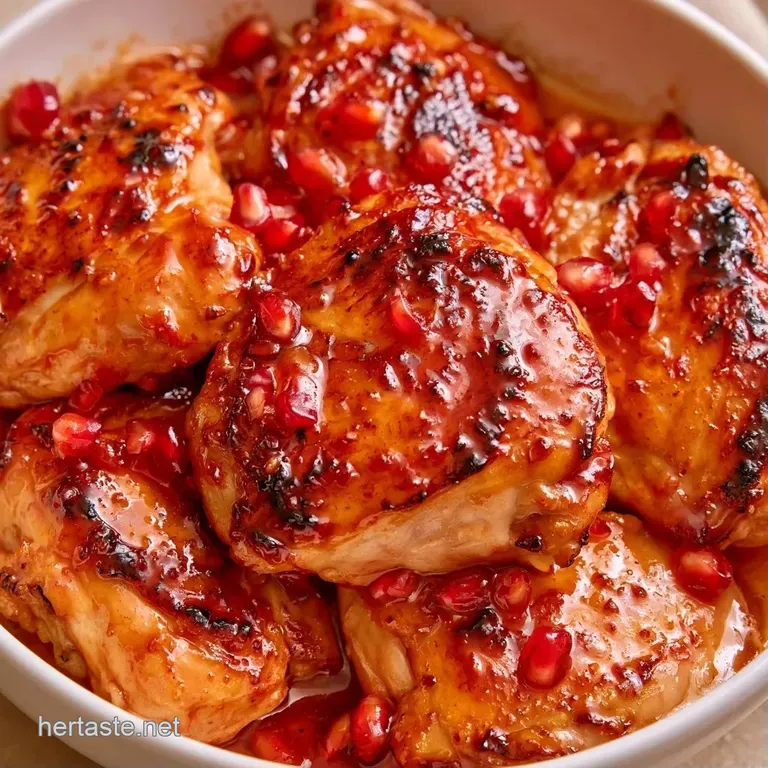
Phase 1: Searing for Texture
- Set the oven to 400°F (200°C).
- Thoroughly pat the chicken thighs dry with paper towels. Note: Wet skin will steam rather than brown. Season both sides with salt and pepper.
- Heat olive oil in a pan over medium high heat. Set the chicken in, skin side down.
- Cook for 5–7 minutes until the skin is a deep golden brown and releases easily. Flip and sear the opposite side for 2 minutes.
Phase 2: Glazing and Roasting
- In a bowl, whisk together the pomegranate molasses, honey, lemon juice, garlic, cinnamon, and cumin.
- Move the pan away from the heat. Pour the glaze over the thighs, ensuring the skin is fully covered.
- Put the pan in the oven. Roast for 20–25 minutes until the sauce turns into a glossy lacquer and the internal temperature is 165°F.
Phase 3: Finishing the Dish
- Take the chicken out of the oven and let it rest in the pan for 5 minutes. Note: Resting helps the juices redistribute.
- Spoon the pan drippings over the meat. Garnish with parsley and pomegranate arils.
Why the Method Matters
For those who prefer different styles, this is essentially a hybrid method. If you've tried my One Pan Mushroom Chicken, you'll notice the same logic: sear first for flavor, roast second for tenderness.
The transition from stovetop to oven is what makes Pomegranate Chicken Thighs so consistent. The stovetop handles the "crunch," and the oven handles the "tender." If you did this entirely in the oven, the skin would be rubbery. If you did it entirely on the stove, the meat might be tough before the glaze thickened.
Fixing Common Problems
Sauce is too thin
If your glaze is syrupy rather than thick and lacquered, it simply needs more reduction. To avoid overcooking the chicken, remove the meat and let the sauce simmer on the stovetop for 3 minutes.
Skin isn't crisp
This is typically caused by damp chicken or a pan that isn't sufficiently heated. Ensure the oil is shimmering before adding the meat.
Glaze burnt too fast
The honey content means the sugar can scorch if the oven temperature is too high. If the edges start turning black, reduce the heat to 375°F for the final 10 minutes.
| Problem | Fix |
|---|---|
| Thin sauce | Simmer in pan without chicken |
| Rubber skin | Pat dry and increase sear heat |
| Burnt glaze | Lower oven temp by 25°F |
Adjusting the Portion Size
Scaling Down (Half Batch): Use a smaller 8 inch skillet. Reduce the roasting time by about 20%, as smaller amounts of meat heat through faster. Use a small bowl for the glaze to avoid wasting the honey.
Scaling Up (Double/Triple Batch): Do not crowd the pan. If you put 8 thighs in one skillet, they'll steam instead of sear. Work in batches for the searing phase, then transfer everything to a large sheet pan for the roasting.
For the spices, only increase them to 1.5x the original amount; otherwise, the cinnamon can become overpowering.
| Goal | What to change |
|---|---|
| More tenderness | Use bone in thighs |
| Faster cook time | Use boneless thighs |
| Sharper flavor | Add extra lemon juice |
Storage and Waste Tips
Store the leftovers in a glass container and keep them in the fridge for up to 3 days. The glaze thickens as it cools, so it becomes more of a jam like coating.
For freezing, let the chicken cool completely. Wrap each thigh individually in foil and place them in a freezer bag for up to 2 months. When you're ready to eat, thaw them in the fridge overnight and reheat in the oven at 350°F for 15 minutes. Avoid the microwave, as it will make the skin soft.
To avoid waste, save the bones from the thighs. If you're making other meals, like a Chicken Enchilada Soup, these bones are great for a quick stock. Just simmer them with carrot scraps and onion peels.
Mix It Up
For a Nutty Twist To make this more like a Fesenjan (a Persian walnut stew), stir in 1/2 cup of finely ground walnuts into the glaze. It adds a rich, buttery texture that pairs perfectly with the pomegranate.
For a Spicy Kick Add 1/2 tsp of red chili flakes or a pinch of cayenne pepper to the glaze. The heat cuts through the honey and makes the dish feel more modern.
For a Lower Sugar Option Swap the honey for a small amount of maple syrup or a touch of agave. You'll lose some of the thickness, but the flavor remains similar.
Perfect Complements
These Pomegranate Chicken Thighs are bold, so you want sides that can soak up the sauce without fighting it.
A bed of fluffy basmati rice or quinoa is the classic choice. The grains act like a sponge for the leftover pomegranate lacquer in the pan. If you want something green, roasted carrots or sautéed spinach with a bit of garlic work well.
For a full Middle Eastern feast, serve this with a side of hummus and warm pita bread. The creamy hummus balances the acidity of the pomegranate, creating a really satisfying meal.
Recipe FAQs
How do I get the skin extra crispy?
Pat the thighs completely dry. Surface moisture creates steam, which prevents browning; drying ensures a deep golden sear during the first 5-7 minutes.
Can I substitute boneless thighs for bone-in?
Yes, they are a great alternative. Just reduce the oven roasting time slightly since they cook faster. If you enjoy this searing technique, it works similarly for our garlic chicken breast.
Is it true that pomegranate seeds are dangerous to eat?
No, this is a common misconception. The seeds, or arils, are edible, nutritious, and safe for consumption.
What is the ideal use for pomegranate molasses?
Whisk it into glazes or marinades. Its concentrated tartness provides a professional balance to the richness of fatty meats like chicken thighs.
What temperature should the chicken reach internally?
Reach 165°F (74°C). This is the safety standard that ensures the meat is fully cooked while remaining juicy.
Why is my pomegranate glaze too runny?
Roast for the full 20-25 minutes. The sauce requires that specific time at 400°F to reduce and transform into a glossy lacquer.
How should I store the remaining thighs?
Keep them in a glass container. Place them in the refrigerator for up to 72 hours; you will notice the glaze thicken into a jam-like coating.
Do I need to peel the pomegranate pith to avoid bitterness?
No, and here's why. You only use the arils for this recipe; the pith is naturally bitter and should be discarded entirely rather than peeled.
Pomegranate Chicken Thighs