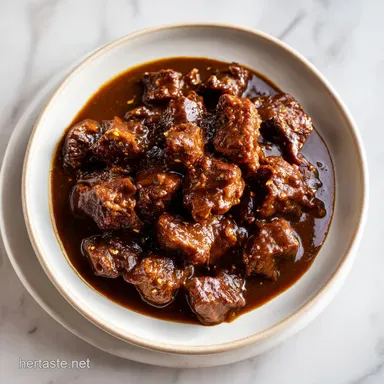
Paula Deen Beef Stew: Velvety and Tender
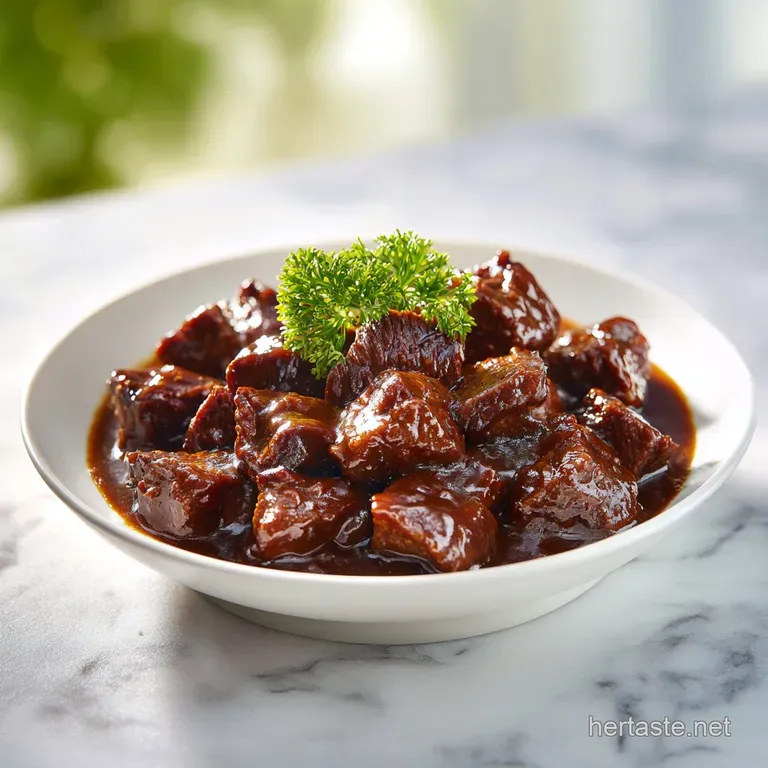
- Time:20 minutes active + 90 minutes simmering = 110 minutes total
- Flavor/Texture Hook: Velvety gravy with fork tender beef
- Perfect for: Chilly weeknights or comforting family dinners
- Making a Hearty paula deen beef stew recipe
- The One Step Most People Skip
- Breaking Down the Components
- Picking the Right Ingredients
- Essential Tools for Stewing
- Step by Step Cooking Flow
- Fixing Common Stew Problems
- Adjusting the Batch Size
- Debunking Stew Myths
- Storage and Waste Tips
- Best Ways to Serve
- Recipe FAQs
- 📝 Recipe Card
Making a Hearty paula deen beef stew recipe
That first aggressive sizzle when the floured beef hits the hot oil is where the magic starts. I remember the first time I tried a Southern style stew, I was convinced that more liquid meant more flavor, so I basically made a soup. The beef was grey, the carrots were mushy, and it had zero soul.
It wasn't until I stopped rushing the process and actually let the meat brown into a dark, crusty mahogany that I realized I'd been doing it all wrong.
Now, when I make this, the whole house smells like toasted flour and garlic long before the beef even hits the broth. It's the kind of scent that pulls everyone into the kitchen. There's something about the way the beef chuck slowly softens over an hour and a half that just feels like a hug in a bowl.
Trust me on this, don't skip the browning step, or you're missing the best part of the dish.
This version is all about that thick, velvety consistency that clings to the potatoes and carrots. We aren't looking for a thin broth here, but a rich, hearty gravy. It's straightforward, honest cooking that doesn't require fancy tricks, just a bit of patience and a heavy pot.
Right then, let's get into how to actually make this work in your kitchen.
The One Step Most People Skip
The Fond Build: Browning the beef creates tiny caramelized bits on the pot bottom, which add deep, savory notes once deglazed.
Starch Gelatinization: Tossing the beef in flour before searing ensures the gravy thickens naturally as it simmers.
Slow Collagen Breakdown: Simmering at a low heat transforms tough connective tissue into silky gelatin, making the meat fork tender.
Aromatic Layering: Sautéing the "holy trinity" of onion, celery, and carrots in the leftover beef fat builds a complex flavor base.
| Method | Total Time | Texture | Best For |
|---|---|---|---|
| Dutch Oven | 110 minutes | Velvety & Rich | Traditional flavor |
| Slow Cooker | 8 hours | Very Soft | Set and forget |
| Pressure Cooker | 60 minutes | Tender | Time crunched nights |
Breaking Down the Components
The key to a Southern stew is the balance between the fat and the acidity. The beef chuck provides the richness, while the tomato paste adds a subtle tang that cuts through the heaviness.
| Ingredient | Science Role | Pro Secret |
|---|---|---|
| Beef Chuck | Protein/Collagen | Look for heavy white marbling for better tenderness |
| All Purpose Flour | Thickener | Toast it during searing for a nuttier flavor |
| Beef Bone Broth | Umami Base | Use a Meat Stock for a more professional depth |
| Tomato Paste | Acidity/Color | Fry it until it turns brick red to remove the "raw" taste |
Picking the Right Ingredients
I've found that using a cheap cut of meat is actually the secret here. If you use a lean cut, it'll turn into rubber. You want the fatty, marbled stuff.
- 2 lbs beef chuck, cut into 1 inch chunks Why this? High collagen content ensures a tender result
- 3 tbsp all purpose flour Why this? Creates a natural roux during the searing process
- 1 tsp salt Why this? Enhances all other savory notes
- 1/2 tsp black pepper Why this? Adds a mild, earthy heat
- 3 tbsp vegetable oil Why this? High smoke point for searing beef
- 1 medium yellow onion, chopped Why this? Sweet, aromatic base
- 3 cloves garlic, minced Why this? Pungent depth
- 3 medium carrots, sliced into thick rounds Why this? Holds shape during long simmers
- 3 medium russet potatoes, peeled and cubed Why this? Starchy interior thickens the sauce
- 2 stalks celery, sliced Why this? Classic aromatic balance
- 4 cups beef bone broth Why this? Richer than store-bought stock
- 1 tbsp tomato paste Why this? Adds umami and a deep color
- 1 tsp dried thyme Why this? Woodsy, classic stew flavor
- 1 bay leaf Why this? Adds a subtle floral background note
- 1 cup frozen peas Why this? Fresh pop of color and sweetness
| Original Ingredient | Substitute | Why It Works |
|---|---|---|
| Beef Chuck (2 lbs) | Beef Stew Meat (2 lbs) | Similar cut. Note: Pre cut meat can sometimes be leaner, so it may need more time |
| Russet Potatoes | Yukon Gold Potatoes | Creamier texture. Note: They hold their shape better than Russets |
| Beef Bone Broth | Beef Stock + 1 tbsp Soy Sauce | Mimics the richness. Note: Reduce added salt to avoid over seasoning |
| Dried Thyme | Dried Oregano | Similar herb profile. Note: Slightly more pungent and "pizza like" |
Essential Tools for Stewing
You don't need a kitchen full of gadgets, but a heavy bottomed pot is non negotiable. I personally love a cast iron Dutch oven because it distributes heat evenly, which prevents the bottom from burning during that long simmer.
A sharp chef's knife is also your best friend here. When you're cutting the beef into 1 inch chunks, try to keep them uniform. If some are tiny and some are huge, the small ones will disintegrate into the sauce while the big ones stay tough.
Finally,, keep a wooden spoon handy. You'll need it to scrape the bottom of the pot to get every single bit of that browned beef goodness into the gravy.
Step by step Cooking Flow
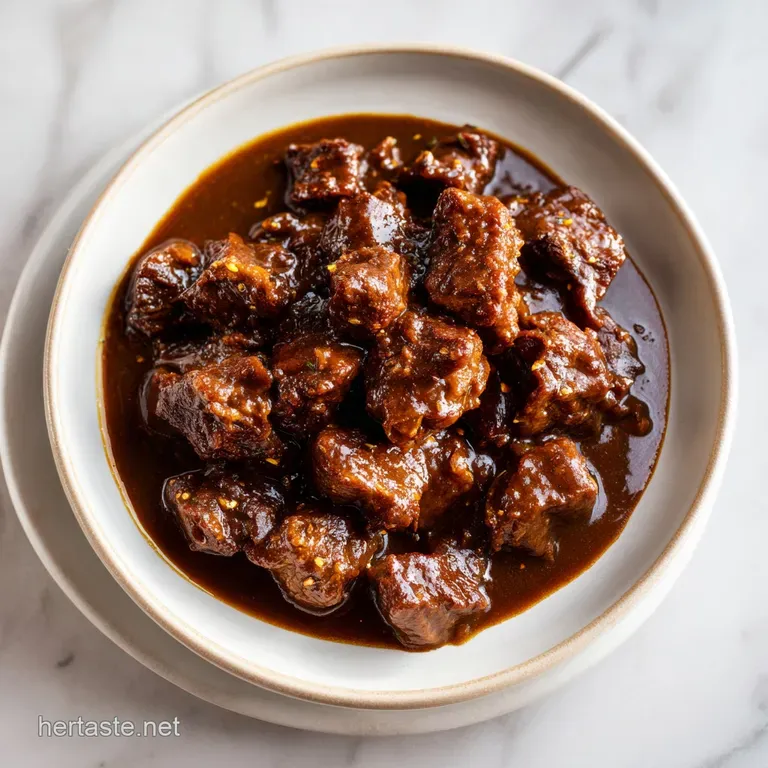
Let's crack on with the actual cooking. Remember, the goal is a deep, rich color and meat that gives way with almost no pressure from a fork.
- Pat the beef chuck dry with paper towels. Toss the meat in flour, salt, and pepper until coated. Note: Dry meat sears better; wet meat steams
- Heat vegetable oil in a Dutch oven over medium high heat. Brown the beef in batches until a deep mahogany crust forms on all sides. Remove beef and set aside.
- Reduce heat to medium. Sauté the chopped onion, celery, and carrots in the remaining beef fat until onions are translucent.
- Stir in the minced garlic and tomato paste, cooking for 1 minute until the paste darkens to a brick red.
- Pour in the beef bone broth, scraping the bottom of the pot to release all the browned bits (fond).
- Return the browned beef to the pot. Add the cubed potatoes, dried thyme, and bay leaf.
- Bring the stew to a boil, then reduce to a low simmer. Cover and cook for 60 to 90 minutes until the beef is fork tender.
- Stir in the frozen peas during the final 5 minutes of cooking. Remove the bay leaf before serving.
Chef's Note: If you want an even deeper flavor, add a tablespoon of Worcestershire sauce or a splash of red wine when you pour in the broth. It's a small tweak that adds a massive amount of complexity to the finish.
Fixing Common Stew Problems
Even for experienced cooks, stews can be finicky. Sometimes the meat refuses to soften, or the sauce looks more like water than gravy.
The Beef is Still Tough
This is usually a temperature issue. If the stew boils too violently, the muscle fibers tighten up and lock in. You want a gentle bubble, not a rolling boil. If the time is up and the meat is still chewy, just give it another 20 minutes on low.
The Stew is Too Thin
If your gravy isn't velvety enough, it's likely because the potatoes weren't starchy enough or you didn't brown the beef well. You can fix this by mashing a few of the cooked potato cubes directly into the sauce.
| Problem | Root Cause | Solution |
|---|---|---|
| Grey Beef | Overcrowded pan | Brown meat in smaller batches |
| Bitter Taste | Burnt garlic | Lower heat before adding garlic |
| Mushy Veggies | Added too early | Add carrots/potatoes after the beef has simmered for 30 mins |
Common Mistakes Checklist
- ✓ Pat beef completely dry before flouring to avoid a gummy coating
- ✓ Don't overcrowd the pot during browning or the meat will steam
- ✓ Keep the lid on tight during the simmer to prevent liquid evaporation
- ✓ Use a low flame to ensure the beef breaks down without drying out
- ✓ Remove the bay leaf before serving to avoid a "leafy" surprise
Adjusting the Batch Size
If you're cooking for a crowd or just for yourself, you can't always just double everything blindly.
Scaling Down (½ Batch) Use a smaller pot so the liquid doesn't evaporate too quickly. Reduce the simmering time by about 20%, as smaller chunks of meat often cook slightly faster. If the recipe calls for one egg (not here, but in others), beat it and use half.
Scaling Up (2x or 3x Batch) Don't double the salt and thyme immediately; start at 1.5x and taste at the end. Liquids should be reduced by about 10% because a larger pot retains more moisture. Most importantly, you MUST brown the beef in more batches.
If you dump 4 lbs of meat in a pot, you'll get grey, boiled beef instead of a mahogany crust.
| Batch Size | Beef Amount | Broth Amount | Pot Size |
|---|---|---|---|
| Single (6) | 2 lbs | 4 cups | 5-6 quart |
| Half (3) | 1 lb | 3 cups | 3 quart |
| Double (12) | 4 lbs | 7 cups | 8-10 quart |
Debunking Stew Myths
There's a lot of old school advice that just doesn't hold up in a real kitchen.
Searing meat doesn't "seal in the juices." That's a total myth. In reality, searing actually loses some moisture, but it creates a massive amount of flavor through caramelization. The tenderness comes from the slow simmer, not the sear.
Adding flour to the meat doesn't "ruin" the browning. Some people say you should thicken the stew at the end with a cornstarch slurry. While that works, coating the meat first creates a more integrated, velvety texture that tastes more homemade.
Storage and Waste Tips
Stew is one of those rare dishes that actually tastes better the next day because the flavors have more time to mingle.
Storage Guidelines Keep your stew in an airtight container in the fridge for up to 4 days. If you're freezing it, let it cool completely first. It stays great in the freezer for about 3 months. When you're ready to eat it, thaw it in the fridge overnight.
Reheating Tips Don't nuke it in the microwave if you can help it, as the beef can get rubbery. Instead, put it in a small pot on the stove over low heat. Add a splash of water or beef broth if the gravy has become too thick in the fridge.
Zero Waste Ideas Don't throw away the veggie scraps from your carrots, celery, and onions. Toss them in a freezer bag and use them to make a homemade stock. Also, if you have leftover stew, shred the beef and serve it over toasted sourdough for an incredible open faced sandwich.
Best Ways to Serve
This stew is a meal in itself, but pairing it with the right sides makes it a proper feast. I love serving this alongside a slice of buttery, honey glazed cornbread. The sweetness of the corn balances the savory saltiness of the beef.
For those who want something a bit lighter, a crisp green salad with a sharp vinaigrette works wonders. The acidity of the dressing cleanses the palate between bites of the rich gravy.
If you're feeling extra indulgent, try serving it over a scoop of garlic mashed potatoes. It sounds like overkill since there are already potatoes in the stew, but it creates a velvety, comfort food experience that's hard to beat. For another hearty option, this pairs well with a Classic Beef Stew side of steamed greens.
Recipe FAQs
Can I use lean stew meat instead of beef chuck?
No, stick with beef chuck. Leaner cuts often become tough and dry during the long simmering process, while chuck has the necessary fat for a tender result.
How to ensure the beef develops a deep mahogany crust?
Pat the beef chuck dry with paper towels before tossing in flour. Brown the meat in batches over medium high heat to prevent crowding, which causes the meat to steam instead of sear.
How to get the beef to a fork tender consistency?
Simmer the stew on low heat for 60 to 90 minutes. Keep the pot covered to maintain a steady temperature until the meat gives way with almost no pressure from a fork.
Is it true that frozen peas should be simmered for the full 90 minutes?
No, this is a common misconception. Stir the peas in during the final 5 minutes of cooking to ensure they stay bright green and tender.
How to store and reheat beef stew leftovers?
Keep in an airtight container in the fridge for 4 days or freeze for 3 months. Reheat in a pot over low heat with a splash of beef bone broth to avoid the rubbery texture caused by microwaves.
Can I make this recipe in a slow cooker?
Yes, a slow cooker is a great alternative. If you enjoyed mastering the low-and-slow method in our crockpot corned beef, you can apply that same timing logic here.
Why is my stew too thin?
Ensure the beef is thoroughly coated in flour before browning. The flour creates a thickening agent when combined with the vegetable oil and beef fat during the searing process.
Paula Deen Beef Stew