Pan Fried Potatoes: Crispy & Velvety
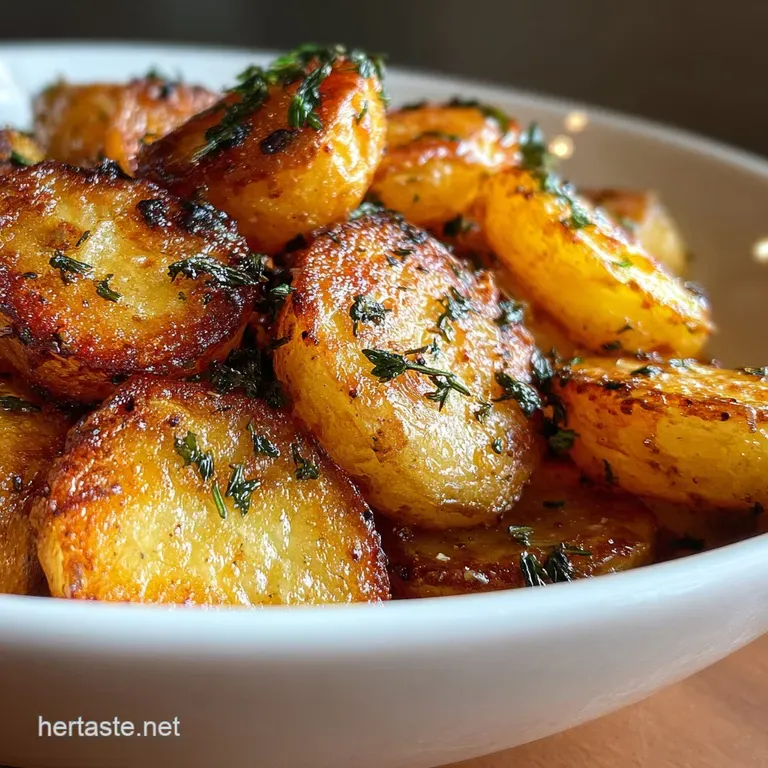
- Time: Active 5 minutes, Passive 15 minutes, Total 20 minutes
- Flavor/Texture Hook: Shatteringly crisp edges with a buttery, smoky finish
- Perfect for: Lazy weekend brunches or a high intensity weeknight side dish
- Achieving the Best Results with Pan Fried Potatoes
- Essential Numbers for Your Skillet Sides
- The Components of a Shattering Crust
- The Foundation of Flavor and Texture
- Gear Needed for a Flawless Sear
- Building Layers of Heat and Flavor
- Steering Clear of the Common Skillet Pitfalls
- Fresh Ways to Twist the Recipe
- Storage Tips for Long Lasting Crisp
- Finishing Touches for Your Plate
- Pan Fried Potatoes FAQs
- 📝 Recipe Card
Achieving the Best Results with pan-fried Potatoes
That sudden, sharp hiss when a damp potato slice hits a shimmering pool of oil is the soundtrack to my favorite Saturday mornings. I remember the first time I tried to make these; I was impatient, crowded the pan, and ended up with a pile of grey, mushy starch that tasted more like a wet napkin than a breakfast staple.
It was a total disaster, but it taught me the most valuable lesson in skillet cooking: patience is the primary ingredient. Now, whenever I smell that specific mix of caramelizing yellow onion and earthy potato, I know I'm about ten minutes away from something truly special.
We are going for a specific contrast here. You want the outside to offer a distinct "crunch" that gives way to a center so soft it almost mimics mashed potatoes. This isn't just about throwing things in a pan and hoping for the best.
It's about timing the addition of the garlic so it doesn't turn bitter and ensuring the smoked paprika toasts just enough to release its oils without burning. Trust me, once you nail the sequence of adding the aromatics, you’ll never go back to those frozen bags again.
The magic happens when the natural sugars in the 1 medium Yellow Onion begin to weep into the oil, creating a sweet base that coats the 1.5 lbs Yukon Gold or Red Bliss Potatoes. It’s a dance of temperatures and textures.
We’re going to walk through the exact steps to ensure your kitchen smells like a high end bistro rather than a burnt toaster. We'll focus on how to keep the heat consistent and why the choice of oil dictates the final success of your sear.
Essential Numbers for Your Skillet Sides
The Physics of the Starch Seal: When potatoes hit high heat, the surface starches dehydrate and cross link to form a rigid, browned crust known as the Maillard reaction.
This creates a structural barrier that prevents the interior moisture from escaping, effectively steaming the potato from the inside out while it fries.
- Surface Tension: Drying your sliced potatoes with a lint free towel is non negotiable; moisture is the enemy of the sear.
- Thermal Mass: Using a heavy bottomed skillet ensures the temperature doesn't plummet when you add the cold vegetables.
- Osmotic Balance: Adding the 0.5 tsp Sea Salt too early can draw out water, making the potatoes soggy rather than crisp.
- Fat Polymerization: Avocado oil stays stable at the high temps needed to create that initial golden crust without smoking.
| Method | Time | Texture | Best For |
|---|---|---|---|
| Cast Iron Skillet | 15 minutes | Shatteringly crisp edges | Maximum flavor development |
| Non Stick Pan | 18 minutes | Evenly golden, softer bite | Beginner cooks / Low oil |
| oven-roasted | 35 minutes | Uniformly crunchy all over | Hands off large batches |
When choosing your method, consider that the stovetop provides more direct heat contact. This is why the pan-fried potatoes recipe yields a more varied and interesting texture than the oven. For a complete breakfast spread, I often serve these alongside The Fried Egg recipe because the runny yolk acts as a natural sauce for the crispy potato edges.
The Components of a Shattering Crust
| Ingredient | Science Role | Pro Secret |
|---|---|---|
| Yukon Gold Potatoes | High sugar/starch balance | These naturally caramelize faster than russets, giving you a deeper color without overcooking. |
| Avocado Oil | High smoke point carrier | Unlike butter, this won't burn at the high temps required for the initial "shatter" layer. |
| Smashed Garlic | Aromatic infusion | Smashing before mincing releases allicin, which creates a more pungent, layered flavor profile. |
| Smoked Paprika | Oil soluble pigment | The heat of the oil blooms the paprika, turning it from a dry powder into a vibrant, smoky lacquer. |
Every component plays a part in the final architecture of the dish. If you find yourself out of certain items, don't panic. You can swap things around as long as you maintain the fat to starch ratio.
The Foundation of Flavor and Texture
- 1.5 lbs Yukon Gold or Red Bliss Potatoes: Sliced into 1/4 inch thick rounds. Why this? These waxy varieties hold their shape perfectly during the frequent flipping and tossing.
- Substitute: Russet potatoes (peeled). Note: These will be fluffier but more prone to breaking apart.
- 2 tbsp Avocado Oil or Grapeseed Oil: Why this? Neutral flavor with a high smoke point prevents a "burnt oil" aftertaste.
- Substitute: Clarified butter (Ghee). Note: Adds a rich, nutty flavor but may brown faster.
- 1 medium Yellow Onion: Thinly sliced. Why this? High sugar content leads to better caramelization and sweetness.
- Substitute: Shallots. Note: A more refined, garlicky sweetness; use about 3 large shallots.
- 3 cloves Garlic: Smashed and minced. Why this? Fresh garlic provides a punch that powdered versions simply cannot match.
- Substitute: Garlic confit. Note: Adds a much milder, spreadable richness to the final dish.
- 1 tsp Smoked Paprika: Why this? Provides depth and a "fire roasted" illusion without a grill.
- Substitute: Sweet Paprika or Ancho Chili powder. Note: Sweet paprika loses the smoke; Ancho adds a raisin like heat.
- 0.5 tsp Sea Salt & 0.25 tsp Cracked Black Pepper: Why this? Sea salt has a cleaner finish; cracked pepper provides textural "pop".
- Substitute: Table salt and ground white pepper. Note: Reduce salt by 1/4; white pepper adds a fermented, earthy funk.
- 1 tbsp Fresh Parsley or Chives: Chopped. Why this? The bright acid and chlorophyll cut through the heavy fats.
- Substitute: Dried Oregano. Note: Use only 1 tsp; add it during the last 2 minutes of cooking.
Chef's Tip: Freeze your garlic cloves for 5 minutes before mincing. It stops the oils from sticking to the knife and ensures every bit of flavor ends up in the pan rather than on the cutting board.
Gear Needed for a Flawless Sear
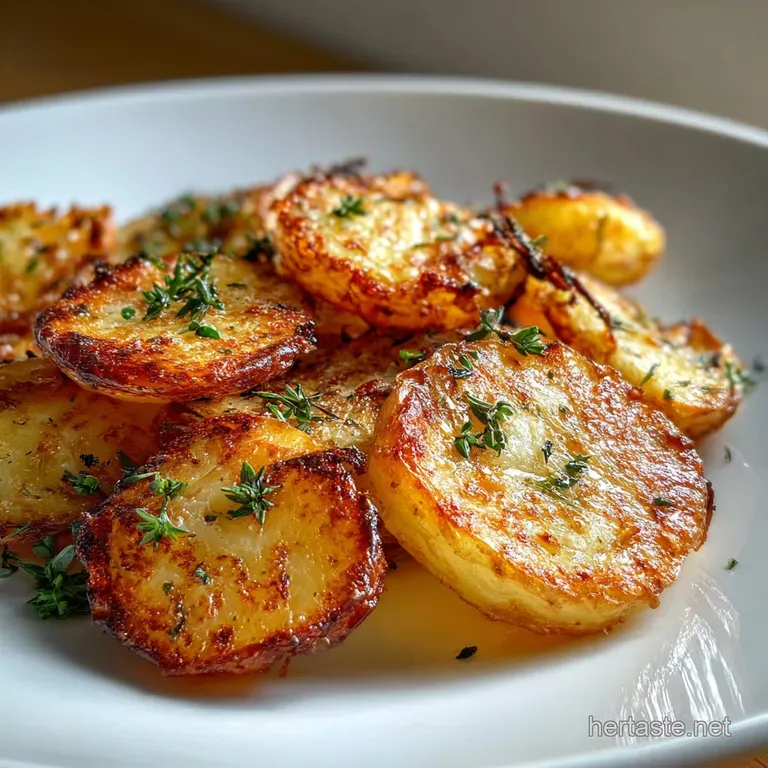
The vessel you choose is just as important as the 1.5 lbs Yukon Gold or Red Bliss Potatoes you put inside it. A heavy bottomed skillet, preferably a cast iron like a Lodge or a thick stainless steel pan, is the gold standard here.
These materials hold onto heat, meaning when you add your sliced potatoes, the pan stays hot enough to sear them instantly rather than letting them sit in a pool of lukewarm oil.
You’ll also want a wide, thin spatula something like a fish turner. This allows you to get underneath the potato rounds without tearing the developing crust. If you use a thick wooden spoon, you risk mashing the tender centers. Finally,, a tight fitting lid is actually a secret weapon.
While we want crispness, using a lid for just two minutes in the middle of the process helps steam the centers of the 1/4 inch thick rounds, ensuring they are velvety and fully cooked by the time the outsides are golden.
Building Layers of Heat and Flavor
Phase 1: The Prep and Sear
- Dry the potatoes. Pat the 1.5 lbs Yukon Gold or Red Bliss Potatoes thoroughly with a paper towel after slicing. Note: Excess water creates steam, which prevents the Maillard reaction from occurring.
- Heat the oil. Add 2 tbsp Avocado Oil to your skillet over medium high heat until it shimmers and wisps of smoke appear.
- Arrange the rounds. Place the potatoes in the pan in a single layer. Note: Work in two batches if your pan is smaller than 12 inches to avoid overcrowding.
- Initial sear. Cook for 4 minutes without moving them until the bottoms are deep golden and release easily.
Phase 2: The Steam and Sizzle
- Add the aromatics. Toss in the 1 medium Yellow Onion and 3 cloves Garlic, distributing them between the potato slices.
- The quick cover. Reduce heat to medium and cover the pan for 2 minutes until the onions soften and the potatoes feel tender.
- Seasoning layer. Remove the lid and sprinkle the 1 tsp Smoked Paprika, 0.5 tsp Sea Salt, and 0.25 tsp Cracked Black Pepper over the mixture.
Phase 3: The Golden Finish
- The final crisp. Increase heat back to medium high and sauté for 5 minutes, tossing occasionally until the onions are caramelized and the potatoes are shatteringly crisp.
- Garnish and serve. Remove from heat and toss with 1 tbsp Fresh Parsley or Chives until the herbs are fragrant and bright green.
The texture of this dish reminds me of the hearty, comforting feel of a Classic Colcannon Recipe, but with a much more aggressive, crunchy exterior. It's that balance of the soft interior and the hard fried edge that makes it so addictive.
Steering Clear of the Common Skillet Pitfalls
To Fix Soggy Potatoes
This usually happens because the pan was too cold or too crowded. When potatoes are packed too tightly, the moisture they release has nowhere to go but back into the potato, effectively boiling them. If you see this happening, remove half the potatoes and crank the heat.
It’s better to have two batches of great potatoes than one batch of sad ones.
To Prevent Garlic Burn
Garlic contains a lot of natural sugar and very little water, meaning it burns at lightning speed. If you add it at the very beginning with the potatoes, it will be bitter and black by the time the starch is cooked. Always add your 3 cloves Garlic during the middle phase.
The moisture from the 1 medium Yellow Onion acts as a buffer, protecting the garlic while it infuses the oil.
| Problem | Root Cause | Solution |
|---|---|---|
| Potatoes sticking | Pan not hot enough / moving too soon | Wait for the "release" cue; the starch will naturally let go once a crust forms. |
| Bitter aftertaste | Burnt paprika or garlic | Add spices and garlic only once the heat is reduced to medium. |
| Raw centers | Slices too thick or heat too high | Ensure 1/4 inch slices and use the lid steam method for 2 minutes. |
Common Mistakes Checklist ✓ Don't wash the potatoes after slicing; you want that surface starch for the crust. ✓ Ensure the oil is shimmering almost smoking before the first potato touches it.
✓ Resist the urge to flip constantly; let the crust develop for at least 4 minutes. ✓ Use a neutral oil; extra virgin olive oil has a flavor that becomes too heavy when heated this long. ✓ Add the salt at the very end to keep the exterior as dry as possible during cooking.
Fresh Ways to Twist the Recipe
For a Hearty Breakfast
Add some diced bell peppers and a pinch of cayenne along with the onions. This moves the dish into "home fry" territory. Cracking a couple of eggs directly into the pan during the last 3 minutes creates a one pan meal that is hard to beat.
For a Zesty Mediterranean Twist
Swap the smoked paprika for dried oregano and lemon zest. After the potatoes are finished, crumble some feta cheese over the top. The saltiness of the feta against the crispy, oily potatoes is a pairing that feels much lighter and more vibrant. If you're looking for more veggie forward ideas, the technique of over high heat searing used here is very similar to how I handle the base of my My Cauliflower Fried recipe.
Scaling for the Crowd
- To Halve: Use a smaller 8 inch skillet. You can usually skip the batch cooking and do it all at once. Reduce the oil to 1 tbsp.
- To Double: Use two separate skillets. Doubling the ingredients in one pan will lead to steaming rather than frying. Scale the salt and paprika to 1.5x instead of 2x to avoid overpowering the dish.
- Baking Batch: If cooking for 10+, toss everything in a bowl first, then spread on two preheated sheet pans at 425°F for 25 minutes.
Storage Tips for Long Lasting Crisp
Fried Potatoes are notorious for losing their "shatter" once they cool down. In the fridge, they will last about 3 to 4 days in an airtight container. However, the starch will undergo retrogradation, making them firm and slightly waxy. To revive them, skip the microwave it will turn them into rubber.
Instead, toss them back into a dry, hot skillet for 3 minutes. The residual oil in the potatoes will be enough to recrisp the edges.
For zero waste, those little leftover bits of onion and crispy potato skins are gold. I save them and throw them into a frittata the next morning or use them as a "crunch" topping for a bowl of soup.
If you have extra raw potato slices, keep them submerged in cold water in the fridge for up to 24 hours to prevent browning, but make sure to dry them extremely well before frying.
Finishing Touches for Your Plate
Serving these potatoes is all about the contrast of temperatures. I love bringing the skillet directly to the table (on a heat proof mat, of course) so people can hear the final few crackles of the oil.
The 1 tbsp Fresh Parsley or Chives shouldn't just be a garnish; it’s a functional ingredient that provides a necessary hit of acid and freshness to the 7.2 g of fat per serving.
If you’re serving this as a dinner side, it pairs exceptionally well with roasted meats or a simple pan seared fish. For a truly comforting meal, try serving it alongside some Garlic Butter Bread Rolls recipe to soak up any of the smoky, paprika infused oil left on the plate. The key is to serve them immediately the longer they sit, the more the internal steam softens that crust we worked so hard to build. Keep it hot, keep it crunchy, and don't be afraid of a little extra cracked black pepper at the very end.
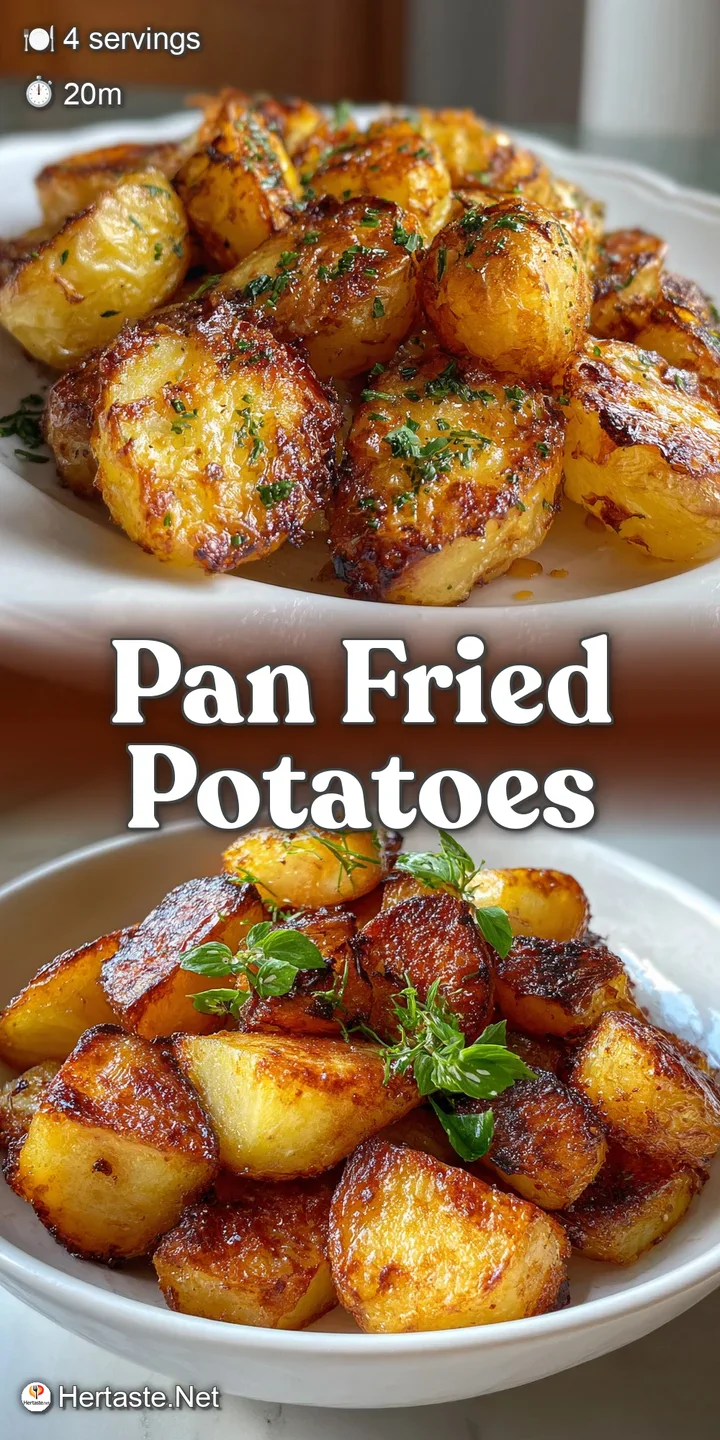
pan-fried Potatoes FAQs
What's the secret to perfect pan-fried potatoes?
Dryness and heat. Ensure potatoes are completely dry after slicing, and use a hot skillet to achieve that crucial initial sear. Overcrowding the pan is also a common mistake that leads to steaming instead of frying.
How do you fry potatoes in a skillet?
Slice potatoes thinly and dry thoroughly. Heat oil in a heavy bottomed skillet over medium high heat until shimmering, then add potatoes in a single layer and cook undisturbed for 4 minutes until golden brown before flipping and continuing to cook.
Why is it important to soak potatoes before frying?
No, it's generally not necessary and can be detrimental. Soaking potatoes can add excess moisture, which is the enemy of crispy fried potatoes. Properly drying them after slicing is far more important for achieving a good sear.
What is the secret ingredient for crispy potatoes?
It's not a single ingredient, but a technique. The key is high heat and proper drying to promote the Maillard reaction for crispiness. However, adding smoked paprika provides a wonderful depth of flavor without burning, similar to how it enhances dishes like Pork Potstickers Recipe: Crispy Gyoza with Dipping Sauce.
Can I use frozen potatoes for pan frying?
No, stick with fresh. Frozen potatoes contain too much moisture from the ice crystals. When they thaw, they release excess water, which leads to steaming and soggy results rather than crispy pan-fried potatoes.
What kind of oil is best for pan frying potatoes?
Use an oil with a high smoke point. Avocado oil or grapeseed oil are excellent choices because they can withstand the high temperatures needed for a good sear without burning or developing an off-flavor, unlike olive oil which can turn bitter.
Should I add salt at the beginning or end?
Add salt towards the end of cooking. Salting too early can draw out moisture from the potatoes, making them softer and less likely to achieve a crisp exterior. Adding it in the last few minutes helps season them without compromising texture.
pan-fried Potatoes
Ingredients:
Instructions:
Nutrition Facts:
| Calories | 209 kcal |
|---|---|
| Protein | 3.9 g |
| Fat | 7.2 g |
| Carbs | 33.2 g |
| Fiber | 4.2 g |
| Sugar | 2.6 g |
| Sodium | 298 mg |
