Butternut Squash Bread: the Golden Hour Loaf
- Capturing Autumn: The Ultimate Butternut Squash Bread Recipe
- The Science of Moisture: Achieving the Perfect Crumb
- Mastering the Components: Ingredients for Your Maple Quick Bread
- The Baker's Method: How to Assemble and Bake the Loaf
- Troubleshooting Your Bake: Expert Tips from the Kitchen
- Maximizing Freshness: Storing Your Butternut Loaf
- Elevating the Slice: Perfect Pairings and Toppings
- Recipe FAQs
- 📝 Recipe Card
Capturing Autumn: The Ultimate Butternut Squash Bread Recipe
There is nothing in the world quite like the scent of warm spices wafting out of your oven on a chilly afternoon. It’s the aroma of cinnamon, ginger, and nutmeg, all cozying up with the deep, earthy sweetness of squash.
That fragrance alone is the first reason this Butternut Squash Bread is about to become your favorite baked good this season.
We all love seasonal baking, but who has time for complicated yeast breads? This recipe is the definition of a lifesaver it’s fast, forgiving, and uses up that enormous butternut squash you bought thinking you’d make soup (but never did).
It’s also incredibly cost effective, turning simple pantry staples into a show stopping loaf.
I’ve made every mistake possible in my years of quick bread baking, from dry crumbs to sunken middles. Trust me, this version of Butternut Squash Bread skips all those pitfalls. Let’s get you baking the most perfectly moist, tender loaf you’ve ever sliced.
The Science of Moisture: Achieving the Perfect Crumb
Quick bread recipes are deceptively simple, but the difference between "okay" and "OMG amazing" is all about managing moisture and gluten development. We are aiming for a tender, almost fudgy crumb, not a tough, chewy brick.
What Makes This Butternut Squash Loaf So Special?
The secret to why this specific quick bread beats out every other pumpkin or zucchini loaf is a simple technique: roasting the squash. When you roast the butternut, you caramelize the natural sugars and reduce the water content significantly.
This gives the puree an intense, nutty sweetness without making the batter too loose. Using thick, roasted puree is the foundation for an incredibly moist Butternut Squash Bread that stays fresh for days.
A Look at the Golden Hour Loaf: Flavor Profile and Texture
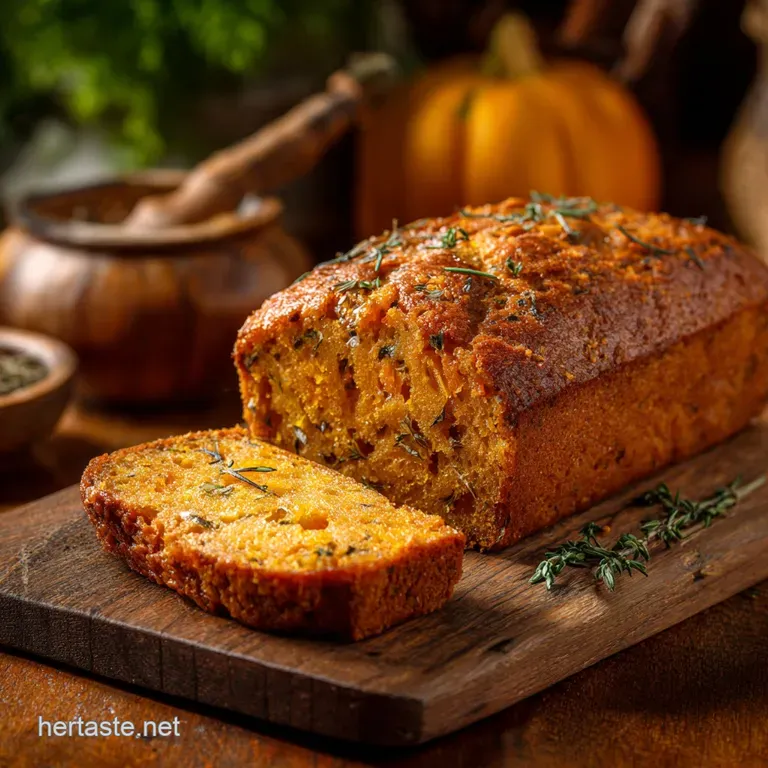
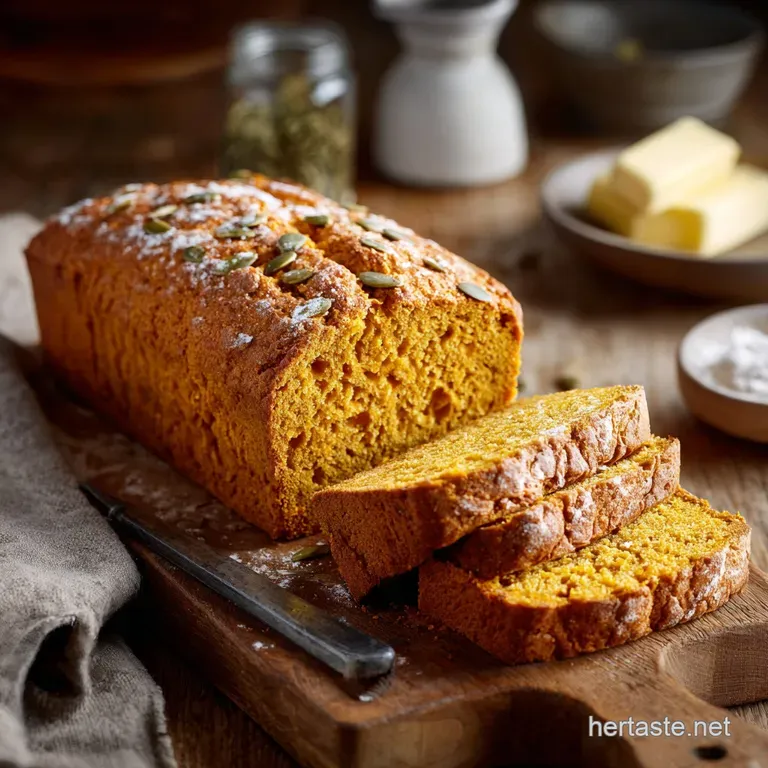
This loaf has a robust, golden appearance, hence my nickname for it. The flavor profile is deeply autumnal think warm spice, brown sugar caramel, and a subtle vegetal note from the squash that grounds all the sweetness. Texturally, the crumb is tight but tender, almost like pound cake but lighter.
It’s the kind of slice that holds up perfectly when you slather it with butter, which, by the way, you absolutely should.
Equipment Checklist: Essential Tools for Quick Bread Baking
You don't need fancy equipment, just the basics. A couple of large bowls and a sturdy whisk are sufficient. However, I always, always recommend lining your loaf pan with parchment paper. Leave an overhang!
Trust me, that parchment sling is the key to lifting your warm Butternut Squash Bread out without breaking the edges. You need a 9x5 inch pan for this recipe to ensure it bakes evenly and fully.
The Role of Roasted Butternut Puree in Baking
Squash puree doesn't just add flavor; it acts as a fat replacer and binder, similar to applesauce. Because we roast it, the natural starches are partially gelatinized, which means it holds moisture better than boiled or steamed puree.
This intense preparation method ensures your Butternut Squash Bread remains supremely moist without being soggy a crucial distinction!
Why Brown Sugar and Maple Syrup Are Essential Sweeteners
We use a combination of granulated sugar and dark brown sugar here. Granulated sugar controls the spread and structure, while the brown sugar adds essential moisture (thanks to the molasses content) and deepens that lovely caramel note.
The optional but highly encouraged tablespoon of maple syrup reinforces the squash’s inherent sweetness, making this a true fall indulgence.
Activating Your Leaveners: Balancing Baking Soda and Powder
For this recipe, we rely on baking soda, which needs an acid to react. While butternut squash isn't highly acidic, the combination of brown sugar and the residual acidity in the eggs and oil is usually enough. I made the mistake once of forgetting the salt.
Salt doesn't just season; it controls the speed of the chemical reaction, preventing your loaf from collapsing in the middle.
Mastering the Components: Ingredients for Your Maple Quick Bread
We’re keeping the ingredient list tight and effective. Every single item in this Butternut Squash Bread plays a vital role.
Preparing the Butternut Squash: Roasting vs. Steaming
As mentioned, roasting is the undisputed champion. Steaming or boiling squash fills it with water, guaranteeing a gummy, tough loaf. Roasting concentrates the flavor beautifully. Preheat that oven to 400°F (200°C), cut the squash, oil it lightly, and let it hang out until it’s fork tender and slightly caramelized around the edges.
This prep step is what elevates this from a simple quick bread to the ultimate Moist Butternut Squash Bread .
Flour and Fat Focus: Choosing the Right Foundation
I use standard all-purpose flour for this quick bread, measured correctly (spooned and leveled!). For the fat, I highly recommend a neutral oil like canola or vegetable oil. Oil keeps quick breads moist longer than butter does at room temperature.
Butter has milk solids and water, while oil is 100% fat, which blankets the flour particles and inhibits gluten development, resulting in a more tender crumb.
Spice Cabinet Deep Dive: Layering Cinnamon, Ginger, and Nutmeg
Do not skimp on the spices. Use good quality ground cinnamon, a solid hit of ginger for warmth, and please, if you can, use freshly grated nutmeg. It makes a world of difference compared to the pre-ground stuff that’s been sitting on your shelf since last Thanksgiving.
This perfect blend makes this Easy Butternut Squash Bread taste complex and sophisticated.
Essential Ingredient Swaps and Allergy Notes
Baking is flexible, mostly. Here are some quick swaps if you’re missing something crucial:
| Ingredient | Substitute (Use Same Volume) | Notes |
|---|---|---|
| Butternut Puree | Canned Pumpkin Puree (100% pure) | Must be drained if watery. |
| Neutral Oil | Melted Unsalted Butter | Use slightly less butter, as it contains water. |
| All-Purpose Flour | 1:1 gluten-free Blend | Ensure the blend contains Xanthan Gum. |
| Brown Sugar | Molasses + Granulated Sugar | Use 1 cup granulated sugar + 1 Tbsp molasses. |
| Maple Syrup | Honey or Agave Nectar | Adds sweetness but loses the maple flavor complexity. |
If you are looking for a completely [Healthy Butternut Squash Bread Recipe], you could try substituting half the sugar with a sugar alternative like Monk Fruit sweetener, though the texture might be slightly impacted.
The Baker's Method: How to Assemble and Bake the Loaf
This is the "muffin method" playbook. Keep it simple, fast, and light handed.
Phase One: Combining Wet and Dry Ingredients Separately
First, you need to prepare your oven and pan 350°F (175°C) and parchment lined. In your first large bowl, mix all the dry components: flour, both sugars, salt, baking soda, and spices. Give this a really good whisk until it looks uniform.
This step ensures you don't end up with a clump of baking soda or cinnamon in one bite of your Butternut Squash Bread .
Next, in your second bowl, whisk together the cooled butternut squash puree, the oil, eggs, vanilla, and maple syrup. Make sure the eggs are fully incorporated into the puree mixture before moving on. The temperature of the puree is critical here; if it's warm, it will start cooking the eggs.
The Gentle Mix: Avoiding Over Development of Gluten
Here’s where most people go wrong with quick breads. Pour the wet mixture right into the center of the dry ingredients. Now, grab your rubber spatula and start folding. Stop mixing the second you no longer see any dry flour. It will look shaggy, messy, and slightly lumpy.
That is perfect . The lumps disappear in the oven. If you keep mixing until it's perfectly smooth, you are inviting rubbery gluten to ruin your beautiful Moist Butternut Squash Bread .
Perfecting the Bake: Oven Temperature and Timing Checkpoints
Pour the shaggy batter into your prepared pan. Give the pan a gentle tap on the counter to level it slightly. Bake it for 55 to 65 minutes. Every oven is a little different, so an oven thermometer is your best friend. Around the 40 minute mark, check on the loaf.
If the top is getting really dark, loosely tent it with a piece of aluminum foil. This prevents the outside from burning before the inside is fully cooked. You want that perfect golden hue on your Roasted Butternut Squash Bread .
Troubleshooting Your Bake: Expert Tips from the Kitchen
The Puree Pitfall: Ensuring Your Squash Is Not Too Wet
This is the number one mistake. You roast your squash, but it still seems runny or watery. If this happens, you absolutely cannot add it to the batter. I once used watery puree and ended up with a brick!
Solution: Place the puree in a fine mesh sieve lined with cheesecloth or a coffee filter and let it drain in the fridge for a couple of hours. That concentrated puree is what makes this the best Butternut Squash Bread you'll ever bake.
Testing for Doneness: The Skewer Trick Explained
The key test is inserting a skewer (a thin, wooden toothpick works well) into the deepest part of the center. It should come out clean. If it comes out wet with raw batter, it needs 5 10 more minutes.
If it comes out with a few moist, sticky crumbs clinging to it, that’s also perfect for a quick bread, signifying maximum moisture. If the center is still wobbly, it’s not done.
Why Your Quick Bread Sinks (And How to Prevent It)
There are three major culprits when your loaf collapses:
- Old Leaveners: Check the expiration date on your baking soda. If it's old, it loses its lifting power.
- Overmixing: Mixing develops gluten, which then traps the gases released by the leaveners. If the gluten is too strong and rigid, it can’t stretch, and when the loaf is exposed to cooler air, it collapses. Keep the mixing light!
- Opening the Oven Too Soon: The first 40 minutes are critical for setting the structure. If you open the door, the temperature drop causes the loaf structure to fail. Be patient!
Maximizing Freshness: Storing Your Butternut Loaf
Countertop Care: Keeping Quick Bread Moist for Days
Once cooled, you can store the loaf on the counter, wrapped tightly in plastic wrap, for 3 4 days. Do not refrigerate. Refrigerators dry out baked goods by rapidly crystalizing the starches it’s the enemy of freshness for quick breads and muffins.
The moisture level in this Moist Butternut Squash Bread is high enough that it will stay tender for several days.
Freezing the Fully Baked Loaf: Best Practices
Does this freeze well? Oh yes, incredibly well. Quick breads are perfect for freezing. Ensure the loaf is completely cooled . Then, wrap it tightly in plastic wrap, followed by a layer of aluminum foil (this prevents freezer burn). Label it with the date.
It will last perfectly for up to 3 months. When I’m already roasting squash for my [Vegetable Lasagna with Butternut Bchamel: Ultra Creamy Comfort Food], I always roast extra to make a batch of this Butternut Squash Bread for the freezer.
Thawing and Serving Tips for Frozen Slices
To thaw, remove the foil and plastic, and let the loaf thaw completely on the counter at room temperature (about 4 hours). To serve it warm, you can slice it and toast the individual slices, or place the whole loaf (unwrapped) in a 300°F (150°C) oven for about 15 minutes.
It will taste fresh from the oven!
Elevating the Slice: Perfect Pairings and Toppings
This isn't just about a simple slice; it's about the experience. The classic Butternut Squash Bread is wonderful on its own, but sometimes you need a little pizzazz.
Cream Cheese Frosting: A simple, tangy cream cheese frosting is divine. Use 4 oz softened cream cheese, 1/4 cup butter, 2 cups powdered sugar, and 1 tsp vanilla. Beat it until fluffy and spreadable.
Nutty Crunch: Fold in 1/2 cup of toasted pecans or walnuts right before baking. They add a great texture contrast to the soft crumb of the Easy Butternut Squash Bread .
The Savory Twist: Don't limit quick breads to sweet pairings! A warm slice topped with a swipe of goat cheese and a drizzle of hot honey is truly spectacular.
If you enjoy the spiced depth of this recipe, you might also like my cozy holiday bakes like the [Christmas Shortbread Bites: Zesty Buttery Shortbread Cookie Recipe] they share that wonderful warmth of ginger and nutmeg!
That’s it, friend. You now have the knowledge and the best recipe to conquer the world of quick breads. Go forth and bake the most magnificent, moist Butternut Squash Bread this autumn! It really is a game changer.
Recipe FAQs
Why did my Butternut Squash Bread come out dry or dense?
Overmixing the batter develops the gluten too much, resulting in a tough, dense texture; mix only until the flour streaks disappear. Additionally, baking the bread for too long, even by a few minutes, can evaporate crucial moisture, so start checking the internal temperature (200-205°F) slightly early.
Can I use canned pumpkin puree instead of preparing fresh butternut squash?
Yes, canned pumpkin puree works as a direct substitution, but ensure you are using plain puree, not pre-seasoned pie filling. Butternut squash is naturally slightly thicker and less watery than canned pumpkin, so if the canned puree looks very wet, drain it briefly through a cheesecloth before measuring.
How should I store the leftover Butternut Squash Bread?
Once the loaf has cooled completely, wrap it tightly in plastic wrap or foil to create an airtight seal and prevent drying. Store the wrapped bread at room temperature for up to four days; avoid refrigerating quick breads as the cold can speed up moisture loss.
Is this quick bread suitable for freezing?
This recipe freezes excellently. Ensure the bread is fully cooled, then wrap it tightly in plastic wrap followed by a layer of aluminum foil or place it in a heavy duty freezer bag, and it will keep well for up to three months. Thaw the wrapped loaf overnight on the counter before slicing and serving.
How do I make this recipe vegan or dairy-free?
To make the bread vegan, replace the eggs with flax eggs (1 tablespoon flaxseed meal mixed with 3 tablespoons water per egg) and use a neutral oil or refined coconut oil instead of butter. Ensure all other ingredients, like milk (if used), are swapped for high-quality non-dairy alternatives.
I don't have a loaf pan; can I bake this batter as muffins?
Absolutely, this recipe converts perfectly into 18-20 muffins. Reduce the oven temperature to 375°F (190°C) and reduce the baking time significantly. Muffins generally bake in 18-22 minutes, or until a tester inserted in the center of a muffin comes out clean.
What is the best way to roast the squash for the puree?
Cut the squash in half, scoop out the seeds, and roast it cut-side down on a baking sheet at 400°F until the flesh is fork tender, which usually takes 45 60 minutes. Roasting caramelizes the natural sugars, intensifying the flavor and yielding a drier, superior puree compared to boiling or steaming.
Moist Butternut Squash Bread
Ingredients:
Instructions:
Nutrition Facts:
| Calories | 714 kcal |
|---|---|
| Protein | 7.9 g |
| Fat | 32.2 g |
| Carbs | 98.1 g |
