The Secret to Southernstyle Cloudlike Moist Cornbread
- The Secret to Southern-Style Cloud-Like Moist Cornbread
- Why This Recipe Banishes Dry Crumbs Forever
- Assembling the Essentials for Rich, Velvety Cornbread
- Mastering the Dry Components: Grain Selection Matters
- Step-by-Step Mastery: Crafting the Ultimate Moist Cornbread
- Prepping the Pan for a Golden, Non-Stick Finish
- Troubleshooting and Next-Level Cornbread Variations
- Recipe FAQs
- 📝 Recipe Card
The Secret to Southern Style Cloud Like Moist Cornbread
Forget everything you thought you knew about cornbread being dry. This recipe leans into the creamy, slightly sweet profile popular in many modern interpretations, ensuring a beautifully tender crumb every single time.
We achieve this legendary moisture through a careful balance of buttermilk and the smart incorporation of fats. It’s perfect for soaking up gravy or accompanying your Sunday roast.
This Moist Cornbread is not just a side dish; it’s a centerpiece of comfort food, ready in under an hour.
Why This Recipe Banishes Dry Crumbs Forever
The quest for the perfect Moist Cornbread Recipe often leads bakers down a path riddled with tough, crumbly disappointments. We are taking a definitive stand against that dryness.
By utilizing specific techniques and high-quality dairy, we guarantee a texture that truly lives up to the description: Melt in Your Mouth Cornbread .
Elevating the Classic: A Tender Crumb Guarantee
Our commitment to tenderness starts with the fat ratio. We use both melted butter and a neutral oil. The butter provides that rich, classic flavor, while the oil helps inhibit gluten formation and traps moisture deep within the crumb structure, making this the Best Moist Cornbread you'll likely ever taste.
On top of that,, the inclusion of both cornmeal and flour ensures structure without sacrificing the signature corn flavor.
Beyond the Bowl: What Makes This Cornbread Exceptional
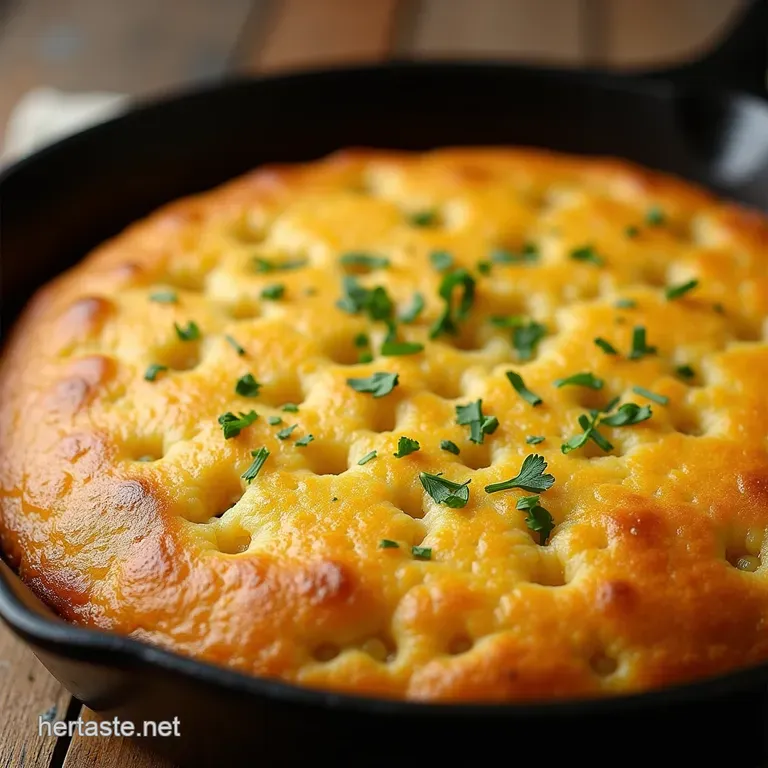
The real magic trick lies in the thermal shock applied to the batter. By preheating the baking vessel ideally a 9 inch cast iron skillet to oven temperature, we ensure that the moment the batter hits the pan, the edges begin to set instantly.
This crucial step creates that coveted, crackly golden crust while sealing in the interior moisture, resulting in a genuinely Gooey Cornbread texture underneath.
Perfect Pairings: Serving Suggestions for Your Bake
While this Simple Sweet Cornbread Recipe is wonderful on its own, it truly shines when paired with savory dishes. Imagine serving thick squares alongside a bowl of slow simmered chili, or crumbled over your favourite Thanksgiving stuffing.
It’s versatile enough to serve as a base for spoon bread or enjoyed simply with honey butter as an afternoon treat.
Assembling the Essentials for Rich, Velvety Cornbread
Gathering your components before you start is the first step toward mastering How To Make Moist Cornbread . We are looking for balance here: the right amount of leavening, the correct fat types, and the essential tangy liquid that defines this recipe.
For a batch of 9 generous squares, ensure you have your 1 ½ cups of yellow cornmeal, 1 cup of all-purpose flour, ¼ cup of sugar (to achieve that approachable sweetness), 1 tablespoon of baking powder for lift, and ½ teaspoon of salt.
Related Recipes Worth Trying
- The Bakers Best Perfectly Moist Carrot Cake with Cream Cheese Frosting — Ditch dry bakes This is the ultimate Moist Carrot Cake with Cream Cheese Frosting recipe packed with spice and walnuts for Sunday tea
- The Ultimate Moist Carrot Sheet Cake with Cream Cheese Frosting — Forget layered cakes This easy Carrot Sheet Cake Recipe bakes up perfectly moist spiced and ready for a tangy cream cheese frosting swirl Simple comfort baking
- The Best Moist Carrot Cake with Cream Cheese Frosting — Tired of dry bakes This Homemade Carrot Cake recipe guarantees a wonderfully moist crumb perfectly spiced and topped with our silky tangy cream cheese...
Mastering the Dry Components: Grain Selection Matters
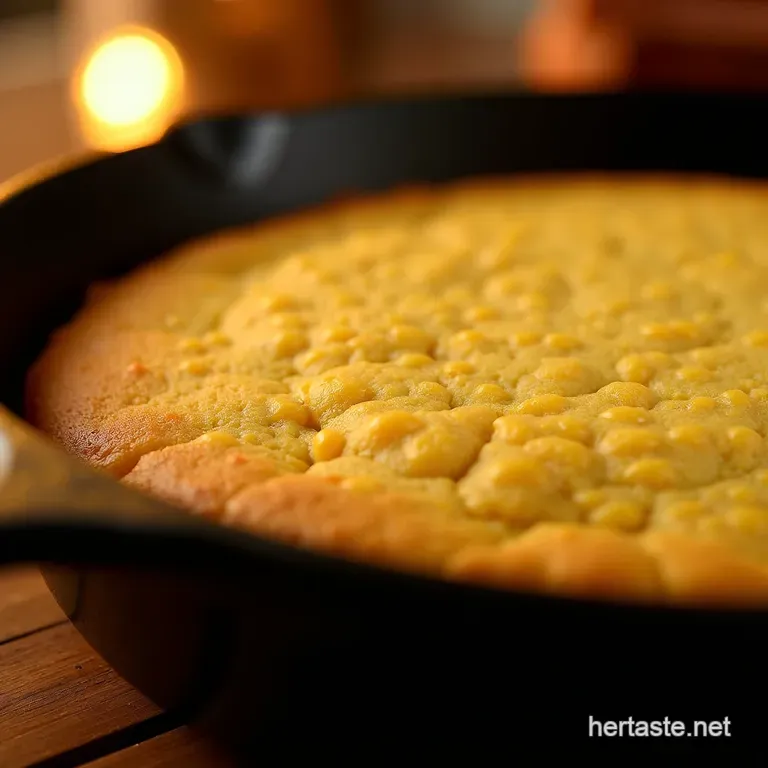
When selecting your cornmeal, aim for a medium grind. Very fine corn flour can sometimes lead to a denser result, whereas coarse meal can feel gritty. The medium grind balances perfectly with the flour content we use, ensuring a unified texture.
Make sure you whisk these dry ingredients thoroughly; even distribution of the baking powder is vital for an even rise across the entire bake.
The Role of Buttermilk: Culturing for Ultimate Tenderness
The use of Moist Cornbread with Buttermilk is not optional for this level of softness. Buttermilk is acidic; this acid reacts beautifully with the baking powder, providing a lighter, more open crumb structure than standard milk can achieve.
It also imparts a subtle, pleasing tang that cuts through the richness of the butter.
Essential Equipment for Achieving Fluffy Results
While an 8x8 inch dish works, the 9 inch cast iron skillet is the superior choice here. It distributes heat incredibly evenly, which is critical for achieving that crisp, even bottom crust without over baking the centre. If you don't own one, do consider it it's an investment for bakers!
Precision Measuring: Achieving the Ideal Batter Consistency
For the wet components, use two large eggs at room temperature if possible, along with 1 ½ cups of full fat buttermilk. The fats include 6 tablespoons of unsalted butter, melted, and an additional 2 tablespoons of a neutral oil like canola.
Measuring these accurately ensures the correct ratio of liquid to dry goods, which is the cornerstone of successful Moist Cornbread Muffins or pan bakes.
step-by-step Mastery: Crafting the Ultimate Moist Cornbread
The method for this bake requires attention during the combination stages. It moves quickly once the wet and dry meet, so be ready to move with purpose.
Prepping the Pan for a Golden, Non-Stick Finish
The preparation of the skillet is a non-negotiable step for developing that classic crust. Preheat your oven to 400° F ( 200° C) with the empty cast iron skillet sitting inside. While it heats, melt your 6 tablespoons of butter.
Once melted, reserve 2 tablespoons of this hot liquid specifically for coating the skillet later.
The Gentle Art of Mixing Wet and Dry Ingredients
In one large bowl, whisk all your dry elements until homogenous. In a second bowl, combine the buttermilk and eggs, whisking until smooth, then incorporate the remaining 4 tablespoons of melted butter. Now, pour the wet mixture directly into the dry.
Use a rubber spatula to fold them together just until you no longer see streaks of dry flour. If you mix until completely smooth, you risk developing gluten, resulting in a tough bake, regardless of how much buttermilk you use.
Oven Temperature Secrets for Even Baking
Carefully remove the scorching hot skillet from the oven. Immediately add the reserved 2 tablespoons of melted butter and the 2 tablespoons of neutral oil. Swirl this mixture rapidly to coat the entire surface it should sizzle instantly! This is your signal that the pan is ready.
Quickly pour the just mixed batter into the hot, oiled skillet. The resulting sizzle around the edges promotes that beautiful lift.
Testing for Doneness: The Toothpick Method Refined
Slide the skillet back into the 400° F oven and bake for approximately 25 to 30 minutes. You are looking for a deep golden brown top. To confirm readiness, insert a toothpick into the centre; if it comes out clean or with only a few moist crumbs attached, it is done.
If wet batter clings to it, give it five more minutes.
Cooling Techniques to Lock In Maximum Moisture
Resist the urge to slice immediately! Allow the cornbread to cool in the hot skillet on a wire rack for about 10 minutes. This allows the residual heat to finish setting the internal structure without steaming the crust underneath.
After 10 minutes, you can gently run a knife around the edge and turn it out onto a cutting board for slicing into 9 squares.
Troubleshooting and Next Level Cornbread Variations
Even the simplest recipes have room for refinement or occasional hiccups. If your bake rises beautifully but collapses slightly in the centre, it might indicate being slightly underbaked or having too much liquid for the amount of flour.
For those seeking a richer flavour profile, consider making this a Cornbread Recipe Not Sweet by reducing the sugar to just 1 tablespoon, enhancing the savory notes.
Enhancing Flavors: Optional Mix-Ins and Additions
For those who prefer a little texture, this base is ideal for additions. Folding in half a cup of sharp, shredded cheddar or a handful of roasted, diced jalapeños just before pouring the batter creates a dynamic flavour experience.
You can also swap out the sugar for ¼ cup of honey if you prefer a deeper, floral sweetness.
Can I Substitute Standard Milk for Buttermilk?
While it is strongly discouraged if you are aiming for truly Moist Cornbread , you can create a workable substitute. Combine 1 ½ cups of whole milk with 1 ½ tablespoons of white vinegar or fresh lemon juice.
Let this mixture stand for at least five minutes until it visually curdles or thickens slightly. Use this "soured milk" in place of buttermilk.
Reviving Leftover Cornbread: A Quick Reheat Guide
Leftovers are best revived using quick, direct heat. For a single slice, wrap it loosely in foil and warm it in a 350° F oven for about 8 minutes.
For the quickest fix, microwave for 15-20 seconds just long enough to warm through, perhaps with a small pat of butter placed on top to reintroduce moisture.
Freezing Instructions for Future Comfort Food Needs
This bake freezes exceptionally well. Once completely cooled, slice the cornbread into individual portions. Wrap each square tightly in plastic wrap, then place them together in a freezer safe zip-top bag.
When a craving strikes, you can defrost overnight on the counter or heat directly from frozen in a low oven ( 300° F) until warmed through.
Recipe FAQs
How do I stop my cornbread from turning out dry and crumbly?
The secret to truly Moist Cornbread lies in the buttermilk and not overmixing! Buttermilk adds necessary fat and acidity for tenderness, while overmixing develops gluten, making it tough. Mix only until the dry bits just disappear a few small lumps are perfectly fine, mate.
Can I use regular milk instead of buttermilk if I don't have any in the fridge?
You absolutely can, but you need to 'sour' it first! For this recipe, mix 1 ½ cups of whole milk with 1 ½ tablespoons of white vinegar or lemon juice and let it sit for about 5 minutes until it slightly curdles. This mimics the acid content of buttermilk, which is crucial for a good rise and moisture.
Why does the recipe tell me to put the cast iron skillet in the oven while it preheats?
That is the golden ticket for a superb crust! Heating the skillet ensures that when you pour the batter in, the fat sizzles immediately, creating a wonderfully crisp, golden brown bottom and sides. It’s a non-negotiable step for that authentic southern texture.
How should I store leftover cornbread to keep it moist?
Once cooled completely, store the cornbread tightly wrapped in plastic wrap, and then pop it into an airtight container. This prevents moisture loss. It will keep well at room temperature for about two days, but the fridge is best if you plan on keeping it longer than that!
I prefer less sweet cornbread; how can I reduce the sugar in this moist cornbread recipe?
Since this recipe leans slightly sweet, you can safely reduce the granulated sugar down to just 2 tablespoons without impacting the texture too much. If you want it nearly savoury, you could even omit the sugar entirely, relying on the buttermilk tang for flavour complexity.
Can I add savoury mix-ins like cheese or jalapeños to this recipe?
Go for it! This batter is robust enough to handle additions beautifully. If you’re adding cheese or chopped peppers, toss them lightly in a spoonful of the dry cornmeal mix first this helps prevent them from sinking straight to the bottom during baking.
Add about ½ cup of mix-ins just before pouring into the hot pan.
Meltinmouth Moist Cornbread
Ingredients:
Instructions:
Nutrition Facts:
| Calories | 176 kcal |
|---|---|
| Protein | 3.1 g |
| Fat | 10.7 g |
| Carbs | 31.5 g |
| Fiber | 1.9 g |
| Sodium | 96 mg |
