Korean Ground Beef Bowl: Spicy Caramelized Feast
- Time: Active 5 mins, Passive 10 mins, Total 15 minutes
- Flavor/Texture Hook: Sizzling caramelized beef with a velvety, spicy sweet glaze
- Perfect for: High speed weeknight dinners or efficient Sunday meal prep
- Create the Vibrant and Quick Korean Ground Beef Bowl
- The Secrets Behind This Flavor Packed Ground Beef Bowl
- Component Analysis of the Essential Elements
- The Simple Pantry Staples Needed for Authentic Results
- Minimal Gear Required for a Stress Free Weeknight Dinner
- Step-by-Step Guide from Raw Prep to Finished Plate
- Fixing Common Hiccups and Perfecting the Finished Dish
- Clever Flavor Swaps and Dietary Variations to Try
- Efficient Storage Solutions and Creative Ways to Use Leftovers
- Polished Presentation Ideas and Ideal Side Dish Pairings
- Recipe FAQs
- 📝 Recipe Card
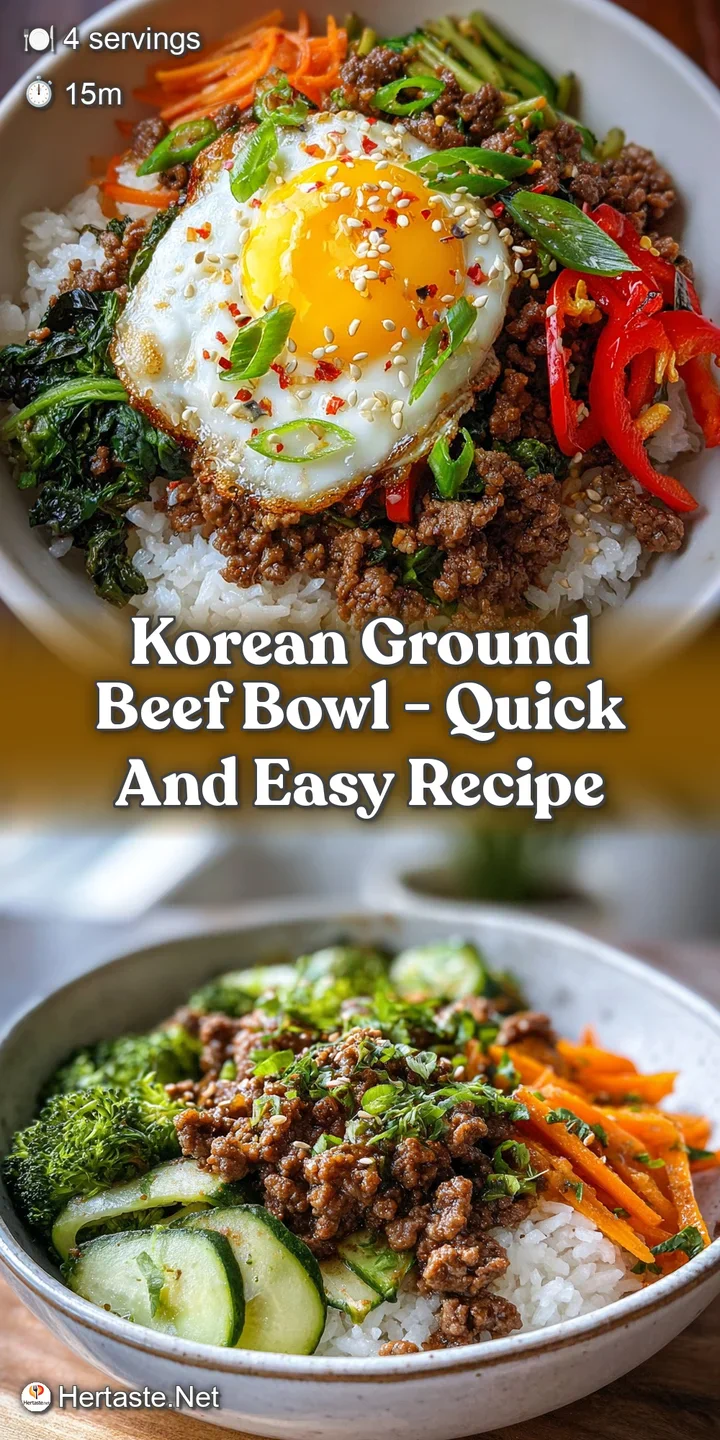
Create the Vibrant and Quick Korean Ground Beef Bowl
The moment that 1 lb lean ground beef hits the smoking hot cast iron, the sizzle is deafening. A cloud of toasted sesame oil and sharp ginger hits your nose, and suddenly, your kitchen smells like a bustling night market in Seoul.
I remember the first time I made this; it was a Tuesday, I was exhausted, and the thought of washing three different pans made me want to cry. I threw everything into one skillet, hoped for the best, and ended up with something so savory it's stayed on my permanent rotation ever since.
You don't need a PhD in culinary arts or a pantry full of rare ingredients to pull this off. It’s all about the timing and that specific "pop" of the red pepper flakes as they toast in the rendered fat. This isn't just a meal; it's a survival strategy for busy people who refuse to eat boring food.
We’re aiming for those crispy, dark brown edges on the beef that shatter slightly when you bite into them, contrasted against the fluffy jasmine rice.
We’ve all been there staring at a pack of ground beef, wondering if we’re stuck with spaghetti sauce again. This Korean Ground Beef Bowl is the answer. It’s snappy, it’s punchy, and it’s arguably the fastest way to feel like a pro chef on a random weeknight.
Let’s get into the mechanics of why this works so well and how you can nail it every single time.
The Secrets Behind This Flavor Packed Ground Beef Bowl
Maillard Acceleration: over High heat searing triggers a chemical reaction between amino acids and reducing sugars, creating the complex brown crust that provides the savory depth.
Emulsified Glaze: The raw honey and Gochujang act as stabilizers, binding the fat from the beef with the soy sauce to create a velvety coating rather than a greasy puddle.
Acidic Balance: Rice vinegar provides a necessary pH shift that cuts through the richness of the sesame oil, brightening the entire flavor profile instantly.
Aromatic Infusion: Freshly grated ginger contains zingibain, an enzyme that briefly softens the protein fibers of the beef as it hits the pan, ensuring a tender mouthfeel.
| Cooking Method | Total Time | Texture Outcome | Best Used For |
|---|---|---|---|
| Stovetop Skillet | 15 minutes | Crispy, seared edges | Maximum flavor and speed |
| Oven Roasting | 25 minutes | Uniformly tender | Large batch meal prep |
| Slow Cooker | 4 hours | Soft, saucy clumps | Set it and forget it days |
Choosing the stovetop method is almost always the right move here because the direct contact with the pan creates that signature char. If you're into hearty textures, this reminds me of the richness in my Keto Beef Stroganoff recipe, but with a much faster turnaround. The skillet allows you to monitor the reduction of the sauce in real time, preventing the beef from steaming in its own juices.
Component Analysis of the Essential Elements
| Ingredient | Science Role | Pro Secret |
|---|---|---|
| 1 lb Lean Ground Beef | Primary Protein | Leave it undisturbed for 2 minutes to develop a dark crust. |
| 1 tbsp Gochujang | Fermentation Depth | Sauté it briefly with the meat to unlock fat soluble capsaicin. |
| 1 tbsp Raw Honey | Caramelization Agent | Adds viscosity to the sauce, helping it cling to every beef crumble. |
| 1 tbsp Fresh Ginger | Proteolytic Softening | Grate it while frozen to get a fine paste that melts into the sauce. |
The Simple Pantry Staples Needed for Authentic Results
To keep this recipe as vibrant as possible, we use 1 lb lean ground beef (93/7 ratio). Using a leaner cut prevents the bowl from becoming overly oily, which is vital when you're adding 1 tbsp toasted sesame oil for flavor.
If you're looking for a substitute, ground turkey works, but the fat content is lower, so keep an eye on the pan to prevent sticking.
The aromatics are non negotiable: 3 cloves garlic, minced, and 1 tbsp fresh ginger, grated. These provide the aromatic foundation. For the heat, we use 0.5 tsp crushed red pepper flakes.
If you're sensitive to spice, you can scale this back, but the 1 tbsp Gochujang (Korean red chili paste) is essential for that fermented, funky soul of the dish.
The liquid gold consists of 0.25 cup low sodium soy sauce, 1 tbsp rice vinegar, and 1 tbsp raw honey. This trio balances salt, acid, and sugar. For the base, 2 cups cooked jasmine rice provides the floral, soft landing pad for the beef, while 2 cups broccoli florets add a fresh, crunchy snap.
Finish it off with 2 green onions and 1 tsp toasted sesame seeds for that textural contrast.
- Lean Ground Beef: Ground chicken or turkey. Why this? Maintains high protein while significantly lowering the saturated fat content.
- Low Sodium Soy Sauce: Coconut aminos. Why this? gluten-free alternative that adds a subtle, natural sweetness to the glaze.
- Raw Honey: Brown sugar or maple syrup. Why this? Provides the necessary glucose for rapid browning and sauce thickening.
- Gochujang: Sriracha mixed with a pinch of miso. Why this? Mimics the spicy, fermented depth if the authentic paste is unavailable.
Minimal Gear Required for a Stress Free Weeknight Dinner
You really only need one large skillet for this. I highly recommend a 12 inch cast iron or a heavy stainless steel pan. The goal is heat retention; you want the temperature to stay high even after you drop a pound of cold meat into it.
A flimsy non stick pan often results in the meat "stewing" in its own moisture rather than searing.
A microplane or fine grater is your best friend here for the ginger and garlic. It turns them into a paste that distributes evenly, so you don't end up biting into a giant chunk of raw ginger.
For the beef, a sturdy wooden spoon or even a potato masher is a secret trick I use to break the meat into small, uniform crumbles. Smaller crumbles mean more surface area, which means more room for that glorious sauce to stick.
step-by-step Guide from Raw Prep to Finished Plate
- Prep the aromatics. Mince the 3 cloves garlic and grate the 1 tbsp fresh ginger. Note: Using fresh ginger over powdered is the single biggest flavor upgrade you can make.
- Sizzle the beef. Heat 1 tbsp toasted sesame oil in a large skillet over medium high heat until it shimmers and wisps of smoke appear.
- Sear the meat. Add the 1 lb lean ground beef to the pan. Spread it out into one flat layer and leave it alone for 3 minutes until a dark, crispy crust forms on the bottom.
- Break and brown. Use a spoon to break the beef into small crumbles. Continue cooking until no pink remains and the meat is deeply browned.
- Toast the spices. Stir in the minced garlic, grated ginger, and 0.5 tsp crushed red pepper flakes. Sauté for 1 minute until the aroma fills the room.
- Whisk the sauce. In a small jar, combine 0.25 cup low sodium soy sauce, 1 tbsp Gochujang, 1 tbsp raw honey, and 1 tbsp rice vinegar.
- Deglaze the pan. Pour the sauce mixture over the beef. Use your spoon to scrape up any browned bits (fond) from the bottom of the skillet.
- Simmer and thicken. Let the mixture bubble for 2 minutes until the sauce reduces into a glossy, velvety glaze that coats the beef.
- Prepare the greens. While the beef finishes, steam the 2 cups broccoli florets for 3 minutes until vibrant green and tender crisp. For the veggies, you can steam the broccoli or swap it for the cheesy goodness found in my Broccoli Casserole recipe.
- Assemble the bowls. Divide the 2 cups cooked jasmine rice into four bowls. Top with the glazed beef and broccoli. Garnish with 2 sliced green onions and 1 tsp toasted sesame seeds.
Fixing Common Hiccups and Perfecting the Finished Dish
The Beef is Releasing Too Much Liquid
If you see a pool of grey liquid in your pan, your heat was too low or you overcrowded the pan. The meat is steaming instead of searing. This happens often with 80/20 beef or if the pan wasn't preheated long enough.
To fix it, drain the excess liquid immediately, turn the heat to high, and let the meat fry in the remaining fat until it browns.
The Sauce is Overwhelmingly Salty
This usually happens if you use regular soy sauce instead of low sodium, or if the sauce reduces too far. Salt concentrates as water evaporates. If it tastes like a salt lick, add a splash of water or an extra teaspoon of honey to balance the palate.
A squeeze of fresh lime juice can also work wonders to mask the saltiness through acidity.
| Problem | Root Cause | Solution |
|---|---|---|
| Tough beef | Overcooking after sauce reduction | Remove from heat as soon as the sauce becomes glossy. |
| Dull flavor | Using old, dried ginger | Only use fresh ginger; it provides the essential sharp bite. |
| Sticky rice | Improper rinsing | Wash rice 3 times until water is clear to remove excess starch. |
Common Mistakes Checklist
- ✓ Don't skip the preheat: The pan must be hot enough to sizzle the oil instantly.
- ✓ Avoid "The Stir": Let the beef sit undisturbed for the first few minutes to get that crust.
- ✓ Use fresh aromatics: Jarred garlic has a bitter aftertaste that ruins the delicate balance.
- ✓ Check your Gochujang: Ensure it’s mixed well into the sauce so you don’t get a spicy "clump" in one bite.
- ✓ Watch the sugar: Honey can burn quickly; keep the heat at medium high once the sauce is added.
Clever Flavor Swaps and Dietary Variations to Try
Scaling this dish is incredibly simple because it’s a one pan wonder. If you’re cooking for a crowd and doubling the recipe (2 lbs of beef), you must work in batches. If you crowd 2 lbs of meat into one skillet, the temperature will drop, and you'll end up with boiled beef.
Sear 1 lb at a time, remove it, then combine everything at the end when you add the sauce.
For those looking to cut carbs, the "Low Carb Swap" is easy: replace the jasmine rice with cauliflower rice or serve the beef in large butter lettuce cups. The Gochujang Ground Beef Bowl works exceptionally well as a wrap.
If you're doubling the recipe, remember to only increase the red pepper flakes to 0.75 tsp first spice levels can amplify exponentially when volume increases.
- If you want it crispier, add a teaspoon of cornstarch to the sauce before pouring it in.
- If you want it milder, swap the Gochujang for a tablespoon of tomato paste and a drop of liquid smoke.
- If you want it richer, stir in a tablespoon of cold butter right at the end to "mount" the sauce.
Efficient Storage Solutions and Creative Ways to Use Leftovers
This is a meal prep hall of-famer. The flavors actually deepen as they sit in the fridge. Store the beef and rice in airtight containers for up to 4 days. When reheating, add a teaspoon of water to the bowl before microwaving; this creates steam that re hydrates the jasmine rice so it doesn't turn into hard little pebbles.
For the freezer, the cooked beef holds up beautifully for 3 months. I recommend freezing the beef and sauce mixture separately from the rice. To use up leftovers in a "Zero Waste" fashion, throw any remaining beef into a morning omelet or use it as a topping for a quick ramen bowl.
The stems of the broccoli, often tossed away, can be thinly sliced and sautéed right along with the beef for extra fiber and crunch.
Polished Presentation Ideas and Ideal Side Dish Pairings
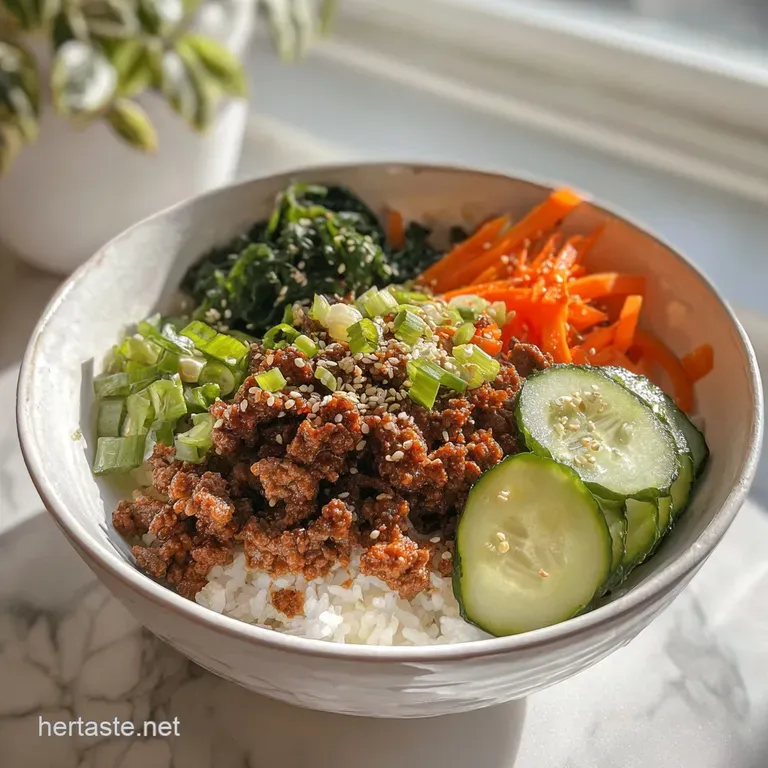
When you're ready to serve, don't just dump it in a bowl. Start with a clean base of rice, place the beef on one side and the broccoli on the other. This visual separation looks much more professional.
A "shatter" of toasted sesame seeds across the top adds a nutty aroma that is released the moment the warm beef hits the plate.
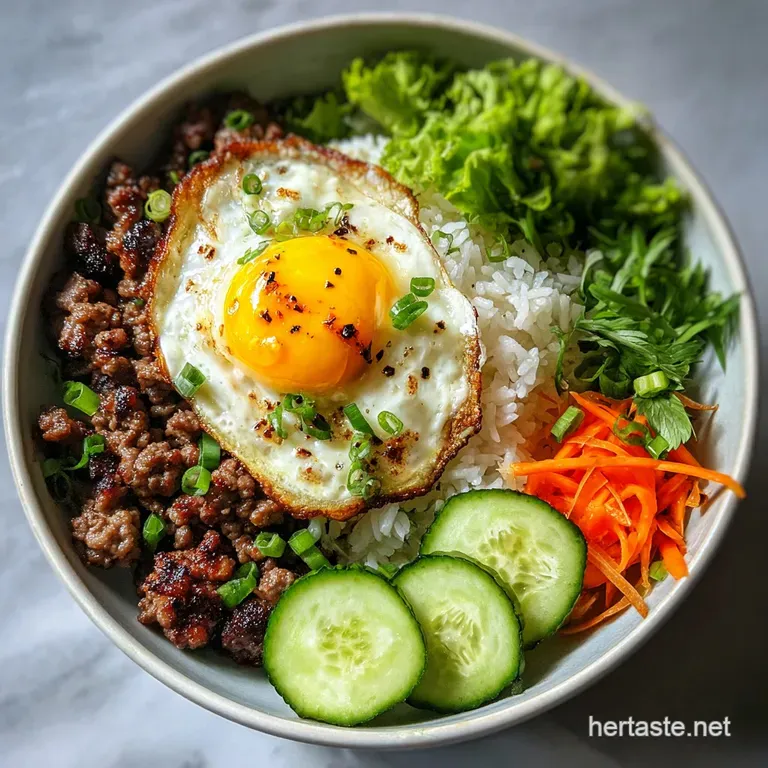
Chef's Tip: If you want a truly velvety finish, fry a sunny side-up egg and place it right on top of the beef. The runny yolk acts as a secondary sauce that makes the whole bowl feel incredibly luxurious.
If you find yourself making this often, try experimenting with different textures. Adding some quick pickled cucumbers (thinly sliced cucumbers in rice vinegar and sugar) on the side provides a cold, acidic crunch that resets your palate between bites of the savory beef. It turns a simple "Ground Beef Bowl" into a multi dimensional dining experience that you'll want to share with everyone. For more beef inspiration, you might enjoy the classic techniques used in a Pan Seared Beef Medallions recipe, which focuses on that same over high heat mastery.
Recipe FAQs
Can I make the sauce ahead of time for this Korean Ground Beef Bowl?
Yes, absolutely. The sauce base can be whisked together up to one week in advance and stored in the refrigerator.
How to achieve the caramelized, crispy edges on the ground beef?
Spread the beef into one flat layer and leave it undisturbed for three minutes. High heat searing creates the Maillard reaction necessary for the crust before you break it up and add the sauce.
Is it true that using leaner ground beef (93/7) will make the dish dry?
No, this is a common misconception when searing. The recipe relies on added toasted sesame oil for flavor, so using leaner beef prevents the final glaze from becoming overly greasy.
How to prevent the ground beef from steaming instead of searing when I start cooking?
Preheat your skillet over medium high heat until the oil shimmers. If the pan isn't hot enough, the meat releases moisture which then lowers the pan temperature, causing the beef to stew.
What is the best substitute if I don't have Gochujang (Korean chili paste)?
Combine Sriracha with a small pinch of miso paste. This mimics the necessary heat and fermented depth that Gochujang provides to the overall flavor profile.
How do I successfully reheat leftovers without the rice becoming hard?
Add a teaspoon of water to the beef and rice mixture before microwaving. The added moisture creates steam, effectively rehydrating the jasmine rice for a better texture.
How should I adjust the recipe if I am doubling the amount of beef?
Cook the beef in two separate batches rather than all at once. Crowding the pan drops the temperature, preventing the crucial high heat sear needed for texture.
Korean Ground Beef Bowl
Ingredients:
Instructions:
Nutrition Facts:
| Calories | 368 kcal |
|---|---|
| Protein | 28g |
| Fat | 12g |
| Carbs | 37g |
| Fiber | 2.5g |
| Sugar | 7g |
| Sodium | 720mg |
