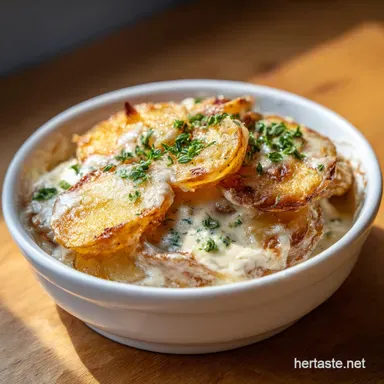
Joanna Gaines Scalloped Potatoes Recipe: Creamy and Nutty
- Time: 20 min active + 75 min baking = Total 1 hours 35 mins
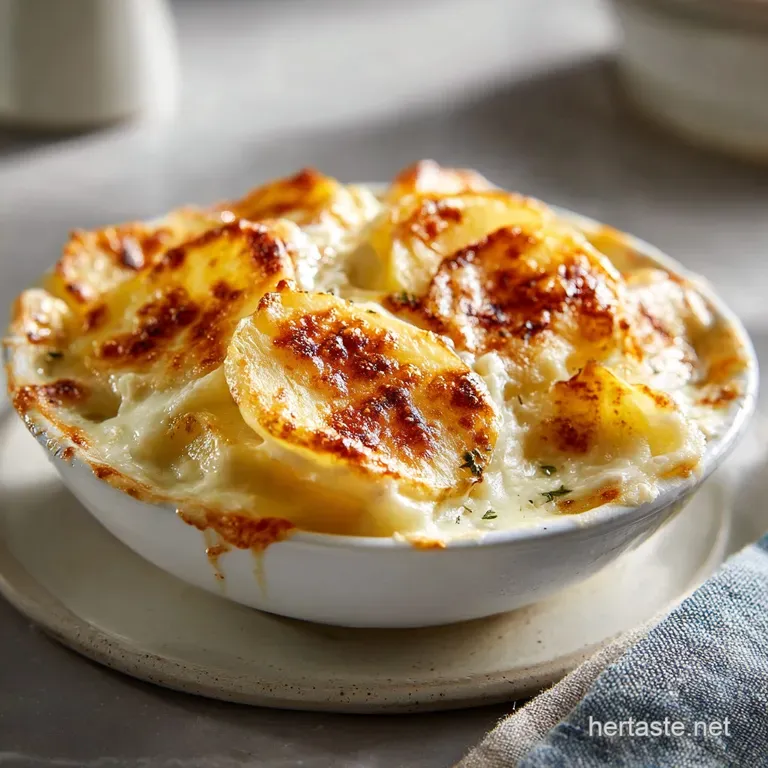
- Flavor/Texture Hook: Velvety cheese sauce with a bubbly, browned top
- Perfect for: Holiday dinners or a cozy Sunday roast
- Joanna Gaines Scalloped Potatoes Recipe
- Why This Dish Works
- The Core Ingredient List
- Tools You Will Need
- Step By Step Guide
- Fix Common Cooking Issues
- Troubleshooting Common Issues
- Tasty Flavor Twists
- Adjustment Guidelines
- Potato Cooking Myths
- Storage And Leftover Tips
- Best Side Dish Pairings
- Recipe FAQs
- 📝 Recipe Card
Joanna Gaines Scalloped Potatoes Recipe
That first scent of nutty, melting Gruyère hitting the oven air is something you just can't beat. I remember the first time I tried a proper scalloped dish at a friend's place during a rainy October weekend.
The house smelled like toasted butter and garlic, and when that dish came out, the top was this deep, golden brown that practically shattered when you hit it with a spoon. It wasn't just a side dish; it was the reason everyone stayed at the table long after the main course was gone.
For a long time, I thought these were just "fancy" potatoes, but they're actually a huge piece of comfort food history. They represent that slow down, family style eating where the goal is warmth and richness. Whether it's a holiday or just a night when you need something that feels like a hug, this is the go to.
You can expect a dish that's silky on the inside and crisp on the edges. The joanna gaines scalloped potatoes recipe focuses on that balance, making sure the potatoes are tender without becoming mushy.
Trust me, once you see those layers of cheese and potato bubbling together, you'll never go back to basic mashed spuds.
Why This Dish Works
I used to wonder why some scalloped potatoes turned out like a soup and others were thick and rich. It all comes down to a few simple things that happen in the pan.
- The Flour Anchor: By cooking flour in butter first, we create a roux. This prevents the milk from separating when it hits the high heat of the oven, keeping the sauce velvety.
- Starch Release: Slicing potatoes thinly allows them to release just enough starch into the sauce as they bake, which naturally thickens the liquid.
- Fat Integration: Using whole milk and full fat Gruyère ensures the sauce doesn't break. The fat carries the flavor of the nutmeg and garlic throughout every layer.
- Two Stage Bake: Covering the dish first steams the potatoes so they soften. Removing the foil later allows the moisture to evaporate and the cheese to brown.
| Method | Bake Time | Texture | Best For |
|---|---|---|---|
| Oven Bake | 75 minutes | Bubbly, crusty top | Holiday feasts |
| Stovetop | 30 minutes | Softer, more uniform | Quick weeknights |
| Slow Cooker | 4-6 hours | Very tender, less crust | Set and forget meals |
I've found that the oven method is the only way to get that specific mahogany finish. If you're in a rush, the stovetop version works, but you miss out on that concentrated flavor that only happens at 350°F.
The Core Ingredient List
Before we get into the heat, let's look at what's actually doing the work here. Not all potatoes are created equal, and the cheese choice is where this recipe really wins.
Component Analysis
| Ingredient | Science Role | Pro Secret |
|---|---|---|
| Yukon Gold | Structure | Holds shape better than Russets |
| Gruyère | Flavor/Binding | Melts more smoothly than sharp cheddar |
| Nutmeg | Aroma | Tiny pinch cuts through the heavy fat |
| Whole Milk | Liquid Base | Higher fat prevents the sauce from curdling |
Ingredients and Swaps
- 3 lbs Russet or Yukon Gold potatoes, peeled and thinly sliced Why this? Starchy enough to thicken the sauce.
- Swap: Red potatoes (keep skin on). Note: Denser texture, less creamy sauce.
- 1 tsp Kosher salt Why this? Coarser grains for even seasoning.
- Swap: Table salt. Note: Use slightly less to avoid oversalting.
- 1/2 tsp Black pepper
- Swap: White pepper. Note: More subtle, keeps the sauce looking "clean".
- 4 tbsp Unsalted butter Why this? Controls the salt levels.
- Swap: Ghee. Note: Higher smoke point, nuttier flavor.
- 1/4 cup All purpose flour Why this? The primary thickener.
- Swap: Cornstarch (2 tbsp). Note: Glossier sauce, less "bready" taste.
- 3 cups Whole milk, warmed Why this? Prevents clumps in the roux.
- Swap: Half and half. Note: Much richer and thicker outcome.
- 2 cups Gruyère cheese, freshly grated Why this? The "gold standard" for melting.
- Swap: Swiss or Emmental. Note: Similar melt, but slightly less pungent.
- 2 cloves Garlic, minced Why this? Adds depth to the cream.
- Swap: Garlic powder (1/2 tsp). Note: Less punchy, more integrated flavor.
- 1/4 tsp Nutmeg Why this? Classic French pairing for cream.
- Swap: Mace. Note: Very similar, slightly more peppery.
- 1/2 cup Parmesan cheese Why this? Creates the salty crust.
- Swap: Pecorino Romano. Note: Much saltier, very sharp finish.
Tools You Will Need
You don't need a professional kitchen for this, just a few basics. Honestly, the less you use, the easier the cleanup. I prefer using a simple mandoline for the potatoes if I have one, but a sharp knife works just fine.
- 9x13 inch baking dish (glass or ceramic is best for heat distribution)
- Medium saucepan (for the cheese sauce)
- Whisk (essential for a smooth roux)
- Paper towels (to dry the potatoes)
- Large mixing bowl
Chef's Note: If you don't have a mandoline, just take your time with the knife. The goal is consistency. If some slices are thick and some are thin, the thick ones will still be hard when the thin ones are mush.
Step by step Guide
Right then, let's get into it. Follow these steps closely, and you'll nail the joanna gaines scalloped potatoes recipe on the first go.
- Slice potatoes into uniform 1/8 inch rounds. Keep them in a bowl of cold water to prevent browning, then pat them completely dry with paper towels. Toss the dry slices with salt and pepper. Note: Drying them ensures the sauce clings instead of sliding off.
- Melt the butter in a medium saucepan over medium heat. Whisk in the flour and cook for 2 minutes until you smell a slightly nutty aroma.
- Slowly pour in the warmed milk, whisking constantly until the sauce thickens and becomes velvety.
- Remove the pan from heat and stir in the grated Gruyère, minced garlic, and nutmeg until completely melted and smooth.
- Grease your 9x13 inch baking dish. Layer the bottom with potato slices, then pour a portion of the cheese sauce over them.
- Repeat the layering process until all potatoes and sauce are used, ensuring the top layer is fully covered in sauce.
- Sprinkle the top with Parmesan cheese. Cover the dish tightly with foil.
- Bake at 350°F (175°C) for 45 minutes until the potatoes are tender when pierced with a knife.
- Remove the foil and bake for an additional 30 minutes until the top is mahogany colored and bubbling.
Fix Common Cooking Issues
Even for us obsessed cooks, things can go sideways. Usually, it's a temperature issue or a slicing mistake.
Troubleshooting Common Issues
| Issue | Solution |
|---|---|
| Why My Sauce Broke | If your sauce looks grainy or has oil floating on top, it's usually because the heat was too high when you added the cheese. Cheese can "separate" if it boils. If this happens, whisk in a tablespoon o |
| Why Potatoes Stay Hard | This is almost always due to slices being too thick or not covering the dish with foil. According to Serious Eats, trapping steam is essential for breaking down the pota |
| Why the Sauce Is Runny | This happens if you didn't cook the roux long enough or if you used a low starch potato. Make sure the butter and flour mixture bubbles for at least 2 minutes before adding milk. |
Common Mistakes Checklist:
- ✓ Did you pat the potatoes dry? (Wet potatoes = watery sauce)
- ✓ Is the milk warmed? (Cold milk causes flour clumps)
- ✓ Did you grate the cheese yourself? (Pre shredded has cornstarch that prevents a smooth melt)
- ✓ Did you cover with foil for the first 45 mins? (Necessary for tenderness)
- ✓ Are the slices uniform? (Ensures even cooking)
Tasty Flavor Twists
Once you've mastered the base joanna gaines scalloped potatoes recipe, you can start forging your own versions. I love adding a bit of a kick or some freshness to break up the richness.
Adding Aromatic Veggies
You can slide in thin slices of onion or leeks between the potato layers. I recommend sautéing the leeks in a bit of butter first so they don't release too much water into the dish. It adds a subtle sweetness that pairs beautifully with the Gruyère.
Changing the Cheese Profile
While Gruyère is the star, you can do a blend. I've tried a mix of Gruyère and sharp white cheddar for a punchier taste. If you want something more alpine, try Emmental. Just keep in mind that very sharp cheeses can sometimes separate more easily.
Fresh Herb Finishes
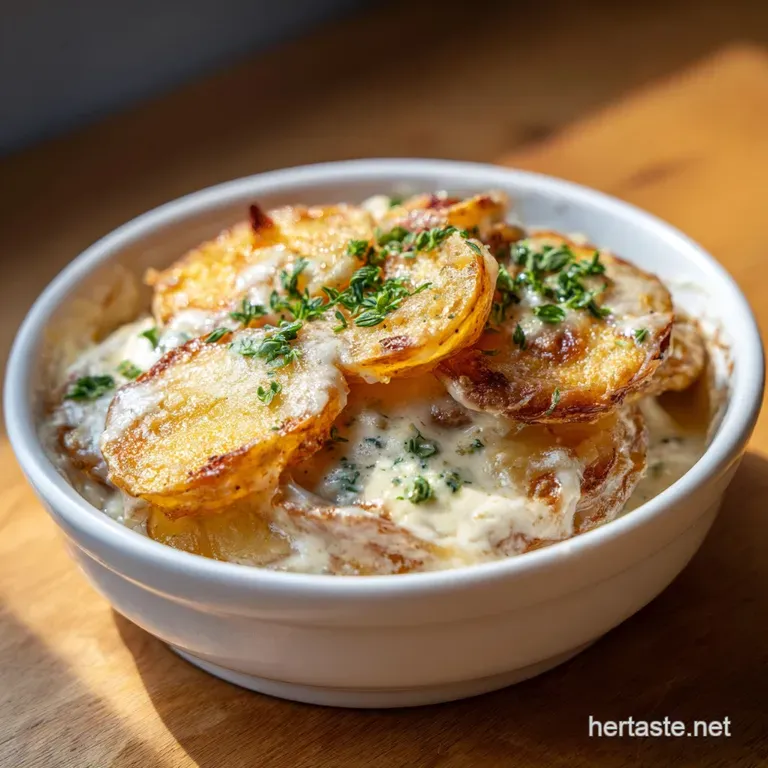
Adding herbs during the bake can sometimes make them taste "burnt". Instead, sprinkle fresh chives or parsley over the top the second it comes out of the oven. The residual heat will wake up the oils in the herbs without destroying the flavor.
If you're serving this as a side, it goes incredibly well with a protein that has a bit of acidity to cut through the cream. My Garlic Parmesan Chicken is a great choice here.
Adjustment Guidelines
Depending on your crowd, you might need to change the volume. Scaling a creamy bake isn't as simple as doubling the numbers; you have to account for the surface area of your pan.
Scaling Down (Half Batch): Use an 8x8 inch square pan. Reduce the baking time by about 20% for the covered stage, as the smaller mass heats through faster. Since you're using half the ingredients, be careful not to over reduce the sauce in the pan.
Scaling Up (Double Batch): Work in two 9x13 dishes rather than one giant deep pan. If the potatoes are too deep, the middle will stay raw while the edges burn. For the spices and salt, only increase them to 1.5x instead of 2x over salting is a real risk with large amounts of cheese.
Temperature Tip: If you're baking two dishes at once on different racks, swap their positions halfway through. This ensures both get that same mahogany crust.
Potato Cooking Myths
There are a lot of "rules" out there that just aren't true. Let's clear a few up.
Myth: You must soak potatoes for hours. The truth is, a quick 10-15 minute soak just removes excess surface starch so they don't stick. Soaking them for hours actually leaches out too much flavor and can make the texture mealy.
Myth: Only Russets work for scalloped potatoes. Actually, Yukon Golds are often superior because they have a naturally buttery flavor and hold their shape better. Russets are great for "fluffiness," but for a slice, you want that waxy hold.
Storage And Leftover Tips
These potatoes are almost always gone in one sitting, but if you have leftovers, they're still gold.
Fridge Storage: Store in an airtight container for up to 4 days. The sauce will thicken significantly in the fridge, which is normal.
Freezing: I generally don't recommend freezing scalloped potatoes. The milk and cream in the sauce tend to separate upon thawing, leaving you with a grainy texture. If you must, freeze in individual portions, but expect some quality loss.
Reheating: Avoid the microwave if you can it makes the potatoes rubbery. Instead, put them in a small baking dish, add a splash of milk to loosen the sauce, cover with foil, and heat at 325°F for 15-20 minutes.
Zero Waste Tip: Don't toss those potato peels! Toss them in olive oil and salt, then air fry or bake them at 400°F for 10 minutes. You've got a free snack while you wait for the main bake to finish.
Best Side Dish Pairings
The richness of this joanna gaines scalloped potatoes recipe means you need something to balance the plate. You don't want everything to be "creamy," or the meal will feel too heavy.
A classic Honey Glazed Ham is the gold standard here. The sweetness of the glaze and the saltiness of the ham cut right through the Gruyère sauce. If you're doing something lighter, a crisp green salad with a sharp lemon vinaigrette is the way to go.
For a full feast, try pairing it with roasted carrots or steamed asparagus. The goal is to provide a "bright" contrast to the "deep" flavor of the potatoes. Trust me, a bit of acidity on the plate makes the cheese taste even more intense.
Recipe FAQs
What is the one trick Michael Symon uses to make perfect scalloped potatoes?
Slice the potatoes into perfectly uniform rounds. Using a consistent 1/8 inch thickness ensures every slice cooks evenly, preventing some pieces from staying hard while others overcook.
What are some common mistakes when making scalloped potatoes?
Slicing potatoes too thick or forgetting the foil cover. These errors prevent the potatoes from steaming properly, which is essential for breaking down the starches during the first 45 minutes of baking.
What's the best liquid to use in scalloped potatoes?
Warmed whole milk. Warming the milk before whisking it into the flour and butter creates a velvety, smooth sauce without lumps.
Is it true that you should boil potatoes first for scalloped potatoes?
No, this is a common misconception. Slicing them thin and baking them covered allows the potatoes to soften while absorbing the rich flavors of the Gruyère and garlic.
How to prevent potatoes from browning before baking?
Store the slices in a bowl of cold water. Once you are ready to cook, pat them completely dry so the cheese sauce adheres to the potatoes instead of sliding off.
Why is my scalloped potato sauce runny?
The roux was likely undercooked. You must whisk the butter and flour for a full 2 minutes until a nutty aroma develops to ensure the sauce thickens properly.
What is the best way to serve these scalloped potatoes?
Pair them with a hearty roasted protein. These rich, cheesy potatoes are the perfect side dish for oven steak for a classic Sunday dinner.
Joanna Gaines Scalloped Potatoes