Homemade Pimento Cheese: Sharp & Velvety
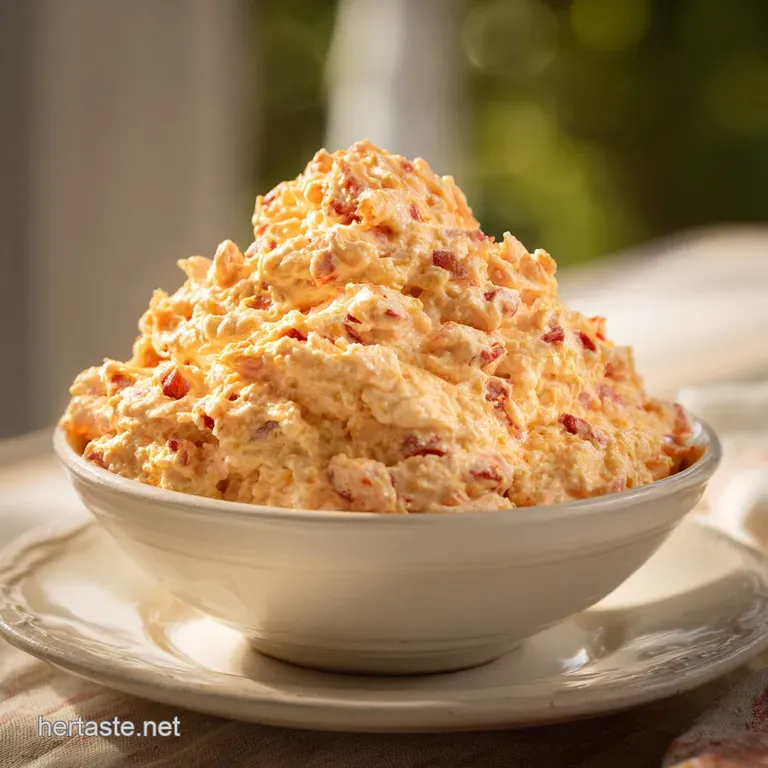
- Time: Active 15 minutes, Passive 1 hours, Total 1 hours 15 mins
- Flavor/Texture Hook: Sharp, velvety, and piquant
- Perfect for: Game day gatherings, budget-friendly meal prep, or artisan sandwiches
- Mastering This Bold and Sharp Pimento Cheese
- The Molecular Science of Creating a Stable Emulsion
- Sourcing Smart Ingredients for High Impact Results
- Component Analysis for Texture and Flavor
- Essential Elements for This Recipe
- Tools Required for a Silky Finish
- Step by Step Instructions for Texture
- Fixing Texture and Flavor Issues
- Creative Ways to Mix It Up
- Guidelines for Scaling and Adjustments
- Debunking Common Kitchen Beliefs
- Smart Storage and Zero Waste Tips
- Innovative Presentation Tips
- Recipe FAQs
- 📝 Recipe Card
Mastering This Bold and Sharp Pimento Cheese
The sharp, metallic scent of aged cheddar hits you the second the grater starts its rhythmic scritch scratch against the block. You've probably seen those plastic tubs in the grocery aisle neon orange, swimming in oily mayo, and smelling vaguely of preservatives. Forget those.
When you make this yourself, the first thing you notice is the texture: the way a sturdy cracker creates a loud shatter against a mound of velvety cheese that actually tastes like, well, cheese.
I learned the hard way that pre shredded bags are the enemy of a good spread. Years ago, I tried to save five minutes by using the bagged stuff for a party. The result was a grainy, stiff mess that wouldn't stick to a celery stick if I used glue.
It turns out the cellulose they coat that cheese with to keep it from clumping in the bag also keeps it from bonding with your binder. Since then, I’ve been a hand grating convert. It’s a bit of a workout for the forearms, but the resulting "fluff" is what makes this dish legendary.
This recipe isn't just about mixing things in a bowl; it’s about forging a specific structure. We're looking for that sweet spot where the heat of the cayenne meets the smoky depth of the paprika, all held together by a binder that’s creamy but not greasy.
It’s a personal touch that turns a humble Southern staple into something you’ll want to eat straight off the spoon. Trust me, once you taste the difference that a teaspoon of pimento brine makes, you’ll never go back to the bland versions.
The Molecular Science of Creating a Stable Emulsion
The Physics of the Grate: Using two different hole sizes on your grater creates a structural "lock" where the fine shreds fill the gaps between the larger ones, ensuring the spread stays cohesive on a sandwich.
Brine Acidity Balance: The addition of vinegar heavy pimento brine breaks down the heavy fat molecules in the mayonnaise, preventing that "cloying" mouthfeel and brightening the sharp cheddar notes.
Chef Tip: Throw your blocks of cheddar in the freezer for exactly 15 minutes before you start grating. This firms up the fat solids, so the cheese shreds into clean ribbons instead of turning into a smashed, gummy paste on your grater.
Sourcing Smart Ingredients for High Impact Results
Creating a high end taste on a budget is all about choosing where to spend and where to swap. While it might be tempting to buy the cheapest cheddar available, opting for a block of extra sharp yellow and a sharp white provides a complex flavor profile that mimics expensive artisanal blends.
Because we are grating this by hand, we get a much better yield and a superior melt in-the mouth texture compared to processed alternatives.
| Premium Ingredient | Budget Alternative | Flavor Impact | Savings |
|---|---|---|---|
| Aged Artisanal Clothbound Cheddar | Store brand Extra Sharp Block | Slightly less nutty, but still hits the sharp notes | Save $10-15 |
| Peppadew Peppers | Jarred Diced Pimentos | Pimentos are milder; Peppadews add a sweet heat | Save $3-5 |
| Hand Whisked Aioli | high-quality store Mayo | Commercial mayo is actually more stable for this spread | Save $4 |
If you find yourself running low on cheddar, you can actually use the base technique from my Stovetop Creamy Mac recipe to understand how different fats interact with binders. The goal here is a cold emulsion, but the principle of high fat cheese meeting a creamy carrier remains the same.
Component Analysis for Texture and Flavor
Selecting the right components is what separates a soggy dip from a vibrant spread. We are using a mix of textures small shreds for "glue" and large shreds for "bite" to ensure every mouthful is interesting.
| Ingredient | Science Role | Pro Secret |
|---|---|---|
| Sharp Cheddar | Structural Base | Use "Extra Sharp" to ensure the flavor isn't lost in the mayo |
| Cream Cheese | Emulsification Bridge | Ensure it is fully room temp to avoid "white dots" in the final mix |
| Pimento Brine | Acidic Brightener | Never toss the liquid; it's the secret to thinning the spread naturally |
| Smoked Paprika | Depth Enhancer | A tiny amount mimics the flavor of a wood fired grill |
Essential Elements for This Recipe
- 8 oz extra sharp yellow cheddar: Hand grated on large holes Why this? Provides the classic color and primary structural bite.
- 8 oz sharp white cheddar: Hand grated on small holes Why this? The smaller shreds melt into the binder for creaminess.
- 1/2 cup high-quality mayonnaise: (Substitute: Greek Yogurt for a tangier, lower fat profile).
- 4 oz cream cheese: Softened to room temperature (Substitute: Mascarpone for a buttery, less tangy finish).
- 1/4 tsp cayenne pepper: (Substitute: Red pepper flakes for a localized heat burst).
- 1/2 tsp smoked paprika: (Substitute: Liquid smoke - use 1 drop only).
- 1/2 tsp garlic powder: (Substitute: 1 small clove grated fresh garlic).
- 4 oz diced pimentos: Drained (Substitute: Roasted red peppers, finely chopped).
- 1 tsp reserved pimento brine: Why this? Adds essential acidity that cuts through the heavy fat.
- Salt to taste
- Black pepper to taste
Tools Required for a Silky Finish
You don't need a pantry full of gadgets to get this right, but a few specific tools make the process significantly easier. A sturdy box grater is your best friend here. While a food processor with a grating attachment works in a pinch, it often creates heat that can slightly soften the cheese fats, leading to a clumpier result.
A stand mixer or a hand mixer is innovative for the "binder" phase. Whipping the cream cheese and mayo together before adding the solids ensures there are no pockets of plain cream cheese. If you're doing this by hand, use a stiff silicone spatula.
A whisk will just get clogged with cheese and make you want to throw it across the kitchen.
step-by-step Instructions for Texture
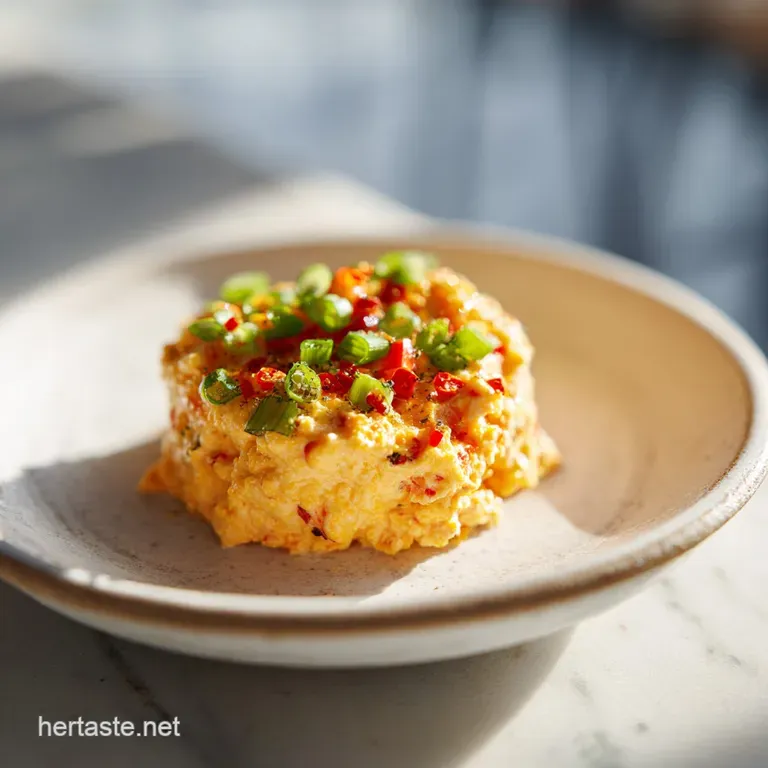
1. Grate for Texture
Start by grating your 8 oz of extra sharp yellow cheddar on the largest holes of your box grater. Move to the 8 oz of sharp white cheddar and use the smallest holes. Note: This dual size shredding is the secret to a spread that is both chunky and creamy.
2. Whip the Binder
In a medium mixing bowl, combine the 1/2 cup mayonnaise, 4 oz softened cream cheese, 1/4 tsp cayenne, 1/2 tsp smoked paprika, and 1/2 tsp garlic powder. Beat with a hand mixer on medium speed for about 2 minutes until the mixture is silky and completely streak free.
3. Incorporate the Piquant Elements
Fold in the 4 oz of drained pimentos and that vital 1 tsp of reserved brine. Use a spatula to stir gently until the pimentos are evenly distributed but not smashed.
4. The Final Fold
Add both types of grated cheddar to the bowl. Switch to a sturdy spoon and fold the cheese into the cream base. Continue folding until every strand of cheese is coated in the spice flecked binder.
5. Seasoning Check
Taste a small amount on a neutral cracker. Add your salt and black pepper now. Note: Cheddar saltiness varies by brand, so always season at the very end.
6. The Flavor Meld (The Chill)
Transfer the mixture to a glass jar or airtight container. Refrigerate for at least 1 hours. until the flavors have fully married and the texture has firmed up.
Fixing Texture and Flavor Issues
Sometimes the environment in our kitchen like humidity or the specific brand of cheese can throw off the consistency. If your spread looks a little sad, don't panic. Most pimento cheese problems are easily solved with a quick adjustment of the fat to acid ratio.
To Fix a Broken or Oily Spread
If you see oil pooling at the edges, your cheese might have gotten too warm during the mixing process, or the mayo has separated.
| Problem | Root Cause | Solution |
|---|---|---|
| Oily Separation | Cheese was too warm | Chill for 30 mins, then fold in 1 tbsp cold mayo |
| Gritty Texture | Pre shredded cheese used | Add 1 tsp warm water and whip vigorously to dissolve cellulose |
| Too Stiff to Spread | Too much cheese, not enough binder | Fold in 1 tsp pimento brine or heavy cream |
To Fix a Bland Profile
If the spread tastes "flat," it’s likely missing acid or salt. A tiny squeeze of lemon juice or an extra splash of the pimento brine can wake up the cheddar. If you're looking for that deep, soul warming flavor found in The Quintessential Comfort recipe, remember that salt is the primary conductor for all the other spices.
Pimento Cheese Success Checkpoints
- ✓ Always grate your own cheese from a cold block to avoid anti clumping agents.
- ✓ Soften the cream cheese fully to ensure a velvety, lump free binder.
- ✓ Drain the pimentos thoroughly in a fine mesh sieve before adding them.
- ✓ Let the spread rest in the fridge; the cayenne heat intensifies over time.
- ✓ Use a "folding" motion rather than mashing to keep the cheese shreds intact.
Creative Ways to Mix It Up
While the classic version is hard to beat, this base is incredibly forgiving for modifications. If you want to lean into a more "tavern" style, try adding 1 tsp of Dijon mustard or a dash of Worcestershire sauce.
For a smoky grilled twist, you can actually char whole red bell peppers on the stove, peel them, and use those instead of canned pimentos.
If you are looking for the ultimate Pimento Cheese Sandwich Recipe, try spreading this thick between two slices of white bread and grilling it in a cast iron skillet with plenty of butter. The result is a molten, vibrant core that puts standard grilled cheese to shame.
For a modern charcuterie board, roll the chilled mixture into a ball and coat it in toasted pecans or chopped chives for a striking presentation.
Guidelines for Scaling and Adjustments
Scaling Down (Small Batch)
If you only need a little for a solo lunch, you can easily halve the recipe. Use 4 oz of each cheese and 2 oz of cream cheese. Since half an egg isn't an issue here, the math is straightforward. Use a small bowl to ensure the binder doesn't just get lost on the sides of a large one.
Reduce the chill time to 30 minutes.
Scaling Up (Party Size)
When doubling or tripling for a crowd, don't just double the spices. Start with 1.5x the cayenne and paprika, then taste. Spices can become overwhelming in large volumes. Use a large stand mixer with the paddle attachment on the lowest setting to save your arms from the manual labor of folding 3 lbs of cheese.
Debunking Common Kitchen Beliefs
One frequent myth is that pimentos are just red bell peppers. While they are related, pimentos (cherry peppers) are thicker walled, sweeter, and more aromatic. Using standard roasted reds will work in a pinch, but you'll lose that specific "piquant" signature.
Another misconception is that you need a lot of mayonnaise for a "real" Southern spread. In reality, the best versions use just enough mayo to coat the cheese, relying on room temperature cream cheese for the heavy lifting.
This prevents the spread from becoming a "soup" when it sits out at room temperature during a party.
Smart Storage and Zero Waste Tips
Storage Guidelines: This spread keeps beautifully in the fridge for up to 5 days. Ensure it’s in a glass container, as plastic can sometimes absorb the smell of the sharp onions or garlic over time.
I don't recommend freezing this; the emulsion of the mayo and cream cheese will likely break when thawed, leaving you with a watery, grainy mess.
Zero Waste Ideas: Don't throw away those tiny leftover scraps of cheese that are too small to grate. Finely mince them with a knife and toss them in. If you have a few tablespoons of spread left at the end of the week, stir it into a pot of hot grits or use it as a decadent topping for a baked potato.
You can even dollop a spoonful onto a hot burger patty for an instant "Carolina Burger" experience.
Innovative Presentation Tips
Presentation is all about contrast. Because the spread is soft and rich, serve it alongside elements that offer a loud crunch. Think thick cut kettle chips, chilled celery hearts, or even sliced radishes.
For a vibrant look, garnish the top with a few extra diced pimentos and a sprinkle of fresh chives right before serving.
If you're serving this as a dip, place the bowl in the center of a wooden board and surround it with a mix of "sweet and heat." A few bread and butter pickles or a small pile of pickled jalapeños provides the perfect acidic counterpoint to the heavy cheddar.
It transforms a simple bowl of cheese into a thoughtful, curated experience.

Recipe FAQs
What kind of cheese is used for pimento cheese?
A blend of Cheddar cheeses. Typically, a mix of extra sharp yellow and sharp white cheddar is hand grated to achieve both color depth and textural complexity in the final spread.
What is the best pimento cheese?
The best is homemade using freshly grated cheese. store-bought versions often use stabilizers that result in a greasy or grainy texture; the best spread relies on a balanced ratio of sharp cheddar, cream cheese binder, and pimento brine for acidity.
What's the difference between pimento cheese and palmetto cheese?
Palmetto Cheese is a specific, branded product; pimento cheese is the generic dish. Palmetto Cheese is a commercially successful, popular brand originating from South Carolina that often has a distinct texture and spice profile.
Why do they call it pimento cheese?
It is named for the inclusion of pimentos. These small, sweet red peppers are the defining vegetable element, added for color and a mild, sweet heat that complements the sharp cheese base.
How do I prevent my pimento cheese from becoming oily?
Ensure all cheese is thoroughly chilled before grating and mixing. The oil separates when the cheese fat gets too warm; chilling keeps the structure firm, similar to how chilling dough helps maintain shape when you are mastering The Crisp Traditional recipe.
Should I use cream cheese or mayonnaise as the primary binder?
Use softened cream cheese as the primary emulsifying bridge. While mayo adds moisture, cream cheese provides the necessary body and velvety texture that prevents the mixture from turning into a simple cheese salad.
Can I use pre-shredded cheese from the bag?
No, pre-shredded cheese is highly discouraged for this recipe. Those bags are coated in cellulose or starches to prevent clumping, which interferes with the cheese bonding properly with the cream cheese, resulting in a grainy final product.
Homemade Pimento Cheese Spread

Ingredients:
Instructions:
Nutrition Facts:
| Calories | 127 kcal |
|---|---|
| Protein | 5.0 g |
| Fat | 11.6 g |
| Carbs | 0.8 g |
| Fiber | 0.1 g |
| Sugar | 0.4 g |
| Sodium | 164 mg |
