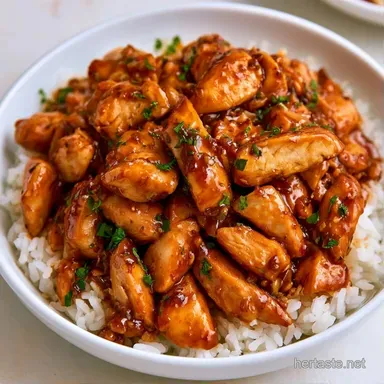
Hoisin Chicken Stir Fry in 24 Minutes

- Time: 10 min active + 14 min cooking
- Flavor & Texture: Savory, glossy, and tender-crisp
- Perfect for: A fast weeknight dinner
Hoisin sauce is a staple in Cantonese cuisine, often called the "Chinese BBQ sauce." It's all about that deep, fermented plum and soy flavor that feels like a hug in a bowl. It's the kind of meal that brings a bit of tradition to the table without requiring hours of prep.
The smell of ginger and garlic hitting a hot pan is the best part of the day. This dish is designed for when you're starving but want something that tastes like it came from a professional kitchen.
You can expect a rich, chestnut brown crust on the chicken and vegetables that stay bright and snap when you bite into them. The hoisin chicken stir fry comes together in under 30 minutes, making it a reliable win for any night of the week.
Hoisin Chicken Stir Fry
| Detail | Value |
|---|---|
| Prep Time | 10 minutes |
| Cook Time | 14 minutes |
| Total Time | 24 minutes |
| Yield | 4 servings |
The Building Blocks
| Ingredient | Role | Alternatives |
|---|---|---|
| Hoisin Sauce | Primary flavor and sweetness | Plum sauce mixed with soy (less salty) |
| Cornstarch | Thickens the glaze and protects meat | Potato starch (comparable results) |
| Apple Cider Vinegar | Tangy balance to offset sugar | Rice vinegar (more subtle) |
| Peanut Oil | High smoke point for searing | Canola or Grapeseed oil |
For the Protein
- 1 lb (450 g) boneless skinless chicken breast, sliced into thin strips Why this? Lean and cooks rapidly.
- 1 tbsp cornstarch Why this? Key for the glossy coating.
- 1/2 tsp salt
- 1/4 tsp black pepper
For the Sauce
- 1/3 cup hoisin sauce
- 2 tbsp reduced-sodium soy sauce Why this? Deep umami without too much salt.
- 1 tbsp honey Why this? Adds a polished sheen.
- 1 tsp fresh ginger, minced
- 2 cloves garlic, minced
- 1 tsp apple cider vinegar Why this? Acidity to balance the sugar.
For the Stir Fry
- 2 tbsp peanut oil Why this? Stable at high temperatures.
- 2 cups broccoli florets, bite-sized
- 1 red bell pepper, sliced into strips
- 1 cup snap peas, trimmed
- 2 green onions, sliced
Essential Gear
You don't need a specialized setup, but the pan matters. A wok is the traditional choice because the sloped sides make tossing easy. If you don't have one, a cast iron skillet is a great alternative because it holds heat better than thin stainless steel.
A small whisk and two mixing bowls are all you need for the prep. I like using a wide spatula to flip the chicken without breaking the strips.
Step-by-step Instructions
1. The Prep Phase
In a small bowl, whisk together the hoisin sauce, reduced-sodium soy sauce, honey, minced ginger, garlic, and apple cider vinegar until smooth. In a separate bowl, toss the chicken strips in cornstarch, salt, and pepper until they are evenly coated.
2. Searing the Protein
Heat 1 tbsp of peanut oil in a cast iron skillet or wok over medium-high heat until shimmering. Arrange the chicken in a single layer, cooking in batches if needed, and sear for 3–4 minutes without stirring until a chestnut brown crust forms.
Flip the pieces and cook for an additional 2 minutes until the meat hits 165°F (74°C). Move the chicken to a plate and set aside.

3. The Flash Fry
Add the remaining 1 tbsp of peanut oil to the same skillet. Throw in the red bell pepper, broccoli, and snap peas. Stir-fry for 3–5 minutes until the vegetables are vibrant in color and tender-crisp.
4. The Glazing Finish
Return the cooked chicken to the pan and stir in the prepared sauce. Toss continuously over high heat for 1–2 minutes until the sauce bubbles and thickens into a glossy glaze that clings to everything. Remove from the heat immediately.
Garnish with sliced green onions and serve immediately.

Why the Glaze Stays Glossy
- The Cornstarch Barrier: Coating the chicken in cornstarch creates a layer that prevents the meat from drying out and gives the sauce something to grip.
- Batch Searing: By not overcrowding the pan, we ensure the chicken browns rather than steaming in its own juices.
- High-Heat Reduction: Boiling the sauce at the very end quickly evaporates excess water, leaving behind a rich, concentrated coating.
Problems and Solutions
The Sauce is Too Thin
If the glaze hasn't thickened enough to coat the chicken, mix 1 tsp of cornstarch with 1 tsp of cold water. Stir this slurry into the bubbling sauce for 30 seconds to thicken it instantly.
The Chicken is Steaming
If the chicken looks gray and wet instead of brown, the pan is too crowded. Cook the meat in two or three smaller batches to keep the pan temperature high.
Veggies are Mushy
Overcooking the vegetables ruins the snap. Remove them from the heat the moment they turn bright in color, as they will continue to soften slightly when you add the sauce.
Storage and Reheating
Keep any remaining portions in a tight-fitting container in the refrigerator for a maximum of 4 days. I would avoid freezing this meal, as the snap peas and broccoli lose their crunch and get mushy after thawing.
For reheating, use a skillet on medium heat with a bit of water to thin the sauce, until the chicken reaches 165°F (74°C) in the thickest piece. Alternatively, use a microwave on medium power in 30-second intervals, stirring between rounds, until the chicken reaches 165°F (74°C) in the thickest piece.
When reheating cooked leftovers, check with a food thermometer that the centre reaches 165°F (74°C); the appliance temperature and time alone do not confirm this.
Customizing Your Meal
You can easily swap the vegetables based on what's in your crisper drawer. Carrots, bok choy, or water chestnuts all work well here. If you want a different protein, shrimp or firm tofu are great options, just remember that shrimp cooks much faster than chicken strips.
For a different way to enjoy these flavors, try these chicken lettuce wraps if you want something lighter.
| Pan Choice | Heat Retention | Tossing Ease |
|---|---|---|
| Wok | High | Excellent |
| Cast Iron | Very High | Moderate |
| Stainless | Medium | Moderate |
Serving Suggestions

I like serving this over a bed of steamed jasmine rice or brown rice to soak up every drop of the sauce. If you want a lower-carb option, cauliflower rice is a solid bet. For those who love noodles, toss it with cooked udon or rice noodles.
Add a sprinkle of toasted sesame seeds or a few red pepper flakes on top for a bit of a kick. A side of steamed edamame also pairs nicely with the sweet-savory profile of the sauce.
Searing and Juices
Some people think searing meat "seals in" the juices. In reality, the meat loses moisture regardless of how you cook it. The sear is actually about flavor, creating those brown bits that make the final sauce taste richer.
High in Sodium
943 mg of sodium per serving (41% of daily value)
American Heart Association recommendation: no more than 2,300 mg of sodium per day
Tips to Reduce Sodium
-
Swap Hoisin Sauce
Reduce the amount of hoisin sauce or replace it with a homemade low-sodium version using plum preserves and rice vinegar.
-
Use Coconut Aminos
Substitute the reduced-sodium soy sauce with coconut aminos, which offers a similar savory flavor with significantly less sodium.
-
Omit Added Salt
Remove the 1/2 tsp of salt from the chicken seasoning, as the sauces already provide ample salinity.
-
Boost Fresh Aromatics
Increase the amount of fresh ginger and garlic or add a pinch of red pepper flakes to enhance the flavor profile without adding salt.
Frequently Asked Questions
What goes into the hoisin chicken stir fry sauce?
Whisk hoisin sauce, reduced-sodium soy sauce, honey, minced ginger, garlic, and apple cider vinegar. This combination creates a balanced, glossy glaze.
How should I store the leftovers?
Place them in a sealed container in the refrigerator for up to 4 days. Reheat them in a skillet with a splash of water to keep the sauce glossy. When reheating cooked leftovers, check with a food thermometer that the centre reaches 165°F (74°C); the appliance temperature and time alone do not confirm this.
Can I use both hoisin and soy sauce together?
Yes, using both provides a complex salty and sweet profile. The soy sauce adds depth while the hoisin thickens the sauce.
Does this count as a Thai stir fry?
No, this is a Chinese-style dish because of the hoisin sauce. Thai stir fries typically use different flavor bases.
Why use cornstarch on the chicken?
It creates a protective barrier that helps the meat brown and allows the sauce to cling better. This ensures a glossy finish rather than a watery sauce.
Hoisin Chicken Stir Fry in 24 Minutes