Healthy Honey Mustard Dressing Recipe: Tangy and Velvety
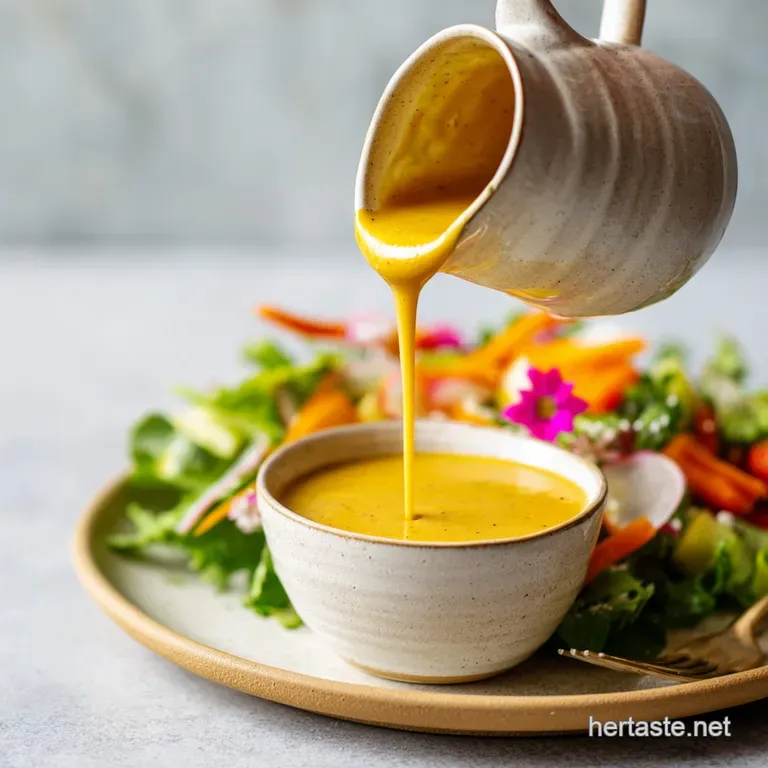
- Time: Active 5 mins, Passive 0 mins, Total 5 mins
- Flavor/Texture Hook: Tangy, velvety, and bright
- Perfect for: Weeknight salads, meal prep, or as a dip for roasted vegetables
- Master the Ultimate Healthy Honey Mustard Dressing Recipe
- Clever Techniques for Smooth Texture
- Essential Recipe Specs and Details
- Sourcing Your Nutrient Dense Ingredients
- Essential Equipment for Silky Success
- Executing the Perfect Liquid Emulsion
- Solving Common Dressing Texture Problems
- Exploring Creative Flavor and Texture Variations
- Scaling the Recipe for Crowds
- Smart Storage and Waste Prevention
- Vibrant Presentation and Pairing Ideas
- Kitchen Wisdom and Myths
- Recipe FAQs
- 📝 Recipe Card
Master the Ultimate Healthy Honey Mustard Dressing Recipe
The sharp, sinus clearing scent of Dijon hitting a bowl of sweet, golden honey is one of those kitchen moments that just feels right. I remember the first time I tried to make a "lighter" version of this; I tried to just water down the bottled stuff, and it was a watery, sad mess that slid right off my kale.
It was a total flop, but it taught me that the secret isn't less flavor it’s better structure.
Now, when I whisk this together, the kitchen smells like a mix of orchard sweetness and a French bistro. We're forging a new path here, moving away from those gloopy, sugar laden restaurant dressings and toward something that actually tastes like the ingredients it’s made from.
It’s thick enough to coat a spoon, zesty enough to wake up a boring chicken breast, and honestly, you might find yourself licking the whisk.
This version is all about that personal touch, using the natural tang of Greek yogurt to give us that creamy satisfaction without the heavy fat of traditional mayonnaise. It's innovative because it treats the dressing like a balanced sauce rather than just an afterthought.
We’re going to look at how these simple pantry staples transform into a silky emulsion that rivals anything you'd buy in a fancy glass bottle.
Clever Techniques for Smooth Texture
The magic of a great dressing lies in the emulsion the process of forcing oil and water based liquids to stay together instead of splitting like a bad relationship. In our case, the Dijon mustard isn't just there for flavor; it’s a natural stabilizer.
It contains mucilage, a sticky substance that wraps around the oil droplets, preventing them from grouping back together.
The Emulsion Bridge: Dijon mustard acts as a surfactant, allowing the extra virgin olive oil to suspend evenly within the apple cider vinegar. This prevents the "slick" of oil often seen in poorly mixed vinaigrettes.
Protein Stabilization: The casein proteins in the 1/2 cup Plain Non fat Greek Yogurt provide a structural scaffold that thickens the mixture without needing heavy starches or gums. This gives us that velvety mouthfeel while keeping the calorie count low.
Viscosity Control: Raw honey serves as more than a sweetener; its high sugar density increases the liquid's thickness, ensuring the dressing stays on your salad leaves instead of pooling at the bottom of the bowl.
| Preparation Method | Time | Texture Result | Best For |
|---|---|---|---|
| Whisking by Hand | 3 mins | Rustic, slightly textured | Small batches for immediate use |
| High Speed Blender | 1 min | Ultra silky, whipped | Bulk prep or as a dipping sauce |
| Mason Jar Shake | 2 mins | Thinner, vinaigrette style | Quick weeknight salads |
Whisking is usually my go to because it gives me more control over the "bite." If I want it extra sharp, I can adjust the mustard on the fly. But if you’re making a double batch, the blender is your best friend for getting that commercial grade smoothness.
Just be careful not to over blend the yogurt, or it can become a bit too runny.
Essential Recipe Specs and Details
When we talk about this healthy honey mustard dressing recipe, we need to look at the chemistry of the components. We aren't just tossing things in a bowl; we're building a flavor profile that hits every part of the palate.
The 1/4 cup Dijon Mustard provides the acidic high notes, while the 3 tbsp Raw Local Honey brings the grounding sweetness.
| Component | Science Role | Pro Secret |
|---|---|---|
| Dijon Mustard | Emulsifier | Use "Grey Poupon" style for a more refined, less "yellow" heat |
| Greek Yogurt | Base Body | Ensure it is non fat to maximize the tangy lactic acid bite |
| Olive Oil | Fat Carrier | Use cold pressed oil to add a peppery finish to the back of the throat |
| Apple Cider Vinegar | Acid Catalyst | Brightens the honey and prevents the yogurt from tasting too heavy |
The 1/2 tsp Garlic Powder and 1/4 tsp Fine Sea Salt are small players with big jobs. The salt, specifically, is a flavor multiplier. It suppresses bitterness and enhances the perception of sweetness in the honey. Without it, the dressing tastes flat and one dimensional.
Adding 1/8 tsp Cracked Black Pepper provides a subtle, woody heat that lingers just long enough to keep things interesting.
Sourcing Your Nutrient Dense Ingredients
To get the best results, your ingredients need to be fresh. I once made this with some old, dried out mustard from the back of the fridge, and the dressing ended up grainy and dull. Stick to these specifics:
- 1/2 cup Plain Non fat Greek Yogurt: This is our creamy foundation. Why this? It provides protein and a thick texture without the saturated fats found in mayo.
- 2 tbsp Extra Virgin Olive Oil: A heart healthy fat. Why this? It adds a fruity depth and helps the fat soluble vitamins in your salad absorb better.
- 1/4 cup Dijon Mustard: The sharp backbone. Why this? It contains the natural emulsifiers needed to keep the dressing from separating.
- 3 tbsp Raw Local Honey: The floral sweetener. Why this? Raw honey has a thicker consistency and more complex flavor than processed syrup.
- 1/tbsp Apple Cider Vinegar: The brightness. Why this? ACV has a milder, fruitier acidity than white vinegar, which complements the honey.
- 1/2 tsp Garlic Powder: For savory depth.
- 1/4 tsp Fine Sea Salt: To balance the sweetness.
- 1/8 tsp Cracked Black Pepper: For a gentle spice.
If you find the flavor too intense, you can swap the Dijon for a stone ground mustard for a more textured, earthy vibe. It’s similar to how we swap ingredients in my The Cilantro Chimichurri recipe to change the brightness of a steak sauce.
Essential Equipment for Silky Success
You don't need a professional kitchen, but a few specific tools make this process much easier. A small stainless steel whisk is better than a fork because the multiple loops incorporate air and distribute the oil faster.
I highly recommend using a glass mixing bowl rather than plastic. Plastic can sometimes retain oils or scents from previous meals (like onions), which can taint the delicate floral notes of the honey. If you're planning to store this, a 250ml Mason jar is the perfect size for this yield.
Chef's Tip: If your honey has crystallized and become hard, place the honey jar in a bowl of warm water for 5 minutes before measuring. Never microwave it, as high heat can destroy the subtle flavor compounds of raw honey.
Executing the Perfect Liquid Emulsion
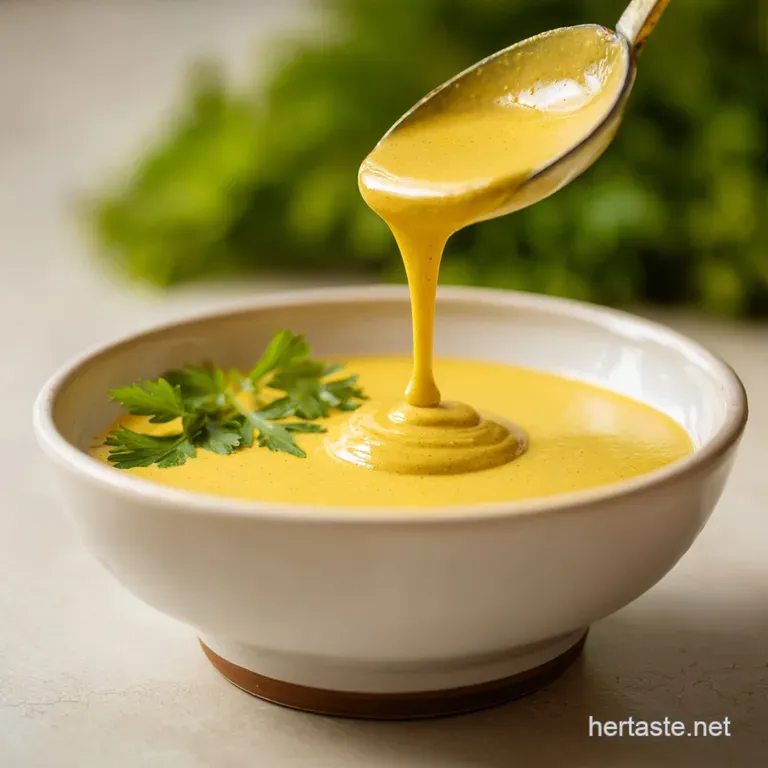
- Place the 1/2 cup Plain Non fat Greek Yogurt into a medium glass bowl. Note: Starting with the yogurt provides a stable base for the other liquids.
- Add the 1/4 cup Dijon Mustard and 3 tbsp Raw Local Honey to the yogurt.
- Whisk these three together until the mixture is a uniform pale yellow color.
- Pour in the 1 tbsp Apple Cider Vinegar and whisk gently. Note: The acid will slightly thin the yogurt, making it easier to incorporate the oil.
- Slowly drizzle in the 2 tbsp Extra Virgin Olive Oil while whisking constantly.
- Continue whisking for about 45 seconds until the oil is fully absorbed and the surface is glossy.
- Sprinkle in the 1/2 tsp Garlic Powder, 1/4 tsp Fine Sea Salt, and 1/8 tsp Cracked Black Pepper.
- Give it one final vigorous whisk to distribute the spices.
- Taste the dressing with a leaf of lettuce. Check if the tang and sweetness are in harmony.
- Transfer to a jar and let it sit for at least 15 minutes before serving.
While this is a "no cook" recipe, you might use this as a glaze for proteins. If you're deciding between methods for the main dish it accompanies, here is a quick guide on how this dressing reacts to heat.
| Cooking Method | Use Case | Result |
|---|---|---|
| Stovetop | Pan seared chicken glaze | Caramelizes quickly; honey can burn if heat is too high |
| Oven | Roasted salmon topping | Forms a thick, savory crust; yogurt stays creamy |
Solving Common Dressing Texture Problems
Sometimes, despite our best efforts, the texture isn't quite what we expected. If your dressing looks broken (meaning the oil is floating in little beads), don't panic. This usually happens if the oil was added too quickly.
The Dressing is Too Sharp
If the mustard is overpowering the honey, it's usually an acidity balance issue. You don't necessarily need more honey, which adds calories. Instead, a tiny pinch more salt can actually mask the bitterness of the mustard.
Texture is Grainy
This often happens if the garlic powder has clumped or if you used a coarse mustard by mistake. You can fix this by running the dressing through a fine mesh sieve or giving it a 10 second pulse in a small food processor.
| Problem | Root Cause | Solution |
|---|---|---|
| Separation | Oil added too fast | Add 1 tsp more yogurt and whisk vigorously |
| Too Thick | Yogurt was very dense | Stir in 1 tsp of water or extra vinegar |
| Too Sweet | Honey variety was intense | Add a squeeze of fresh lemon juice |
Common Mistakes Checklist: ✓ Whisk the yogurt and mustard first before adding any oil. ✓ Use room temperature honey to ensure it blends smoothly without lumps. ✓ Avoid using "Salad Dressing" (like Miracle Whip) instead of Greek yogurt.
✓ Don't skip the resting period; the flavors need time to marry. ✓ Use a clean, dry jar for storage to prevent spoilage.
Exploring Creative Flavor and Texture Variations
Once you've mastered the base, you can start forging your own versions. For instance, if you want something with more crunch, you can add a tablespoon of toasted poppy seeds at the very end. It adds a nutty flavor that pairs beautifully with fruit based salads.
- The Vinaigrette Pivot
- Omit the yogurt and double the olive oil and vinegar for a clear, zesty pour over dressing.
- Spicy "Hot" Honey Version
- Use a spicy honey or add a pinch of cayenne pepper to give the dressing a kick that works perfectly with fried chicken.
- The Herbaceous Twist
- Whisk in a teaspoon of dried dill or fresh chives for a garden fresh profile.
If you're looking for a meal to pair this with, try drizzling it over my Crispy Chicken Lettuce recipe. The sweetness of the honey mustard cuts through the savory hoisin beautifully.
Scaling the Recipe for Crowds
If you’re hosting a backyard BBQ or meal prepping for the entire week, scaling this recipe is very straightforward. Because this isn't a baked good, you don't have to worry about complex chemistry changes, but there are a few rules to keep the flavor balanced.
- Scaling Up (2x or 4x): When doubling, keep the salt and pepper to 1.5x the original amount first. You can always add more, but spices can become overwhelming in large batches.
- Scaling Down (1/2 batch): Use a very small bowl or even a large liquid measuring cup to ensure your whisk can actually reach the ingredients.
- Liquid Adjustments: If you make a huge batch (4x), reduce the vinegar by about 10% initially. Large volumes of acid can sometimes dominate the more subtle honey notes.
| Servings | Yogurt Amount | Honey Amount | Best Container |
|---|---|---|---|
| 8 Servings | 1/2 cup (120g) | 3 tbsp | Small Mason Jar |
| 16 Servings | 1 cup (240g) | 6 tbsp | Medium Glass Bowl |
| 32 Servings | 2 cups (480g) | 3/4 cup | Large Storage Tub |
Smart Storage and Waste Prevention
This dressing lasts remarkably well because the vinegar and mustard act as natural preservatives. Keep it in the back of the fridge, where the temperature is most consistent.
- Storage: Store in a glass jar for up to 5 days. You'll notice the dressing thickens as it chills; just give it a good shake or stir before using.
- Freezing: I don't recommend freezing this dressing. The Greek yogurt will lose its smooth structure and become grainy once thawed.
- Zero Waste: If you're at the bottom of your Dijon mustard jar, make the dressing inside the jar! Add the other ingredients, put the lid on, and shake. You'll get every last bit of that expensive mustard.
Vibrant Presentation and Pairing Ideas
We eat with our eyes first, so how you present this matters. Instead of just dumping it on top of a salad, try drizzling it in a zig zag pattern using a squeeze bottle for a "restaurant style" look.
For a party platter, serve the dressing in a hollowed out bell pepper or a small wooden bowl. It makes the vibrant yellow color pop against green vegetables like broccoli or cucumber. This dressing isn't just for lettuce, either.
It makes an incredible dip for pretzels, a spread for turkey wraps, or even a marinade for grilled pork chops.
Kitchen Wisdom and Myths
There’s a common misconception that "low-fat" always means "low flavor." People think you need a cup of mayo to make a dressing creamy. That's a myth. The thick texture comes from the straining process of the Greek yogurt, which removes the whey but leaves the body.
Another myth is that you must use expensive honey for it to be "healthy." While raw, local honey has great flavor and local pollen benefits, any high-quality honey will provide the same structural viscosity for the emulsion.
The healthiness comes from the lack of processed seed oils and high fructose corn syrup found in the store-bought versions. Trust the process, keep your whisk moving, and you'll never go back to the bottled stuff.
Recipe FAQs
What is a healthy honey mustard dressing?
It is a dressing made with Greek yogurt and olive oil instead of heavy mayonnaise. This version leverages the natural emulsifying power of Dijon mustard and the thick base of non-fat yogurt to reduce saturated fat significantly while maintaining a creamy texture.
Can honey mustard dressing be healthy?
Yes, when made correctly, it can be very healthy. The key is replacing refined sugars and processed fats with whole ingredients like raw honey and heart healthy extra virgin olive oil.
Is honey mustard dressing good for a diet?
Generally, yes, this homemade version fits well into most diets. By using Greek yogurt, you increase the protein content while controlling the sugar and fat levels, making it much lighter than commercial options.
What is the healthiest dressing to put on your salad?
A vinaigrette based on heart healthy oil and acid is usually the healthiest choice. This honey mustard dressing is excellent because it provides healthy fats and protein via the yogurt, balancing nutrients better than many simple vinaigrettes like our The Definitive Homemade recipe.
How do I prevent this dressing from separating after mixing?
Slowly drizzle the oil while whisking the other ingredients constantly. Dijon mustard acts as a necessary stabilizer; if you add the oil too fast, the emulsion will break, but the mustard helps enforce the bond between the oil and vinegar.
Can I substitute the Greek yogurt with mayonnaise?
No, if you are aiming for a healthy, lower fat profile. The yogurt provides the necessary body and tang without the heavy saturated fat load of mayo, which changes the nutritional goals of the recipe.
How far in advance can I prepare this dressing?
You can prepare the base up to five days ahead of time for optimal flavor. Store it tightly sealed in the refrigerator, and remember to give it a vigorous shake before serving as it will naturally thicken when cold.
Healthy Honey Mustard Dressing
Ingredients:
Instructions:
Nutrition Facts:
| Calories | 70 calories |
|---|---|
| Protein | 1.9 grams |
| Fat | 3.8 grams |
| Carbs | 7.6 grams |
| Fiber | 0.1 grams |
| Sugar | 6.4 grams |
| Sodium | 243 milligrams |
