Grandmas Shortbread: the Meltingly Tender, Classic Whipped Shortbread Cookie
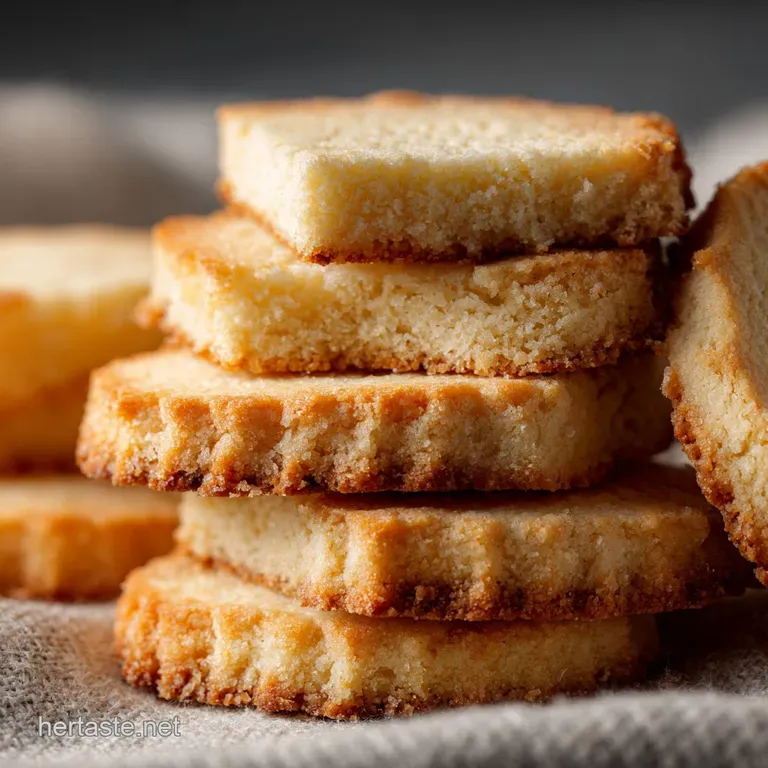
- The Essential Three-Ingredient Classic: Grandma's Meltingly Tender Shortbread
- The Culinary Science of Tender Shortbread: Why This Recipe Excels
- Mastering the Basics: Essential Ingredients for Grandmas Shortbread
- Step-by-Step: The Foolproof Method for Perfect Shortbread Dough
- Expert Tips and Troubleshooting for Baking Grandmas Shortbread
- Preserving Perfection: How to Store and Freeze Shortbread
- Elegant Pairings: Serving Suggestions Beyond the Tea Table
- Recipe FAQs
- 📝 Recipe Card
The Essential Three Ingredient Classic: Grandma's Meltingly Tender Shortbread
When that incredibly rich, buttery aroma starts wafting out of the oven, you instantly know Grandma's shortbread is ready. It's the smell of pure, unadulterated comfort, heavy creaminess mingling perfectly with a tiny hint of toasted sugar. The texture?
Forget those dry, crumbly store-bought biscuits; this tender shortbread is literally meant to melt away the moment it hits your tongue.
I love a complicated weekend bake, honestly I do, but sometimes life calls for immediate gratification. This specific shortbread cookie recipe delivers every single time. It uses only three main ingredients plus a secret weapon that you likely already have stashed away in the pantry.
This recipe is shockingly simple, incredibly cheap, and it cures any urgent holiday cookie craving in minutes flat.
Shortbread is a beautiful classic for a reason, but achieving that perfect, sandy crumble requires respecting a few basic, crucial rules. Ready to ditch the tough cookies and learn the secret to achieving that tender texture every single time? Let's crack on and make the best shortbread cookies you’ve ever had.
The Culinary Science of Tender Shortbread: Why This Recipe Excels
This Grandma's shortbread recipe is superior because we focus intensely on two things: the fat content and careful gluten control. We use cold, high fat butter and we do not whip it until it’s fluffy. Too much air equals less density, which is the opposite of traditional shortbread.
We are aiming for dense, rich, and truly crumbly shortbread, exactly like the delicate Scottish kind.
The Scottish Tradition Behind This Perfect Cookie
Traditional shortbread is a lesson in purity. Scottish bakers understood that when your ingredients are minimal, their quality must be stellar. This recipe honors that tradition, relying heavily on butter for both structure and flavor.
Seriously, spend the extra two dollars on good butter for this batch; you won't regret it.
Why Simplicity is the Ultimate Flavor
We are talking about flour, sugar, and butter, period. The simplicity of these ingredients means their flavors truly shine through. When you bake something this basic, there's no hiding behind extracts or heavy spices. Pure butter flavor takes the stage, making this the best shortbread cookie recipe for true purists.
Quick Overview of the Shortbread Method
The method here is simple: work with cold ingredients, mix minimally, and bake low and slow. This ensures the butter melts slowly in the oven, coating the flour particles and inhibiting excessive gluten development. That’s how we achieve that signature "sandy" texture.
The Magic of High Fat Butter
We need cold butter to start. Cold butter is absolutely essential. When the butter is cold, it takes longer to incorporate into the flour. This slows the development of gluten, which is the protein responsible for chewiness. We want a cookie that crumbles, not one that requires vigorous chewing.
The Role of Cornflour in Achieving Crumble
Here’s the secret passed down through generations a small addition of cornflour (or cornstarch). This non-wheat starch further prevents the gluten in the flour from strengthening. It’s the ultimate trick for ultra tender, melt-in-your mouth texture.
This is what separates amazing shortbread from merely good shortbread.
Chef's Note: Many grandmas kept a box of cornstarch in their holiday cookie stash specifically for this reason. Don't skip it; it guarantees that desirable, fragile crumbliness.
Why Poking Holes Prevents Puffiness
You will see in the instructions that we prick the dough aggressively with a fork before baking. This is called "docking." Docking allows steam to escape while the butter is melting, preventing the shortbread from puffing up unevenly. This leaves you with a dense, flat, perfect shortbread wedge.
Mastering the Basics: Essential Ingredients for Grandmas Shortbread
| Ingredient | Role | Viable Substitute |
|---|---|---|
| Unsalted Butter | Flavor, Structure | Salted butter (omit added salt) |
| Caster Sugar | Sweetness, Tenderness | Granulated sugar (pulse briefly) |
| All-Purpose Flour | Bulk | 1:1 gluten-free Baking Blend |
| Cornstarch | Tenderness Regulator | Rice flour or finely ground arrowroot |
Ingredient Deep Dive: Can I Skip the Cornstarch?
Technically, yes, you can skip the cornstarch, but please don't. If you omit it, replace it with an equal amount of all-purpose flour. Your result will still be fine, but the texture will be slightly tougher and less melt-y.
For truly authentic, holiday worthy shortbread cookies, the cornstarch addition is non-negotiable.
Choosing the Right Type of Butter (A Crucial Step)
Always, always choose unsalted butter for baking. This allows you to control the salt level perfectly. More importantly, look for butter with a higher fat content (around 82% is ideal). Higher fat means less water, which means richer flavor and a less steam-y, more uniform bake.
Flour Selection: All-Purpose vs. Cake Flour
Standard all-purpose flour works beautifully here, especially since we’re adding cornstarch to lower the overall gluten content anyway. If you happen to have cake flour on hand, you could use that instead of the all-purpose/cornstarch blend, as it naturally contains less protein.
Sugar Strategy: Powdered vs. Granulated
We use caster sugar (very fine granulated) because it dissolves quickly without overworking the dough. Do not use powdered sugar here! Powdered sugar usually contains anti caking agents, which can make the shortbread slightly too soft and dusty.
If you only have regular granulated sugar, pulse it in a coffee grinder for 10 seconds to make it finer it really helps the texture.
Troubleshooting Common Ingredient Swaps
If you’re using salted butter, remember to completely skip the half teaspoon of salt listed in the recipe. The biggest error I ever made was adding the extra salt when I used salted butter; my batch tasted like I baked it next to the ocean. Learn from my salty mistake!
Creating gluten-free Grandma's Shortbread
I've tested this with a good 1:1 GF blend, and the results are surprisingly fantastic. Because the shortbread relies so heavily on fat for structure, the absence of gluten is less critical than it is in, say, a fluffy yeast bread. The cornstarch helps bind the GF flour perfectly.
Why Precise Measurement is Non-Negotiable
Baking is chemistry, and shortbread is extremely sensitive to ratios. Too much flour and it’s dry and tough; too much sugar and it spreads too thin. Please use a kitchen scale for best results, especially when measuring flour and cornstarch.
step-by-step: The Foolproof Method for Perfect Shortbread Dough
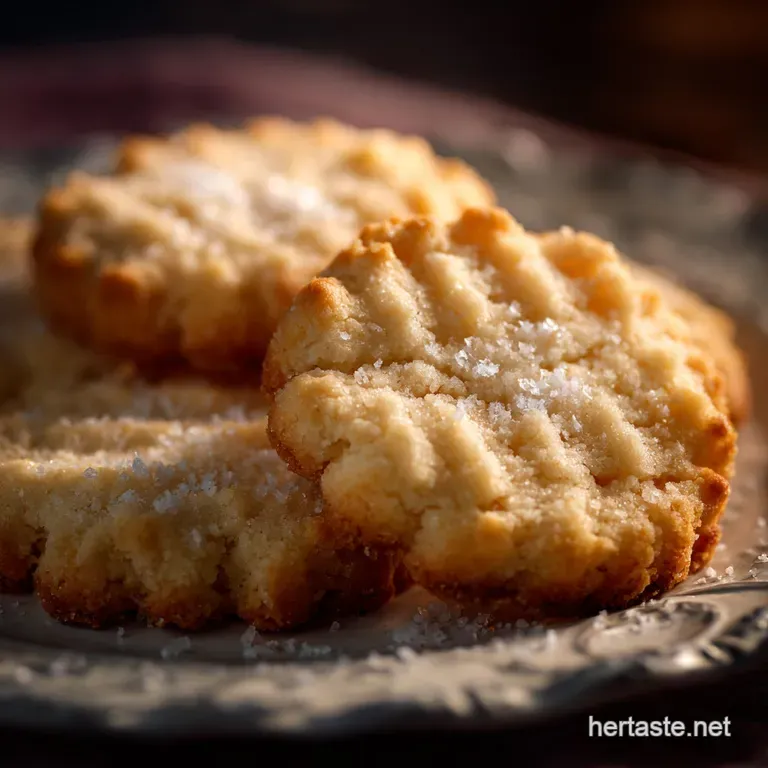
- Prep the Pan and Dry Ingredients: Preheat your oven to a low 300°F (150°C). Line a 9 inch round pan with parchment. In a medium bowl, sift the all-purpose flour, cornstarch, and salt together. Sifting is crucial for lightness.
- Cream the Butter and Sugar (Lightly!): In a stand mixer fitted with the paddle attachment, or using a hand mixer, beat the cold, cubed butter and sugar on medium speed for about 2 minutes. Stop immediately once combined and creamy. Do not incorporate too much air we are not making fluffy whipped shortbread cookies here.
- Mix in the Dry Ingredients: Reduce the mixer speed to very low. Gradually add the sifted flour mixture. Mix only until the dough just starts to pull away from the sides of the bowl. Stop the machine the very second there are no visible streaks of dry flour left.
- Gather and Press: Turn the shaggy dough out onto a lightly floured surface. Quickly knead it 2 3 times, just enough to form a smooth ball. Immediately press the dough evenly into the prepared round pan, smoothing the top nicely with the back of a spoon.
- Score and Dock: Use a sharp knife to gently score the dough into 12 wedges (or 16 fingers if using a square pan), cutting only about halfway down. Then, use a fork to aggressively prick the entire surface of the dough, making sure every inch is docked.
Expert Tips and Troubleshooting for Baking Grandmas Shortbread
Creaming vs. Rubbing: Starting the Dough Right
We used the creaming method here (mixer) because it's fast and easy, but some traditional recipes call for rubbing the cold butter into the flour by hand. If you rub, the key is keeping the butter tiny and pea-sized, resembling coarse sand. Either way, the goal is minimal gluten development.
The Mandatory Chilling Period Explained
Place the prepared, docked pan in the refrigerator for a minimum of 30 minutes. This pause is absolutely mandatory for structure. Chilling firms up that cold butter again, ensuring your beautiful shortbread doesn't spread or lose its scored shape in the heat of the oven.
Cutting, Shaping, and Preparing for the Oven
This recipe assumes you’re making the classic 'Petticoat Tails' shape large round wedges. If you prefer rectangular shortbread fingers, press the dough into an 8x8 square pan instead. Score them into 16 uniform rectangles before chilling. For more elaborate shapes, like the ones used in my recipe for Raspberry Linzer Heart Cookies Elegant Almond Shortbread Recipe , you would roll the dough out and use cookie cutters.
Preventing Over Browning and Dry Cookies
Bake low and slow! We bake at 300°F (150°C) for a reason. You are aiming for the shortbread to be firm and set, but still very pale, almost creamy white in the center. If it gets too golden, it will be dry.
How to Know When the Shortbread is Fully Baked
The edges should be just starting to turn a light, faint gold, but the center should remain light. If you gently touch the center, it should feel firm and not yield or wobble. Typically, this takes about 35– 40 minutes.
Common Mistakes to Avoid (The 'Hot Hand' Problem)
1. The Hot Hand Problem: If you handle the dough too much, your body heat melts the butter. This causes the dough to become greasy and tough. Work quickly and keep the dough cold, especially during shaping.
2. Over Mixing: This is the deadliest sin of shortbread making. Mixing too long develops gluten, resulting in a tough, crunchy shortbread instead of a tender, sandy one. Stop the moment the dry ingredients disappear.
Preserving Perfection: How to Store and Freeze Shortbread
Extending Freshness: Airtight Storage Secrets
Once the shortbread is completely cool, store it in an airtight container at room temperature. Because of the high butter content, it keeps beautifully for about 5 7 days. I like to place a small piece of parchment paper between the layers to prevent any sticking or breakage.
Freezing Baked Shortbread vs. Raw Dough
You can absolutely freeze both! Baked Shortbread: Once completely cooled, wrap the individual wedges tightly in plastic wrap, then place them in a zip-top freezer bag. They keep well for up to 3 months. Raw Dough: This is brilliant for holiday prep.
Press the dough into the pan, score, and wrap the entire pan tightly. Freeze for up to 3 months. When ready to bake, you can bake it straight from frozen, just add 5– 10 minutes to the baking time.
Best Practices for Thawing and Refreshing
Thaw frozen baked shortbread at room temperature for an hour or two. If you want that fresh from-the-oven flavor, pop the thawed shortbread pieces on a baking sheet and bake at 350°F (175°C) for about 5 minutes. The edges will crisp up wonderfully.
Elegant Pairings: Serving Suggestions Beyond the Tea Table
Simple Dustings and Garnishes
The simplest garnish is the best: a light dusting of caster sugar or fine powdered sugar immediately after cutting the warm shortbread. For a subtle citrus pop, grate fresh lemon zest over the top before serving. It cuts the richness perfectly.
Pairing Shortbread with Beverages (Coffee, Tea, Liqueurs)
This classic shortbread begs for a robust pairing. A piping hot cup of black English Breakfast tea is mandatory in my house, but a bold, dark roasted coffee is also spectacular. For a grown-up holiday treat, try serving it alongside a small glass of Drambuie or a creamy Irish liqueur.
Making Holiday Ready Shortbread Variations
While this pure form is perfect, shortbread is a fantastic base for seasonal variations. You can dip the finished fingers in chocolate, similar to my method for Chocolate Chip Shortbread: Easy 4 Ingredient Shortbread Cookie Recipe . Or, if you want something gooey and complex, use this shortbread as the crust for sticky caramel applications like my Perfectly Gooey Pecan Butter Tart Squares with Shortbread Crust . Shortbread truly is the ultimate all-purpose cookie.

Recipe FAQs
Why is my shortbread tough or too crumbly, rather than meltingly tender?
Shortbread becomes tough if the dough is overworked, which develops the gluten in the flour; you should mix only until the dough just comes together. If it is too crumbly, ensure your butter-to-flour ratio is correct, as insufficient fat will prevent the dough from holding together properly.
Can I use margarine or a lower fat spread instead of high-quality butter?
The success of classic shortbread hinges entirely on the high fat content of quality butter, as it provides the unique melt-in-the-mouth texture. Substitutes like margarine contain more water and emulsifiers, which will yield an inferior, often greasier product that lacks that true "short" quality.
My shortbread edges browned heavily. How do I achieve that classic pale look?
Traditional shortbread is meant to be pale, cooked low and slow until it is set, not until it takes on a deep golden color. If your edges are browning, your oven temperature is likely too high, or you may need to reduce your baking time by five to ten minutes.
What is the purpose of the cornflour (cornstarch), and can I omit it?
The cornflour is the secret ingredient that gives this recipe its signature fine, powdery, and tender structure. It effectively dilutes the gluten content of the plain flour, ensuring the dough remains soft and preventing the finished cookie from becoming chewy.
How should I store the baked shortbread, and does it freeze well?
Once cooled completely, store your shortbread in an airtight container at room temperature, where it will keep beautifully for up to two weeks. The baked shortbread freezes exceptionally well; wrap the pieces tightly in plastic wrap and foil before placing them in a freezer bag for up to three months.
Can I add flavor variations like lemon zest or spices to the dough?
Absolutely! The simple butter base welcomes additions; try folding in 1 teaspoon of vanilla extract or the finely grated zest of one large lemon during the initial creaming of the butter and sugar. Ensure additions like spices or dried herbs are mixed in gently before chilling the dough.
My dough was very sticky and difficult to handle after mixing. What went wrong?
If the dough is overly sticky, your butter was likely too warm when you started mixing, causing it to absorb the flour improperly. Chill the dough immediately for at least an hour to firm it up, and consider lightly flouring your hands before handling or rolling.
Grandmas Shortbread Recipe With Cornstarch
Ingredients:
Instructions:
Nutrition Facts:
| Calories | 90 kcal |
|---|---|
| Protein | 0.6 g |
| Fat | 5.8 g |
| Carbs | 8.9 g |
