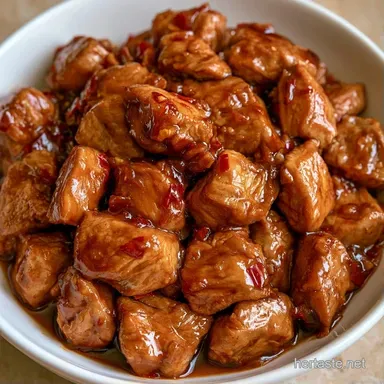
General Tao Chicken Stir Fry with Crispy Coating

- Time: 10 min active + 22 min cooking
- Flavor & Texture: Spicy, tangy, and shattering crisp
- Perfect for: Weeknight dinner
The most disappointing part of homemade stir fry is often the rubbery, steamed quality of the meat. Too often, the chicken feels boiled in syrup instead of crisp-fried. This typically happens when the meat is too damp or the pan is overcrowded, causing the oil temperature to plummet.
By prioritizing batch frying and moisture management, this recipe avoids those pitfalls. The result is a deep amber glaze that adheres to the chicken while maintaining its crunch. It's a bold, flavorful dish ready in about 30 minutes.
Enjoy a bright balance of rice vinegar tang and heat from red chili flakes. It's the perfect way to satisfy a takeout craving without the extra cost of delivery.
General Tao Chicken Stir Fry
Moisture Control: Patting the chicken dry before adding cornstarch prevents the coating from sliding off in the oil.
Batch Frying: Cooking in three small groups keeps the oil shimmering, which ensures the chicken browns in 4 minutes instead of steaming.
The Slurry Sequence: Adding the cornstarch slurry at the very end creates a glossy, thick glaze that sticks to the meat instead of pooling at the bottom.
Essential Kitchen Tools
A wide skillet or a wok is the ideal choice. These allow steam to evaporate quickly, preventing the chicken from becoming soggy. Use a metal spatula for tossing and a digital thermometer to monitor the meat's temperature.
The Building Blocks
The flavor comes from the contrast between the sweet brown sugar and the acidic rice vinegar. While this is a bold profile, it's different from a creamy tomato sauce because it relies on reduction and starch for its body rather than cream.
Cornstarch is the heavy lifter here. It provides the initial crisp shell on the chicken and then thickens the sauce into a glaze. For the aromatics, fresh ginger and garlic provide a sharp, spicy base that cuts through the sugar.
Recipe Specs
- 1½ lb chicken breast, diced into 1-inch pieces
- ½ cup + 1 tsp cornstarch
- ½ tsp salt
- ¼ tsp black pepper
- 4 tbsp vegetable oil
- ½ cup reduced-sodium soy sauce
- ¼ cup rice vinegar
- ⅓ cup packed brown sugar
- 3 tbsp water
- 1 tbsp grated fresh ginger
- 3 cloves minced garlic
- 1 tsp red chili flakes
- 2 cups broccoli florets
- 1 cup carrots, thinly sliced
| Original Ingredient | Substitute | Why It Works |
|---|---|---|
| Rice Vinegar (¼ cup) | Apple Cider Vinegar | Comparable acidity. Note: Slightly fruitier taste |
| Soy Sauce (½ cup) | Coconut Aminos | Salty and sweet. Note: Reduced sodium, slightly sweeter |
| Brown Sugar (⅓ cup) | Honey | Natural sweetness. Note: Thickens the sauce faster |
Bringing It Together
Phase 1: Getting the Protein Ready
- Use paper towels to dry the chicken cubes thoroughly. Note: This prevents the batter from becoming gummy
- Combine ½ cup cornstarch, ½ tsp salt, and ¼ tsp black pepper in a medium bowl; coat the chicken pieces evenly, shaking off any extra starch.

Phase 2: Frying for Texture
- Warm 3 tbsp vegetable oil in a skillet or wok over medium-high heat until it shimmers.
- Work in 3 batches, frying the chicken for 3–5 minutes per set, flipping occasionally, until the pieces are crisp and golden and hit an internal temp of 165°F/74°C according to USDA poultry guidelines; transfer them to a plate lined with paper towels.

Phase 3: Cooking the Vegetables
- Using the same pan, add 1 tbsp vegetable oil if necessary, then stir in the broccoli and carrots.
- Pour in 2 tbsp water and stir-fry for 3–5 minutes until just crisp-tender; take the vegetables out and set them aside.

Phase 4: The Final Glaze
- In the now-empty pan, quickly sauté the ginger, minced garlic, and chili flakes for 30 seconds until fragrant.
- Stir in the brown sugar, rice vinegar, and soy sauce, then bring the mixture to a boil and let it simmer for 2–3 minutes.
- Mix 1 tsp cornstarch with 1 tbsp water to make a slurry; stir this into the sauce and cook for 1 minute until the glaze is glossy and thick.

- Toss the cooked vegetables and fried chicken back into the pan for 1–2 minutes to coat everything evenly in the sauce.
Quick Fixes
Soggy chicken usually happens when the meat is damp or the pan is too full. If you add too much chicken at once, the oil temperature plummets, and the meat releases juices that steam the coating.
A thin sauce often means the slurry wasn't cooked long enough. The starch needs to reach a simmer to activate its thickening power. If your garlic burns, your pan is likely too hot; pull it off the heat for a few seconds before adding the liquids.
| Problem | Root Cause | Solution |
|---|---|---|
| Soggy coating | Overcrowded pan | Fry in 3 small batches |
| Sauce is watery | Slurry not simmered | Cook 1 extra minute after adding slurry |
| Burnt garlic | Pan heat too high | Reduce heat or add liquids immediately |
| Coating falls off | Chicken was damp | Pat meat dry with paper towels first |
Searing Truths
Many people believe searing "seals in" the juices of the meat. In reality, searing creates a brown crust for flavor and texture, but it doesn't stop moisture from leaving the meat. The trick to juicy chicken here is the short fry time and the internal temperature.
Storage and Freshness
Store any remaining portions in a sealed vessel in the refrigerator for no more than 3 days.
To prevent the chicken from becoming rubbery, skip the microwave. Instead, reheat the pieces in an air fryer at 350°F for 3–5 minutes or toss them in a hot skillet until the internal temperature reaches 165°F/74°C. This brings back the crunch that the sauce eventually softens.
The sauce freezes well on its own, but the fried chicken loses its texture in the freezer. I suggest freezing only the sauce components if you want to prep ahead.
Creative Twists
To switch up the taste, create a honey-orange glaze by swapping the brown sugar for honey and stirring in 2 tbsp of fresh orange juice. If you prefer a spicier kick, mix a teaspoon of Szechuan peppercorns into the aromatics.
For a vegetarian option, replace the chicken with cauliflower florets. Coat them in the same cornstarch mixture and fry until golden brown, though they might require an additional minute in the pan. If you prefer a more savory, less sweet dish, this chicken stir fry recipe featuring oyster sauce is an excellent choice.
What to Serve

This dish is heavy on flavor, so it needs a neutral base. Fluffy jasmine rice is the classic choice because it absorbs the extra glaze.
I like serving it with steamed bok choy or a simple cucumber salad with rice vinegar to add a fresh, cooling contrast to the spicy chicken.
Critical in Sodium
1500 mg of sodium per serving (65% of daily value)
American Heart Association recommendation: no more than 2,300 mg of sodium per day
Tips to Reduce Sodium
-
Swap Soy Sauce
Replace the reduced-sodium soy sauce with coconut aminos, which offers a similar flavor with much lower sodium levels.
-
Omit Added Salt
Remove the ½ tsp of salt from the chicken coating, as the sauce already provides a strong salty base.
-
Dilute the Glaze
Increase the amount of water or rice vinegar in the sauce to lower the concentration of sodium while maintaining volume.
-
Add Brightness
Stir in fresh lime juice or lemon zest at the end of cooking to enhance the flavor profile without needing extra salt.
-
Boost Aromatics
Increase the amount of fresh ginger and minced garlic to add more depth and punch to the dish.
Before You Start Cooking
Is General Tao chicken the same as General Tso's chicken?
They are generally considered the same dish. Both feature a sweet and spicy glaze with fried chicken pieces.
Why does the cornstarch coating fall off the chicken instead of crisping?
This happens if the meat is too wet. Pat the chicken cubes completely dry with paper towels before tossing them in the cornstarch.
What is the secret to keeping the chicken crispy once the sauce is added?
Toss the chicken and vegetables in the glaze for only 1–2 minutes. Cooking them longer in the sauce will soften the crispy coating.
Can I double the sauce without making the flavor too strong?
Yes, just increase all sauce ingredients proportionally. For a complementary dipping option, try our creamy Yum Yum Sauce.
Does the chicken look lighter brown than the photos?
This occurs if the chicken isn't fried long enough or the sugar doesn't caramelize. Ensure pieces are golden brown and reach 165°F/74°C before adding the sauce.
When should the cornstarch be added to the chicken?
Coat the chicken in the cornstarch mixture immediately before frying. This prevents the coating from becoming gummy.
Where should I store the leftovers?
Place leftovers in a closed container and refrigerate for up to 3 days. This is the best way to maintain food safety and quality.
How to reheat the chicken?
Reheat pieces in an air fryer at 350°F for 3–5 minutes until the internal temperature reaches 165°F/74°C. This method restores the original crispness better than a microwave.
Crispy General Tao Chicken Stir Fry