Red Potato Recipe with Garlic and Herbs: Crispy Roasted
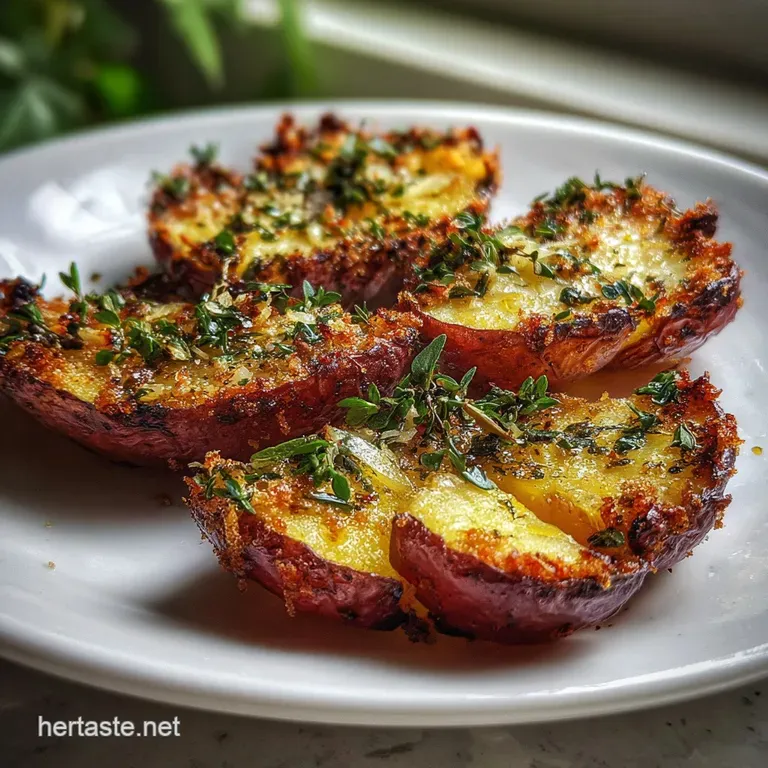
- Time: Active 15 minutes, Passive 45 mins, Total 1 hour
- Flavor/Texture Hook: Shattering crispy exterior with a buttery, herb infused center
- Perfect for: Holiday feasts, Sunday roasts, or a weeknight treat
- A Masterful Red Potato Recipe with Garlic and Herbs
- The Science of the Shatter
- Component Analysis and Flavor Science
- Selecting the Best Fresh Ingredients
- Essential Kitchen Tools
- Instructions for Cooking the Potatoes
- Preventing Common Cooking Mistakes
- Innovative Flavor Variations
- Adjusting Portions for Groups
- Smart Storage and Reheating Tips
- Gorgeous Plating and Presentation
- Recipe FAQs
- 📝 Recipe Card
A Masterful Red Potato Recipe with Garlic and Herbs
There is a specific, high pitched scritch scratch sound a fork makes when it drags across a truly crispy potato. I spent years chasing that sound, failing miserably with bags of frozen wedges or soggy, oil soaked cubes that stuck to the pan.
My kitchen once looked like a battlefield of charred rosemary and grey, limp potatoes because I thought high heat alone was the answer. It wasn't until I understood the chemistry of the potato's surface that everything changed.
This red potato recipe with garlic and herbs will be your new favorite side dish. We are moving away from the basic "toss and bake" method. Instead, we are using a dual texture approach that creates a thick, craggy crust while keeping the inside as soft as silk.
You'll smell the garlic hitting the hot butter long before the timer dings, and the aroma of toasted rosemary will fill every corner of your home.
This isn't just about cooking; it's about engineering the best bite possible. We are aiming for a contrast between the earthy, nutty skin of the red potato and the punchy, aromatic infusion of fresh herbs. Once you hear that first shatter as you bite in, you'll never go back to the old way of roasting.
Let's get into the specifics of why this method actually works.
The Science of the Shatter
Pectin Breakdown: Adding baking soda to the boiling water breaks down the potato's cellular pectin, drawing starch to the surface. This creates a starchy "mash" on the outside of each chunk that dehydrates into a thick, crunchy shell.
Maillard Acceleration: The alkaline environment created by the baking soda speeds up the browning process. This allows the potatoes to develop a deep, toasted flavor and golden color without overcooking the delicate interiors.
Saturated Fat Stability: Combining olive oil with melted butter provides the best of both worlds. The oil handles the high oven heat without smoking, while the butter solids provide that rich, velvety mouthfeel and nutty finish.
| Method | Time | Texture | Best For |
|---|---|---|---|
| oven-roasted | 45 mins | Shattering crust, fluffy center | Maximum crunch for crowds |
| Stovetop Sauté | 25 mins | Soft crisp skin, denser bite | Quick weeknight meals |
| Air Fryer | 20 mins | Very dry crisp, less fat | Small batches, low oil |
Roasting in the oven remains the gold standard for this specific dish because the 360 degree heat allows the starchy slurry to dehydrate evenly. While the stovetop is faster, it often lacks the structural integrity that makes these potatoes so memorable.
Component Analysis and Flavor Science
To achieve the results we want, we need to treat each ingredient as a functional tool rather than just a flavor. Each component plays a role in the final architecture of the dish, from the structural integrity of the skin to the volatile oils in the herbs.
| Ingredient | Science Role | Pro Secret |
|---|---|---|
| Red Potatoes | Low starch content keeps them creamy rather than mealy. | Keep skins on for structural support and extra fiber. |
| Baking Soda | Increases pH levels to weaken the potato exterior. | Only use 1/2 tsp; too much creates a soapy metallic aftertaste. |
| Fresh Rosemary | High oil content survives long roasting times. | Chop extremely fine so it sticks to the potato surface. |
| Garlic Paste | Sulfur compounds caramelize into sweetness. | Mash garlic into a paste with salt to prevent burnt bits. |
Using fresh herbs instead of dried is non negotiable here. Fresh rosemary and thyme contain moisture that allows them to infuse the oil as they crisp up, whereas dried herbs often just turn into bitter, woody needles in a 425°F oven.
Selecting the Best Fresh Ingredients
Finding the right spuds is the first step toward victory. Look for baby red potatoes that are firm to the touch with smooth, unblemished skins. If they feel soft or have sprouts, the starch has already begun converting to sugar, which will lead to a sticky rather than crispy result.
- 2 lbs baby red potatoes: Halved or quartered. Why this? The high skin to flesh ratio provides more textural contrast than large potatoes.
- Substitute: Yukon Gold potatoes (similar creamy texture, but thinner skin).
- 1 tbsp kosher salt: For the boiling water and seasoning. Why this? Coarse grains draw out moisture and season the core of the potato.
- Substitute: Sea salt (use slightly less as it is saltier by volume).
- 1/2 tsp baking soda: The secret to the crust. Why this? Breaks down the surface starch for maximum cragginess.
- Substitute: None (this is essential for the specific chemical reaction).
- 3 tbsp extra virgin olive oil: The primary fat for roasting. Why this? High smoke point and fruitiness complement the herbs.
- Substitute: Avocado oil for an even higher smoke point.
- 4 cloves garlic: Minced into a fine paste. Why this? A paste distributes flavor evenly without leaving large burnt chunks.
- Substitute: 1 tsp garlic powder (only if fresh is unavailable).
- 2 tbsp fresh rosemary: Finely chopped. Why this? Piney notes that deepen during the long roast.
- Substitute: Fresh sage for a warmer, autumnal profile.
- 1 tbsp fresh thyme: Stripped from the stems. Why this? Adds a subtle earthy floral note.
- Substitute: Dried thyme (use only 1 tsp).
- 1 tsp flaky sea salt: For finishing. Why this? Provides a clean, sharp crunch in the final bite.
- Substitute: Standard kosher salt.
- 1/2 tsp freshly cracked black pepper: For heat. Why this? Freshly cracked oils are more pungent than pre ground pepper.
- Substitute: Red pepper flakes for a spicy kick.
- 2 tbsp unsalted butter: Melted and added at the end. Why this? Adds a luxurious, velvety finish and carries the garlic flavor.
- Substitute: Ghee (clarified butter) for better browning without burning.
Choosing the right fats is similar to the technique used in our Creamy Garlic Chicken recipe, where layering oil and dairy creates a more complex flavor profile than using just one.
Essential Kitchen Tools
You don't need a professional kitchen, but a few specific items make this red potato recipe with garlic and herbs much easier to manage. A heavy bottomed pot, like a 6 quart Dutch oven, is best for boiling because it maintains a steady temperature when the cold potatoes are dropped in.
For the roasting stage, avoid glass baking dishes at all costs. Glass doesn't conduct heat as efficiently as metal, and you'll end up with steamed potatoes rather than roasted ones. A heavy duty, rimmed baking sheet (half sheet size) is the best choice.
The rim prevents oil from dripping into your oven, and the large surface area ensures the potatoes aren't crowded.
Chef's Note: I always suggest using a metal spatula rather than a silicone one for this recipe. You need something thin and sturdy to get underneath the potatoes and flip them without tearing off that beautiful crust you worked so hard to build.
Instructions for Cooking the Potatoes
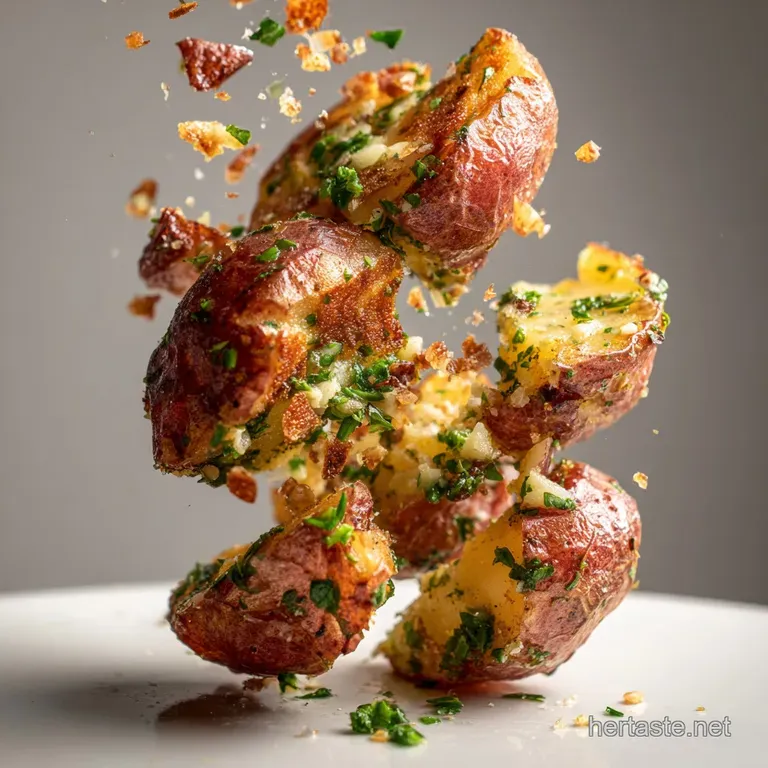
- Prep the potatoes. Wash the 2 lbs baby red potatoes thoroughly and cut them into 1 inch chunks, ensuring they are roughly uniform in size for even cooking.
- Boil the water. Fill a large pot with enough water to cover the potatoes by at least two inches. Add 1 tbsp kosher salt and 1/2 tsp baking soda, then bring to a rolling boil.
- Simmer the spuds. Add the potatoes to the boiling water and cook for 10 minutes until the exteriors are softened but the centers still have a slight bite.Note: Over boiling will cause them to fall apart when you toss them later.
- Dry and scuff. Drain the potatoes and let them sit in the colander for 2 minutes to allow steam to escape. Return them to the pot and shake vigorously for 30 seconds until the edges look fuzzy and starchy.
- Infuse the oil. While the potatoes are drying, whisk together the 3 tbsp olive oil, minced garlic paste, chopped rosemary, thyme, and black pepper in a small bowl.
- Coat the potatoes. Pour the herb oil over the scuffed potatoes in the pot and toss gently. The starchy "fuzz" will mix with the oil to create a thick paste on the surface of each chunk.
- Arrange for roasting. Spread the potatoes onto a large, rimmed baking sheet. Ensure no two potatoes are touching; space is the key to air circulation.
- Roast at high heat. Place in a preheated 425°F oven and bake for 20 minutes. Listen for a steady, vigorous sizzle which indicates the moisture is evaporating and the crust is forming.
- Flip and finish. Use a metal spatula to turn the potatoes. Roast for another 20 to 25 minutes until they are deep mahogany gold and shatter when pressed.
- The butter glaze. Remove from the oven and immediately drizzle with 2 tbsp melted butter and a sprinkle of flaky sea salt. Toss one last time on the pan to emulsify the butter with the herb crust.
For a faster carb fix on busy nights, you might also enjoy the Fluffy Jacket Potato recipe, but for these roasted beauties, the oven time is non negotiable for that specific crunch.
Preventing Common Cooking Mistakes
One of the biggest hurdles with any red potato recipe with garlic and herbs is the dreaded "soggy bottom." This usually happens when the oven isn't hot enough or the pan is too crowded. If the potatoes are too close together, they release steam that gets trapped, effectively boiling them again instead of roasting.
Why Your Potatoes Lack Crunch
If your potatoes come out soft despite the high heat, it usually points back to the drying phase. If you don't let the steam escape after boiling, that residual moisture will prevent the oil from adhering properly.
The "scuffing" step is also vital; without those fuzzy edges, there is no surface area for the crust to cling to.
Why Your Garlic Tastes Bitter
Garlic burns much faster than potatoes roast. If you toss raw minced garlic onto the pan at the start, it will be charcoal by the 45 minute mark. By turning the garlic into a paste and mixing it with oil, you coat the garlic in fat, which insulates it and allows it to brown slowly alongside the potatoes.
| Problem | Root Cause | Solution |
|---|---|---|
| Potatoes sticking | Pan wasn't preheated or not enough oil. | Use 3 tbsp oil and ensure the baking sheet is metal, not glass. |
| Uneven browning | Potatoes were cut in different sizes. | Aim for uniform 1 inch chunks to ensure they finish at the same time. |
| Herbs are burnt | Herbs were too dry or added too early without oil. | Always mix fresh herbs into the oil first to protect them from the heat. |
Common Mistakes Checklist
- ✓ Never skip the par boiling step; it is the only way to get a soft interior.
- ✓ Ensure the baking soda is fresh; it loses its alkaline power over time.
- ✓ Space potatoes at least half an inch apart on the baking sheet.
- ✓ Don't use a silicone baking mat; it insulates the potatoes and prevents a hard crust.
- ✓ Wait for the "steam off" period before tossing with oil to ensure maximum adhesion.
Innovative Flavor Variations
While the garlic and rosemary combination is a classic for a reason, this red potato seasoning recipe is incredibly versatile. You can adapt the profile to match whatever main dish you are serving.
Leveling Up with Parmesan
For an extra layer of umami, toss the potatoes with 1/4 cup of finely grated Parmesan cheese during the last 10 minutes of roasting. The cheese will melt into the starchy crust and create a lacy, salty "frico" edge that is absolutely addictive.
Creating Crushed Red Potatoes
If you want even more surface area, try the "smashed" method. After par boiling, place the whole baby potatoes on the tray and gently press down with the bottom of a heavy glass until they are about half an inch thick. Then, proceed with the herb oil and roasting steps.
Going Mashed or Vegan Friendly
If you prefer a Mashed red potato recipe with garlic and herbs, simply boil the potatoes until completely soft (about 20 minutes), then mash them with the garlic butter and herbs directly.
For a vegan version, swap the butter for a high-quality vegan margarine or simply use extra olive oil for the finishing drizzle.
If you love a creamy finish, these potatoes pair beautifully alongside our Creamy Garlic Chicken recipe, as the velvety sauce from the chicken acts as a perfect dip for the crispy spuds.
Adjusting Portions for Groups
Scaling this recipe up for a big dinner party is easy, but you have to be careful with the pan space. If you double the recipe to 4 lbs of potatoes, you must use two separate baking sheets. If you try to cram them all onto one, they will steam and become mushy.
To Scale Down (1-2 People): Use 1 lb of potatoes and reduce the roasting time by about 5-10 minutes. You can use a smaller toaster oven pan, but keep the temperature at 425°F.
To Scale Up (10+ People): Roast in batches or use multiple oven racks. If using two racks, rotate the pans halfway through the cooking time (top to bottom and front to back) to account for any hot spots in your oven.
Increase the herbs and garlic linearly, but keep the salt to about 1.5x the original amount to avoid over seasoning.
Smart Storage and Reheating Tips
Leftover roasted potatoes are rarely as good as fresh ones, but you can get them close with the right technique. Never use a microwave to reheat these; it will turn the crust into a rubbery skin and the inside into a dry sponge.
- Fridge: Store in an airtight container for up to 4 days.
- Freezer: You can freeze roasted potatoes for up to 3 months. Thaw them in the fridge overnight before reheating.
- Reheating: Place the potatoes back on a baking sheet in a 400°F oven for 10-12 minutes until the sizzle returns.
- Zero Waste: If you have small bits of leftover potato, chop them up and use them as the base for a breakfast hash. They already have the garlic and herb flavor, so just toss them in a pan with some onions and top with a fried egg.
Gorgeous Plating and Presentation
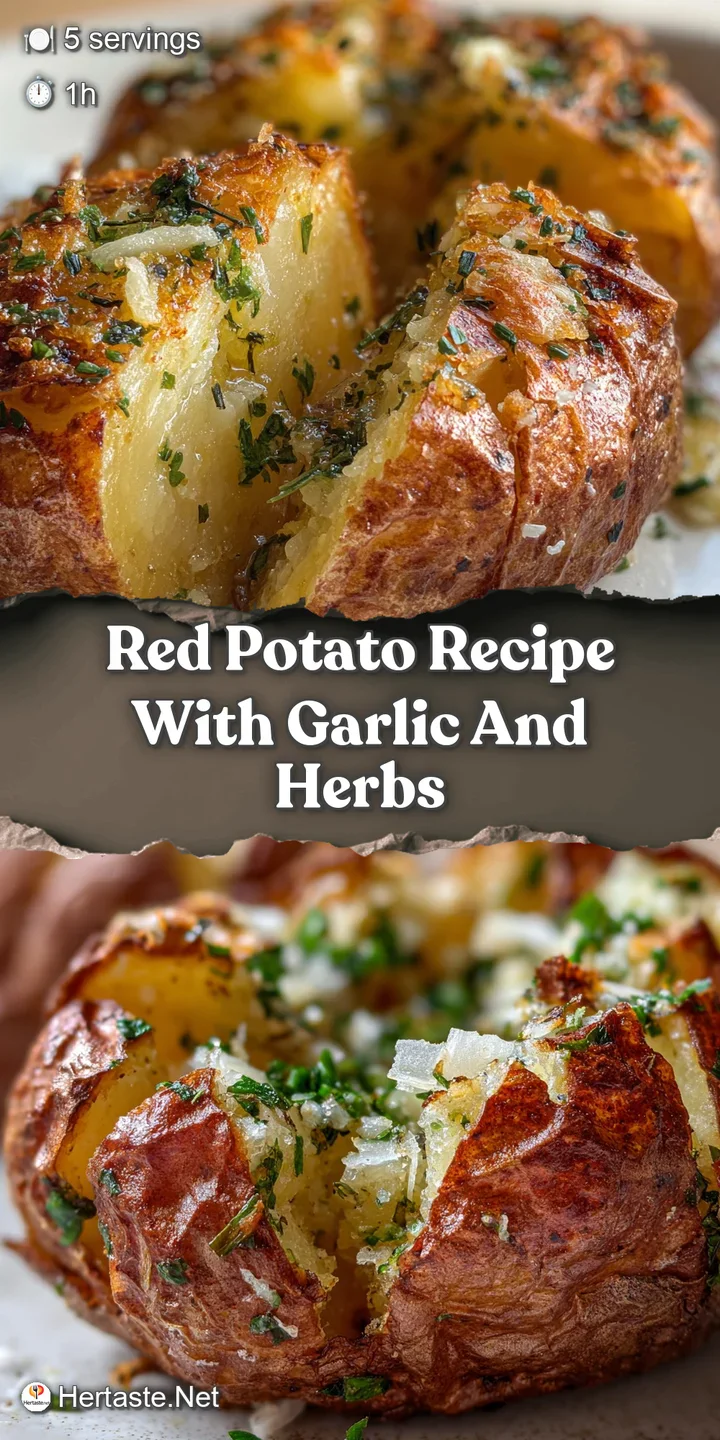
Visual appeal is half the battle. When serving this red potato recipe with garlic and herbs, I like to lean into the contrast between the dark mahogany potatoes and the bright green of fresh herbs.
The Steakhouse Plating: Arrange the potatoes in a tight pile in the center of a white plate. Top with an extra pinch of fresh thyme leaves and a final drizzle of the garlic butter from the pan. This looks sophisticated and keeps the potatoes warm longer by minimizing surface exposure.
The Rustic Family Style: Serve them directly in a pre warmed cast iron skillet or a large wooden bowl. Scatter extra whole sprigs of rosemary around the edges for aroma. This feels communal and unpretentious, which is exactly how a great potato dish should feel.
- Base
- Creamy, earthy red potato flesh.
- Crunch
- Dehydrated starch slurry and toasted skins.
- Aromatics
- Sharp garlic, piney rosemary, floral thyme.
- Finish
- Silky melted butter and sharp flaky salt.
Decision Shortcut for Texture
- If you want maximum crunch, use the baking soda par boil method exactly as written.
- If you want a softer, skin focused bite, skip the par boiling and roast them raw at 400°F for 50 minutes.
- If you want a quick side, use the air fryer at 400°F for 20 minutes, shaking the basket every 5 minutes.
Recipe FAQs
Can I skip boiling the potatoes and just roast them?
No, this is crucial for texture. Boiling the potatoes with baking soda softens the exterior starch layer, which scuffs up later to create the maximum shattering crust you are looking for.
Is it true that using dried herbs provides the same flavor as fresh for this recipe?
No, stick to fresh herbs. Dried herbs often turn woody and bitter during the long, high heat roasting process; fresh herbs infuse the oil as they crisp.
What is the purpose of adding baking soda to the boiling water?
It chemically alters the potato surface for superior crisping. The soda raises the pH, which breaks down the pectin in the potato's outer layer, allowing it to develop a thicker, starchier crust during roasting.
How to prevent the garlic from burning before the potatoes are fully cooked?
Mash the garlic into a fine paste with salt before adding it to the oil. This coating insulates the garlic pieces, allowing them to brown slowly and evenly with the potatoes rather than scorching instantly.
Can I substitute olive oil with a different fat entirely?
Yes, but oil is recommended for the initial roast. Olive oil has a good smoke point, but for an even higher heat tolerance, you could use avocado oil; the same high heat fat technique is necessary for creating the crust you mastered in the initial boiling phase.
How to reheat leftovers to maintain crispness?
Reheat in a preheated 400°F oven for 10-12 minutes. Avoid using the microwave entirely, as it steams the crust, turning it soft and rubbery.
What is the ideal pan type to ensure a hard, crispy bottom layer?
Use a heavy duty, rimmed, light colored metal baking sheet. Glass pans insulate the bottom surface, causing the potatoes to steam instead of roast, which is the opposite of the crust we are aiming for.
Garlic Herb Red Potatoes
Ingredients:
Instructions:
Nutrition Facts:
| Calories | 241 calories |
|---|---|
| Protein | 3.4 g |
| Fat | 13.8 g |
| Carbs | 28.6 g |
| Fiber | 3.1 g |
| Sugar | 1.6 g |
| Sodium | 515 mg |
