The Secret to Flaky Perfection Foolproof Allbutter Pie Dough
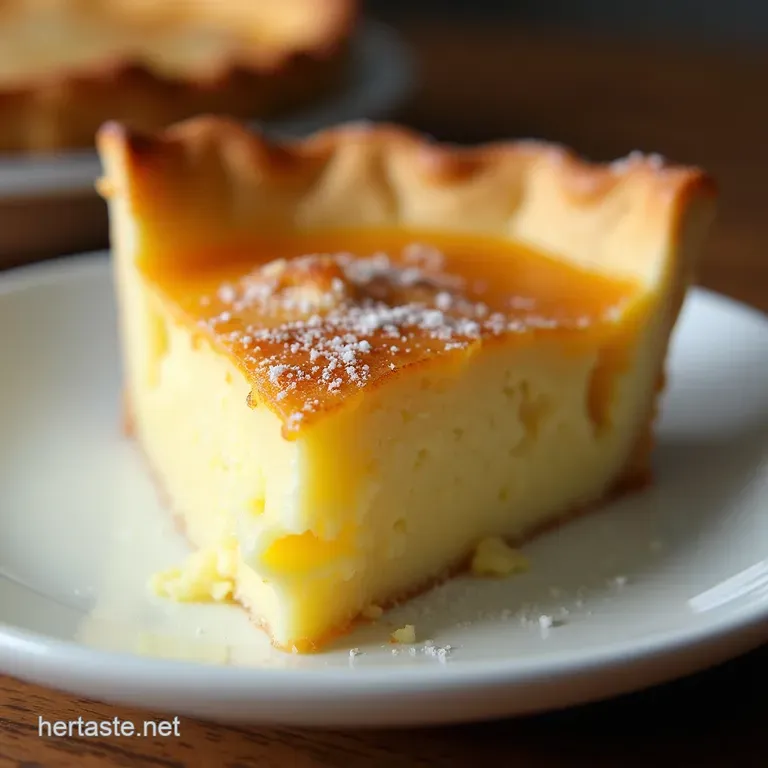
- Unlocking the Gold Standard: Mastering All-Butter Pie Dough
- Why Cold Temperatures Are Your Pastry Secret Weapon
- The Essential Building Blocks for Superior Pastry
- Tool Kit Check: Equipment Needed for Perfect Pie Dough Preparation
- The Method: Cutting the Fat into the Flour
- Bringing It Together: Hydrating and Forming the Disc
- Chilling Commandments: The Crucial Rest Period
- Troubleshooting Common Crust Calamities
- Recipe FAQs
- 📝 Recipe Card
Unlocking the Gold Standard: Mastering All-Butter Pie Dough
Forget those sad, tough crusts! This recipe is the quintessential foundation for any double crust pie, lattice top, or savoury tart your heart desires. Using just four core ingredients and ice-cold water, we focus on keeping everything cold to ensure maximum flakiness.
Think of this as your ticket to achieving those beautiful, crisp layers that practically shatter when you cut into them proper tea-time stuff, that. Making truly brilliant Pie Dough —that buttery, flaky foundation that separates the good pies from the great ones is less witchcraft and more methodical technique.
It’s the backbone of everything from a proper steak and ale pie to a show stopping apple crumble topping.
Why Cold Temperatures Are Your Pastry Secret Weapon
The magic behind achieving that desirable, shatteringly crisp texture lies entirely in temperature control. When fat melts into flour, it coats the gluten strands, resulting in a tender crumb.
If the fat melts before it hits the heat of the oven, it just mixes into the dough, leading to a hard, dense crust. However, when you use ice-cold butter, those small pieces remain intact during mixing.
When baked, the water in the butter turns instantly to steam, pushing the layers of flour apart, creating pockets of air, and thus delivering that enviable Flaky Pie Dough structure.
The Foundation of Flaky Dreams: What This Recipe Delivers
This Homemade Pie Dough recipe utilizes 100% high-quality unsalted butter, ensuring a superior, rich flavour profile that shortening simply cannot match. It yields enough dough for one standard 9 inch double crust pie, meaning you get a sturdy bottom crust and a perfectly structured lid.
It is an all-purpose dough suitable for everything from tender fruit fillings to rich, savoury mixtures.
Distinguishing Truly Brilliant Pie Dough from the Average
The primary differentiator between an average crust and a brilliant one is the size of the fat particles incorporated into the flour. An average crust often has butter rubbed in so thoroughly that it resembles fine cornmeal.
A truly brilliant Dough For Pies , conversely, should retain visible chunks of butter, some as large as small peas. These larger pieces are the architects of the flakiness, whereas the smaller, finely coated flour creates tenderness.
Quick Overview: Four Ingredients, Infinite Possibilities
At its heart, this Pie Dough Recipe Butter creation relies on simplicity. We use 2 ½ cups of all-purpose flour (300g), 1 cup of very cold unsalted butter (227g), 1 teaspoon of fine sea salt, and ice water, usually between 6 to 8 tablespoons (90ml to 120ml).
A tiny addition of 1 teaspoon of sugar is optional but highly recommended as it assists with delicate browning.
The Essential Building Blocks for Superior Pastry
Securing the right ingredients in their ideal state is half the battle won when learning How To Make Pie Dough Simple . The texture of your final product is dictated almost entirely by the quality and temperature of these core elements.
We are striving for a balance: enough fat for flavour and lift, enough water for cohesion, but not so much that the gluten over develops.
Tool Kit Check: Equipment Needed for Perfect Pie Dough Preparation

While you absolutely can make an Easy Pie Dough Recipe by hand, having the right tools streamlines the process and helps maintain the necessary cold temperatures.
You will need a large mixing bowl, a pastry blender (or two sturdy knives if working without machinery), and plastic wrap for the essential resting phase. If you opt for mechanical assistance, your Pie Dough Food Processor can significantly speed up the initial cutting-in phase, provided you use the pulse function judiciously.
Choosing the Right Flour and Butter Ratios
For this all-butter approach, we rely on standard all-purpose flour. Its moderate protein content is perfect; it develops just enough gluten to hold the crust together without making it tough.
The ratio of butter to flour here is generous roughly one cup of butter to 2 ½ cups of flour which guarantees that rich mouthfeel and excellent structural integrity.
Why Ice is Non-Negotiable: Preparing Your Liquid
Never substitute regular tap water for the liquid component. You must use water that is nearly frozen. Prepare a small bowl of ice cubes and add just enough cold water to cover them. This ice water is what cools down the flour and prevents the butter from softening during the hydration stage.
A slightly chilled bowl is also an excellent starting point for your dry ingredients.
Measuring Precisely: Avoiding the Soggy Bottom Trap
Precision is vital when crafting any great pastry. Always use the "spoon and level" method for measuring flour; never scoop directly from the bag, as this compacts the flour, leading to an overly dense crust.
Too much flour means you’ll need excess water to bring the mass together, resulting in a tough, potentially soggy base.
Related Recipes Worth Trying
- The Only Pie Crust Recipe Youll Ever Need Pioneer Womans Foolproof Flaky Dough — Master the legendary Pioneer Woman pie crust with butter and shortening Get our cheftested guide for a tender flaky pie crust recipe every time
- The Ultimate Flaky Croissant Dough Recipe Parisian Layers at Home — Conquer classic French baking This detailed guide demystifies making truly shatteringly flaky croissant dough with clear patient steps for perfect lamination
- The Best Homemade French Silk Pie Recipe Buttery Crust — Master this truly decadent French Silk Pie with our foolproof guide to the cloudlike filling and crisp shortbread crust Say goodbye to fussy pastry Get the...
The Method: Cutting the Fat into the Flour
This step is where the layered structure begins to form. Combine your dry ingredients flour, salt, and optional sugar in your chilled mixing bowl. Introduce the butter, which should be cut into cubes no larger than half an inch.
If using a pastry blender, work swiftly, pressing down firmly to cut the butter into the flour. The goal is to coat the butter pieces in flour while breaking them down into a mixture of fine crumbs and larger, irregular, pea-sized shards.
Bringing It Together: Hydrating and Forming the Disc
Once the butter is incorporated, it’s time to add the ice water. Start by drizzling about six tablespoons over the mixture. Using a fork or spatula or, if using a food processor, a few quick pulses gently toss everything together.
You are not kneading; you are encouraging the mixture to cohere. The dough should look shaggy, meaning it holds together when you squeeze a small handful, but there should still be visible streaks of dry flour mixture present.
Add the remaining water, one tablespoon at a time, only until the dough mass gathers itself loosely.
Chilling Commandments: The Crucial Rest Period
Once hydrated, immediately turn the shaggy mass out onto a lightly floured surface. Quickly pat it into two equal portions. These portions form the top and bottom layers for your pie.
Wrap each tightly in plastic wrap, ensuring you press them into flat, even discs this makes the subsequent rolling phase much easier. These discs must now rest in the refrigerator.
Pulse vs. Hand Mixing: Achieving Varied Textures
If you are aiming for a very tender, melt-in-your mouth experience, hand mixing or using a pastry blender is preferred, as it gives you more control over the butter size. A Pie Dough Food Processor is fast, but it can easily over process the butter into a paste if you run it too long.
For a truly Flaky Pie Dough , the hand cut method that leaves those distinctive fat chunks is usually superior.
Recognizing the Pea-Sized Butter Shards
As you cut the butter, periodically check the consistency. Those pea-sized pieces are critical. They are the pockets that will create steam and lift the crust. If all your butter has broken down into something finer than a lentil, you have likely over worked it or used butter that was too soft.
The Gentle Touch: Mixing Until Just Combined
When adding water, the mantra is "just until it comes together." If you mix the dough until it is perfectly smooth, you have already activated too much gluten. We want a somewhat rough, slightly uneven texture.
The final look should be a mass that barely holds its shape when pressed it should not be elastic or smooth.
Shaping and Wrapping Your Dough for Optimal Hardening
Patting the dough into discs before wrapping minimizes the amount of handling required during the rolling process later. Tightly wrapped discs prevent air exposure, which can dry out the edges. After wrapping, the dough needs at least one hour in the coldest part of your refrigerator.
This chilling period is not optional; it allows the flour to fully hydrate and, crucially, allows the butter to re-solidify to its rock hard state.
Troubleshooting Common Crust Calamities
Even with the best intentions, issues can arise. If your dough feels sticky during the final handling, resist the urge to add more flour; instead, place it back in the fridge for 15 minutes. If the dough tears when you try to lift it into the pie dish, it’s likely too cold or too thin.
This is also where knowing how to manage your Hand Pie Dough Recipe —which is essentially the same base is useful, as smaller pieces are easier to handle.
Fixing Dough That Crumbles or Tears During Rolling
A dough that crumbles indicates insufficient hydration; it needs just a few drops more ice water worked in very gently. If it tears, patch it immediately: overlap the torn edges by about half an inch and gently smear the seam with your finger until the tear disappears, then chill the patch for five minutes before continuing to roll.
Freezing and Thawing Pie Dough Safely
This recipe freezes beautifully. After shaping the discs and wrapping them tightly in plastic wrap, place them inside a freezer safe bag or container. They can be stored for up to three months. To thaw, transfer the frozen disc directly to the refrigerator for about 8– 12 hours.
Do not attempt to thaw at room temperature, as the outside will soften while the inside remains frozen solid, leading to uneven rolling.
Elevating Your Crust: Adding Spices and Zests
To move beyond a standard base, try incorporating flavour during the dry mixing stage. For a fruit pie, add a half teaspoon of cinnamon or nutmeg to the flour. For savoury applications like a pot pie, consider finely minced fresh rosemary or dried thyme.
You can also add citrus zest (lemon or orange) for brightness, ensuring it is well distributed before the butter is added.
When to Blind Bake: Techniques for Quiches and Cream Pies
If your filling is no-bake (like a lemon cream pie) or requires only a short cooking time (like a quiche), you must blind bake the Pie Dough From Scratch . After lining your pie plate, chill the shell for 30 minutes, then line it with parchment paper and fill completely with pie weights or dried beans.
Bake at 400° F ( 200° C) for 15 minutes with weights, remove the weights and paper, and continue baking for another 5- 10 minutes until lightly golden.

Recipe FAQs
My pie dough always comes out tough instead of flaky. What gives?
That's usually down to two things: temperature and handling. Ensure your butter and water are absolutely ice-cold, as the large chunks of butter steam to create the layers. More importantly, stop mixing the moment the dough comes together; overworking develops gluten, turning your lovely pastry into something fit for paving stones!
How far in advance can I make this pie dough and how should I store it?
You’re in luck; this dough keeps brilliantly! After wrapping the discs tightly in plastic wrap, they can be refrigerated for up to 3 days, which is perfect for batch cooking.
For longer storage, wrap them well and freeze them for up to three months just remember to thaw them overnight in the fridge before rolling.
What is the trick to rolling out the pie dough without it sticking everywhere?
The key is a well chilled disc and patience. Let the dough sit at room temperature for about 10-15 minutes before rolling to prevent cracking. Use just enough flour to prevent immediate sticking, and remember to lift and rotate the dough frequently while rolling outwards from the centre to keep that perfect circular shape.
Can I substitute the butter in this pie dough for anything else?
While all-butter gives the best flavour, you can substitute half the butter with vegetable shortening if you’re chasing that extra old-school flakiness often found in classic American baking. Just ensure whatever fat you use is equally cold!
Avoid liquid oils entirely, as they won't create the necessary structure.
I'm a beginner; should I use a food processor or mix the pie dough by hand?
For beginners, a food processor is often less intimidating and quicker, reducing the chance of your hands warming the butter. However, you must pulse only a few times you’re looking for coarse crumbs, not a uniform paste. If you go by hand, use a pastry blender and work quickly to keep everything chilly.
What if I only need a top crust for a crumble or a single layer tart?
This recipe yields enough dough for a double crust, so you'll have plenty leftover! Simply halve the ingredient measurements if you only need a single crust, or use the extra disc for lattice strips or decorative cut-outs. Make sure to store the unused disc properly, as per the storage advice above.
Foolproof Allbutter Pie Dough

Ingredients:
Instructions:
Nutrition Facts:
| Calories | 86 kcal |
|---|---|
| Protein | 1.5 g |
| Fat | 9.3 g |
| Carbs | 20.0 g |
| Fiber | 0.2 g |
| Sodium | 4458 mg |
