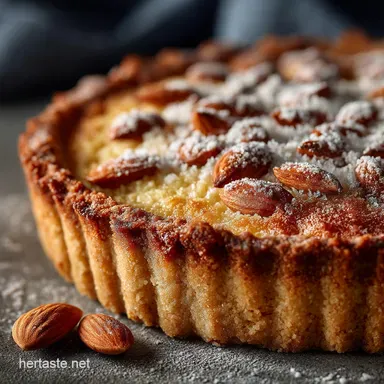
The Crumbly Crown Flawless Glutenfree Keto Almond Flour Pie Crust
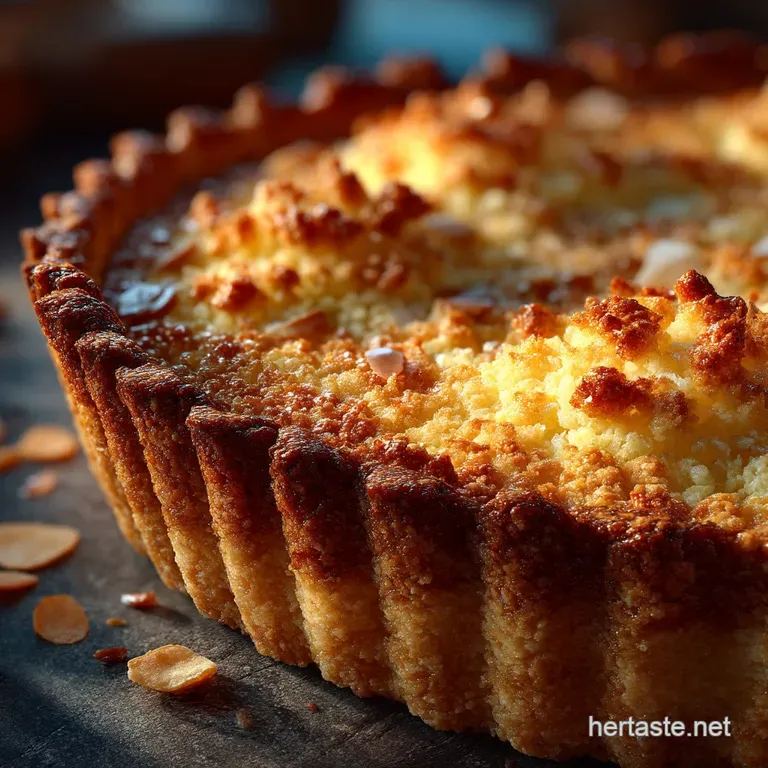
- Elevating Your Baking with a Flawless Foundation
- Mastering the GlutenFree Keto Almond Flour Pie Crust
- The Shortlist of Simple, Low-Carb Components
- Necessary Tools for Mixing the Perfect Crust
- The Art of Combining Ingredients Without Overworking
- Blind Baking the GlutenFree Keto Almond Flour Pie Crust
- Troubleshooting Common Keto Pie Crust Challenges
- Recipe FAQs
- 📝 Recipe Card
Elevating Your Baking with a Flawless Foundation
The key to any truly memorable pie whether sweet or savoury is a structurally sound, yet exquisitely tender foundation. For those adhering to dietary principles that exclude refined flours and starches, achieving that perfect base can often feel like an impossible task.
This recipe for a GlutenFree Keto Almond Flour Pie Crust changes that narrative completely. It is robust enough to hold up to the richest fillings, yet light and crumbly, offering a delicious, nutty shortbread like flavor profile that works beautifully with virtually any application.
Moving away from highly processed flours opens up the world of Healthy pie crust alternatives , and this straightforward method ensures that your finished dessert or dinner centerpiece is absolutely flawless from the first slice to the last.
Mastering the GlutenFree Keto Almond Flour Pie Crust
Creating a successful Low Carb Pie Crust requires understanding the unique properties of the ingredients we substitute for traditional wheat flour. Once you grasp the simple science behind using cold fats and specific binders, achieving bakery quality results in your Keto pie crust recipe becomes intuitive.
Why Traditional Pastry Fails the Keto Test
Standard pie crusts rely heavily on gluten for structure and elasticity, and sugar and refined starches for flavor and browning. This composition immediately puts them at odds with the ketogenic approach, which demands minimal carbohydrates.
By eliminating wheat, we remove the gluten entirely, necessitating the use of alternative binders. This recipe compensates for the lack of gluten and high starch content by utilizing a precise balance of fat, high-quality almond flour, and a touch of xanthan gum to deliver structure without compromising on taste or texture.
The Superior Texture of Blanched Almond Flour
The quality of your main ingredient dictates the final result. For a truly light and delicate Almond Flour Pie Crust , it is essential to use super fine blanched almond flour. Blanched means the skins have been removed before grinding, ensuring the resulting crumb is uniform and free of coarse specks.
This superior processing results in a tender, “short” crust that mimics the beloved texture of traditional pâté sablée, making it an excellent choice for any serious endeavor in Low Carb Baking .
Sweet vs. Savoury: Adapting the Basic Dough
The base formula for this gluten free Pie Crust is incredibly adaptable. For a traditional sweet pie, we incorporate three tablespoons of granulated keto sweetener (such as an Erythritol/Monkfruit blend) and a half teaspoon of vanilla extract to elevate the nutty flavor.
However, if your goal is a savoury base perhaps for a quiche or pot pie you can easily reduce the sweetener to just one teaspoon, which helps balance the salt without making the crust taste sweet, or omit it entirely.
Essential Pre-Baking Checks for Perfect Results
Before you even begin mixing, perform a quick check: ensure your oven is preheating to 350° F ( 175° C) and, most critically, confirm that your butter is cut into half inch cubes and kept ice-cold.
If your kitchen is particularly warm, place your food processor bowl in the freezer for ten minutes beforehand. Starting with properly chilled equipment is the first line of defense against a greasy, tough dough.
The Shortlist of Simple, Low-Carb Components
One of the great joys of this Homemade gluten free crust is the simplicity of its required components. The bulk of the structure comes from two cups (225g) of blanched almond flour. This is paired with cold butter, which provides richness and tenderness.
Crucially, we incorporate a quarter teaspoon of xanthan gum. This powerful ingredient is non-negotiable in gluten-free baking; it acts as a stabilizing agent, preventing the inevitable crumbling that can plague low-carb doughs.
A single large egg yolk further binds the mixture while adding necessary fat and luxurious flavor, rounding out the ingredient profile.
Related Recipes Worth Trying
- The Ultimate Crispy Keto Chaffle Your FiveMinute LowCarb Bread — Ditch complicated keto bread This truly is the best chaffle recipe yielding sturdy incredibly crispy lowcarb waffles in just 15 minutes Simple Chaffle...
- The Big Easy Keto Buffalo Chicken Casserole Creamy Speedy LowCarb — This easy Keto Buffalo Chicken Casserole is pure comfort food heaven Bubbly cheesy and deeply flavourful its the perfect low carb buffalo chicken bake for...
- The Best Flaky All Butter Pie Crust Recipe for Ultimate Texture — Tired of tough pastry This guide delivers a truly perfect flaky All Butter Pie Crust recipe using simple techniques for a meltinyourmouth finish
Necessary Tools for Mixing the Perfect Crust
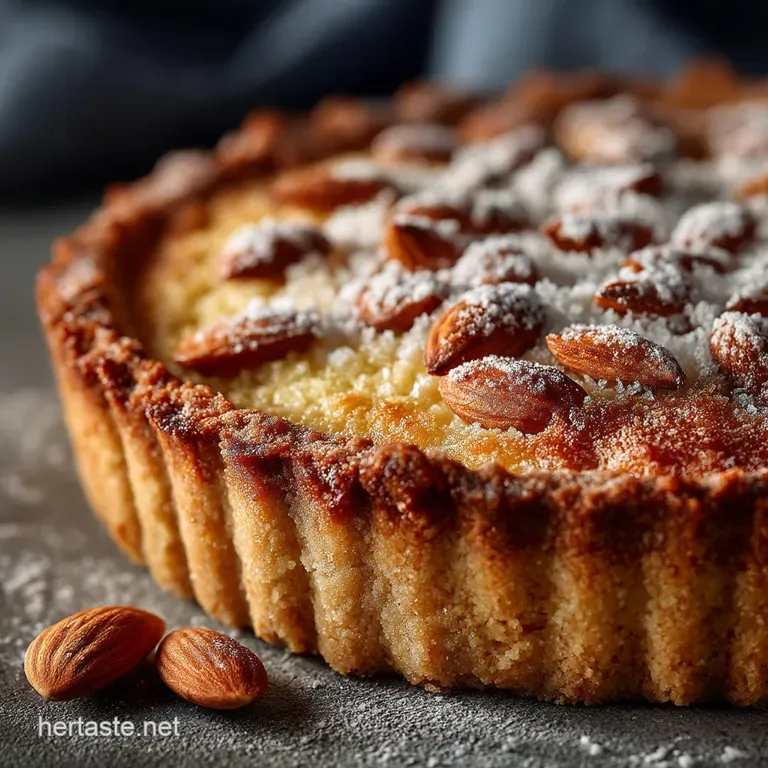
While this recipe is simple, the right tools can drastically reduce the active prep time which clocks in at a quick ten minutes and guarantee a uniform consistency. A 9 inch pie plate is standard, but the choice between hand mixing and mechanical mixing significantly impacts efficiency.
Choosing the Right Fat (Butter vs. Ghee vs. Coconut Oil)
Unsalted butter is the standard recommendation for its flavor and structural integrity, delivering six tablespoons (85g) of cold fat to the mix. If you require a dairy-free option, chilled, solid coconut oil or a high-quality vegetable shortening can be substituted volumetrically for the butter.
Regardless of your choice, the fat must be solid and cold before it enters the mix to ensure proper cutting and binding.
Criticality of Cold Ingredients for Flaky Dough
The secret to a perfectly "short" crust meaning tender and not tough lies entirely in temperature control. When the cold butter is quickly pulsed into the dry ingredients, it remains in small, distinct pieces.
During baking, these cold pockets of fat release steam and create tender layers, preventing the dough from fully melding into a dense, greasy mass. This technique is especially important in Almond Flour Recipes because the flour lacks the protein structure of gluten.
Sweetener Substitutions and Volumetric Equivalents
When sweetening the three tablespoons of dough, it is vital to use granulated keto sweeteners like erythritol or a Monkfruit blend, as these offer the closest volumetric equivalent to sugar without the carb count.
If you prefer liquid sweeteners, such as stevia drops, note that you must dramatically reduce the amount of added ice water, as liquid substitutes do not provide the necessary bulk that granulated alternatives contribute to the dough's overall volume.
Should You Use a Food Processor or Hand Mix?
A food processor is highly recommended for speed and temperature control. Using short, quick pulses ensures the butter stays cold and is evenly distributed, minimizing the risk of overworking the dough.
If you are mixing by hand, utilize a pastry cutter or two forks to efficiently "cut" the cold butter into the dry ingredients. Avoid using warm hands to crumble the mixture, as this will melt the fat and compromise the texture.
Ensuring Precise Measurements for Low-Carb Dough
Precision is paramount in Low Carb Baking , where ingredient ratios are less forgiving than in traditional recipes. While two cups of almond flour are listed, the most consistent results are achieved by weighing out 225 grams of flour.
Slight variations in cup measurement due to packing or settling can drastically change the moisture absorption rate, making weighing the most reliable method for consistently successful results.
The Art of Combining Ingredients Without Overworking
The process of bringing the dough together should be fast and deliberate. First, combine the dry elements almond flour, sweetener, salt, and xanthan gum in the food processor and pulse briefly.
Next, introduce the cold, cubed butter and pulse rapidly 6 to 8 times until the mixture achieves the texture of coarse sand or small peas. Finally, add the single egg yolk (and vanilla, if desired). Pulse just until the mixture starts to clump.
The goal is to bind the dough just enough so it holds together when pressed, avoiding the rubbery texture that results from excessive blending.
Blind Baking the GlutenFree Keto Almond Flour Pie Crust
Blind baking pre-baking the crust before adding the filling is essential for achieving a crisp base and preventing a soggy bottom, especially critical when working with low-carb doughs that tend to absorb moisture easily.
Achieving the Desired 'Wet Sand' Consistency
After adding the egg yolk, the dough should feel like moist, coarse sand. To test for readiness, pinch a small amount between your fingers; it should hold its shape firmly. If the dough appears too dry or powdery, incorporate ice water, a single teaspoon (5 ml) at a time, pulsing once or twice after each addition.
Resist the urge to add too much water, as this will result in a dense, tough crust.
Chilling Strategy: Why Rest Time Is Non-Negotiable
Once the dough has formed, gather it into a flat disc, wrap tightly, and refrigerate for a minimum of 20 minutes. This chilling period is non-negotiable for several reasons: it firms up the cold butter, making the dough easier to handle, and, most importantly, it allows the quarter teaspoon of xanthan gum to fully hydrate and perform its binding function, stabilizing the entire structure of this Keto pie crust recipe .
Technique for Rolling Out Sticky, Low-Carb Dough
Unlike traditional gluten doughs, almond flour dough is inherently fragile and sticky. Skip the rolling pin entirely. Instead, remove the chilled disc and place it directly into the 9 inch pie plate.
Use your fingertips or the flat bottom of a measuring cup to firmly and evenly press the dough across the bottom and up the sides. Aim for a uniform thickness of about a quarter inch (6 mm) everywhere to ensure even baking.
Preventing Shrinkage During the Bake
The primary culprits for crust shrinkage are warm dough and uneven thickness. By ensuring the dough is well chilled before pressing and that the thickness is consistent, you greatly minimize movement. On top of that,, the use of pie weights during the initial bake mechanically holds the sides in place.
How to Properly Weight the Crust
To prepare for the blind bake, generously prick the base of the crust with a fork (a process known as docking). Next, line the raw dough with a sheet of parchment paper or foil, making sure the edges extend over the sides. Fill the lining with pie weights, dried beans, or rice.
Bake the weighted crust for eight minutes at 350° F ( 175° C). Carefully remove the weights and lining, then return the crust to the oven for an additional four to seven minutes until the edges are beautifully light golden brown, signifying a fully baked Homemade gluten free crust .
Troubleshooting Common Keto Pie Crust Challenges
Even expert bakers encounter hiccups, particularly when exploring new areas like Almond Flour Recipes . Knowing how to quickly address common pitfalls ensures that your project remains stress free.
Salvaging a Dough That Crumbles Too Easily
If, after the initial chilling, your dough crumbles significantly and refuses to hold its shape during pressing, it typically means it lacks moisture. Add half a teaspoon of ice water and pulse the dough briefly again.
If water doesn't seem to work, or if the environment is very dry, you can try incorporating a tiny bit more cold butter or a second half egg yolk to boost the fat and binder content.
Solutions for a Soggy Bottom
A soggy bottom is a tragic flaw. To prevent this, ensure your crust is thoroughly docked and that you fully blind bake it until it is visibly toasted and golden brown, not just set. The total bake time is 12– 15 minutes.
If your filling is particularly wet (like a quiche), brush the hot, freshly baked crust with a thin layer of egg white after removing the weights and before the final bake. This creates a waterproof barrier.
Preparing and Freezing Dough for Future Use
This GlutenFree Keto Almond Flour Pie Crust is excellent for meal prep. You can prepare the dough through the chilling stage, wrap the disc tightly in plastic wrap, and freeze it for up to three months. Thaw overnight in the refrigerator before pressing into the pie plate.
Alternatively, you can fully blind bake the shell, cool it completely, wrap it carefully, and freeze it for up to a month.
Creating a Full Top Crust or Lattice Design
While the press-in method is easiest, a top crust or lattice is certainly achievable. You will need slightly more dough (about 1.5 times the base recipe) and extreme cold. Roll the dough between two sheets of parchment paper, keeping it thin.
Freeze the rolled dough completely before attempting to cut the lattice strips or transfer the full top piece.
Pairing Suggestions: Best Keto Fillings for This Crust
The gentle, nutty flavor of this almond base pairs wonderfully with both rich, sweet, and robust savoury options. For a decadent dessert, fill the blind baked shell with a no-bake Keto Chocolate Ganache Pie or a tangy, chilled Keto Lemon Cheesecake .
For an impressive supper, use the stabilized base for a deep dish Keto Bacon, Spinach, and Cheddar Quiche .
Macro Breakdown and Serving Size Definition
When preparing a Low Carb Pie Crust , understanding the nutritional impact is crucial. Based on the yield of one standard 9 inch pie plate, the serving size is defined as 1/8th of the crust.
This provides an estimated 210 230 calories, 19 21 grams of total fat, and, most importantly for the ketogenic diet, approximately 2 grams of net carbohydrates per serving, confirming its place as a reliable and delicious staple in your Low Carb Baking repertoire.
Recipe FAQs
My previous low-carb crusts were a right faff and fell apart! How do I stop this GlutenFree Keto Almond Flour Pie Crust from being too crumbly?
The secret to keeping this crust shipshape is two-fold. Firstly, ensure your butter is absolutely ice-cold when you cut it in; this prevents a greasy, fragile mess. Secondly, the addition of a small amount of xanthan gum acts as the 'heavy lifter,' mimicking the structure gluten provides.
It’s the essential binder that stops your beautiful creation from turning into a pile of sandy rubble!
I fancy a quiche, not dessert. Can I use this recipe for a proper savoury pie?
Absolutely! This recipe provides brilliant foundations for both sweet and savoury fillings. If you are making something purely savoury like a quiche Lorraine simply omit the vanilla extract and drastically reduce the keto sweetener to just 1 teaspoon, or remove it entirely if your filling is very robust.
You might also consider adding a pinch of dried thyme or a tablespoon of finely grated Parmesan to the dry mix for extra depth.
Why do I have to bother with pie weights? Isn't that just a bit of a kitchen chore?
We know blind baking can feel like a chore, but weights are crucial for stopping the crust from going rogue! Without them, the steam released from the butter and egg yolk will cause the base to puff up unevenly, and the delicate sides of the almond flour crust will likely slump down.
The weights keep the base flat and the edges crisp, ensuring you have a perfectly sturdy vessel for your filling.
Can I make this dough or the finished crust ahead of time?
A little planning goes a long way! You can prepare the dough up to 3 days in advance; just keep the wrapped disc tightly sealed in the fridge. For maximum convenience, you can fully blind bake the crust, let it cool completely, and then store it loosely covered at room temperature for up to 2 days, much like a good biscuit tin.
Just make sure to cool it completely before covering to prevent condensation.
Is xanthan gum essential, or can I swap it for something else in this recipe?
For a reliable gluten-free and keto pie crust, xanthan gum is highly recommended, bordering on essential. It provides the crucial elasticity and binding capability that is lost when using almond flour instead of wheat flour.
While you could attempt a substitution with ground psyllium husk, this will alter the texture significantly and often requires more liquid, so stick to the xanthan gum for the best results!
Flawless Keto Almond Flour Pressin Crust