Egg Bites Recipe: Silky Sausage Snap

- Time: Active 10 minutes, Passive 25 minutes, Total 35 minutes
- Flavor/Texture Hook: Silky, custard like crumb with a savory sausage snap
- Perfect for: High protein meal prep and busy weekday mornings
- Crafting the Ultimate Savory Egg Bites Recipe
- Essential Recipe Performance Metrics
- Structural Component Science Analysis
- Critical Culinary Tools Required
- Step-By-Step Execution Guide
- Troubleshooting Common Texture Faults
- Flavor Swaps and Variations
- Storage and Zero Waste Tips
- Serving and Pairing Suggestions
- Culinary Myths Debunked
- Egg Bites Recipe FAQs
- 📝 Recipe Card
Crafting the Ultimate Savory Egg Bites Recipe
The first time I tried making these, I expected that light, airy "wobble" you get from those expensive sous vide versions at the green apron coffee chain. Instead, I pulled a tray of rubbery, sulfur smelling hockey pucks out of my oven.
The edges were crusty, the middle was weeping water, and honestly, they were a total disappointment. I realized then that eggs are temperamental creatures, they don't want high heat, they want a gentle, humid hug.
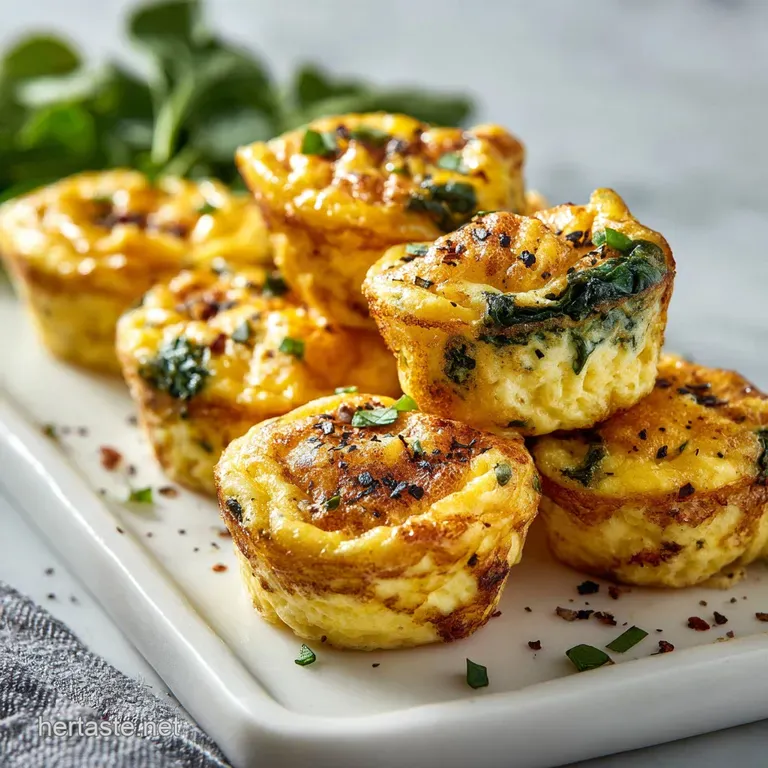
Success happened when I started treating this egg bites recipe like a delicate cheesecake rather than a muffin. When you slide the tray into a steam filled oven, the aroma shifts from "plain egg" to a rich, savory scent of melting sharp cheddar and toasted sausage.
You’ll see the tops rise slightly, but they won't explode or crater if you respect the moisture levels. It is a total transformation of your morning routine.
We are aiming for a texture that is dense enough to hold in your hand but soft enough to melt on your tongue. We'll skip the heavy cream and use cottage cheese for that punch of protein and structural integrity.
This method ensures every bite is packed with pockets of wilted spinach and bright roasted peppers, held together by a velvety binder that refuses to go tough.
Essential Recipe Performance Metrics
Before we crack a single shell, let's look at how this dish stacks up across different cooking environments. Whether you are rushing through a Tuesday morning or prepping for a Sunday brunch, the method you choose dictates the final texture of the curd.
| Method | Time | Texture Outcome | Best Use Case |
|---|---|---|---|
| Standard Oven | 25 minutes | Firm exterior, soft core | Weekly meal prep |
| Water Bath (Bain Marie) | 30 minutes | Extremely silky, uniform | Slow weekend brunch |
| Instant Pot | 10 minutes | Very soft, almost mousse like | Immediate consumption |
The key to preventing that dreaded "sponge" texture is managing how the proteins bond. In a dry oven, the outer layers of the egg overcook before the center sets, leading to a gritty mouthfeel.
By introducing a tray of water on the rack below, we create a humid environment that keeps the surface supple while the interior reaches that safe, custardy 165°F.
Structural Component Science Analysis
The Physics of the Velvety Curd
Proteolytic Synergy: Blending cottage cheese breaks down its curds, allowing the whey and casein to integrate with the egg proteins. This creates a reinforced molecular grid that traps moisture more effectively than eggs alone, preventing the "weeping" of liquid during storage.
| Ingredient | Science Role | Pro Secret |
|---|---|---|
| Large Eggs | Primary binder and emulsifier | Use room temp eggs for faster blending |
| Cottage Cheese | Moisture reservoir and protein boost | Full fat versions yield a creamier finish |
| Sharp Cheddar | Fat based flavor carrier | Grate your own to avoid anti caking starches |
Using cottage cheese is a brilliant move because it acts as a stabilizer. While some search for an egg bites recipe no cottage cheese, I’ve found that using it provides a specific lightness that greek yogurt or heavy cream simply can't replicate.
The acidity in the cheese also helps tenderize the egg proteins, ensuring they don't tighten up too much and become rubbery.
Critical Culinary Tools Required
You don't need a professional kitchen, but a few specific items make the difference between a messy cleanup and a smooth morning. A silicone muffin pan is non negotiable here. Traditional metal tins tend to grab onto the egg proteins, even with a heavy coating of oil, leading to a "shattered" look when you try to pop them out.
A high speed blender or a small food processor is your best friend for achieving that iconic Starbucks egg bites recipe texture. We aren't just mixing, we are aerating. By blending the eggs and cottage cheese for a full 30 seconds, you incorporate tiny air bubbles that expand gently during the bake.
If you just whisk them by hand, the cottage cheese stays lumpy and the texture becomes inconsistent.
Chef Tip: Place your silicone mold on a sturdy baking sheet before filling it. Moving a floppy, liquid filled silicone tray into a hot oven is a recipe for a floor covered in raw egg.
step-by-step Execution Guide
1. Preparing the Velvety Base
Preheat your oven to 350°F and place a baking dish filled with an inch of hot water on the bottom rack. Crack 6 Large Eggs (300g) into your blender and add 1 cup Cottage Cheese (225g), 1/4 tsp Sea Salt (1.5g), and 1/4 tsp Cracked Black Pepper (1g).
Note: Blend until the mixture is completely smooth and pale yellow with no visible cheese curds.
2. Layering the Textures
Lightly grease a 12 cup silicone muffin tray. Distribute 1/2 cup Cooked Breakfast Sausage (115g) and 2 tbsp Roasted Red Peppers (30g) evenly among the cups. Note: Adding the heavy inclusions first ensures they don't all sink to the bottom of the liquid base.
3. Incorporating the Greens
Tuck 1/4 cup Fresh Spinach (10g) into each cup, pressing it down slightly. Note: Finely chopping the spinach prevents long, stringy pieces that can make the bites difficult to eat.
4. Adding the Fat
Sprinkle 1/2 cup Shredded Sharp Cheddar Cheese (55g) over the meat and vegetables. Note: The cheese will melt into the crevices and act as a flavorful glue for the inclusions.
5. Pouring the Binder
Slowly pour the egg and cottage cheese mixture over the fillings until each cup is about 3/4 full. Note: Do not fill to the brim, as the eggs will puff up during the baking process.
6. Managing the Bake
Slide the tray onto the middle rack, directly above the water bath. Bake for 25 minutes. Note: You are looking for the edges to be set while the centers still have a very slight, jelly like wobble.
7. The Cooling Phase
Remove the tray from the oven and let it sit for 5 minutes before attempting to remove the bites. Note: This carryover cooking time allows the internal structure to firm up so they don't collapse.
8. The Extraction
Gently run a silicone spatula around the edges and pop each bite out. Note: They should release cleanly with a smooth, glossy exterior.
9. Final Inspection
Check that the bottom is cooked through and not soggy. Note: If the bottoms feel wet, they may need 2-3 more minutes or the water bath was too close to the tray.
10. Quality Control
Taste one while warm to ensure the salt levels are right. Note: The sausage adds significant sodium, so always test before batching for guests. Similar to the prep for my How to Make recipe, getting the base consistency right is the most important step for the final mouthfeel.
Troubleshooting Common Texture Faults
Managing Excess Moisture
If you find a pool of liquid at the bottom of your muffin liners, it's usually due to the vegetables. Spinach and peppers hold a surprising amount of water. If you use frozen spinach, you must squeeze it in a kitchen towel until it's bone dry. For the roasted red peppers, pat them with a paper towel before dicing.
Excess water steam cooks the egg from the inside out, leading to large air pockets and a "weeping" bite.
Preventing Rubbery Texture
Rubbery eggs are a sign of protein over coagulation. This happens when the temperature spikes too high too fast. If your oven runs hot, the outer layer of the egg bite will turn into a tough skin.
Ensure you are using the water bath on the rack below; this keeps the ambient temperature stable and the air humid, which prevents the surface of the best egg bites recipe from drying out.
| Problem | Root Cause | Solution |
|---|---|---|
| Bites Collapsing | Underbaked center | Increase cook time by 3 mins |
| Spongy/Holey Texture | Blended too fast | Tap tray on counter to release bubbles |
| Stuck to Pan | High sugar in inclusions | Grease silicone even if "non stick" |
Common Mistakes Checklist
- ✓ Don't skip the cottage cheese; it's the secret to the healthy egg bites recipe texture.
- ✓ Always use a silicone tray; metal pans are a nightmare for cleanup here.
- ✓ Pat all vegetables dry to avoid a soggy bottom.
- ✓ Let them rest for 5 minutes; rushing the removal leads to breakage.
- ✓ Keep the oven door closed; losing steam ruins the custard effect.
Flavor Swaps and Variations
The beauty of this egg bites recipe is how easily it adapts to what you have in the fridge. If you want a healthy egg bites recipe that's a bit lighter, you can swap the sausage for turkey bacon or even smoked salmon.
If you're looking for an egg bites recipe with sausage that's a bit more "brunch style", try using a spicy chorizo paired with pepper jack cheese for a kick that wakes up your palate.
| Original Ingredient | Substitute | Why It Works |
|---|---|---|
| Breakfast Sausage | Smoked Ham (diced) | Lower fat, adds a salty sweet profile |
| Sharp Cheddar | Gruyère Cheese | Melts beautifully with a nutty finish |
| Spinach | Sautéed Kale | Sturdier texture, doesn't release as much water |
If you are following a specific diet, like keto, this is naturally a high protein egg bites recipe. For those who want something heartier on the side, these bites pair beautifully with a carb rich side like The Speedy Supper recipe. If you are aiming for a dairy-free version, you can substitute the cottage cheese with a thick almond based yogurt, though the texture will be slightly less firm.
Storage and Zero Waste Tips
These are a meal prepper’s dream because they hold their shape and flavor exceptionally well. You can keep them in an airtight container in the fridge for up to 4 days. When you're ready to eat, don't microwave them on high power. Instead, use 50% power for 45-60 seconds.
This prevents the proteins from tightening up and becoming "squeaky" between your teeth.
For long term storage, these freeze like a charm. Lay them out on a baking sheet to freeze individually for 1 hour before tossing them into a freezer bag. They’ll stay fresh for up to 2 months. To reheat from frozen, just pop them in the microwave for 1.5 to 2 minutes.
For a zero waste approach, don't toss the stems from your spinach or the odd ends of your peppers. Finely mince them and fold them into the egg mixture; they add flavor and fiber without changing the cook time.
Serving and Pairing Suggestions
When it comes to presentation, I love serving these with a dollop of hot sauce or a side of sliced avocado to add some healthy fats. If you are hosting a brunch, a tray of these looks stunning next to a pile of fresh fruit. The contrast between the savory, warm egg and the cold, sweet fruit is a classic for a reason.
If you are looking for a crunchier side to balance the soft texture of the egg, they are surprisingly great alongside a few Homemade Air Fryer recipe pieces for a "chicken and eggs" high protein feast. I’ve even served them as a quick appetizer during game nights by topping each one with a tiny bit of crispy bacon and a chive.
Culinary Myths Debunked
One big myth is that you need an egg bites recipe instant pot or a sous vide machine to get that velvety texture. While those tools are great, a standard oven with a water bath achieves 95% of the same result with much less hassle.
The water bath creates a "heat sink" that prevents the air from getting too dry, which is the actual secret to the texture, not the pressure of an Instant Pot.
Another misconception is that you need heavy cream for richness. People think that "fat equals creamy," but in egg cookery, "emulsion equals creamy." By blending the cottage cheese, you are creating a stable protein fat-water emulsion that provides a luxurious mouthfeel without the heavy, greasy residue that cream can sometimes leave behind.
Searing the meat beforehand also doesn't "lock in" moisture; it simply provides a Maillard reaction for better flavor, so don't skip the browning step for your sausage!

Egg Bites Recipe FAQs
What is the secret ingredient in egg bites?
Cottage cheese is the secret. It acts as a stabilizer, providing moisture and protein that creates a creamy, custard like texture without the rubberiness of eggs cooked at too high a temperature.
What's the secret to perfect egg bites?
Gentle, humid cooking is key. Treat them like a delicate cheesecake, not a muffin, by using a water bath in the oven to create a humid environment. This prevents the edges from overcooking before the center sets.
How do I prevent egg bites from being rubbery?
Avoid high, dry heat and over blending. Cook them in a water bath at a moderate temperature (around 350°F or 175°C) to ensure even cooking. Over beating the egg mixture can also toughen the proteins.
Is it worth buying an egg bite maker?
No, you don't need a special maker. A standard silicone muffin pan and an oven with a water bath can produce excellent results, mimicking the texture of specialized machines. If you master controlling cookie spread here, the same principle of gentle heat applies to egg bites.
Can I make egg bites without cottage cheese?
Yes, but the texture will differ. While cottage cheese offers a unique lightness and stability, you can substitute it with full fat Greek yogurt or a blend of ricotta and cream cheese for a creamy alternative.
For a dairy-free option, a thick, unsweetened plant based yogurt can work, though it might be slightly less firm.
How do I prevent egg bites from collapsing?
Ensure they are fully set and cool properly. Underbaking is the main culprit for collapsing bites. They should have a slight wobble in the center when removed from the oven, but carryover cooking will firm them up. Let them rest for at least 5 minutes before removing them from the pan.
What are the best mix-ins for egg bites?
Focus on pre-cooked, finely chopped ingredients. Popular choices include cooked bacon or sausage, sautéed spinach, diced bell peppers, and various cheeses like cheddar or Gruyère. If you enjoyed the technique of incorporating diverse flavors here, explore how it applies to our Easy Homemade Drop Dumplings Recipe.
Egg Bites Recipe

Ingredients:
Instructions:
Nutrition Facts:
| Calories | 81 calories |
|---|---|
| Protein | 8.2 g |
| Fat | 6.4 g |
| Carbs | 1.3 g |
| Fiber | 0.1 g |
| Sugar | 0.8 g |
| Sodium | 285 mg |
