Shakshuka: Perfect Eggs Baked in Spicy Tomato Sauce
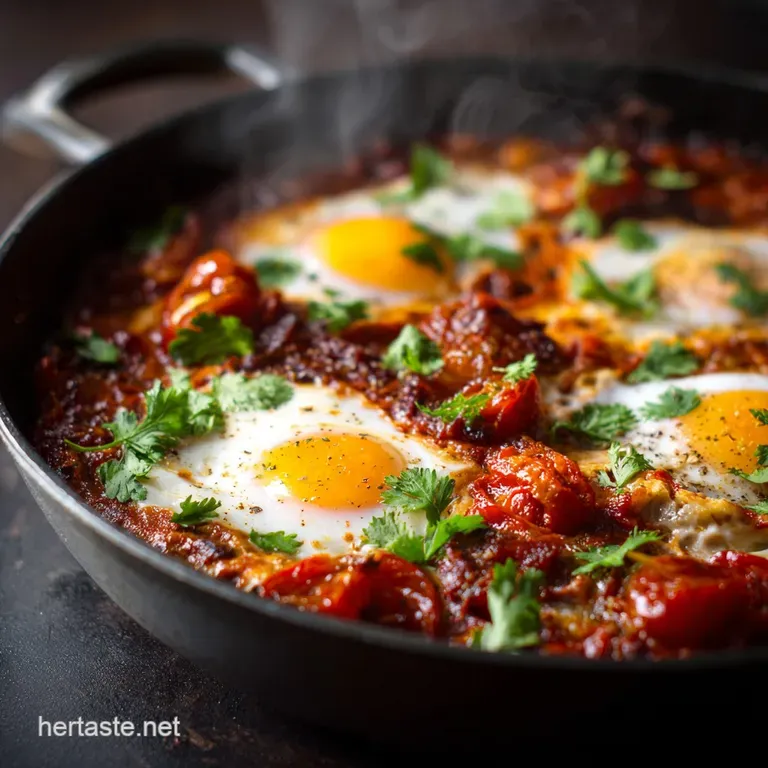
- The Perfect Sunday Shakshuka: Eggs Baked in Spicy Tomato Sauce
- Decoding Shakshuka: History and Core Components
- The Science of Flavor: Why This Spicy Tomato Base Excels
- Essential Ingredients for the Perfect Shakshuka
- Crafting Your Shakshuka: Step-by-Step Method
- Troubleshooting Common Shakshuka Challenges
- Prepping Ahead and Storing Leftover Shakshuka
- The Best Pairings to Serve with Classic Shakshuka
- Recipe FAQs
- 📝 Recipe Card
The Perfect Sunday Shakshuka: Eggs Baked in Spicy Tomato Sauce
Decoding Shakshuka: History and Core Components
Okay, stop what you’re doing right now and imagine the scent. It’s the deep, smoky aroma of paprika and cumin simmering with sweet tomatoes, promising a perfect runny yolk. This dish is vibrant, comforting, and visually stunning, making you look like a kitchen rockstar without breaking a sweat.
Shakshuka is my ultimate weeknight hero, even though I usually reserve it for those lazy Sunday brunches. It’s essentially cheap canned tomatoes and pantry spices elevated to truly phenomenal comfort food status.
Seriously, you get one pan, minimal cleanup, and maximum flavour payoff it's incredibly healthy too, packed with vegetables and lean protein.
I’ve messed this dish up enough times overcooked eggs, watery sauce that I know exactly where the pitfalls are hiding. Now I'm sharing the secret to that perfectly rich, deeply flavoured base and those wobbly, glorious yolks.
Let's dive in and make the best Eggs Baked in Spicy Tomato Sauce you've ever had.
The Science of Flavor: Why This Spicy Tomato Base Excels
The biggest difference between a boring tomato sauce and brilliant shakshuka is all about timing and temperature. We aren't just dumping ingredients into a pot; we are meticulously building layers of flavour that pay off huge dividends later.
The secret is knowing when to add the paste and when to hit it with the spices.
From North Africa to Your Kitchen: A Brief Origin Story
Shakshuka, derived from an Arabic term meaning "a mixture," boasts fuzzy origins, claimed enthusiastically by both North African and Middle Eastern cultures. The common thread is the simple genius of poaching fresh eggs directly in a simmering vegetable stew.
It’s the kind of peasant dish that became iconic worldwide because it is so satisfying and so very accessible.
The Signature Elements of a True Shakshuka Sauce
A traditional Shakshuka sauce must be robust, rich, and slightly chunky; it shouldn't be thin like soup. The foundational depth comes from slowly sautéing the peppers and onions until they almost melt into the oil.
This sweet vegetable base provides the perfect counterpoint to the smoky spices and the acidic burst of the tomatoes.
Why This One-Pan Dish is Perfect for Sunday Brunch
Who wants to juggle three pans while trying to enjoy their coffee? Nobody, that's who. Shakshuka is ideal because the entire meal, from the sweating of the onions to the gentle poaching of the eggs, happens in a single, beautiful skillet. It’s a spectacular presentation that requires shockingly little effort.
Achieving the Ideal Poached Egg Consistency
The goal here is a fully set white and a perfectly liquid, runny yolk the ultimate dipping sauce. Do not stir the eggs once they are in the sauce. Using an oven safe skillet is my preferred method because the indirect heat cooks the tops of the whites more evenly than stovetop steam.
This prevents that weird, runny but-still translucent patch near the yolk.
Layering Spices: The Cumin and Paprika Dynamic
The earthy warmth of cumin and the smoky depth of paprika are non-negotiable in this recipe. We use the "blooming" technique: adding the spices and the tomato paste directly to the hot oil and vegetables before the liquid goes in.
This 30 second frying step awakens the spices, creating a far more intense and nuanced flavour than simply stirring them into the canned tomatoes later on.
The Low and Slow Simmer Technique for Richness
Don’t rush the simmer, seriously. After adding the tomatoes and liquid, let the sauce bubble gently for at least 15 to 20 minutes, uncovered if possible.
This reduces the water content, thickens the ragout, and concentrates the flavour, ensuring the base is sturdy enough to cradle those precious eggs.
Essential Ingredients for the Perfect Shakshuka

Chef's Note: Mise en Place matters! Chop your onions and peppers first, mince your garlic second, and measure your spices into a single small bowl before you even turn on the heat. This prevents pan-burning panic.
Choosing the Best Tomatoes (Canned vs. Fresh)
While you can use fresh tomatoes, high-quality canned crushed tomatoes are usually better and easier for winter cooking. Look for imported crushed varieties, like San Marzano, which tend to be sweeter and less acidic than generic brands.
If using fresh garden tomatoes, you will need to peel and seed them, and cook the sauce for an extra 10– 15 minutes to break them down properly.
Bell Pepper and Spice Swaps for Custom Heat
We use red bell pepper for sweetness, but you should always adjust the heat to your liking. The recipe calls for ½ teaspoon of chili flakes; if you're feeding kids or heat averse friends, cut that in half.
Conversely, if you want Whole30 Shakshuka with a serious kick, switch to a pinch of fiery cayenne pepper.
Ingredient Prep Checklist (Mise en Place)
| Ingredient | Prep | Substitute if Missing |
|---|---|---|
| Bell Pepper | Diced finely | Diced carrots (sauté for longer) or ¼ tsp Harissa paste |
| Canned Tomatoes | Crushed, not diced | 1.5 lbs fresh, peeled Roma tomatoes (requires longer simmer) |
| Ground Cumin | Measured | Ground coriander (milder, earthier) |
| Feta Cheese | Crumbled | Creamy goat cheese or ricotta salata |
Crafting Your Shakshuka: step-by-step Method
Building the Aromatic Foundation (Sautéing the Veg)
- Heat and Soften: Pour 3 tablespoons of olive oil into your heavy, oven safe skillet over medium heat. Add the diced onion and red bell pepper. Cook for a full 8– 10 minutes, stirring only occasionally, until the vegetables are completely soft and translucent. Don’t let them brown; we are drawing out the sweetness.
- Concentrate the Paste: Stir in the minced garlic and 2 tablespoons of tomato paste. Cook, stirring for 1 minute, until the paste begins to darken slightly, taking on a deeper brick red colour.
Developing the Deep Tomato Sauce
- Toast the Spices: Add the smoked paprika, cumin, chili flakes, and oregano to the pan. Cook for exactly 30 seconds, stirring rapidly. This step is crucial for releasing maximum flavour.
- Simmer: Pour in the crushed tomatoes, ½ cup of water or broth, and the sugar. Stir everything together, scraping up any good bits stuck to the bottom of the pan. Bring the mixture to a gentle simmer.
- Thicken: Season generously with salt and pepper now. Reduce the heat and simmer gently for 15– 20 minutes, uncovered, until the sauce is thick enough to hold a spoon vertically. You want a luscious ragout, not soup.
Creating the Wells and Achieving the Perfect Bake
- Create the Nests: Use the back of a large spoon to gently scoop out 4 5 small, shallow depressions (wells) in the thick sauce. These spots should slightly expose the base of the pan.
- Add the Eggs: Crack one egg into a small bowl first, then gently slide it into a prepared well. Repeat with the remaining eggs.
- Cook for Glory: Transfer the skillet immediately to a preheated 180°C / 350°F oven. Bake for 5– 8 minutes, checking frequently. The whites should look opaque and set, but the yolks should still be glossy and wobbly when you gently shake the pan.
Garnish and Final Presentation
- Finish Strong: Carefully remove the pan from the oven. Sprinkle the surface evenly with crumbled feta cheese (if using) and a generous handful of fresh, chopped cilantro or parsley.
- Serve Hot: Place the entire beautiful pan directly on a trivet and serve immediately with copious amounts of dipping bread.
Troubleshooting Common Shakshuka Challenges
How to Prevent Overcooked (Rubbery) Egg Yolks
The moment of truth is often ruined when the egg yolks seize up and turn rubbery. The solution is simple: pull the pan out of the heat before the yolks look completely done.
Carryover cooking means they will continue to set for 1- 2 minutes after they leave the oven. You want them just wobbly enough when they exit the heat source.
Why Your Sauce Tastes Too Acidic (And How to Fix It)
If your tomato sauce has a harsh, metallic, or overly tart flavour, it usually means two things. First, you might have skipped the half teaspoon of sugar, which is necessary to balance the acidity of the tomatoes.
Second, if that doesn't fix it, stir in a tiny pinch (1/8 teaspoon) of baking soda to neutralize the acid quickly. Don't add too much baking soda or it will taste soapy!
Controlling Heat: Skillet Choice Matters
I once tried to make this in a flimsy aluminum pan and the bottom burnt long before the sauce thickened. Use a heavy bottomed skillet, preferably cast iron. Cast iron distributes heat evenly, preventing hot spots and ensuring the sauce simmers consistently rather than sticking and scorching at the centre.
Prepping Ahead and Storing Leftover Shakshuka
Making the Tomato Base Up to 2 Days in Advance
This is a huge lifesaver for busy weeknights. You can follow the recipe right up to Step 6 (Developing the Deep Tomato Sauce) and stop there. Once the sauce has simmered and thickened, allow it to cool completely, then transfer it to an airtight container.
This base will keep beautifully in the refrigerator for up to 2 days.
Refrigerating and Reheating the Dish Safely
Leftover shakshuka that already contains the eggs is tricky because reheating guarantees overcooked yolks. For the best experience, store only the leftover sauce (without eggs) in the fridge for 3 4 days.
If you must store the whole dish, refrigerate it immediately and reheat gently on the stovetop on low heat, but be aware the yolks will be firm. Freezing the sauce alone works perfectly ; simply defrost overnight, reheat, and then poach fresh eggs in the warmed sauce.
The Best Pairings to Serve with Classic Shakshuka
Essential Dippers: Crusty Bread, Pita, or Challah
This isn't just about the eggs and sauce; it's about the joyous act of scooping up that brilliant red goodness. You absolutely need something robust and absorbent. Thick slices of crusty sourdough, warm pillowy pita, or traditional Jewish challah are all excellent choices.
How I Serve Mine
I always insist on two things: a generous scattering of salty feta and a cool, creamy element. A side dollop of thick Greek yogurt or homemade labneh provides a fantastic, cooling contrast to the spicy, hot sauce. A simple fresh mint salad is also incredible for cutting through the richness.
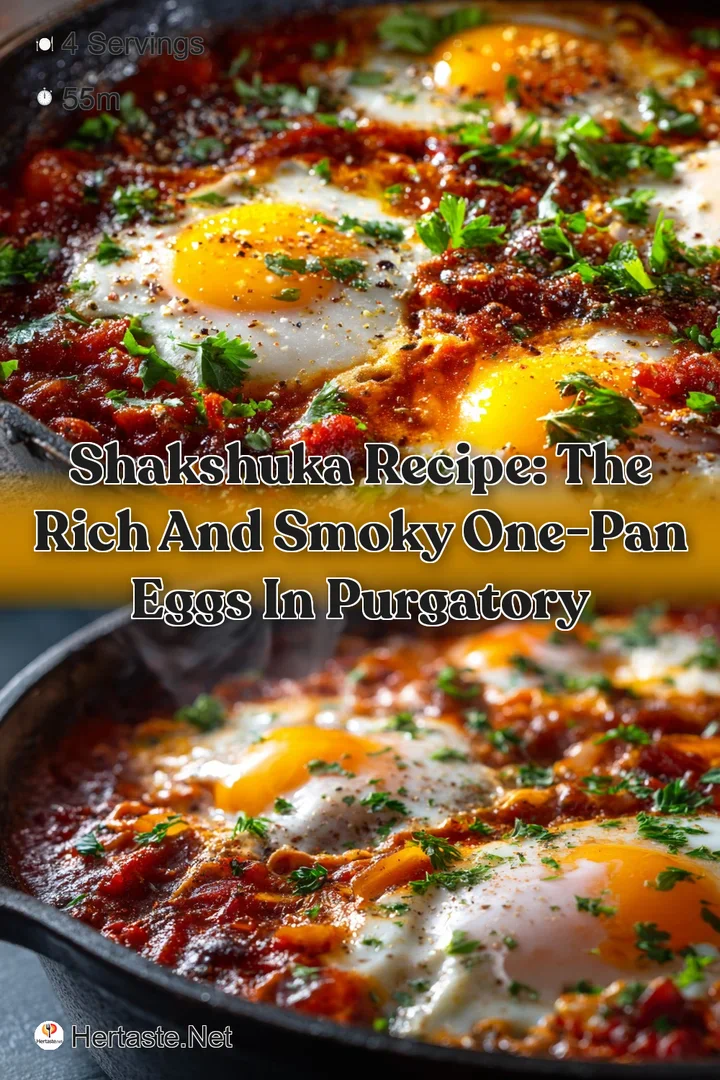
Recipe FAQs
Why are my eggs overcooked or hard?
The key to perfect poached eggs in Shakshuka is temperature control and timing. Ensure the sauce has simmered down and thickened significantly before adding the eggs, creating small wells for them to sit in.
Reduce the heat immediately after cracking the eggs, cover the pan, and monitor closely; cooking should be gentle until the whites are set but the yolks are still runny.
My sauce is too watery or too dry. How do I fix the consistency?
If the sauce is too watery, simply continue simmering it uncovered for a few extra minutes before adding the eggs, allowing excess liquid to evaporate and the flavor to concentrate.
If the sauce is too dry, introduce a splash of water, vegetable stock, or extra crushed tomatoes until you achieve a rich, thick consistency that will still cradle the eggs nicely.
Can I prepare the Shakshuka sauce ahead of time?
Yes, the tomato and pepper ragout can be fully prepared up to three days in advance and stored in an airtight container in the refrigerator. When you are ready to serve, reheat the sauce gently in your skillet and then proceed with cracking the fresh eggs directly into the hot base.
Note that Shakshuka with cooked eggs does not reheat well due to the textural changes in the yolk and white.
What variations can I make to this recipe?
For a heartier meal, you can add crumbled feta, merguez sausage, or ground lamb directly to the sauce; ensure any raw meat is fully cooked before adding the eggs. To make this dish vegan, omit the eggs and instead incorporate canned chickpeas, firm tofu cubes, or large white beans near the end of the simmering process for protein and texture.
How do I adjust the heat level of the sauce?
The spice level is predominantly controlled by the amount of chili flakes, cayenne pepper, or fresh jalapeños used. For a milder flavor, cut the chili flakes in half and ensure you use sweet paprika instead of hot smoked varieties.
To increase the heat, add a dash of Harissa paste or a pinch of extra cayenne pepper during the initial sauté of the aromatics.
What are the best accompaniments to serve with Shakshuka?
Shakshuka requires a sturdy, crusty bread like sourdough, challah, or pita bread to scoop up the flavorful sauce and soak up the runny yolks; this is essential for the full experience.
You can also garnish the finished dish with fresh parsley or cilantro, a dollop of yogurt or sour cream, and a drizzle of high-quality olive oil.
I don't have fresh tomatoes. Can I use canned tomatoes only?
Absolutely, canned tomatoes (crushed or whole peeled, then diced) are the standard base for rich Shakshuka and often provide a deeper, more consistent flavor than out-of-season fresh tomatoes.
Just ensure you use high-quality tomatoes and drain off any excess liquid from the can before adding them to prevent the sauce from becoming overly acidic or watery.
Easy Sunday Shakshuka Recipe

Ingredients:
Instructions:
Nutrition Facts:
| Calories | 307 kcal |
|---|---|
| Protein | 12.4 g |
| Fat | 18.7 g |
| Carbs | 22.3 g |
