Baked Halibut with Lemon, Herbs, and Crispy Panko
- The Brilliance of Halibut: Why Baking is Best for This Flaky Fish
- Why This Lemon-Herb Panko Crust Elevates Your Baked Halibut
- The Essential Line-Up: Ingredients for Flawless Baked Halibut
- Sourcing and Preparing Your Halibut Steaks
- Step-by-Step Method: How to Bake Halibut to Tantalising Perfection
- Prepping and Timing: Ensuring Moist and Tender Results
- Chef’s Secrets: Troubleshooting and Avoiding Common Halibut Errors
- What to Plate with Baked Halibut: Ideal Serving Suggestions
- Practical Guide: Storing, Reheating, and Freezing Leftovers
- Recipe FAQs: Brilliant Baked Halibut
- 📝 Recipe Card
The Brilliance of Halibut: Why Baking is Best for This Flaky Fish
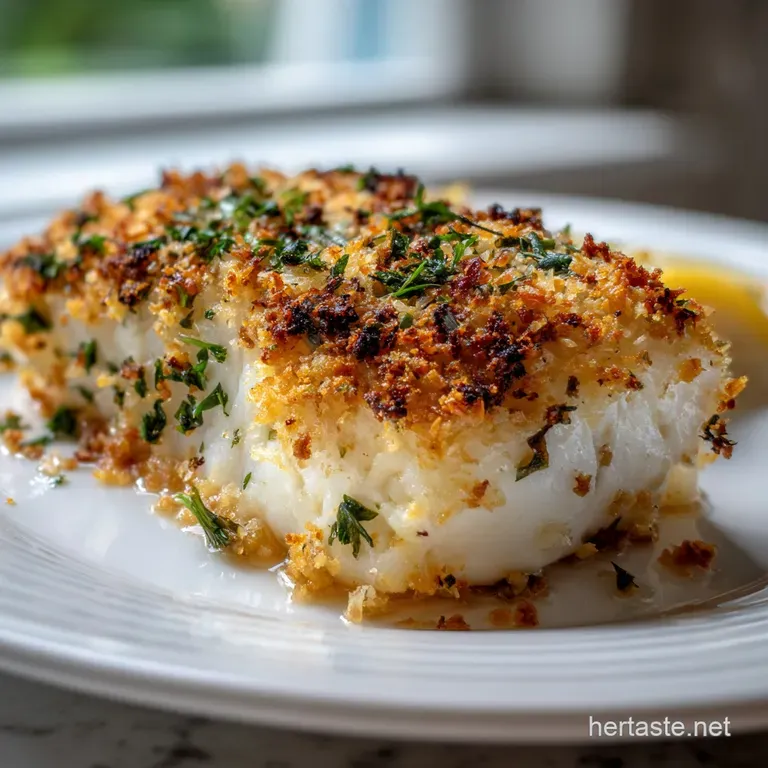
There is nothing quite like the smell of buttery herbs and lemon zest bubbling away in the oven; it’s a promise of pure, clean flavour. This Baked Halibut recipe guarantees flaky, tender results every single time, wrapping the delicate fish in a gorgeous golden crust.
It’s comforting, light, and honestly, the only way I make this fish anymore.
The secret to this dish is its sheer speed and simplicity. Forget complicated pan-searing techniques or worrying about non-stick pans; this is an Easy Baked Halibut method that is nearly hands off.
It transforms a premium piece of fish into a sophisticated 30 minute weeknight hero, proving that gourmet doesn't have to mean gruelling.
Let’s crack on and talk about how we achieve the perfect texture and flavour for this spectacular dish. We’re using a crispy panko coating layered over bright, bold herbs and lemon zest. Trust me, once you try this method, you’ll agree it is the Best Way To Cook Halibut effortlessly.
Why This Lemon Herb Panko Crust Elevates Your Baked Halibut
This recipe works because we treat the halibut properly, respecting its delicate nature. Applying a thin coat of herbed butter and panko breadcrumbs achieves three things: moisture, flavour, and phenomenal texture. It’s a genius system.
Understanding Halibut: Texture and Delicate Flavour Profile
Halibut is a marvelous fish firm but incredibly flaky when cooked correctly. Unlike fattier fish, it can dry out quickly, which is why aggressive cooking methods fail. Our Baked Halibut approach uses a consistent, gentle oven heat, which allows the fish to cook evenly from edge to centre.
This method minimizes agitation, letting the fish retain its natural moisture beautifully.
Achieving Perfect Flakiness: The Physics of Baking Halibut
When you bake halibut, the consistent heat allows the proteins to set slowly, resulting in those desirable white flakes. The butter mixture we apply acts as a protective barrier on top of the fillet, locking in the steam. This crust also crisps up nicely, providing a stunning contrast to the moist fish inside.
This makes baking the ideal answer to How To Cook Halibut In The Oven without stress.
A Homage to Simplicity: Inspired by Classic British Elegance
I love dishes where the main ingredient shines, and Baked Halibut fits that perfectly. This recipe borrows that minimalist ethos we aren't muddling flavours.
We use only enough herb and lemon to complement the halibut, not drown it, creating a truly elegant plate reminiscent of high end seaside dining.
Beyond Lemon Butter: Introducing the Bright Butter Herb Panko Crust
While a simple lemon butter sauce is classic, adding fresh herbs and crispy panko elevates the experience dramatically. Fresh parsley offers a clean, herbaceous note, while the tiny bit of thyme adds earthy depth. And the panko?
It creates that essential 'shatter' when you cut into the fish, making the Baked Halibut With Panko technique absolutely essential for top results.
The Essential Line-Up: Ingredients for Flawless Baked Halibut
Chef's Note: Invest in quality butter and genuinely fresh herbs for this recipe. Since there are so few ingredients, the quality of each component really matters for the final taste of your Baked Halibut Fillet Recipes .
The right ingredients determine whether your fish is just 'good' or truly exceptional. Sourcing the thick, centre cuts of halibut fillets is key to success, as thicker cuts prevent overcooking.
Sourcing and Preparing Your Halibut Steaks
The Halibut Core: Selecting Fresh vs. Frozen Steaks
Always look for thick, white halibut fillets, ideally about 1 1.5 inches thick. If you are using frozen halibut, make sure it is thawed slowly in the fridge overnight. Crucially, pat it bone dry afterwards ; excess moisture is the enemy of a crispy topping and can lead to steaming instead of baking.
Crafting the Golden Coat: Butter, Lemon Zest, and Crispy Panko
The butter must be softened, not melted. You want to create a paste that adheres to the fish, forming a seal. The copious amount of lemon zest adds immediate brightness, cutting through the richness of the butter perfectly.
Panko, which soaks up the melted butter during cooking, delivers a superior golden crunch that standard breadcrumbs simply can't match.
Herb Harmony: Ensuring the Right Balance of Parsley and Thyme
Parsley is the dominant flavour here, offering freshness and vibrancy. Thyme is used sparingly it's meant to be an earthy background note, not the star. Adding a bit of finely minced shallot provides a subtle onion flavour without the sharpness of raw garlic.
Crucial Substitutions: Swapping Herbs and Panko Alternatives
You might not have everything on hand, but don't panic! We have simple swaps that won't ruin your Baked Halibut .
| Ingredient Needed | Viable Substitution | Notes on Swap |
|---|---|---|
| Halibut | Cod, Sea Bass, or thicker Salmon portions | Cook time will vary. Check internal temperature! |
| Panko Breadcrumbs | Crushed potato chips, crushed dry stuffing mix | These both provide a good crunchy texture. |
| Parsley | Chopped Chives or Fresh Tarragon | Tarragon adds a slight anise flavour, use sparingly. |
| Thyme | Fresh Oregano or Marjoram | Use 1/2 tsp of dried herbs if fresh is unavailable. |
step-by-step Method: How to Bake Halibut to Tantalising Perfection
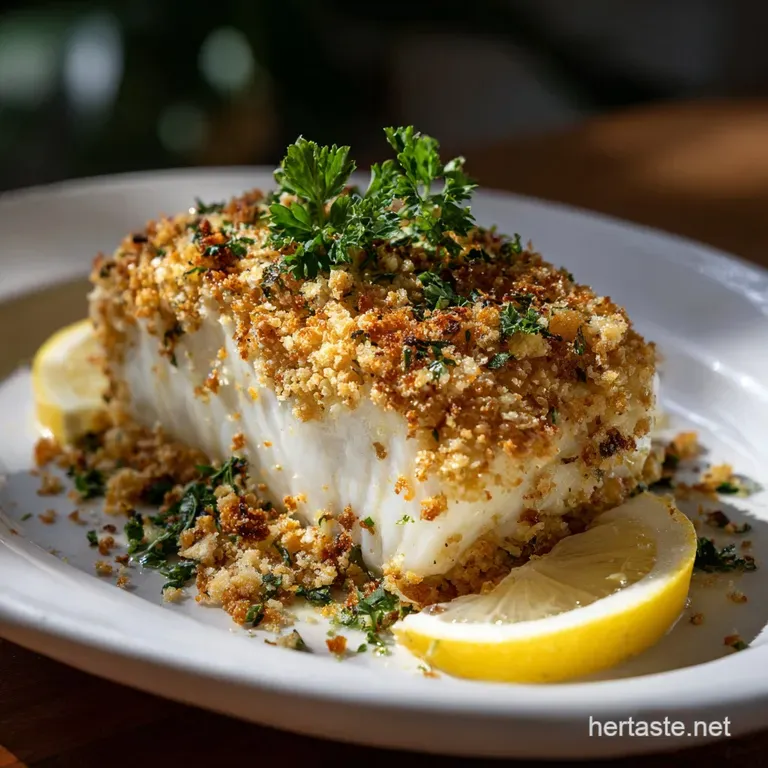
This straightforward process is the core of our successful Halibut Fillet Recipe Oven . Get your kitchen organized, and let’s get baking!
Prepping and Timing: Ensuring Moist and Tender Results
Prep Stage: Patting the Halibut Dry for Optimal Crust Adhesion
Start by preheating your oven to $400^circtext{F}$ ($200^circ
text{C}$). Line a baking sheet with parchment paper to prevent sticking. Take the time to blot your halibut fillets completely dry, removing any residual water. Season heavily with salt and pepper right before applying the topping.
The Art of the Panko Press: Applying the Crust Evenly
In your small bowl, mix the softened butter, herbs, shallot, zest, and panko until it forms a thick paste. Now, carefully spread this mixture evenly across the top of each halibut fillet. Don’t worry about coating the sides; we are creating a protective ‘lid’ for the fish.
Press it gently to ensure the crust sticks firmly before it hits the heat.
Oven Strategy: Setting the Precise Temperature and Rack Position
We use a relatively high oven temperature to ensure the crust browns quickly while the interior of the fish steams gently. Place the baking sheet on the middle rack. This position ensures even heat distribution, avoiding burning the crust or undercooking the bottom of the fish.
Temperature Check: Knowing Exactly When Your Halibut is Finished
Baking time for Baked Halibut is always determined by thickness, not by the clock. A fillet about 1.5 inches thick will take around 12– 15 minutes. Use an instant read thermometer inserted into the thickest part of the fillet.
You are looking for a magic number:
$145^circtext{F}$ ($63^circ
text{C}$)
. Once it reaches $140^circ
text{F}$, pull it out. The residual heat will carry it the rest of the way to perfection. This critical step guarantees your fish remains juicy.
Chef’s Secrets: Troubleshooting and Avoiding Common Halibut Errors
The Dreaded Dry Fillet: Preventing Overbaking Every Time
The number one mistake people make when cooking expensive fish is guessing the temperature, leading to dry, chewy fish. The most effective tip for perfect Baked Halibut temperature is the thermometer.
If you pull the fish at exactly $140^circ
text{F}$ and let it rest, you will never, ever have a dry halibut fillet again. Rest prevents moisture loss, essentially letting the juices redistribute after the intense heat.
Soggy Crust Solutions: Tips for Maximising Panko Crispness
If your panko comes out soggy, you likely had too much moisture on the fish or the butter was too soft and ran off the sides immediately. Always dry the fish, and ensure your butter is only softened, not melted.
If needed, you can pop the finished halibut under the broiler for 30 60 seconds after baking to quickly crisp the top, watching it like a hawk the entire time.
What to Plate with Baked Halibut: Ideal Serving Suggestions
This beautiful, flavourful Baked Halibut deserves sides that are equally wonderful and not too heavy.
Pairing Power: Complementary British and Mediterranean Side Dishes
For a heartier meal, serve this with a spectacular starch like my Baked Potato In Oven: Get Ultimate Crispy Skin Fluff . The fluffy interior and crispy skin of the potato stand up perfectly to this delicate fish. I also highly recommend pairing it with blanched green beans tossed simply in olive oil, or perhaps some roasted cherry tomatoes on the vine.
For a lighter, spring focused meal, a simple rocket salad with a sharp vinaigrette balances the buttery finish perfectly. If you are feeling extra ambitious, consider setting aside the panko and butter method and trying a fish focused variation of the seasoning used in my Baked Mustard Garlic Salmon with Honey Mustard Sau Easy 30 Min Dinner for a different take on oven baked fish!
Practical Guide: Storing, Reheating, and Freezing Leftovers
Post Bake Care: Safely Storing Cooked Halibut and Reheating Methods
Cooked Baked Halibut stores well in the fridge for up to three days in an airtight container. When reheating, avoid the microwave, as it drastically dries out the fish and ruins the panko crust.
Instead, place the fillets on a baking sheet and reheat them low and slow, at about $275^circ
text{F}$ for 10–
12
minutes until heated through.
Freezing: A Note of Caution for Your Halibut
While you can freeze cooked halibut (wrapped tightly for up to three months), I advise against it. Freezing cooked fish drastically changes its delicate texture, and the lovely crispy panko crust will certainly become soggy upon thawing.
This Easy Baked Halibut is so quick to make that it’s better enjoyed fresh. Stick to freezing raw, properly wrapped fillets, or just plan to finish those tasty leftovers within a few days!

Recipe FAQs: Brilliant Baked Halibut
My halibut always comes out dry. How do I prevent overcooking it?
The key to moist halibut is precise temperature and cook time. Ensure you preheat your oven properly and use a meat thermometer inserted into the thickest part of the fish. Halibut is perfectly cooked when it reaches an internal temperature of 145°F (63°C), and aim to pull it out just before, as it will continue cooking briefly from residual heat.
What should I do if I don't have Panko breadcrumbs?
While Panko is ideal for its superior crispiness, you can substitute it with standard fine breadcrumbs, though the texture might be slightly softer. Alternatively, use crushed saltine crackers or finely chopped nuts like almonds or pistachios for a gluten-free and flavourful crust.
Can I use frozen halibut for this recipe, and does it require any adjustments?
Yes, absolutely. If using frozen fish, ensure it is fully thawed overnight in the refrigerator before baking; baking from frozen will result in uneven cooking. Pat the fish very dry with paper towels just before adding the butter and crumb mixture, as extra moisture can make the coating soggy.
How do I know when the halibut is fully cooked without using a thermometer?
Visually, cooked halibut should be opaque white throughout and should flake easily when gently probed with a fork. If the centre looks translucent or resists flaking, it needs a few more minutes, but be careful as this is usually when dryness sets in.
I don't have fresh herbs available. Can I use dried herbs instead?
Dried herbs can be used, but you must significantly reduce the quantity as they are far more concentrated in flavour. Use about one teaspoon of dried herbs (such as thyme or parsley flakes) for every tablespoon of fresh herbs specified in the recipe.
Rub the dried herbs gently in your palm before mixing to help release their oils.
Is it safe to freeze cooked leftover halibut, and how should I reheat it?
You can freeze cooked halibut, wrapped tightly in foil and then in a freezer bag, for up to two months, though the texture may slightly degrade upon thawing. To reheat, thaw overnight and warm gently in a 300°F (150°C) oven covered with foil to retain moisture, rather than using a microwave, which can further dry out the fish.
Easy Crispy Baked Halibut Fillets
Ingredients:
Instructions:
Nutrition Facts:
| Calories | 418 kcal |
|---|---|
| Protein | 36.2 g |
| Fat | 21.7 g |
| Carbs | 14.7 g |
