Corn Casserole: the Golden Harvest Bake (10-Minute Prep Time!)
- Embracing Comfort: Why This Corn Casserole is a Crowd-Pleaser
- The Culinary Science Behind a Perfect Corn Casserole
- Building the Foundation: Essential Ingredients for the Golden Harvest Bake
- Step-by-Step Method: Preparing Your Golden Corn Casserole Base
- Troubleshooting and Expert Advice for Flawless Results
- Planning Ahead: Making and Storing Corn Casserole Safely
- The Perfect Pairings: What to Serve Alongside Corn Casserole
- Recipe FAQs
- 📝 Recipe Card
Embracing Comfort: Why This Corn Casserole is a Crowd Pleaser
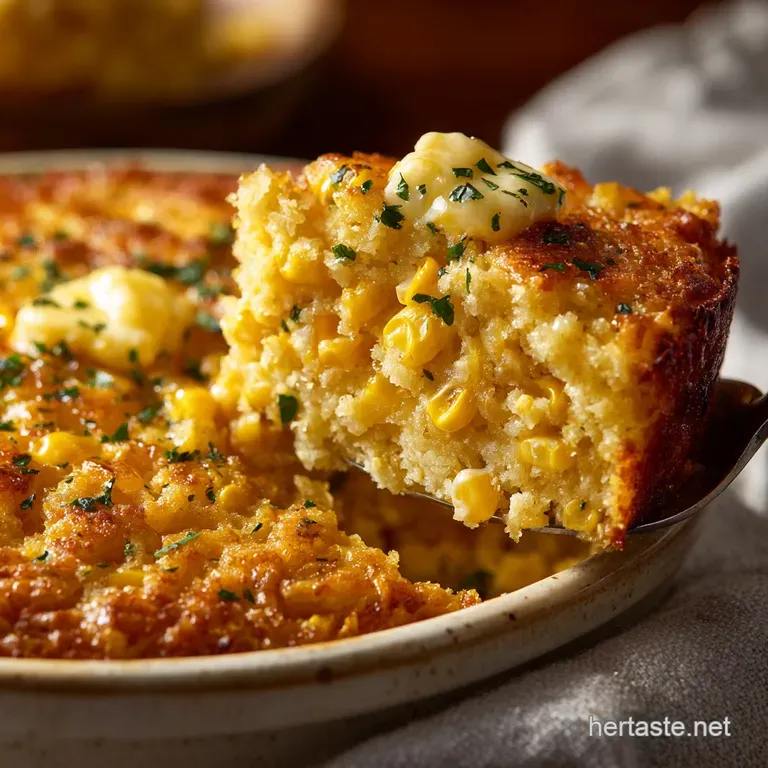
Oh my gosh, I am so excited you clicked on this recipe. Can you already smell it? That slightly sweet, buttery, golden aroma filling the kitchen is pure, unadulterated comfort food happiness.
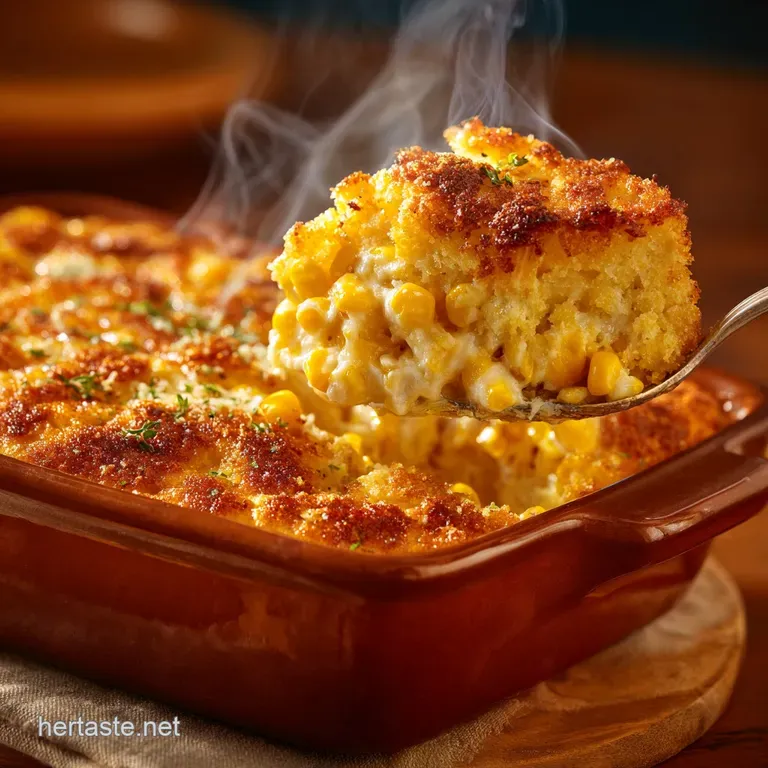
When it comes out of the oven, the top is beautifully toasted, cracking just slightly, hiding a creamy, spoonable interior that makes you want to curl up on the sofa.
This easy corn casserole (sometimes called corn pudding) is the ultimate side dish lifesaver for every home cook. It’s a "dump and stir" masterpiece that requires seriously minimal effort and ingredients you probably already have stashed away.
Whether it’s a random Tuesday night or the centerpiece of your holiday spread, this recipe delivers maximum flavor with zero stress, making you look like a domestic superhero.
Forget the dry, crumbly versions you might have tried before; we are aiming for rich, fudgy perfection today. I've tweaked and tested this recipe over dozens of holiday dinners, and I’m ready to share every single trick I learned including the one mistake I made involving too much melted butter.
Let's crack on and get this golden goodness baking!
The Culinary Science Behind a Perfect Corn Casserole
The Difference Between Corn Pudding and Casserole
Okay, let’s clear up the confusion because these names get swapped constantly. Traditionally, a corn pudding is incredibly creamy, relying heavily on milk, eggs, and often ground cornmeal to create an almost custard like texture, like a savory flan.
Casseroles, however, typically include a starch binder, often flour or cornbread mix, giving them more structure and a slightly drier, more defined lift. We are leaning towards the creamier side (the best side!), using the structure from the Jiffy mix but counteracting dryness with tons of sour cream and creamed corn.
Our Philosophy: Maximizing Creaminess and Texture
The magic here is simple: fat equals moisture. We use full fat sour cream and melted butter to ensure the final result is rich, decadent, and never, ever gritty. The creamed corn does the heavy lifting, acting as a natural, sweet binder that keeps everything soft and prevents that annoying dry texture, especially if you’re making a Jiffy Corn Casserole Recipe: Creamy, Moist, and Never Dry .
A Brief History of the Classic American Side Dish
This dish has deep roots in American cuisine, especially in the South, where corn was (and still is) king. It’s an evolution of Native American recipes, adapted by early settlers, transforming basic dried corn into hearty, sweet, and comforting bakes.
It’s proof that the simplest ingredients often create the most satisfying results.
The Starch Binder: Achieving the Ideal Set
Our starch binder, the cornbread mix, is essential for lifting the casserole and giving it that lovely, fluffy cake like texture around the edges. But here’s the key: you must avoid overmixing it.
Overworking the flour develops gluten, making the finished casserole chewy and tough, which is exactly the opposite of the moist, fudgy center we are aiming for.
The Maillard Reaction: Browning the Golden Top
When you get that gorgeous, golden brown crust, you’re witnessing the Maillard Reaction in action! The heat causes the sugars and proteins on the surface to caramelize, creating a complex, nutty flavour profile that is much deeper than the sweetness inside.
We want that contrast that slightly crisp edge against the soft, warm interior.
Balancing Sweetness with Savory Notes
The Jiffy mix and creamed corn provide a lovely sweetness, which is a hallmark of this side dish. However, to keep it sophisticated and truly versatile, we load it up with salt, pepper, and sometimes a dash of cayenne.
Don't be afraid to season aggressively; sweet dishes need salt to pop, otherwise they taste flat and overly saccharine.
Building the Foundation: Essential Ingredients for the Golden Harvest Bake
If you want this recipe to succeed, don't skimp on the quality of your dairy. I know substitutions are tempting, but full fat ingredients really make a measurable difference in the final product.
Fresh vs. Frozen: Selecting the Best Corn Kernel Base
While fresh, sweet corn kernels cut off the cob are definitely the best if they're in season, thawed frozen corn is an excellent second choice. Do not use canned whole kernel corn unless you drain it exceptionally well. Too much liquid will thin out your batter and make the casserole runny.
Dairy Dynamics: Optimizing Creaminess (Buttermilk vs. Cream)
Sour cream is the secret weapon here because its high fat content and mild tang prevent the casserole from becoming heavy. It adds necessary acidity that also helps tenderize the crumb.
Chef's Note: If you want a slightly tangier flavor profile, you can swap the sour cream for full fat Greek yogurt or even crème fraîche. Avoid using low-fat options; they just introduce unnecessary stabilizers and water.
Elevating the Texture: The Role of Cornmeal and Flour
The pre-mixed cornbread box is crucial because it includes the perfect balance of cornmeal, flour, sugar, and leavening agents. If you try to make a Cornbread Casserole: Ultimate Cheesy Skillet Recipe for Comfort from scratch, the ratios get finicky quickly, but the box mix simplifies everything while guaranteeing that signature structure.
Ingredient Prep: Getting the Oven Ready
Before you mix anything, always ensure your oven is fully preheated to 375°F (190°C). Then, melt your butter. Letting the butter cool slightly before mixing prevents it from "cooking" the eggs when they combine, which results in scrambled bits in your batter.
| Ingredient | Viable Substitution | Why It Works |
|---|---|---|
| Creamed Corn | Pureed fresh or frozen corn + 1 Tbsp sugar | Mimics the binder and sweetness. |
| Sour Cream | Full fat Greek Yogurt or Buttermilk | Provides necessary fat and acidity. |
| Large Eggs | 1 large egg + 1 Tbsp water (in a pinch) | Hard to substitute, vital for binding. |
| Cornbread Mix (Jiffy) | Homemade mix (as detailed in recipe outline) | Provides starch, lift, and flavor balance. |
| Unsalted Butter | Melted neutral flavored oil (e.g., grapeseed) | Adds richness without overpowering flavor. |
step-by-step Method: Preparing Your Golden Corn Casserole Base
Prep Stage: Mixing Wet and Dry Components
First, lightly grease your 8x8 dish and I mean really grease it, all the way up the sides. In your main mixing bowl, whisk those eggs lightly until they are just combined, then stir in the sour cream and the slightly cooled melted butter. This wet mixture should look homogenous and creamy.
The Critical Fold: Combining the Kernels and Batter
Now add your canned corn and the drained whole kernels to the wet mixture. Give it one quick stir. Finally, gently sprinkle the cornbread mix and seasoning over the top. Fold the mixture using a spatula, scraping from the bottom up, until the dry streaks just disappear.
This is the moment to stop don't keep mixing "just to be sure." Lumps are fine!
Baking to Perfection: Timing and Temperature Guidelines
Pour the batter into your prepared dish and smooth the top slightly. Bake at 375°F (190°C) for 45 to 50 minutes. You’re looking for a colour that’s deep gold, not pale yellow. The center should look mostly set, and the edges should be pulling away slightly from the pan.
The Cool Down: Setting the Final Structure
I know you want to dig in immediately, but you have to wait! Removing the casserole from the oven is not the end of the cooking process. Resting it for 5 to 10 minutes allows the internal heat to redistribute, finishing the set and ensuring you get clean, beautiful scoops.
Troubleshooting and Expert Advice for Flawless Results
Avoiding a Runny Casserole: The Egg Ratio Fix
If your casserole came out resembling soup, you likely either didn't drain your whole kernels properly or your egg-to-dairy ratio was off. Eggs are the primary binder! For this specific recipe, using exactly two large eggs is essential.
If you’re using very large containers of creamed corn (or adding extra liquid), you might need a third egg to compensate for the extra moisture. Trust the recipe measurements, especially on the corn drainage.
Preventing Surface Cracking and Drying Out
Cracking usually happens when the oven is too hot or the casserole is baked too long. If you notice it browning extremely fast within the first 30 minutes, simply tent the dish loosely with aluminum foil.
This prevents the top from drying out while allowing the interior to finish baking beautifully.
Adding Depth: Optional Savory Mix-Ins
While this recipe is perfect as written, if you’re taking this to a big holiday dinner, consider jazzing it up a bit. My favorite addition is ½ cup of shredded sharp cheddar and maybe a finely diced, seeded jalapeño. For a deep, autumnal flavour, stir in 2 tablespoons of finely chopped sage it’s incredible, especially alongside your Southern Thanksgiving Menu: The Gold Standard Cornbread Dressing Recipe .
Planning Ahead: Making and Storing Corn Casserole Safely
This casserole is fantastic for meal prepping because it reheats so well.
Refrigerating and Reheating Baked Portions
Once completely cooled, wrap the casserole tightly with plastic wrap or transfer it to an airtight container. It keeps beautifully in the fridge for up to 4 days. To reheat, you can use the microwave, but for the best texture, place individual slices in a 350°F (175°C) oven for about 10– 15 minutes until heated through.
Freezing Unbaked Casserole: Best Practices
Yes, you can freeze this! Assemble the entire unbaked mixture right in your aluminum or freezer safe baking dish. Cover it very tightly with two layers of plastic wrap and one layer of foil. Label and freeze for up to 3 months.
When ready to bake, thaw overnight in the fridge, remove the wrapping, and bake as directed (you might need an extra 5- 10 minutes since the dish starts colder).
Shelf Life and Food Safety Considerations
Because this casserole contains eggs and dairy, it shouldn't sit out at room temperature for more than two hours. Always store leftovers quickly. If you are serving this for a large crowd, make sure to keep the dish warm a low-setting warming tray or a slow cooker is perfect for this task.
The Perfect Pairings: What to Serve Alongside Corn Casserole
Corn casserole is the definition of versatility; it literally goes with everything. It provides the perfect creamy, sweet, starchy counterpoint to anything smoky or salty.
- The Southern Feast: Think barbecue pulled pork, smoked ribs, or a big slice of glazed holiday ham.
- Simple Weeknight Dinners: It’s stellar next to pork chops, meatloaf, or even a simple roast chicken.
- Holiday Tradition: It’s a mandatory fixture next to turkey and all the trimmings. I love serving a little cranberry sauce on the side for that sweet tart contrast.
Recipe FAQs
What are the core ingredients typically found in a classic corn casserole recipe?
The foundation of this dish relies on five main components: canned whole kernel corn (drained), canned creamed corn, a binding agent (often cornmeal and flour or a boxed mix), butter, and a dairy component such as sour cream, milk, or evaporated milk.
Why do so many recipes call for Jiffy Corn Muffin Mix, and what does it contribute?
Jiffy mix acts as a massive shortcut, combining all the necessary dry ingredients cornmeal, flour, leavening agents, and sugar into one consistent package. Using Jiffy guarantees a quick preparation time and helps ensure the resulting casserole is moist, slightly sweet, and rises properly.
How can I make a scratch made Corn Casserole without using Jiffy mix?
You can easily substitute the Jiffy mix by combining equal parts of cornmeal and all-purpose flour (about 1/2 cup each), adding 1/4 cup of sugar, and 1 tablespoon of baking powder. This scratch combination gives you total control over the seasoning, sugar level, and texture of the casserole.
What is the best way to incorporate cheese for a delicious, Cheesy Corn Casserole?
I recommend using cheeses with good melting qualities, such as sharp cheddar, Pepper Jack, or Monterey Jack. Stir about 1 cup of shredded cheese directly into the batter before pouring it into the baking dish, and optionally sprinkle an extra half cup on top during the last 10 minutes of baking for a gooey, golden crust.
My corn casserole turned out dry and crumbly. What did I do wrong?
Dryness is almost always a result of overbaking, as the excess heat evaporates too much moisture from the creamy base. Ensure you pull the casserole from the oven when the edges are set and golden, but the center still has a slight, gentle jiggle; the internal temperature should be around 200°F (93°C).
Can I prepare Corn Casserole ahead of time, and how should I store leftovers or freeze it?
You can assemble the mixture up to 24 hours in advance and keep it covered in the refrigerator before baking. Leftovers should be stored in an airtight container for 3 to 4 days, or you can freeze the cooled, tightly wrapped casserole for up to two months, reheating it slowly from thawed.
Easy Creamy Jiffy Corn Casserole
Ingredients:
Instructions:
Nutrition Facts:
| Calories | 649 kcal |
|---|---|
| Protein | 35.8 g |
| Fat | 32.8 g |
| Carbs | 53.7 g |
