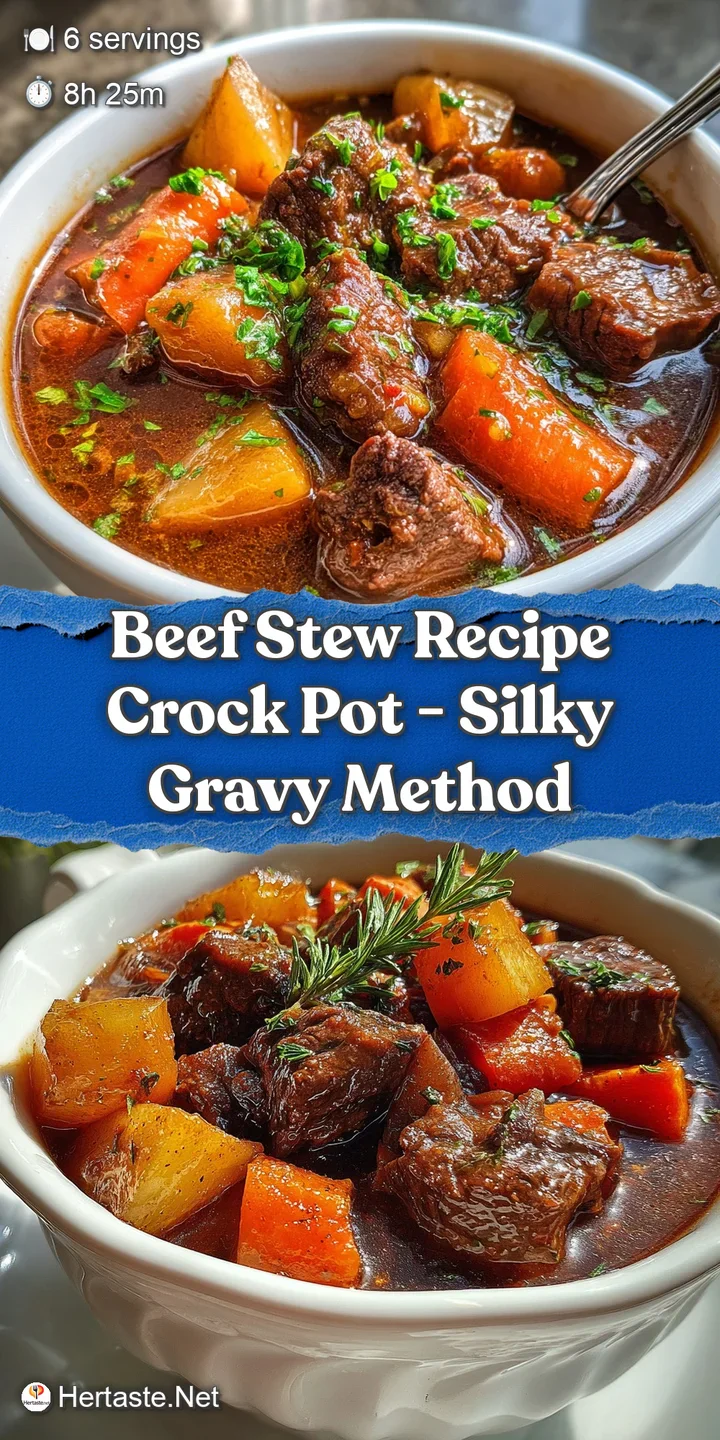
Beef Stew Recipe Crock Pot: Velvety Masterpiece
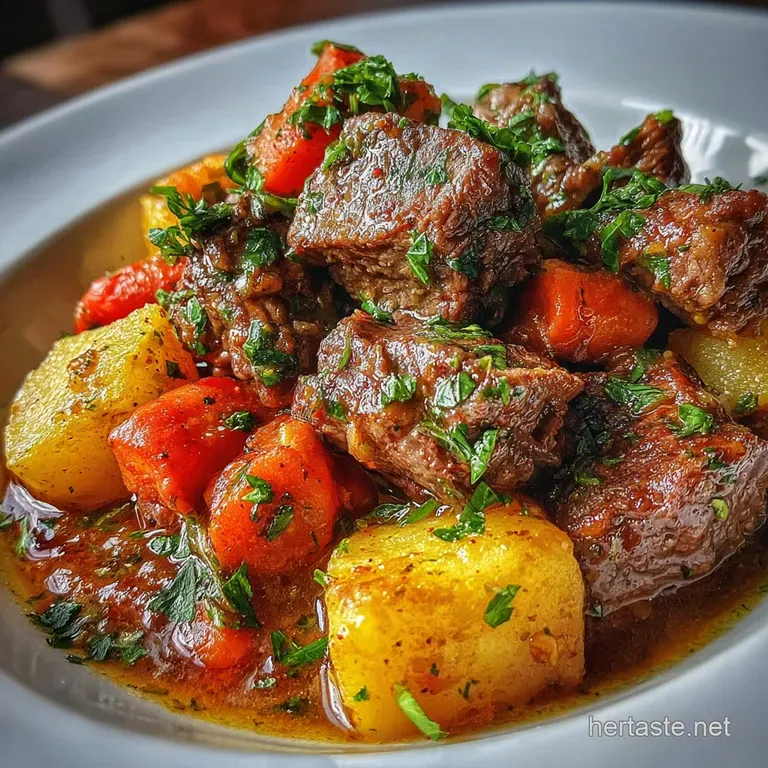
- Time: Active 25 minutes, Passive 8 hours, Total 8 hours 25 minutes
- Flavor/Texture Hook: Succulent beef in a silky, wine deepened gravy
- Perfect for: Lazy Sundays or busy weeknights requiring a warm hug in a bowl
- Unlocking Deep Layers of Flavor
- Essential Stats for Your Stew
- Selecting Your High-Quality Elements
- The Right Tools for Success
- Step-by-Step Layering Process
- Resolving Common Cooking Hiccups
- Creative Flavor Profile Variations
- Scaling for a Crowd
- Debunking Slow Cooking Myths
- Safe Handling and Reheating Tips
- Sides to Complete the Meal
- Recipe FAQs
- 📝 Recipe Card
You know that specific, soul warming aroma that hits you the second you walk through the door on a rainy Tuesday? That scent of slow cooked onions, red wine, and beef that’s been melting into a gravy for eight hours? That’s what we’re chasing today.
I remember the first time I tried a beef stew recipe crock pot. I threw everything in raw, turned it on, and hoped for the best. The result? Grey meat and a watery, bland liquid that made me want to order pizza. It was a total heartbreak.
But then I started obsessing. I realized that the "dump and go" method is a lie if you want real flavor. You have to build it in stages. I started searing my beef until it had a dark, mahogany crust that would shatter under a fork.
I started deglazing the pan with a splash of Cabernet to scrape up every bit of that umami gold. That’s when the magic happened. Now, my kitchen smells like a French countryside kitchen every time this hits the ceramic pot, and I’m never going back to the old way.
We’re going to walk through how to layer these flavors so every bite is a complex experience. We aren't just making dinner; we're practicing a bit of kitchen alchemy. You'll see how the starch from the potatoes interacts with the collagen from the beef to create a sauce that coats the back of a spoon without feeling heavy.
Trust me, once you taste the difference that twenty minutes of prep makes, you'll be a convert too.
Unlocking Deep Layers of Flavor
Collagen Conversion: At temperatures around 160°F, the tough connective tissue in chuck roast breaks down into gelatin. This provides that signature lip smacking richness and keeps the meat from feeling dry.
The Maillard Magic: over High heat searing creates hundreds of new flavor compounds on the surface of the beef. These compounds dissolve into the cooking liquid over eight hours, creating a depth that raw meat simply cannot provide.
Starch Gelatinization: As the Yukon Gold potatoes simmer, they release tiny amounts of starch into the broth. This naturally thickens the liquid into a glossy gravy without needing a heavy roux at the end.
Osmotic Exchange: The salt in the broth slowly penetrates the vegetables and meat, drawing out their natural juices while seasoning them from the inside out.
| Method | Time | Texture | Best For |
|---|---|---|---|
| Stovetop | 2 hours 30 mins | Firmer vegetables | Weekend afternoons |
| Crock Pot (Low) | 8 hours | Ultra tender, melting beef | Hands off meal prep |
| Pressure Cooker | 45 minutes | Soft but less flavor depth | Emergency dinners |
The slow cooker method remains the champion for this specific dish because the gentle, consistent heat allows the flavors to meld without the agitation of a rolling boil. If you find yourself needing a shorter window, you can use the high setting, but I’ve found that the low and slow approach yields a far more velvety result.
Essential Stats for Your Stew
This recipe is designed to be a reliable powerhouse in your rotation. I’ve found that the ratio of liquid to solids is the most frequent point of failure for home cooks. Too much broth and you have soup; too little and the top layer of beef dries out. These specs ensure the perfect balance.
| Component | Science Role | Pro Secret |
|---|---|---|
| Beef Chuck Roast | Primary fat/protein source | Use 1.5 inch cubes for even cooking |
| Tomato Paste | Umami and acidity | Brown it in the pan to remove the "raw" tinny taste |
| Dry Red Wine | Acid for fat balancing | Use a wine you'd actually drink, like a Malbec |
| Low sodium Bone Broth | Base hydration | High gelatin content creates a better mouthfeel |
If you are looking for ways to use that leftover broth, a solid Meat Stock recipe is a great way to ensure you always have a high-quality base in the freezer. Using bone broth over standard stock adds a layer of silkiness that standard store-bought options lack.
Selecting Your high-quality Elements
When you're shopping, don't just grab any pack of "stew meat." Most of the time, that's just a mix of random scraps that cook at different rates. Buy a whole 2 lbs beef chuck roast and cut it yourself.
Look for heavy marbling those white flecks of fat are what will keep your beef juicy during the eight hour marathon.
- 2 lbs beef chuck roast, cut into 1.5 inch cubes: Why this? Chuck has the perfect collagen to meat ratio for long braising. (Substitute: Beef brisket or short ribs)
- 3 tbsp all purpose flour: Why this? Aids in browning and provides initial thickening power. (Substitute: Cornstarch mixed with water at the end)
- 1 tsp kosher salt and 0.5 tsp cracked black pepper: Essential seasoning for the crust.
- 2 tbsp high smoke point oil: Like avocado or grapeseed oil to prevent smoking during the sear.
- 1 large yellow onion, diced: The aromatic foundation. (Substitute: 3 large shallots)
- 3 cloves garlic, minced: Adds a savory punch.
- 2 tbsp tomato paste: Provides body and a subtle tang.
- 1 cup dry red wine: Why this? De clutters the palate by cutting through the heavy fat. (Substitute: Extra beef broth with a splash of balsamic vinegar)
- 3 cups low sodium beef bone broth: The liquid vehicle for all the flavor.
- 2 tbsp Worcestershire sauce: The "secret" salt and umami booster.
- 1 lb Yukon Gold potatoes, cut into 1 inch chunks: They hold their shape better than Russets. (Substitute: Red potatoes)
- 3 large carrots, peeled and sliced into thick rounds: Adds natural sweetness.
- 2 stalks celery, sliced: Part of the classic mirepoix for aromatic depth.
- 2 sprigs fresh thyme and 1 sprig fresh rosemary: Woody herbs that can stand up to long cook times.
- 1 dried bay leaf: Adds a subtle floral note that ties it all together.
I've learned the hard way that using a "cooking wine" is a mistake. They are often loaded with salt and lack the complexity needed for a beef stew recipe crock pot. Stick to a dry red like Cabernet Sauvignon or Merlot.
The Right Tools for Success
You don't need a professional kitchen, but a few specific tools make this process significantly smoother.
- Cast Iron Skillet: This is non negotiable for the sear. A heavy bottomed pan like a Lodge ensures even heat and a better crust than a thin non stick pan.
- 6 Quart Slow Cooker: I use a standard Crock Pot brand, but any reliable brand works as long as it has a "Low" setting.
- Sharp Chef's Knife: Essential for uniform 1.5 inch beef cubes.
- Wooden Spoon: Best for scraping the "fond" (the brown bits) off the bottom of the skillet during deglazing.
If you don't have a cast iron skillet, a stainless steel Dutch oven also works beautifully for the browning stage. The goal is heat retention.
step-by-step Layering Process
- Prep the beef. Pat the 2 lbs beef chuck roast cubes completely dry with paper towels. Toss them in a bowl with 3 tbsp all purpose flour, 1 tsp salt, and 0.5 tsp pepper. Note: Dry meat sears; wet meat steams.
- Searing for Deep Umami. Heat 2 tbsp oil in a skillet over medium high heat. Sear the beef in batches until a dark brown crust forms on all sides (about 3 minutes per side).
- Transfer the meat. Move the seared beef into the slow cooker. Leave the fat and brown bits in the skillet.
- Sauté aromatics. Add the diced yellow onion to the skillet. Cook until softened and translucent (about 5 minutes). Add 3 cloves minced garlic and 2 tbsp tomato paste.
- Deglazing the Flavor Fond. Pour in 1 cup dry red wine. Use your wooden spoon to scrape every brown bit off the bottom. Let it bubble for 2 minutes until the wine reduces by half.
- Layering the Slow Cook. Pour the wine/onion mixture over the beef in the crock pot. Add 3 cups bone broth, 2 tbsp Worcestershire sauce, 1 lb potatoes, 3 carrots, 2 stalks celery, and all the herbs.
- Mastering the Timing. Cover and cook on "Low" for 8 hours. Avoid lifting the lid as this drops the temperature significantly.
- Finishing with Precision. Remove the bay leaf and herb stems. Stir gently until the sauce looks glossy and combined.
- Resting the stew. Let it sit uncovered for 10 minutes before serving. Note: This allows the sauce to thicken further as it cools slightly.
- Seasoning check. Taste one last time. Add a pinch more salt or a crack of pepper if the flavors feel muted.
If you find yourself preferring a slightly different approach, our SlowCooker Recipe Classic offers a slightly different take on the herb ratios that you might enjoy.
Resolving Common Cooking Hiccups
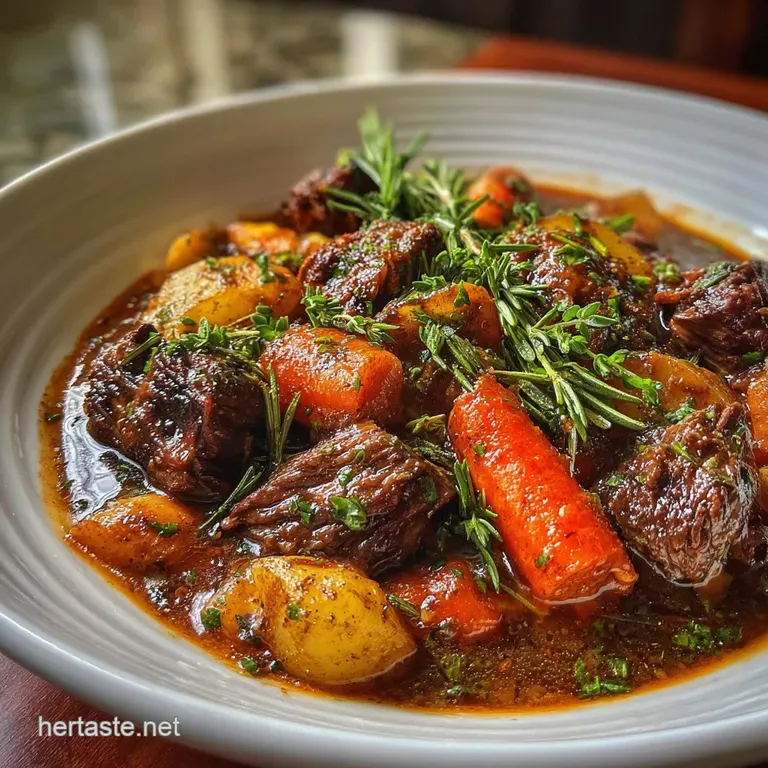
Why Your Stew is Too Thin
Sometimes, despite the flour and potatoes, the liquid stays a bit thin. This usually happens if the vegetables release more water than expected.
| Problem | Root Cause | Solution |
|---|---|---|
| Watery Sauce | Too much liquid or low starch | Mash two potato chunks back into the sauce |
| Tough Beef | Under cooked collagen | Cook for another 45 minutes on "Low" |
| Bland Flavor | Lack of acidity or salt | Add 1 tsp balsamic vinegar or more salt |
It's tempting to think you ruined it if the sauce isn't thick right away, but the potato trick is a lifesaver. Just take a fork, crush a few of those soft Yukon Golds against the side of the pot, and stir them in. The released starch acts as an instant thickener.
Common Mistakes Checklist
- ✓ Pat the beef completely dry before flouring (prevents a soggy coating)
- ✓ Don't overcrowd the skillet (sear in 2-3 batches to keep the heat high)
- ✓ Avoid the "High" setting if you have the time (low heat prevents the meat from seizing)
- ✓ Use low sodium broth (allows you to control the final salt level without it getting over salted)
- ✓ Let it rest after cooking (the "carryover" thickening is real)
Creative Flavor Profile Variations
If you want to deviate from the traditional red wine path, there are plenty of ways to tweak this beef stew recipe crock pot to fit your pantry.
The "No Wine" Umami Twist
If you're making this beef stew crock pot without wine, swap the 1 cup of wine for an extra cup of beef broth and add 1 tablespoon of soy sauce. The soy sauce provides the dark color and depth that the wine usually contributes.
The Pioneer Woman Inspired Kick
To get that Pioneer Woman beef stew crockpot vibe, add a teaspoon of sugar and a pinch of red pepper flakes. This creates a slightly sweeter, bolder sauce that pairs excellently with thick slices of buttered bread.
Budget Friendly Swaps
You don't always need the most expensive ingredients to get a great result. Sometimes, the shortcut version is just as satisfying for a weekday meal.
| Premium | Budget | Flavor Impact | Savings |
|---|---|---|---|
| Fresh Thyme/Rosemary | Dried Italian Seasoning | Slightly less "bright" but still savory | Save $4.00 |
| Beef Bone Broth | Beef Bouillon Cubes | Thinner mouthfeel, saltier | Save $3.50 |
| Cabernet Sauvignon | Balsamic Vinegar (2 tbsp) | Higher acidity, less fruitiness | Save $12.00 |
Scaling for a Crowd
Cutting the recipe in half: Use a smaller 3 quart slow cooker. Reduce the cooking time by about 20%, but keep a close eye on the beef tenderness around the 6 hour mark.
Doubling the recipe: This is great for parties, but you'll need an 8 quart slow cooker. Do not double the salt or Worcestershire sauce initially; start at 1.5x and adjust at the end. Liquids should be reduced by about 10% because less evaporation occurs in a larger, fuller pot.
Baking alternative: If your crock pot breaks, you can put this in a Dutch oven and bake at 300°F for about 3.5 hours. The result is almost identical, though you'll lose a bit more liquid to evaporation.
Debunking Slow Cooking Myths
"Searing meat seals in the juices." This is a classic kitchen myth that just won't die. Searing actually causes the meat to lose a bit of moisture due to the high heat. However, we do it for the flavor. The crust is where the soul of the stew lives.
"You can't overcook meat in a slow cooker." Oh, you absolutely can. If beef stays in the pot for 12+ hours, the fibers eventually break down so much that the meat becomes "mushy" rather than "tender." Aim for the 8 hour sweet spot.
"Alcohol always cooks off completely." In a closed slow cooker, very little evaporation happens. While the harsh "boozy" bite mellows, a significant amount of the alcohol remains. If you are serving someone who strictly avoids alcohol, use the broth/vinegar substitute instead.
Safe Handling and Reheating Tips
Storage: This stew actually tastes better the next day because the fats and aromatics have more time to marry. Store it in an airtight container in the fridge for up to 4 days.
Freezing: This is a fantastic freezer meal. Cool it completely before transferring to gallon sized freezer bags. It stays fresh for up to 3 months. Note: Potatoes can sometimes get a slightly grainy texture after freezing, but in a thick stew, it's barely noticeable.
Reheating: For the best texture, reheat on the stovetop over medium low heat. Add a splash of broth if the gravy has thickened too much in the fridge. Avoid the microwave if possible, as it can make the beef rubbery.
Zero Waste Tip: Don't throw away those herb stems! If you have leftover parsley or thyme stems, toss them into a freezer bag. When you have enough, use them to make a quick vegetable stock or add them to your next Crockpot Corned Beef recipe.
Sides to Complete the Meal
A heavy stew needs something to soak up that glorious gravy. While the potatoes are already in the pot, a side of crusty sourdough or French bread is almost mandatory for cleaning the bowl. If you want something a bit more substantial, serve it over a bed of buttered egg noodles or even creamy polenta.
If you’re looking for a lighter pairing, a crisp green salad with a sharp lemon vinaigrette helps cut through the richness of the beef. And for the ultimate comfort meal, you could even serve small portions alongside PanSeared Beef Medallions recipe if you're hosting a multi course dinner. Just remember to keep the portions balanced!
Recipe FAQs
What is the secret to a good beef stew?
Searing the meat deeply before slow cooking. The dark crust created through the Maillard reaction develops hundreds of new, complex flavor compounds that dissolve into the liquid over time.
Do you have to brown stew meat before putting it in the crock pot?
Yes, browning is crucial for flavor development, not for sealing juices. Searing creates the necessary umami foundation that wet meat simply steams into; skip this step and your stew will taste bland and grey.
What are the best ingredients for a beef stew?
Chuck roast, low sodium bone broth, and a dry red wine. Chuck roast contains the correct collagen-to-meat ratio that breaks down into gelatin, creating a rich mouthfeel and tender final texture.
Is it better to cook beef stew in crockpot on high or low?
Low is superior for texture and flavor meld. Cooking on Low for 8 hours allows the connective tissues to convert gently to gelatin, resulting in velvety meat, whereas High can cause the meat fibers to seize.
How to naturally thicken beef stew gravy without using flour or cornstarch?
Mash a few cooked potato chunks against the side of the pot. The starch released from the Yukon Golds acts as a natural emulsifier and thickener, creating a glossy sauce as the stew finishes cooking.
Can I substitute the red wine with something else in this recipe?
Yes, substitute with extra beef broth and a dash of acidity. Replace the wine with 1 cup of broth plus 2 tablespoons of balsamic vinegar to replicate the necessary depth and tartness required to balance the fat.
Is it true that slow cooking dissolves all the alcohol from the wine?
No, very little alcohol evaporates in a tightly sealed slow cooker. While the harsh "boozy" flavor mellows significantly, a substantial amount of alcohol will remain in the finished dish.
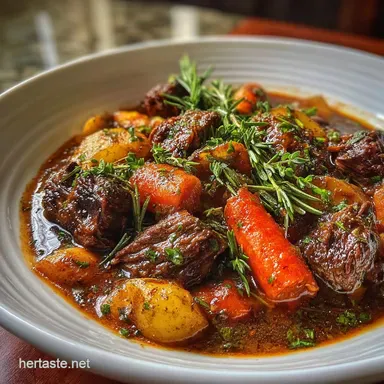
Crock Pot Beef Stew Recipe
Ingredients:
Instructions:
Nutrition Facts:
| Calories | 568 kcal |
|---|---|
| Protein | 32.1 g |
| Fat | 31.2 g |
| Carbs | 26.8 g |
| Fiber | 3.2 g |
| Sugar | 5.4 g |
| Sodium | 745 mg |
