Our Best Vegetarian Stirfry the Crispy Tofu Fakeaway Recipe
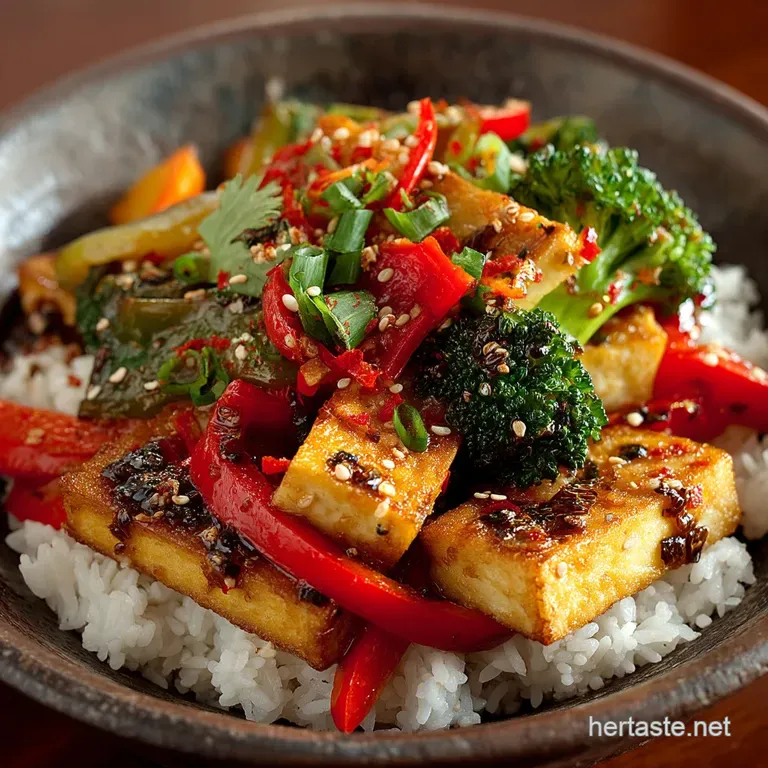
- Banish the Mush: Why This Vegetarian StirFry is Your New Fake-Away Hero
- Common Stir-Fry Mistakes (And How We Fix Them)
- Building the Flavor Base: Essential Ingredients for the Perfect Wok
- Gear Up: Tools Required for Maximum Heat Efficiency
- Mise En Place is Everything: Prepping for Your Speedy Vegetarian StirFry
- The Three-Step Sizzle: The Optimal Cooking Sequence
- Customizing Your Stir-Fry: Easy Swaps and Variations
- Practical Kitchen Advice: Storage, Reheating, and Nutrition Snapshot
- Recipe FAQs
- 📝 Recipe Card
Banish the Mush: Why This Vegetarian StirFry is Your New Fake Away Hero
The home cooked Vegetarian StirFry holds a unique place in weeknight cooking: it promises lightning speed and fantastic flavour. However, many home cooks struggle to replicate the vibrant texture found in restaurant style Asian cuisine.
Too often, the result is a watery, slightly steamed vegetable medley rather than the crisp tender masterpiece we crave. This particular vegetarian stir fry recipe is engineered to solve that problem.
By borrowing techniques essential to Cantonese high heat cooking specifically focusing on moisture control, meticulous chopping, and sequencing we transform humble ingredients into an Umami Powerhouse.
We are aiming for that elusive "Wok Hei" (the breath of the wok), a smoky, complex flavour achieved by rapid caramelization. This is your definitive guide to achieving the perfect, extra crispy texture in your Vegetarian Stir Fry , making fast food delivery entirely unnecessary.
Common Stir Fry Mistakes (And How We Fix Them)
Achieving truly fantastic results in high heat cooking means shifting focus from the ingredients themselves to the environment in which they cook. The typical errors overcrowding, low heat, and inadequate preparation all conspire to drop the pan temperature, forcing the vegetables to release their moisture and steam rather than sear.
We are implementing professional steps, starting with impeccable organization, to ensure the pan stays scorching hot from start to finish.
The "Wok Hei" Secret: Mastering High Heat Vegetable Cooking
"Wok Hei" is the flavour signature of authentic, high temperature frying, often described as a smoky, concentrated essence. Since most home stovetops can’t compete with commercial burners, achieving this requires discipline.
The primary fix is maximizing the heat available and ensuring that only small batches of ingredients are added at any one time. This preserves the intense heat gradient necessary to flash cook the vegetables, rapidly evaporating surface moisture before the interior cooks through, thereby guaranteeing that coveted al dente crunch.
Faster Than Delivery: Prep Time Management for the Win
The entire cooking process for this recipe takes a mere 12 minutes but the total preparation time clocks in at 35 minutes. This heavy front loading of effort is non-negotiable.
Because the cook time is so brief, there is absolutely no margin for error once the heat is on. Every single component, including the vegetarian stir fry sauce , the aromatics, and the vegetables, must be chopped, measured, grouped, and placed immediately next to the stovetop (this concept is known as Mise en Place ).
Proper prep ensures a seamless 12-minute execution.
The Ultimate Guide to Tofu Pressing for Max Crispness
Tofu, even the extra firm variety, is primarily composed of water. If you skip pressing, that water rushes out the moment the tofu hits the heat, resulting in a floppy, steamed texture.
Pressing the tofu for a minimum of 15 minutes expels this internal moisture, allowing the cubes to better absorb the cornstarch coating. This coating is critical; it creates a dry, sturdy shell that sears beautifully, giving the tofu the satisfying crunch required to stand up to the luscious vegetarian stir fry sauce .
Why Temperature Control Matters More Than Ingredients
While high-quality vegetarian stir fry ingredients are certainly appreciated, if the temperature drops below the optimum searing point (around 350° F / 175° C), the food will fail.
When frying, the size of your batches must be dictated by your stove’s power. If you overload the pan, the temperature drops dramatically, transforming the cooking method from dry-heat searing to wet-heat stewing.
Maintaining a constant, aggressive sizzle is the most important auditory cue that your technique is succeeding.
Building the Flavor Base: Essential Ingredients for the Perfect Wok
This dish achieves incredible depth using simple, fresh components. The foundation rests on a balanced trio: high protein tofu, a selection of vibrant, crunchy vegetables, and the powerful lift of fresh aromatics.
For the vegetables, we rely on the density of carrots and broccoli, which require longer exposure to heat, paired with the quick cooking bell peppers and bok choy. The freshness of minced garlic and ginger used generously is what truly defines the overall flavour profile of this Vegetarian Stir Fry .
Gear Up: Tools Required for Maximum Heat Efficiency
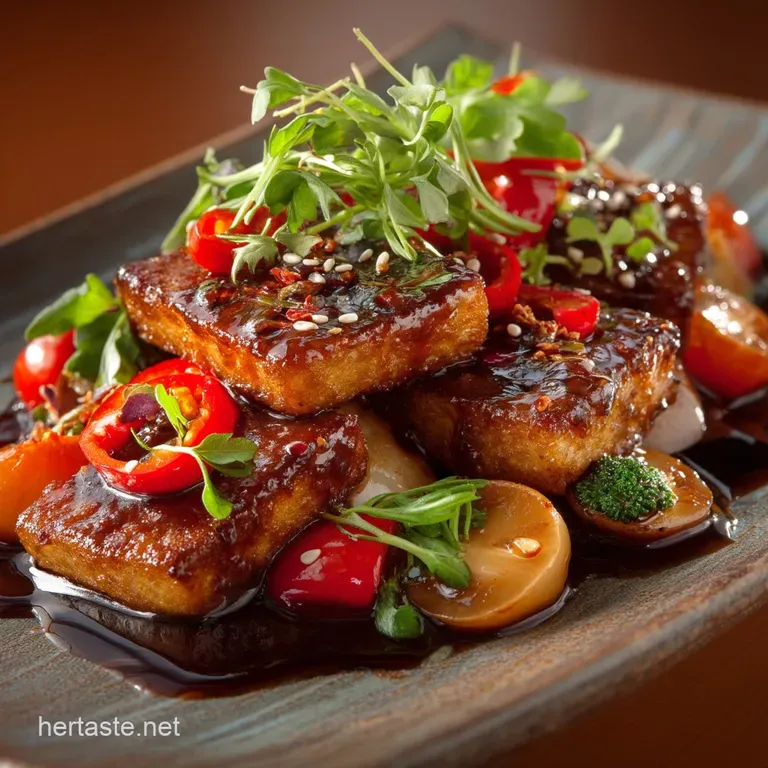
The right equipment can significantly enhance the success of your high heat cooking efforts, bridging the gap between a home stove and a restaurant kitchen.
Choosing Your Crunch: The Best Crisp Tender Vegetables (Bok Choy Focus)
Select vegetables that retain structure and colour under high heat. Carrots and broccoli are excellent choices due to their firmness. Our recipe specifically highlights bok choy, which is an ideal component but requires strategic handling.
The thick white stems of the bok choy are dense and need more cooking time, while the delicate green leaves wilt almost instantly. By separating and slicing the stems and holding the leaves until the very last minute, we ensure the entire vegetable finishes at the perfect crisp tender consistency.
Crafting the Umami Rich Sauce: Salt, Sweet, Acid Balance
The core secret to this intensely flavourful vegetarian stir fry sauce recipe lies in balancing the three primary tastes. Low-sodium soy sauce (or Tamari) provides the crucial salty, savoury umami base. Rice vinegar introduces necessary acidity to brighten the dish and cut through richness.
Finally, maple syrup or agave nectar offers a clean sweetness that aids in caramelization. The addition of cornstarch is the thickening agent, ensuring the sauce rapidly coats the tofu and vegetables, transforming into a glossy lacquer rather than a watery liquid.
The Wok or the Skillet? Selecting Your High Heat Cookware
A traditional wok is the preferred tool. Its deep, sloped sides allow for continuous movement of ingredients and create varied heat zones hottest at the bottom, cooler towards the rim which is ideal for rapid tossing.
If a wok is unavailable, you must substitute it with the largest, heaviest 12 inch frying pan you own. A heavy bottom is crucial as it retains heat far more effectively than thin pans, preventing the temperature from plummeting when cold vegetables are introduced.
Pantry Checklist: Aromatics and Oils You Cannot Skip
For cooking, you need a high smoke-point, neutral oil like canola or grapeseed. Do not attempt to cook the entire dish in sesame or olive oil, as they will burn under the required temperature. For flavour, fresh aromatics garlic and ginger are absolutely mandatory.
They are the initial flavour catalyst that defines the entire dish. Toasted sesame oil is only added to the vegetarian stir fry sauce (off the heat) to provide a rich, nutty finish, not for the searing stage.
Related Recipes Worth Trying
- The Wok Star Speedy Chicken Veggie Rice Noodle StirFry — Master the perfect nonsticky Rice Noodle Stir Fry with this easy recipe Featuring a vibrant sauce recipe and tender chicken dinner is ready in 35 minutes
- Quick Wok Wonders Speedy Rice Noodle StirFry Recipe — Ditch the takeaway menu This authentic Rice Noodle StirFry recipe is ready in 30 minutes featuring perfectly slippery noodles and a zingy soyginger sauce A...
- Authentic Lomo Saltado Recipe Quick Peruvian Beef StirFry — Master this iconic Peruvian Beef StirFry in under 40 minutes Get the secret to that smoky wok flavour and glossy Lomo Saltado sauce recipe perfect for...
Mise En Place is Everything: Prepping for Your Speedy Vegetarian StirFry
As noted, the 35-minute preparation period is where the heavy lifting occurs. Before you even turn on the burner, your kitchen counter should look like a professional assembly line. This includes pressing the tofu, cubing it, and tossing it in cornstarch.
Crucially, all the vegetables must be grouped into bowls based on their required cooking time: hard vegetables (carrots, broccoli), medium vegetables (bell peppers, bok choy stems), and delicate vegetables (bok choy leaves). The pre-mixed sauce must also be ready, sitting right next to the wok.
The Three Step Sizzle: The Optimal Cooking Sequence
Executing the cooking sequence precisely ensures every ingredient reaches its ideal texture. This is a sequence of intense, rapid additions and removals from the high heat.
The Art of the Perfect Tofu Crust: Coating and Initial Searing
The first stage involves searing the cornstarch coated tofu. By placing the cubes in hot oil and resisting the urge to move them too soon, we allow the cornstarch to form a durable, golden crust. This ensures the tofu maintains its shape and crunch throughout the rest of the high energy cooking process.
Once seared, the tofu must be removed immediately to prevent overcooking or becoming soggy when the subsequent vegetables release moisture.
Cutting Techniques: Ensuring Uniform Cooking Time
Consistency in chopping is not merely for aesthetics; it directly impacts the final texture. Harder vegetables, like carrots, should be sliced thinly on the bias to increase their surface area, which helps them cook faster. Broccoli should be cut into small, uniform florets.
By ensuring every piece of the vegetarian stir fry ingredients is roughly the same size and shape, we eliminate the risk of finding hard chunks mixed in with soft pieces.
Loading the Wok: Cooking the Aromatics and Hard Vegetables First
The second stage begins with building the flavour foundation. Fresh oil is added to the smoking hot wok, followed immediately by the minced ginger and garlic. These aromatics must only be cooked for 30 45 seconds until intensely fragrant any longer and they burn.
Immediately follow with the hard vegetables (carrots and broccoli). These are stir fried vigorously for three minutes, allowing them to soften slightly before the medium density vegetables (bell peppers and bok choy stems) are added for another two minutes.
The Final Toss: Introducing the Sauce and Finishing the Dish
The final phase brings everything together. The crispy tofu is returned to the pan just before the sauce is poured in. Remember to give the vegetarian stir fry sauce a quick whisk right before adding it, as the cornstarch settles quickly.
The high heat reacts instantly with the cornstarch, thickening the sauce in less than a minute and creating that glossy coating. The bok choy leaves are introduced last, tossed just until they turn vibrant green and wilt slightly, ensuring they maintain maximum freshness and flavour.
Customizing Your Stir Fry: Easy Swaps and Variations
This core technique is highly adaptable. If you are looking for a deeper earthiness, consider swapping the broccoli for shiitake or oyster mushrooms, creating a fantastic Asian Mushroom Stir fry Recipe . This Mushroom Stir Fry variation offers incredible natural umami.
Other easy substitutions include swapping the tofu for chickpeas or edamame, or adjusting the flavour profile entirely by adding two tablespoons of natural peanut butter and a teaspoon of lime juice to the sauce for a rich, satay style meal.
Practical Kitchen Advice: Storage, Reheating, and Nutrition Snapshot
Managing leftovers and catering to specific dietary requirements ensures this recipe becomes a permanent part of your repertoire.
gluten-free and Soy-Free Adjustments for the Sauce
The primary gluten concern lies in the soy sauce. To ensure the vegetarian stir fry sauce recipe is entirely gluten-free, substitute low-sodium soy sauce with Tamari. For those avoiding soy entirely, liquid coconut aminos makes an excellent, though slightly sweeter, substitute.
These simple swaps allow anyone to enjoy this vibrant meal.
Adding Grains or Noodles: Serving Suggestions
While delicious on its own, this dish pairs perfectly with a carbohydrate base to soak up the luxurious sauce. Serving the Vegetarian StirFry over fragrant jasmine rice or brown rice provides a necessary counterpoint to the rich, savoury flavour.
Alternatively, for those craving texture, you can turn this into a full noodle dish by preparing vegetarian stir fry noodles separately like udon or lo mein and serving the stir fry on top.
Best Practices for Storing Leftovers (Preventing Further Soggy Texture)
The inherent challenge of storing stir fry is texture degradation, as the vegetables continue to release moisture over time. To minimize this, store leftovers in an airtight container in the refrigerator for up to three days. For reheating, skip the microwave.
Instead, reheat small portions in a dry, hot skillet or wok for 2– 3 minutes, tossing constantly. This quick, high heat method will revitalize the crispness, though it won't be quite as snappy as the first serving.
Macro Breakdown: Understanding the Nutritional Benefits of This Meal
This meal is a nutritional powerhouse. Thanks to the extra firm tofu, a single serving provides a hefty dose of protein (approximately 22g), making it incredibly satisfying. The diversity of vegetables ensures high fibre content (around 7g per serving) and a wealth of micronutrients.
While the vegetarian stir fry sauce contains some natural sugar from the maple syrup, the overall balance of macros makes this a complete, healthy, and satisfying meal clocking in around 380 calories per serving.
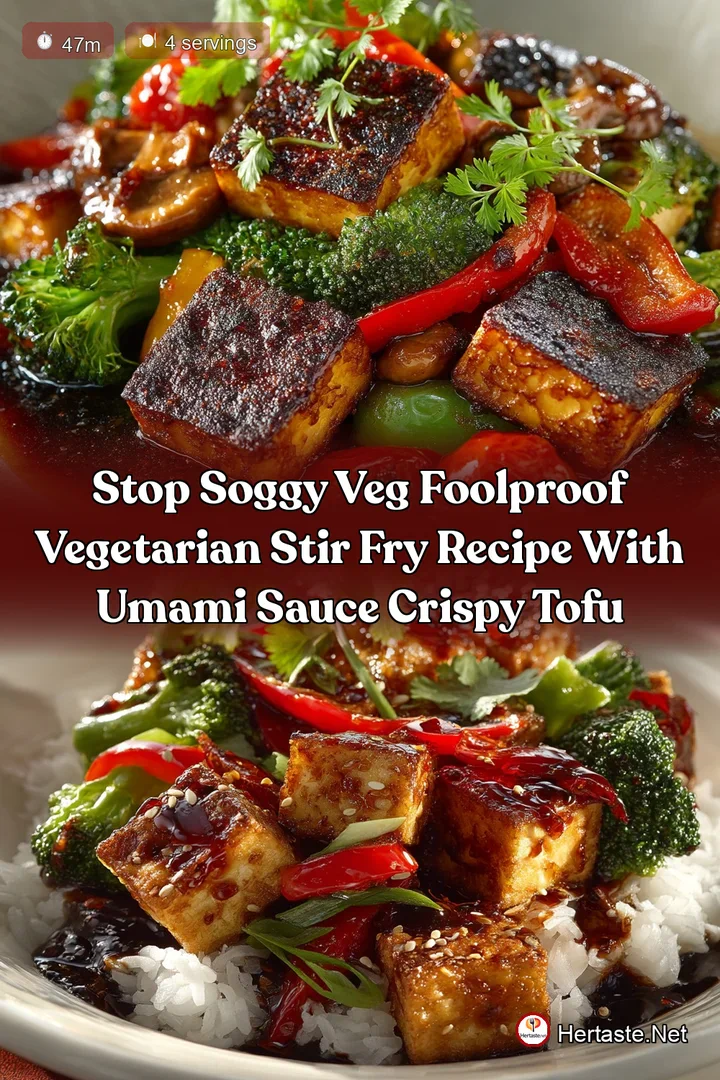
Recipe FAQs
Right, my last attempt was a bit of a soggy bottom. How do I stop my Vegetarian StirFry vegetables from getting mushy?
The key to avoiding a soggy disaster is getting 'Wok Hei,' or high heat, mate! If your pan isn't screaming hot when the vegetables hit it, they will steam instead of frying. You also absolutely must avoid overcrowding the wok; if you’re cooking for a crowd, do it in small batches, otherwise, the temperature drops quicker than a lead balloon and you’ll end up stewing the veg.
That crispy tofu sounds bang on, but is pressing it really necessary or can I skip that step?
Absolutely, pressing the tofu is non-negotiable if you want that proper crunch! Tofu holds an awful lot of water, and if you skip this stage, it releases steam into the oil, preventing it from crisping up nicely.
Pressing for at least 15 minutes allows the cubes to absorb the cornflour coating properly, giving you that delightful golden, fake away texture we are aiming for.
I haven't got bok choy or broccoli, what are some suitable replacements for a quick fix?
Don't fret if the larder is looking a bit sparse; stir fries are incredibly forgiving! You can easily swap bok choy for thinly sliced white cabbage or even a generous handful of spinach (add right at the very end).
For the broccoli, try using sliced mushrooms, which absorb the umami sauce wonderfully, or substitute with green beans.
My sauce looks a bit thin and watery after I’ve finished cooking. What’s the culprit?
If the sauce is too runny, it usually means the cornflour hasn't had enough high heat time to activate and thicken, or perhaps the vegetables released too much residual water. Ensure you give the pre-mixed sauce a vigorous final whisk right before adding it to the wok.
If you are desperate for thickening, mix a tiny spoonful of cornflour with cold water in a small cup (a slurry) and stir it into the bubbling sauce for 30 seconds until glossy and beautifully viscous.
Can I make this whole dish ahead of time for lunch the next day?
You certainly can, but stir fries are truly best eaten immediately when the vegetables are still crisp and the tofu is hot. If you do store leftovers, the sauce will thin slightly, and the vegetables will inevitably soften.
Keep them in an airtight container for up to three days, and try to reheat them quickly in a very hot pan, steering clear of the microwave if you want to retain any semblance of texture.
Crispy Tofu Vegetarian Stirfry
Ingredients:
Instructions:
Nutrition Facts:
| Calories | 4192 kcal |
|---|---|
| Protein | 19.8 g |
| Fat | 94.1 g |
| Carbs | 150.1 g |
| Fiber | 28.1 g |
| Sodium | 2027 mg |
