The Best Hummus Recipe for Silky Texture
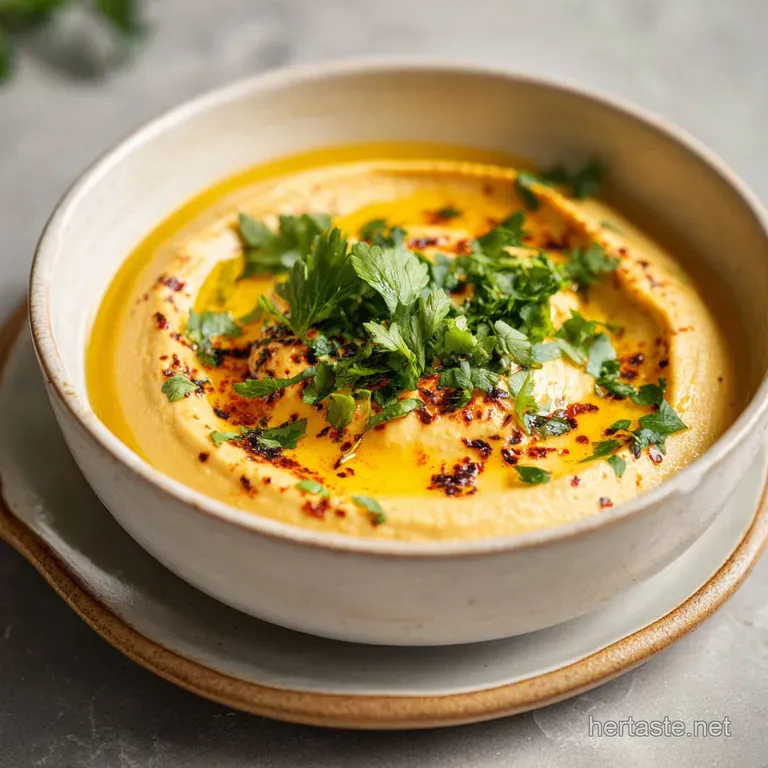
- Time: Active 20 mins, Passive 45 mins, Total 1 hours 5 mins
- Flavor/Texture Hook: Silky, nutty, and incredibly velvety
- Perfect for: Healthy meal prep, Mediterranean dinner parties, or a beginner friendly dip
- Achieving Creamy Perfection with the Best Hummus Recipe
- Science Behind the Silky Emulsion
- Essential Specs and Yield Data
- High Quality Component Selection
- Minimal Tools for Maximum Creaminess
- Precise Step-by-Step Preparation Guide
- Resolving Common Technical Errors
- Smart Substitutes and Flavor Twists
- Freshness Maintenance and Storage Tips
- Flavorful Pairings and Serving Suggestions
- Recipe FAQs
- 📝 Recipe Card
Achieving Creamy Perfection with the Best Hummus Recipe
Right then, let's talk about that moment when you realize everything you knew about a dish was wrong. I remember standing in my kitchen, staring at a bowl of what I thought was great hummus, only to realize it was actually a gritty, thick paste that felt like wet sand on the tongue. It was frustrating.
I’d followed the "standard" steps, yet it lacked that ethereal, airy quality you find in the narrow alleyways of old Jerusalem or a high end Lebanese bistro.
The breakthrough happened when I stopped treating the chickpeas like vegetables and started treating them like a science experiment. I stopped rushing the process. You’ll find that the best hummus recipe isn't about fancy additions or rare spices; it's about how you treat the humble legume and how you forge an emulsion between fat and water.
The aroma of toasted sesame hitting fresh lemon juice is your first sign that you're on the right path.
We’ve all made the mistake of thinking canned beans are "good enough." Trust me on this, if you want that velvety, melt on-the tongue sensation, you have to start with dried chickpeas.
We’re going to break down the skins, whip the tahini into a pale mousse, and use a couple of ice cubes to shock the mixture into submission. It sounds like extra work, but it’s actually quite simple once you see the transformation happen in the blender.
Science Behind the Silky Emulsion
Alkaline Pectin Breakdown: Adding baking soda to the soaking and boiling water raises the pH level, which weakens the pectin bonds in the chickpea skins, allowing them to dissolve and mush completely.
Thermal Shock Aeration: Dropping ice cubes into the warm tahini mixture creates a rapid temperature shift that traps tiny air bubbles, resulting in a lighter, fluffier texture.
Saponin Emulsification: Chickpea cooking water (aquafaba) contains natural proteins called saponins that act as a stabilizer, helping the fat from the 150g premium hulled tahini bind with the 60ml freshly squeezed lemon juice without separating.
| Cook Method | Prep Time | Resulting Texture | Best For |
|---|---|---|---|
| Traditional Stovetop | 45 minutes | Ultra creamy and soft | Achieving the ultimate smooth finish |
| Pressure Cooker | 20 minutes | Dense but tender | Fast results when short on time |
| Slow Cooker | 4 hours | Very soft, slightly nutty | Set it and forget it meal prep |
The choice of method depends on your schedule, but the stovetop method remains my favorite for controlling the exact level of "mushiness" required. You want those chickpeas to practically vanish when pressed between your fingers. If you're planning a full Mediterranean spread, this dip pairs beautifully with the herbaceous notes found in The Real Deal recipe for a fusion twist that always gets guests talking.
Essential Specs and Yield Data
| Metric | Target Value | Significance |
|---|---|---|
| Chickpea Softness | 0 resistance | Ensures no graininess in the final whip |
| Tahini Ratio | 60% of bean weight | Provides the characteristic rich, nutty backbone |
| Final Temperature | 65°F (18°C) | The "Goldilocks" zone for the most stable emulsion |
high-quality Component Selection
| Ingredient | Science Role | Pro Secret |
|---|---|---|
| Dried Chickpeas (250g) | Primary protein and starch | Never use old beans; they won't soften even with baking soda |
| Hulled Tahini (150g) | Fat source for emulsion | Look for Lebanese or Israeli brands that pour like heavy cream |
| Baking Soda (1 tsp) | pH adjuster | Split the dose: half for soaking, half for the actual boil |
- 250g dried chickpeas: Essential for texture. Why this? Canned beans are too firm and have a metallic aftertaste.
- 1 tsp baking soda: Use half for the soak. Why this? It chemically disintegrates the stubborn chickpea skins.
- 150g premium hulled tahini: Use a pourable brand. Why this? high-quality tahini is less bitter and much smoother.
- 60ml freshly squeezed lemon juice: Adds necessary acidity. Why this? Bottled juice lacks the bright, enzymatic "pop" of fresh fruit.
- 2 cloves garlic: Freshly minced. Why this? It mellows out when processed with the lemon juice.
- 0.5 tsp ground cumin: Earthy depth. Why this? It bridges the gap between the nutty tahini and savory beans.
- 2 ice cubes: For the whip. Why this? They provide moisture and air for a mousse like finish.
Minimal Tools for Maximum Creaminess
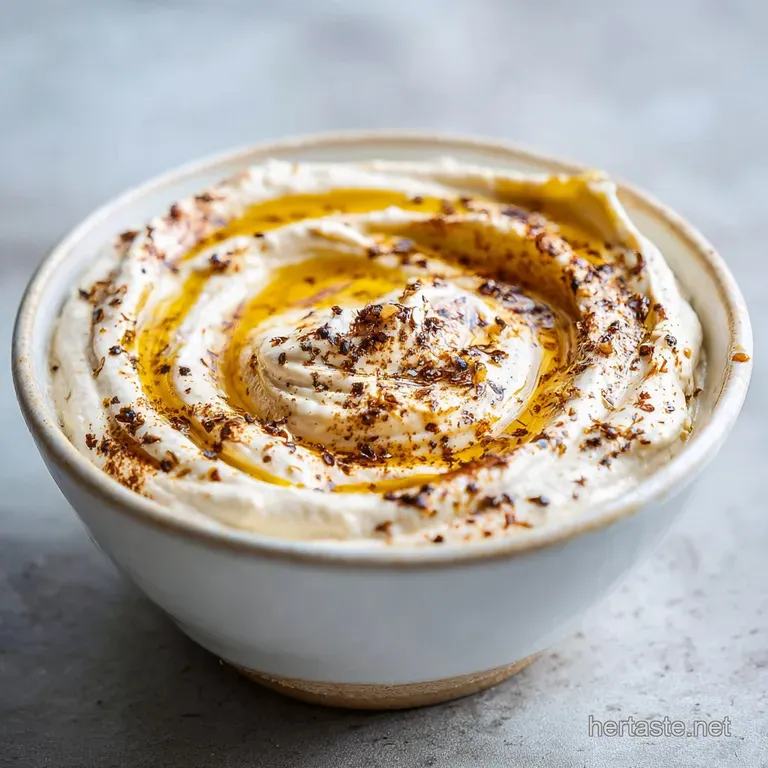
Honestly, don't even bother with a mortar and pestle for this specific style. While traditional, it won't give you the "cloud" texture we’re after. You need a high speed food processor or a powerful blender.
If you have a stand mixer, you can actually use the whisk attachment for a final fluffing, but it’s usually overkill.
A heavy bottomed pot is also vital for the chickpeas. You want even heat distribution so the 250g dried chickpeas cook uniformly without some remaining hard while others turn to paste.
Finally,, a fine mesh strainer is your friend for rinsing away the excess baking soda and any loose skins that float to the top during the boil.
Precise step-by-step Preparation Guide
- Soak the chickpeas. Place 250g dried chickpeas in a large bowl with 0.5 tsp baking soda and cover with water. Note: This hydrates the starch molecules deeply.
- Rinse and boil. Drain the beans, put them in a pot with the remaining 0.5 tsp baking soda, and cover with fresh water. Note: The soda helps the skins slip off.
- Simmer until mushy. Cook for 45 minutes until the chickpeas are falling apart. Note: They should be softer than you think is "done."
- Drain and cool. Strain the beans but do not rinse them too much. Note: The residual heat helps the starch incorporate later.
- Process the aromatics. Combine 60ml lemon juice, 2 cloves minced garlic, and 1 tsp sea salt in the blender. Note: Letting the garlic sit in lemon juice removes the harsh bite.
- Add the tahini. Pour in 150g tahini and blend until the mixture turns thick and pale. Note: It will look like it has "seized," which is normal.
- Shock with ice. Throw in 2 ice cubes and blend until the mixture is smooth and creamy. Note: This is where the magic aeration happens.
- Incorporate the beans. Add the cooked chickpeas and 0.5 tsp cumin to the blender. Note: Process for at least 3-4 minutes for ultimate silkiness.
- Stream in oil. Slowly add 30ml extra virgin olive oil while the motor is running until a glossy sheen appears.
- Final garnish. Spread onto a plate, creating a well in the center, and dust with 1 tsp sumac and fresh parsley.
Resolving Common Technical Errors
Hummus is Grainy or Sandy
This is almost always due to undercooked chickpeas. Even if they are edible, they need to be over cooked for hummus. If you’ve already started blending, the only fix is to add a tablespoon of boiling water and process for another 5 minutes.
Next time, make sure those beans are practically a puree before they hit the blender.
The Flavor is Flat
If your hummus tastes "okay" but doesn't sing, it usually needs more acid or salt. The 60ml lemon juice is a baseline; some lemons are less acidic than others. Add salt in tiny increments. Salt doesn't just make it salty; it "forges" the connection between the cumin and the nutty tahini.
| Problem | Root Cause | Solution |
|---|---|---|
| Bitter Aftertaste | Low quality tahini or over processed garlic | Add a pinch of sugar or more lemon juice to balance |
| Too Thick/Heavy | Lack of moisture or cold fat | Add one more ice cube or a splash of warm water |
| Grey Color | Oxidation or old chickpeas | Ensure lemon juice is fresh and beans were fully submerged |
Common Mistakes Checklist
- ✓ Never skip the baking soda; it's the only way to dissolve the cellulose in the skins.
- ✓ Avoid using cold water; warm chickpeas blend into a much smoother emulsion.
- ✓ Don't rush the blending; a full 5 minutes in the processor is what creates the "shatter proof" silkiness.
- ✓ Taste for salt only at the very end, as flavors concentrate as the mixture cools.
- ✓ Ensure your tahini is well stirred in the jar before measuring to include all the healthy oils.
Smart Substitutes and Flavor Twists
If you find yourself out of certain staples, don't panic. While the 150g premium hulled tahini is the soul of an authentic Lebanese version, you can adapt. For a more substantial meal, I often serve this alongside my Veggie Burrito Bowls recipe — the creaminess of the hummus is a brilliant contrast to the spicy chipotle notes.
| Original Ingredient | Substitute | Why It Works |
|---|---|---|
| Tahini (150g) | Cashew Butter (150g) | Similar fat content. Note: Sweeter than tahini, lacks the bitter edge. |
| Lemon Juice (60ml) | Lime Juice (60ml) | High acidity. Note: Adds a more tropical, sharp profile. |
| Dried Chickpeas | Canned Chickpeas (2 tins) | Convenient. Note: Must boil them for 20 mins with soda to soften. |
For a bold twist, try the "Beet Red" variation. Simply blend one small roasted beet into the final mixture. It won't significantly change the flavor profile, but it will turn the dish a vibrant, electric pink that looks incredible on a platter.
If you're looking for a nut free option for schools, toasted sunflower seed butter is a surprisingly close match for tahini's earthy depth.
Freshness Maintenance and Storage Tips
Storing your hummus correctly is the difference between a fresh snack and a fridge smelling paste. Always store it in an airtight glass container. To prevent a skin from forming on the surface, pour a thin film of extra virgin olive oil over the top before sealing. This creates a fat barrier that keeps the air out.
- Storage
- Keep in the fridge for up to 5 days. It actually tastes better on day two once the garlic and cumin have had time to marry.
- Freezing
- You can freeze hummus for up to 3 months! Just be aware that the emulsion might break slightly. When you thaw it, give it a vigorous whip with a spoon or a quick 30 second pulse in the blender with a drop of warm water to restore the texture.
- Zero Waste
- Don't throw away that chickpea soaking water if you're feeling adventurous! It’s called aquafaba and can be whipped into vegan meringues or used as an egg replacer in baking. Even the lemon rinds can be tossed into a jar of vinegar to create a natural kitchen cleaner.
Flavorful Pairings and Serving Suggestions
This dish is a chameleon in the kitchen. While a warm piece of pita bread is the classic vehicle, I love using it as a base for roasted vegetables. Imagine a spread of this velvety dip topped with charred cauliflower, toasted pine nuts, and a drizzle of pomegranate molasses.
It’s a complete meal that feels like a celebration.
If you’re hosting, try the "Deconstructed Topping" approach. Instead of mixing everything in, keep the 30ml extra virgin olive oil and 1 tsp sumac for the very end. Add a handful of whole, cooked chickpeas in the center for a texture contrast.
The visual of the bright red sumac against the pale cream hummus is a simple way to make the dish look professional without any extra tools.
Wait, did I mention the temperature? Never serve this straight from the fridge. Let it sit on the counter for 15 minutes to take the chill off. Cold fat masks flavor, and you want your guests to taste every nutty, citrusy note you worked so hard to forge.
Trust me, the texture becomes twice as light once it hits room temperature.
1. Scaling the Recipe Down
If you're cooking for one, you can easily halve this. Use a smaller blender jar if possible to ensure the blades can properly catch the 75g of tahini. Reduce the cooking time for the chickpeas by about 10 minutes since the smaller mass heats through faster.
2. Doubling for a Crowd
When doubling to 500g of dried chickpeas, only increase the salt and cumin to 1.5x the original amount. Spices can become overwhelming in large batches. Also, work in two batches during the blending phase to avoid overheating your food processor motor.
3. The Baking Soda Myth
Some people worry that baking soda makes the beans taste "soapy." This only happens if you don't rinse them properly or if you use too much. Stick to the 1 tsp limit for 250g of beans, and you’ll only taste the creamy results, not the chemistry.
4. Searing the Garlic
A quick tip for those who find raw garlic too intense: sauté the minced cloves in the 30ml olive oil for just 60 seconds before adding them to the blender. This mellows the "allicin" heat while retaining the aromatic sweetness. It’s a game changer for sensitive palates.

Recipe FAQs
What is the secret to good hummus?
Overcooking the chickpeas until they are completely mushy. This breaks down the skins, which is the primary source of grit in subpar batches.
How do restaurants make hummus so creamy?
They process the tahini and lemon juice first until it’s a light, airy mousse. This process, combined with using ice water or cubes, traps air and creates the signature velvety texture that mimics professional stabilization techniques; mastering this emulsion is key, similar to how you would stabilize a sauce in our Creamy Green Bean Casserole recipe.
How to make the perfect hummus?
Soak dried chickpeas overnight with baking soda, then boil them with more baking soda until they dissolve easily. Always blend the tahini mixture separately until pale before adding the beans and processing for a full 4-5 minutes.
Why can't you eat hummus after 7 days?
No, it’s safe, but quality degrades significantly after 5 days. The fresh lemon and garlic flavors dull, and the texture often tightens up when stored too long, losing that perfect airiness.
Should I use canned chickpeas or dried for the best result?
Always use dried chickpeas for superior texture. Canned beans retain a firmer structure and often carry a slight metallic aftertaste that resists the creamy breakdown required for perfect hummus.
Is it true you must use a food processor, not a blender, for the creamiest texture?
No, this is a common misconception. A high powered blender can achieve superior results, provided you process the ingredients in stages, especially whipping the tahini mixture first.
What is the best way to enhance the savory depth of homemade hummus?
Toast the cumin lightly before adding it, or deepen the fat base. Swapping a portion of the olive oil for browned butter or incorporating a highly savory base like slow cooked onions can add complexity, much like developing a deep flavor profile in a long simmered sauce like our Meat Sauce Recipe.
Creamy Hummus Recipe Secrets

Ingredients:
Instructions:
Nutrition Facts:
| Calories | 258 kcal |
|---|---|
| Protein | 9.1 g |
| Fat | 15.2 g |
| Carbs | 23.2 g |
| Fiber | 7.1 g |
| Sugar | 1.2 g |
| Sodium | 315 mg |
