The Big Easy Buzz Creamy Cajun Shrimp Linguine
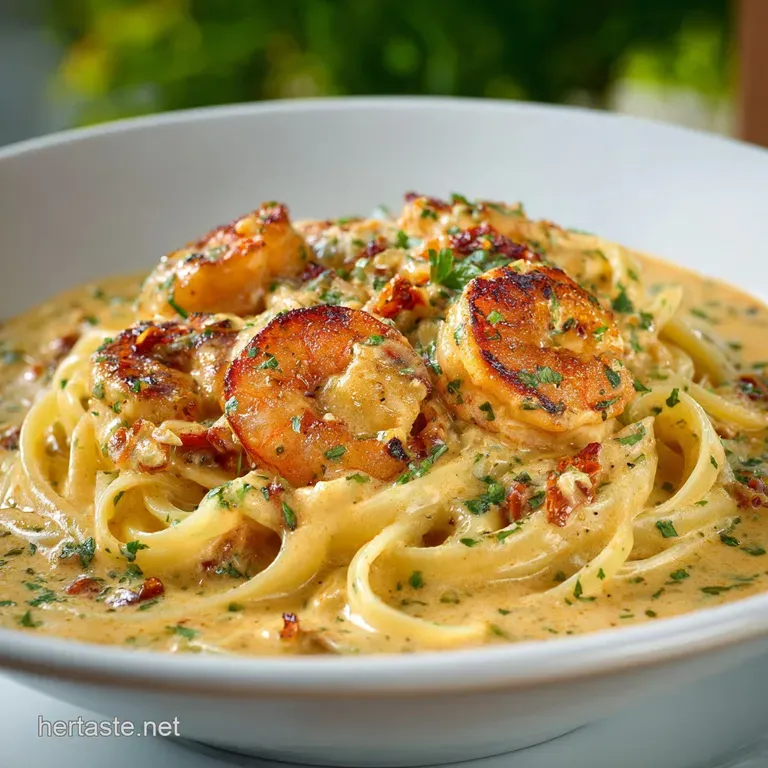
- Capturing the Soul of Louisiana: Why This Recipe Shines
- Essential Components for Authentic Bayou Flavor
- Tools of the Trade: Equipment You'll Need
- Blueprint for Success: Crafting Your Creamy Cajun Shrimp Linguine
- Troubleshooting and Pro Tips from the Chef’s Kitchen
- Customizing Your Dish: Variations and Substitutions
- Recipe FAQs
- 📝 Recipe Card
Capturing the Soul of Louisiana: Why This Recipe Shines
This Cajun Shrimp Linguine Recipe is more than just a weeknight dinner; it is an immediate transportation system to the heart of the bayou, delivering soulful, deep flavor in under an hour.
We’re taking plump, succulent shrimp, coating them in a fiery, earthy spice blend, and then folding them into the most luxurious, deeply flavored cream sauce imaginable. Unlike lighter pasta dishes, this Cajun Shrimp Linguine offers a magnificent contrast: the subtle sweetness of the perfectly seared 1.5 lbs of shrimp against a smoky, spicy, and outrageously rich base built from scratch.
It truly showcases how complex Creole inspired cuisine can be without demanding hours of labour. When executed correctly, this dish easily rivals the richness of the famous Cajun Shrimp Linguine Red Lobster but with far fresher, brighter notes.
The Secret Behind the Velvety Cream Sauce
The hallmark of this outstanding pasta dish is its smooth, luscious sauce a true Cajun Shrimp Linguine Alfredo style base. The foundation relies on gently sautéing the diced yellow onion and green bell pepper in rich unsalted butter.
Crucially, the sauce is thickened early on using a quick roux of butter and just 1 tablespoon of all-purpose flour combined with a touch of tomato paste, which adds invaluable depth and color.
However, the ultimate secret to achieving that professional, non-split velvet texture is two-fold: meticulous deglazing with dry white wine to capture the caramelized flavour from the pan bottom (the fond ), and the skillful incorporation of reserved, starchy pasta water at the very end to perfectly emulsify the heavy cream and Parmesan.
Spice Level Adjustment: Finding Your Perfect Heat
The heat profile of this Cajun Prawn Linguine is entirely customizable through the quality and quantity of the Cajun seasoning blend used. The recipe calls for 2 tablespoons of seasoning, which provides a comfortable, medium heat for most palates.
If you prefer a milder approach, start by tossing the shrimp with only half a tablespoon and use just half a tablespoon in the sauce base, tasting before adding more. For a truly fiery rendition, don’t hesitate to incorporate a dash of cayenne pepper directly into the spice blend alongside the standard 2 tablespoons.
Since this blend is added in two stages first to the shrimp, then to the aromatics you have total control over the ultimate warmth of your plate.
Cajun Shrimp Linguine: Faster Than Delivery, Tastier Than Takeout
If you are looking for satisfying Shrimp Recipes Easy enough for a Tuesday night, look no further. Despite its depth of flavor and appearance of complexity, this entire Shrimp Linguine Recipe can be prepped in 20 minutes and cooked in just 25 minutes, bringing the total table time to a mere 45 minutes.
The beauty lies in the simultaneous preparation: while the 12 oz linguine is cooking, the shrimp are seasoned, seared, and set aside. By the time the pasta reaches the al dente stage, the rich sauce base is nearly complete, making this one of the quickest and most rewarding Shrimp Dishes you can master for instant weeknight gratification.
Essential Components for Authentic Bayou Flavor
To truly capture the authentic essence of Louisiana cooking, focusing on high-quality ingredients is key. Start with 1.5 lbs of large, impeccably fresh shrimp, which provide the bulk and protein.
The foundation of the sauce requires the careful sautéing of the essential aromatics the diced onion and bell pepper which provides the sweet, savoury base inherent to regional cooking. Four cloves of minced garlic intensify this base immediately before we "bloom" the Cajun seasoning.
The liquid components are robust: 1 cup of heavy cream provides the necessary fat for luxurious texture, while the combination of 1/2 cup chicken stock and 1/2 cup dry white wine provides the necessary acidic lift and complexity during the deglazing phase.
Finally, the fresh lemon juice, added at the very end, is a crucial finishing component that brightens the richness of the dairy and seasoning.
Tools of the Trade: Equipment You'll Need
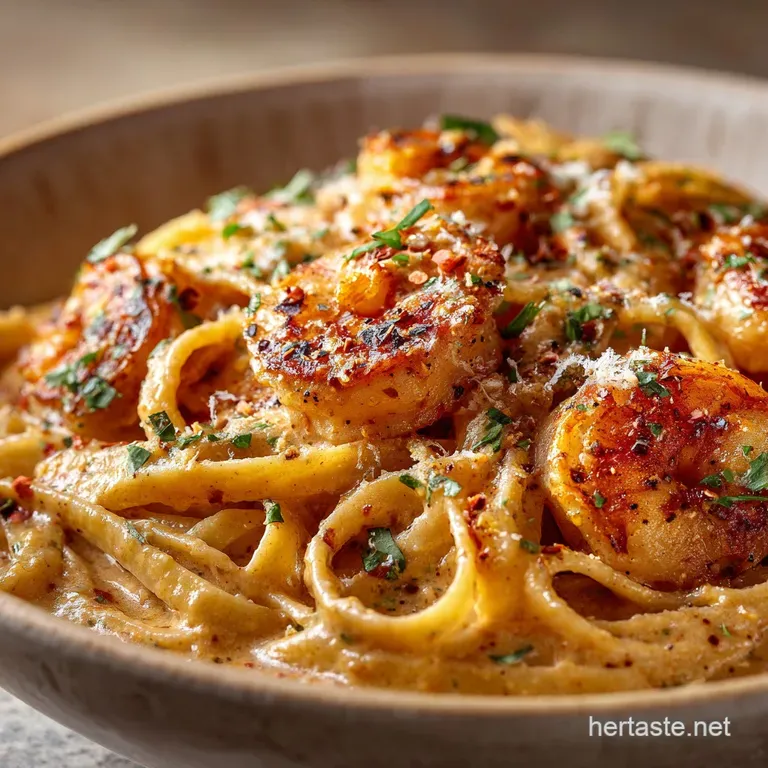
While this dish is straightforward, having the correct equipment makes the process seamless and guarantees success. You will need a large stockpot dedicated solely to boiling the generously salted water for the 12 oz of linguine.
For searing the 1.5 lbs of shrimp and building the sauce, a large, heavy bottomed skillet or a Dutch oven (preferably 12 inches minimum) is indispensable. A heavy base ensures even heat distribution, which is vital for achieving a perfect sear on the shrimp and preventing the delicate cream sauce from scorching while it simmers.
Plus,, a sturdy set of tongs is required for tossing the pasta effectively, and a fine grater or microplane is highly recommended for ensuring the 1/2 cup of Parmesan cheese melts instantly and smoothly into the sauce.
Mastering the Homemade Cajun Seasoning Blend
The lifeblood of any Cajun Seafood Linguine is its seasoning. While a high-quality store-bought blend works well, the blend’s effectiveness lies in how it’s utilized.
We divide the 2 tablespoons of seasoning: half is tossed immediately with the patted dry shrimp and a tablespoon of olive oil to form a beautiful, flavourful crust during searing. The remaining half is added to the sautéed onions and peppers along with the minced garlic and tomato paste.
This step, known as "blooming," utilizes the hot fat to release the essential oils and deepen the flavor profile of the spices before the liquid is introduced, locking in that signature smoky, earthy heat.
Selecting and Prepping the Perfect Shrimp
The success of the 1.5 lbs of shrimp hinges entirely on proper preparation and quick cooking. Always opt for large or jumbo shrimp, ensuring they are peeled, deveined, and that the tails are removed for easy eating. The single most important prep step is patting the shrimp absolutely dry with paper towels.
Any surface moisture will cause the shrimp to steam rather than sear, hindering the development of that flavourful crust created by the Cajun seasoning. Remember, these plump proteins cook incredibly fast approximately 1.5 to 2 minutes per side and must be removed from the heat before they are fully opaque to prevent a rubbery texture.
Dairy Decisions: Choosing the Right Heavy Cream
When crafting a rich dish like Cajun Shrimp Linguine Alfredo , the type of cream is critical for achieving stability and luxury. We rely on 1 cup of heavy cream, sometimes referred to as double cream.
Heavy cream has a minimum fat content (usually 36% or higher), which is essential for creating a stable emulsion that resists splitting or curdling when mixed with acidic ingredients (like wine or tomato paste) or high heat.
Do not substitute with half and-half or light cream, as the lower fat content will destabilize the sauce, resulting in a thin, disappointing final product.
Why Linguine is the Superior Pasta Choice
The choice of pasta is not arbitrary; it must complement the richness of the creamy, thick sauce. We utilize 12 ounces of dry linguine. Linguine is slightly wider and flatter than traditional spaghetti, which gives it a greater surface area. This ensures that the dense, smoky cream sauce fully adheres to every strand.
Unlike ridged pasta shapes that hold the sauce in crevices, linguine allows the smooth, velvety sauce to coat and cling completely, guaranteeing maximum flavour integration in every mouthful.
Related Recipes Worth Trying
- Easy Baked Rainbow Trout with Fiery Cajun Garlic Butter Sauce — Need a simple fish dinner midweek This easy rainbow trout recipe delivers flaky baked trout fillet smothered in the best Cajun garlic butter sauce Ready in...
- The Best Authentic Shrimp Etouffee Recipe for Deep Cajun Flavour — Master the classic Cajun Shrimp Etouffee Recipe Our guide ensures a perfect dark roux for that rich New Orleans Shrimp Etouffee flavour Start cooking tonight
- The Best Authentic Shrimp Creole Recipe Rich Flavorful — Skip the bland stuff This genuine Shrimp Creole recipe builds deep flavour using the Holy Trinity for an unforgettable Southern comfort food experience
Blueprint for Success: Crafting Your Creamy Cajun Shrimp Linguine
Achieving this restaurant quality pasta requires efficient staging, ensuring no ingredient is overcooked and every layer of flavour is maximized.
Stage One: Al Dente Pasta and Searing the Seasoned Shrimp
Begin by bringing a large stockpot of heavily salted water to a rolling boil and adding the 12 oz linguine, cooking until perfectly al dente —this means about one minute less than the package instructions suggest. Before draining, reserve at least 3/4 cup of the starchy cooking water.
While the pasta cooks, sear the dried, seasoned 1.5 lbs of shrimp in a large skillet with a mix of butter and olive oil over medium high heat. Cook the shrimp rapidly (1.5 to 2 minutes per side) until just pink, then immediately transfer them to a holding plate to stop the cooking process.
Stage Two: Building the Aromatics and Deglazing the Pan
Reduce the heat to medium in the same skillet. Melt the remaining butter and gently sauté the diced onions and bell pepper until softened. Add the minced garlic and the remaining Cajun seasoning, stirring for one minute to bloom the spices.
Stir in the tomato paste and the 1 tablespoon of flour, cooking for another minute to create a quick roux that forms the thickening base. Next, pour in the 1/2 cup dry white wine (or stock) and scrape up all those flavorful brown bits from the bottom of the pan this is the essential deglazing step that brings incredible depth to the final sauce.
Allow the liquid to reduce by half.
Stage Three: Simmering the Rich, Smoky Sauce
Pour in the 1/2 cup chicken stock and the 1 cup heavy cream. Bring the sauce to a low, gentle simmer, allowing it to reduce and thicken naturally over three to five minutes until it lightly coats the back of a spoon.
Crucially, turn the heat down to low or off entirely before slowly stirring in the 1/2 cup of freshly grated Parmesan cheese. Whisk until the cheese is completely melted and the sauce is smooth, adding 1/2 cup of the reserved pasta water to achieve a glossy, luxurious texture.
Season with salt, pepper, and the fresh lemon juice.
Stage Four: The Final Fold Incorporating Pasta and Protein
Add the drained, al dente linguine directly into the sauce in the skillet. Using tongs, toss the pasta vigorously to ensure every strand is completely coated in the rich, creamy sauce.
If the sauce appears too thick, continue to add the remaining reserved pasta water, a splash at a time, until the desired consistency is achieved. Finally, return the seared shrimp and any accumulated resting juices (which add flavor) to the pan.
Toss gently just for thirty seconds to warm the shrimp through, ensuring they remain tender. Finish with a generous sprinkle of fresh parsley and serve immediately.
Troubleshooting and Pro Tips from the Chef’s Kitchen
Mastery of this Cajun Seafood Linguine lies in attention to a few critical details. First, remember the golden rule: pull the shrimp from the heat just before they are fully cooked; they will finish perfectly when returned to the hot sauce at the end, guaranteeing a tender bite every time.
Second, that reserved, starchy pasta water is truly liquid gold. Its starch content doesn't just thin the sauce; it actively binds the fats and liquids together, creating a stable emulsion and the desirable professional gloss.
Third, always ensure the heat is minimized or off before introducing the Parmesan; the high heat causes the delicate dairy proteins to seize, resulting in a grainy, split sauce rather than a smooth, velvety finish.
Customizing Your Dish: Variations and Substitutions
This recipe is highly adaptable, allowing you to tailor it to your dietary needs or preferred level of complexity. For those seeking an even smokier base, consider adding 4 ounces of sliced, pre-cooked Andouille sausage or chorizo along with the onions and bell peppers for textural contrast and deeper flavor saturation.
Fixing a Sauce That's Too Thin or Too Thick
If your sauce is too thin after simmering, don't panic. You can thicken it by allowing it to reduce over slightly higher heat for a couple of extra minutes, or by stirring in a quick slurry of 1 teaspoon of cornstarch mixed with 1 tablespoon of cold water.
If the sauce becomes too thick and gloppy (a common issue as it cools), simply stir in a few more tablespoons of the reserved, warm pasta water until it loosens up to your preferred consistency.
Serving Suggestions That Elevate the Meal
Given the richness of the creamy Cajun Shrimp Linguine , it pairs best with components that provide a refreshing contrast. A simple side salad featuring crisp mixed greens, cucumber, and a sharp, vinegar heavy vinaigrette is the ideal counterpoint to cut through the heavy cream.
For absolute perfection, serve generous portions alongside slices of warm, crusty garlic bread essential equipment for mopping up every last trace of that sensational sauce.
Making This dairy-free or gluten-free
For a dairy-free rendition, swap the 1 cup of heavy cream for a full fat oat cream or cashew cream alternative, ensuring you choose a variety with high fat content for better stability. Skip the Parmesan or replace it with a high-quality nutritional yeast or vegan cheese alternative.
To make this Cajun Shrimp Linguine Recipe gluten-free, substitute the 12 oz of traditional linguine for a gluten-free pasta equivalent, and swap the 1 tablespoon of all-purpose flour in the roux base for a gluten-free rice flour or thickening blend.
Storing Leftovers and Reheating Cajun Shrimp Linguine Safely
Store any leftover Cajun Seafood Linguine in an airtight container in the refrigerator for up to three days. Note that the pasta will absorb much of the sauce as it cools. When reheating, the best method is low and slow on the stovetop.
Transfer the leftovers to a pan and add a splash of chicken stock, water, or extra heavy cream while heating, stirring gently, to rehydrate the sauce and restore its creamy texture without overcooking the shrimp. Avoid harsh microwaving, which tends to make the shrimp rubbery.
Recipe FAQs
How can I adjust the heat level of this Creamy Cajun Shrimp Linguine? I don't want to blow anyone's socks off!
That’s fair play! The spice level is chiefly controlled by the amount and type of Cajun seasoning you use. If you’re worried, start with half the recommended amount of the blend, and skip any additional cayenne pepper.
If you want more heat, add a pinch of cayenne along with the garlic in the sauce building stage. If you do go overboard, a dollop of crème fraîche or sour cream stirred in right before serving can cool things right down.
My cream sauce sometimes splits (curdles) when I add the cheese. How do I avoid this catastrophe?
The key to a velvety, non-split sauce is temperature control. Turn the heat down to the absolute lowest setting, or even off, before stirring in the Parmesan cheese. High heat and cheese are enemies!
Secondly, make sure you use that starchy reserved pasta water; it’s the secret binding agent that helps the fats and liquids emulsify beautifully, giving you that professional, glossy texture.
I'm making this for a weeknight dinner. Can I prepare the sauce or shrimp ahead of time?
While this dish is best served immediately after combining everything, you can certainly prep the components to save time. You can chop all your vegetables and make the Cajun seasoning blend a day in advance. The sauce itself can be made ahead, but be warned: cream sauces often split or separate when reheated.
If you must, store the sauce and cooked linguine separately, and reheat the sauce gently on the hob before adding the pasta back in.
What if I don't fancy using wine for deglazing, or need a dairy-free swap for the heavy cream?
No problem, you can easily substitute. If you're skipping the dry white wine, just use extra low-sodium chicken stock for deglazing it still lifts all those lovely flavour bits from the pan.
For a dairy-free cream swap, full fat oat cream or cashew cream works brilliantly, as they are naturally rich and less likely to split than low-fat alternatives. Just ensure they are room temperature before adding.
I’m trying to keep an eye on calories. Is there a way to make this indulgent dish a bit lighter?
Absolutely, you can trim some fat without sacrificing the soul of the dish. Try substituting half of the heavy cream with whole milk or half and-half (and maybe increasing the flour slightly to maintain thickness). You can also cut back on the butter when searing the shrimp, using just olive oil instead.
Finally, be mindful of the Parmesan it adds richness, but less cheese means fewer calories overall!
Creamy Cajun Shrimp Linguine
Ingredients:
Instructions:
Nutrition Facts:
| Calories | 2104 kcal |
|---|---|
| Protein | 27.5 g |
| Fat | 66.0 g |
| Carbs | 107.8 g |
| Fiber | 19.6 g |
| Sodium | 4517 mg |
