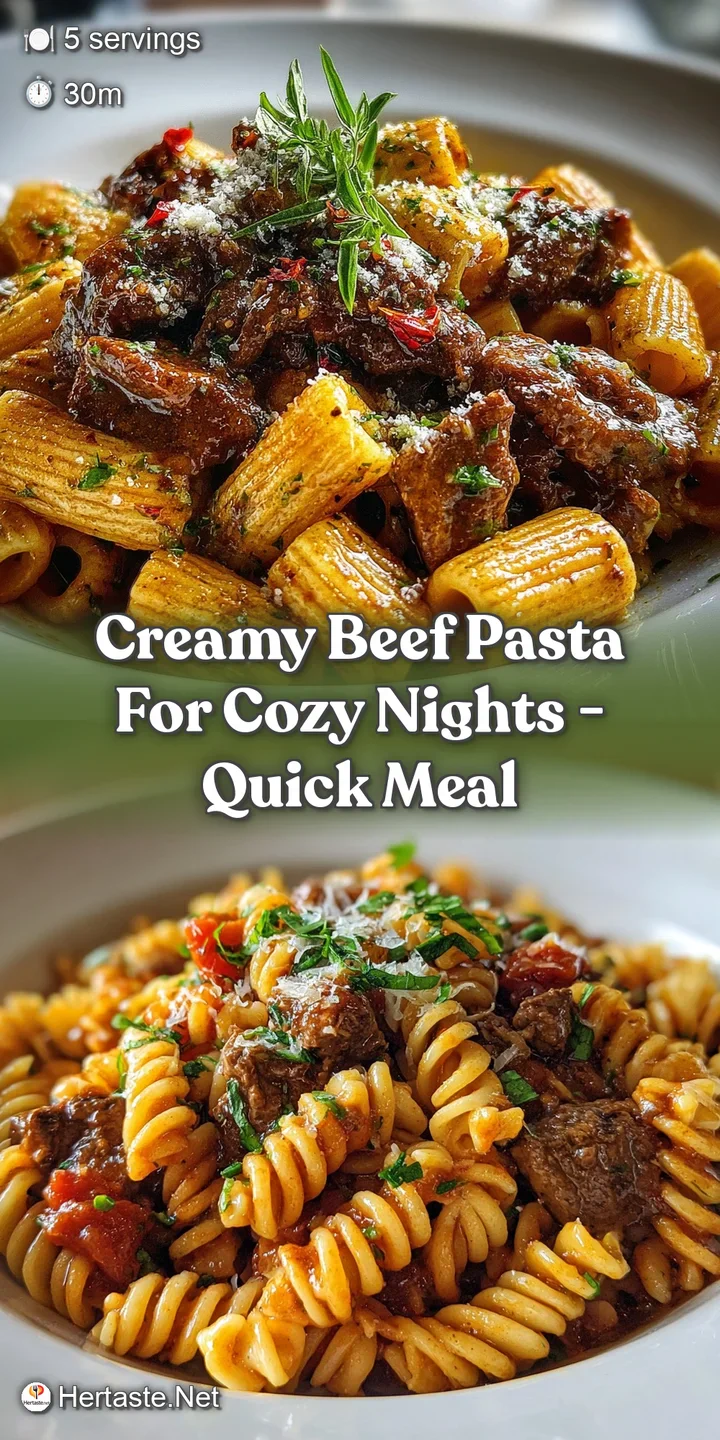
Creamy Beef Pasta for Cozy Nights
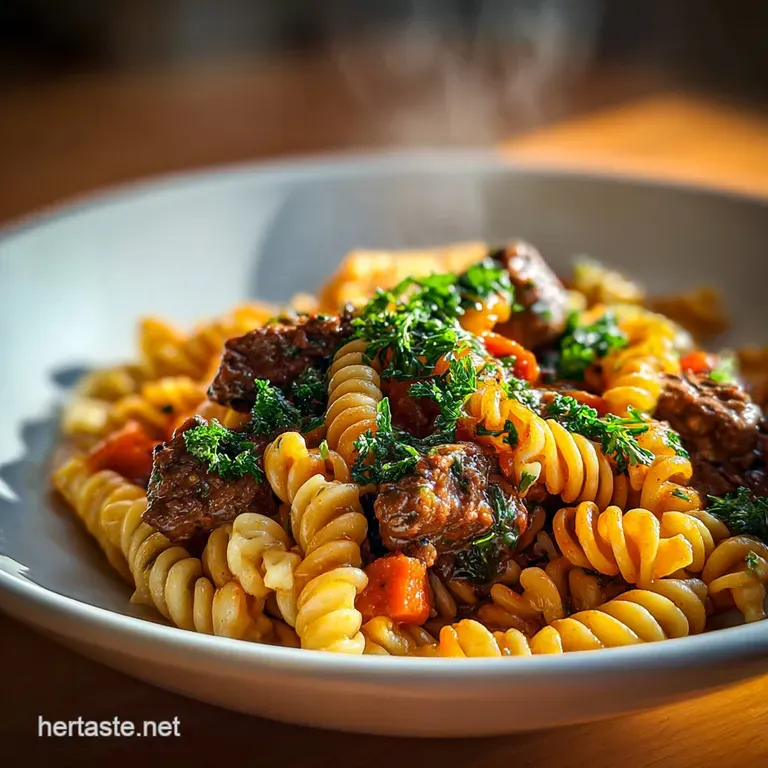
- Time: Active 10 minutes, Passive 20 minutes, Total 30 minutes
- Flavor/Texture Hook: Velvety, umami rich, and incredibly comforting
- Perfect for: Stressful weeknights or a rainy Sunday in
- Crafting Creamy Beef Pasta for Cozy Nights
- The Science of Why it Works
- Sensory Highlights and Flavor Profiles
- Core Recipe Specifications and Time
- Selecting the Best Quality Ingredients
- Vital Kitchen Equipment for Success
- Executing the Perfect Cooking Process
- Fixing Mistakes and Common Issues
- Flavor Variations and Smart Swaps
- Managing Leftovers and Storage Needs
- Enhancing Your Dinner Table Pairing
- Debunking Common Kitchen Myths
- Recipe FAQs
- 📝 Recipe Card
Crafting Creamy Beef Pasta for Cozy Nights
The sound of a pound of beef hitting a hot skillet that sharp, rhythmic sizzle is my absolute favorite way to signal the end of a long day. There’s something so grounding about the smell of onions softening in fat and the way a kitchen starts to feel like a sanctuary.
I used to think I needed a complex ragu that simmered for half a day to get this kind of depth, but honestly, I was just overcomplicating the process.
One night, after a truly exhausting shift, I just wanted comfort that didn't arrive in a cardboard box. I threw together some ground beef and a lonely box of rotini, and it ended up being more satisfying than the expensive pasta I'd had at a bistro the week before.
This recipe isn't about surgical precision; it's about that velvety, clingy sauce that finds its way into every nook and cranny of the noodles.
We have all been there, staring at a cold fridge wondering if cereal counts as dinner. But trust me, you deserve something better. This dish transforms basic pantry staples into a bowl of pure silk. It’s innovative in its simplicity, relying on clever techniques rather than a long list of ingredients.
The Science of Why it Works
Maillard Reaction: Searing the beef at high heat creates complex flavor molecules that raw meat simply lacks, providing the savory backbone of the dish. Starch Emulsification: As the pasta cooks directly in the liquid, it releases amylose, which acts as a bridge between the fat from the heavy cream and the water in the beef broth.
| Method | Time | Texture | Best For |
|---|---|---|---|
| Stovetop | 30 minutes | Glossy and saucy | Immediate weeknight hunger |
| Oven Finish | 45 minutes | Crispy cheese edges | Preparing for a crowd |
| Slow Cooker | 4 hours | Ultra tender beef | Set it and forget it days |
Choosing the right method depends on your schedule, but the stovetop version remains my favorite for that immediate, silky finish. If you are looking for more beefy inspiration, you might find my Ever Basic Beef recipe just as satisfying for those low effort evenings.
Sensory Highlights and Flavor Profiles
When you take that first bite, you'll notice a contrast between the earthy depth of the smoked paprika and the bright, sharp saltiness of the parmesan. The spinach isn't just there for color; it adds a fresh, metallic brightness that cuts through the richness of the heavy cream.
It’s a balanced profile that feels sophisticated yet remains entirely approachable.
- Savory
- Ground beef, garlic, and beef broth
- Creamy
- Heavy cream and parmesan cheese
- Tangy
- Concentrated tomato paste
- Earthy
- Smoked paprika and fresh baby spinach
Chef's Tip
Freeze your block of parmesan for 10 minutes before grating. It prevents the cheese from gumming up the grater and ensures those tiny, snowy flakes that melt instantly into the sauce.
Core Recipe Specifications and Time
Precision matters when you want to avoid soggy noodles or dry meat. I've found that using a wide, high sided skillet is the secret to even evaporation and a sauce that doesn't break. You want the liquid to simmer steadily, not boil violently, to keep the protein in the cream stable.
| Component | Science Role | Pro Secret |
|---|---|---|
| Tomato Paste | Umami booster | Toast it until brick red. |
| Smoked Paprika | Aromatic depth | Sizzle it in oil first. |
| Heavy Cream | Fat stabilizer | Use room temp cream only. |
Consistency is key here. If you prefer a dish with a bit more heat and a different texture profile, the Hearty Classic Beef recipe offers a wonderful alternative that uses similar base flavors in a more liquid forward format.
Selecting the Best Quality Ingredients
Using 90/10 lean beef ensures you have enough fat for flavor without leaving a greasy puddle at the bottom of your bowl. For the pasta, I always reach for something with ridges, like rotini or fusilli, because they act like little scoops for the creamy sauce.
- 1 lb lean ground beef (90/10)Why this? Provides enough fat for flavor without being greasy.
- 1 medium yellow onion, finely dicedWhy this? Provides a sweet, aromatic base once caramelized.
- 4 cloves garlic, mincedWhy this? Fresh garlic offers more pungency than powder.
- 2 tbsp tomato pasteWhy this? Concentrates the savory "umami" notes of the dish.
- 1 tsp smoked paprikaWhy this? Adds a subtle wood fired depth without heat.
- 3 cups low sodium beef brothWhy this? Controls salt levels while providing the cooking liquid.
- 12 oz dry short pasta (rotini, fusilli, or bowtie)Why this? Ridged shapes hold onto the creamy sauce better.
- 1/2 cup heavy creamWhy this? Creates the signature velvety texture and rich mouthfeel.
- 1/2 cup freshly grated parmesan cheeseWhy this? Adds saltiness and helps thicken the emulsification.
- 2 cups fresh baby spinachWhy this? Adds a pop of color and necessary nutrition.
| Original Ingredient | Substitute | Why It Works |
|---|---|---|
| Heavy Cream | Full fat Coconut Milk | Similar fat content. Note: Adds a slight nutty flavor to the dish. |
| Ground Beef | Ground Turkey | High protein content. Note: Much leaner; add 1 tbsp olive oil. |
| Parmesan | Pecorino Romano | Hard, salty cheese. Note: Sharper and funkier than traditional parmesan. |
Vital Kitchen Equipment for Success
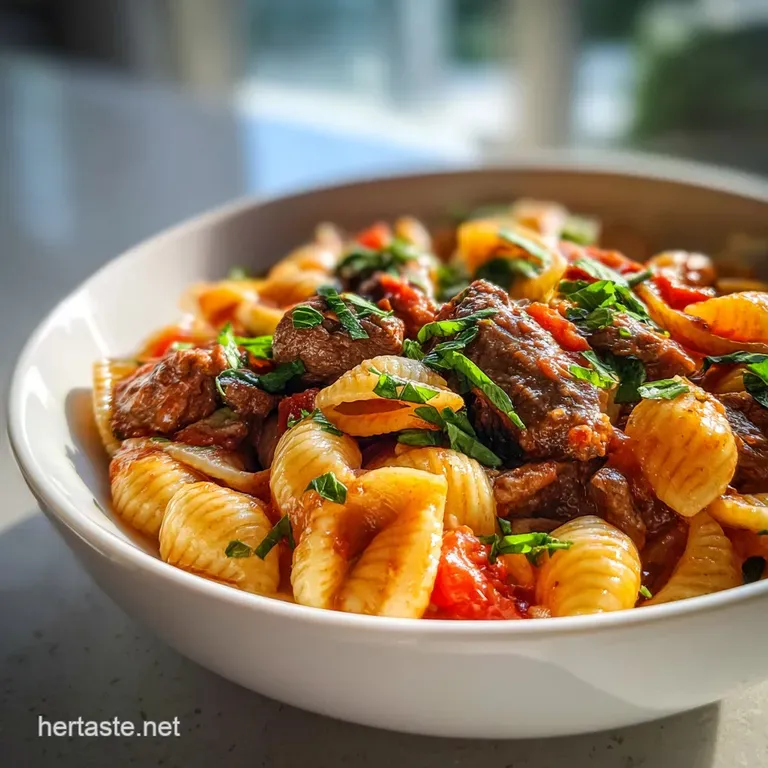
You don't need a pantry full of gadgets, but a heavy bottomed pan is non negotiable. I use a 12 inch cast iron skillet or a stainless steel sauté pan. These materials hold heat better, which means when you add the beef, the temperature doesn't drop, and the meat sears rather than steams.
A microplane is also a lifesaver for the parmesan. Pre shredded cheese is often coated in potato starch or cellulose to prevent clumping in the bag, but those same additives will stop your sauce from becoming truly silky. Grating it fresh makes a world of difference.
Executing the Perfect Cooking Process
- Brown the beef. Add the 1 lb ground beef to a hot skillet over medium high heat. Note: Let it sit undisturbed for 2 minutes to develop a dark crust.
- Sauté the aromatics. Stir in the diced onion and cook for 4 minutes until translucent and soft.
- Add the garlic and paste. Clear a small spot in the center; add the 4 cloves minced garlic and 2 tbsp tomato paste. Cook until the paste turns a deep brick red.
- Season the base. Sprinkle in the 1 tsp smoked paprika and a pinch of salt. Note: Sizzling the spices in fat awakens their volatile oils.
- Deglaze with broth. Pour in the 3 cups beef broth, scraping the bottom of the pan to release all those flavorful brown bits.
- Simmer the pasta. Add the 12 oz dry pasta. Cook for 8-10 minutes until al dente, stirring occasionally to prevent sticking.
- Integrate the cream. Lower the heat to medium low and stir in the 1/2 cup heavy cream.
- Melt the cheese. Gradually fold in the 1/2 cup parmesan cheese. Note: Do this slowly to ensure a smooth melt.
- Wilt the greens. Toss in the 2 cups baby spinach. Stir until the leaves just begin to shatter their structure and soften.
- Rest and serve. Let the pan sit for 2 minutes off the heat. The sauce will continue to thicken into a velvety glaze as it cools slightly.
Fixing Mistakes and Common Issues
Why Your Sauce is Runny
If the liquid hasn't reduced enough, the sauce will feel like a soup rather than a glaze. This usually happens if the heat was too low during the pasta simmering phase. The starch needs enough heat to activate and bond with the liquids.
| Problem | Root Cause | Solution |
|---|---|---|
| Thin Sauce | Not enough reduction | Simmer uncovered for 3-5 more minutes. |
| Gummy Pasta | Overcrowding the pan | Use a larger skillet to allow even heat flow. |
| Bland Flavor | Lack of acidity or salt | Add a tiny splash of lemon juice or salt. |
Common Mistakes Checklist
- ✓ Pat the beef dry with a paper towel if it looks wet before browning to prevent steaming.
- ✓ Ensure the pan is preheated for 3 full minutes before the meat hits the surface.
- ✓ Don't rinse your pasta; you need every gram of that surface starch for the sauce.
- ✓ Use room temperature cream to prevent the sauce from breaking or curdling.
- ✓ Grate your own cheese to avoid the grainy texture caused by pre shredded coatings.
Solving Bland Flavor Problems
If the dish tastes "flat," it’s often a lack of salt or acid. While we use beef broth for salt, the tomato paste provides the acid. If it still feels dull after cooking, a tiny teaspoon of balsamic vinegar or a squeeze of lemon can wake up all the other flavors instantly.
Flavor Variations and Smart Swaps
The Stroganoff Twist
If you want something even more innovative, swap the heavy cream for sour cream and add 8 oz of sliced cremini mushrooms during the onion sautéing phase. This gives the dish a classic "Stroganoff" feel with a more pronounced tang.
It's a fantastic way to utilize the same base technique for a completely different meal.
The Veggie Heavy Swap
For those looking to lighten things up, you can replace half the pasta with diced zucchini or bell peppers. Just be sure to add the zucchini in the last 4 minutes of cooking so it retains some "bite" and doesn't turn into a watery mess.
| Goal | Change | Result |
|---|---|---|
| Extra Spice | Add 1/2 tsp red pepper flakes | A lingering, pleasant heat. |
| Lower Carb | Use lentil based pasta | Higher protein but a slightly grainier texture. |
| More Depth | Add 1 tbsp Worcestershire sauce | A deeper, funkier umami profile. |
Managing Leftovers and Storage Needs
This pasta keeps remarkably well in the fridge for up to 3-4 days. However, because the pasta continues to absorb liquid as it sits, the sauce will likely disappear by the next morning.
When reheating, I always add a splash of beef broth or water to the bowl before microwaving to loosen the sauce back into its silky state.
Freezing: You can freeze this for up to 2 months. I recommend freezing it in individual portions. To reheat, thaw overnight in the fridge and warm it in a skillet over low heat with a tablespoon of cream or milk to restore the texture.
Zero Waste Tip: Don't throw away those onion skins or garlic peels! Keep a "scrap bag" in your freezer. When the bag is full, boil the scraps with water for an hour to create a free, aromatic vegetable base for your next soup or stew.
Enhancing Your Dinner Table Pairing
Because this dish is quite rich, it pairs best with something that offers high acidity or a crisp crunch. A simple arugula salad with a lemon shallot vinaigrette is my go to. The bitterness of the greens acts as a perfect foil to the creamy, savory pasta.
If you are looking for a wine pairing, a medium bodied red like a Chianti or a Merlot works beautifully. The tannins in the wine help cleanse the palate of the fats from the beef and cream, making every bite of your creamy beef pasta for cozy nights feel as fresh as the first.
For a non alcoholic option, a sparkling water with a heavy squeeze of lime provides that same refreshing contrast.
Debunking Common Kitchen Myths
Myth: Searing meat "seals in" the juices. Truth: Moisture loss happens regardless of searing. The real reason we sear is for the Maillard reaction, which creates those deep, savory flavors that make the sauce taste like it’s been cooking all day.
Myth: You must boil the cream to thicken it. Truth: Boiling heavy cream can actually cause it to separate or curdle, especially when combined with acidic ingredients like tomato paste. A gentle simmer is all you need to achieve a stable, glossy finish.
Myth: Adding oil to pasta water prevents sticking. Truth: Oil just makes the pasta slippery, which prevents the sauce from actually sticking to the noodles. The best way to prevent sticking is to use enough liquid and stir frequently during the first few minutes of cooking.
Recipe FAQs
What is the fastest way to make this creamy beef pasta?
Use the stovetop method for a 30-minute total cook time. This recipe is designed for quick weeknight meals, leveraging starch powered emulsification to create a rich sauce without long simmering times.
Can I make this ahead of time and reheat it?
Yes, it stores well for 3-4 days in the fridge. The sauce can thicken significantly as it sits; add a splash of beef broth or water when reheating to restore its silky consistency.
Why is my sauce still runny?
Your sauce likely needs more time to reduce. Ensure the pasta simmers uncovered over medium heat, allowing the released starches to thicken the liquid into a glaze.
Can I substitute the heavy cream?
Yes, full fat coconut milk is a good substitute. Similar to how some dairy-free sauces work, it provides the necessary fat content, though it may impart a subtle nutty flavor.
What kind of pasta works best?
Choose pasta with ridges, like rotini or fusilli. These shapes excel at capturing the creamy sauce, ensuring you get maximum flavor in every bite.
How do I get the best sear on the beef?
Ensure your pan is hot before adding the beef. Let it brown undisturbed for about 2 minutes to develop a deep crust; this process, the Maillard reaction, builds essential savory flavor.
Can I add vegetables to this dish?
Absolutely, spinach is added at the end, and mushrooms can be added earlier. For other vegetables like zucchini, add them in the last few minutes of pasta cooking to retain their texture.
Creamy Beef Pasta Nights
Ingredients:
Instructions:
Nutrition Facts:
| Calories | 569 kcal |
|---|---|
| Protein | 30.4 g |
| Fat | 21.6 g |
| Carbs | 54.2 g |
| Fiber | 2.8 g |
| Sugar | 3.8 g |
| Sodium | 425 mg |
