Creamy Oven Baked Chicken Thighs: Crispy & Succulent
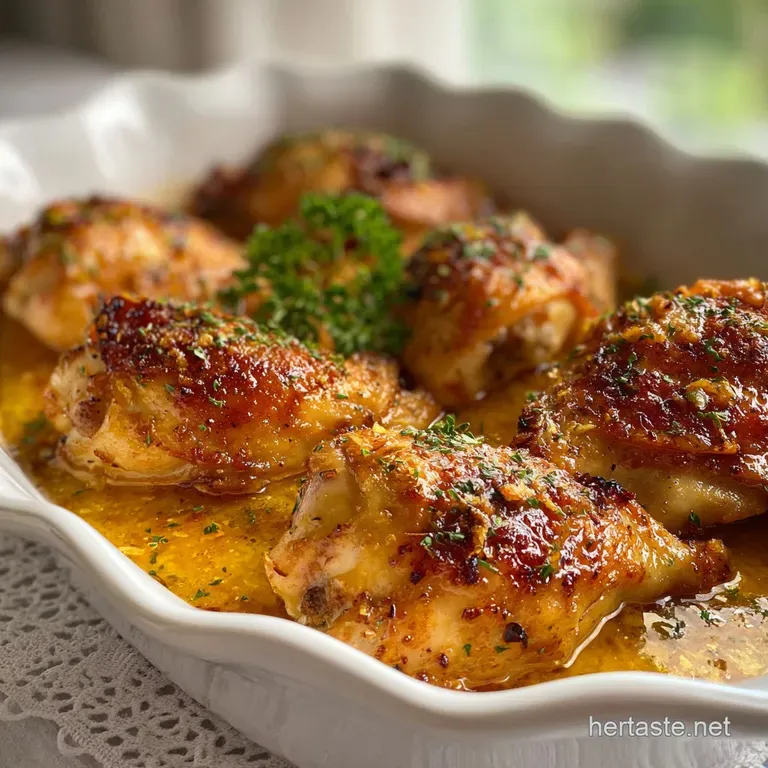
- Time: Active 10 minutes, Passive 35 minutes, Total 45 minutes
- Flavor/Texture Hook: Crispy skin meets a silky, savory Parmesan cream
- Perfect for: A comforting weeknight creamy chicken thigh dinner or an impressive date night
- Perfect Creamy Oven Baked Chicken Thighs
- Science of Sizzle and Flavor
- Essential Timing and Heat Specs
- Building the One Pan Flavor Profile
- Necessary Gear for One Pan Meals
- Masterful Cooking and Doneness Cues
- Avoiding Common Kitchen Performance Errors
- Swaps for Different Flavor Profiles
- Keeping Leftovers Fresh and Tasty
- Plating for a Visual Feast
- High in Sodium
- Recipe FAQs
- 📝 Recipe Card
Perfect Creamy Oven Baked Chicken Thighs
Imagine walking into a kitchen where the air is thick with the aroma of sizzling garlic and toasted smoked paprika. There is something deeply primal about the sound of chicken skin hitting a hot pan that violent crackle that promises a crunch.
I used to struggle with chicken thighs; they were either dry as cardboard or the skin was a rubbery, grey mess that looked more like a science experiment than dinner. But once I figured out the balance of over high heat rendering and a gentle dairy finish, everything changed.
This is the ultimate easy creamy chicken thighs recipe because it does not demand fancy equipment or hours of hovering over the stove. We are going for a one pan wonder that delivers a sauce so rich you will want to swipe every drop with a piece of crusty bread.
It is about building layers of flavor from the ground up, starting with the rendered fat and ending with a bright, mustard kissed cream.
You are going to love how the baby gold potatoes soak up all the juices while they roast alongside the meat. It is efficient, it is decadent, and it is honestly hard to mess up if you follow a few basic rules about heat.
Let's get into why this method actually works so you can stop guessing and start cooking with total confidence.
Science of Sizzle and Flavor
Understanding the physics of your pan is the secret to moving from a good cook to a great one. When we talk about these creamy oven baked chicken thighs, we are dealing with heat transfer and protein structure in very specific ways.
- Maillard Reaction: High surface heat triggers a chemical reaction between amino acids and reducing sugars, creating hundreds of different flavor compounds and that characteristic brown crust.
- Lipid Rendering: Slow melting subcutaneous fat under the skin liquefies at high temperatures, effectively frying the skin from the inside out to achieve a distinct shatter.
- Thermal Mass: Leaving the bone in the chicken acts as a heat sink, distributing warmth more evenly through the muscle fibers to prevent the outer edges from overcooking.
- Emulsification: The proteins in the Dijon mustard act as a bridge between the fat from the chicken and the water in the heavy cream, preventing a greasy separation.
| Thickness | Internal Temp | Rest Time | Visual Cue |
|---|---|---|---|
| 1 inch (Small) | 165°F | 5 minutes | Juices run clear when pierced |
| 1.5 inches (Med) | 170°F | 7 minutes | Meat pulls easily from the bone |
| 2 inches (Large) | 175°F | 10 minutes | Skin is deep golden and firm |
Cooking bone in thighs slightly past the standard 165°F is actually a pro move. Because thighs are rich in connective tissue, taking them closer to 175°F allows the collagen to fully break down into gelatin, resulting in a much silkier mouthfeel than you would get at lower temperatures.
Essential Timing and Heat Specs
Precision is the difference between a soggy dinner and a masterpiece. I have found that most people pull their chicken too early because they fear the burn, but that dark gold color is where the soul of the dish lives.
You want the pan to be screaming hot before the chicken even touches it if it doesn't sizzle immediately, take it out and wait another minute.
| Component | Science Role | Pro Secret |
|---|---|---|
| Heavy Cream | Fat Suspension | Use room temperature cream to prevent the sauce from breaking upon contact with the hot pan. |
| Dijon Mustard | Emulsifier | The vinegar and mustard seeds provide a sharp acidity that cuts through the heavy fat of the thighs. |
| Smoked Paprika | Hygroscopic Color | It absorbs surface moisture while adding a deep, wood fired aroma without needing an actual smoker. |
| Garlic | Aromatic Sulfur | Smash the cloves before mincing to release the allicin, which provides that pungent, savory backbone. |
The interaction between the Parmesan and the heavy cream is another critical point. The cheese doesn't just add salt; it provides structural proteins that thicken the sauce as the water evaporates in the oven.
This creates that "clinging" effect where the sauce coats the back of a spoon rather than just running off like soup.
Building the One Pan Flavor Profile
Every ingredient in this list serves a purpose, from the 2 lbs of bone in chicken thighs down to the tiny sprigs of thyme. We are using 1 tsp of kosher salt and 1/2 tsp of cracked black pepper to provide the base seasoning.
Don't be tempted to use fine table salt here; the larger grains of kosher salt distribute more evenly and help draw out moisture for a better sear.
- 2 lbs bone in, skin on chicken thighs: The star of the show. Why this? Bone in stays much juicier than boneless during the longer oven roasting time.
- 1 tsp smoked paprika: For that deep, earthy glow. (Sub: Sweet paprika + a drop of liquid smoke).
- 1 tbsp avocado oil: A high smoke point oil is non negotiable. (Sub: Grapeseed oil).
- 1 cup heavy whipping cream: Essential for the velvety base. (Sub: Full fat coconut milk for a dairy-free twist).
- 1 tbsp Dijon mustard: The secret glue for the sauce. (Sub: Spicy brown mustard).
- 1/2 cup grated Parmesan cheese: For salt and thickness. (Sub: Grana Padano).
- 1 lb baby gold potatoes: These hold their shape perfectly. (Sub: Red bliss potatoes).
- 2 cups fresh baby spinach: Adds freshness and color. (Sub: Chopped kale or Swiss chard).
If you love punchy flavors, this sauce vibe reminds me of the Zesty Lemon Garlic recipe I make on busier nights. While that one is faster, this thigh version offers a much deeper, more unctuous experience thanks to the extra fat rendering from the skin.
Necessary Gear for One Pan Meals
To get that restaurant style crust on your creamy oven baked chicken thighs, you need a pan that can hold onto heat. A 12 inch cast iron skillet is my absolute favorite for this. It goes from the stovetop to the oven without a second thought and provides a consistent, heavy heat that a thin stainless steel pan just can't match.
If you don't have cast iron, a heavy bottomed oven safe sauté pan will work perfectly fine. Just make sure it is large enough to fit all the thighs and potatoes without overcrowding. When you crowd the pan, the temperature drops and the chicken starts to steam in its own juices rather than searing.
Steamed chicken skin is the enemy of happiness it becomes flabby and pale.
You will also want a sturdy pair of tongs. I prefer the ones with silicone tips so I don't scratch my seasoned pans, but metal ones give you a better grip for flipping heavy bone in thighs.
Finally,, a reliable meat thermometer is the only way to be 100% sure your chicken is safe and juicy without cutting into it and letting all those precious juices escape.
Masterful Cooking and Doneness Cues
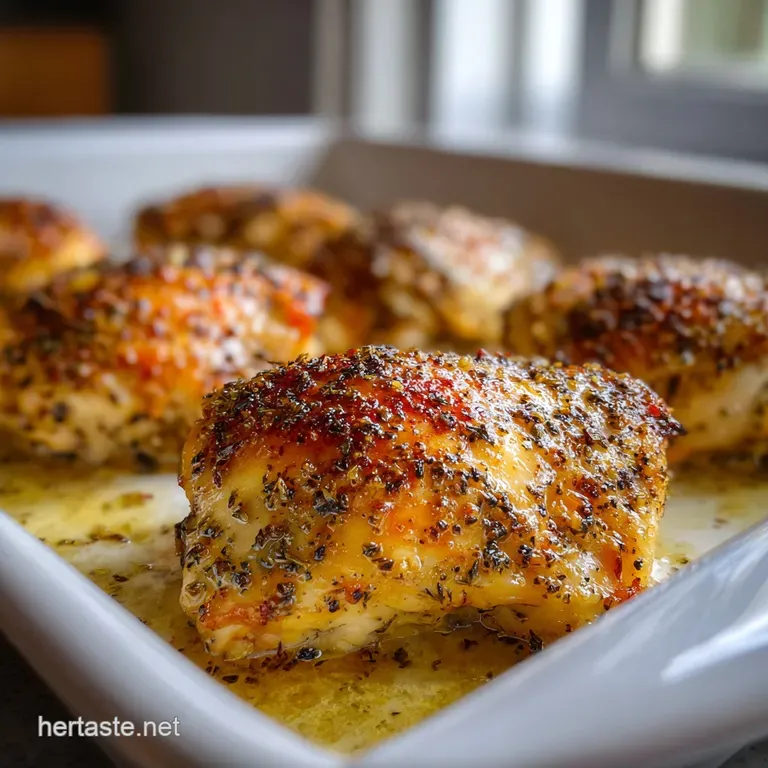
1. Season the protein. Pat the 2 lbs of chicken thighs completely dry with paper towels. Rub with 1 tsp salt, 1/2 tsp pepper, and 1 tsp smoked paprika. Note: Drying the skin is the most important step for a crispy result.
2. Sear the skin. Heat 1 tbsp avocado oil in your skillet over medium high heat. Place chicken skin side down and cook for 6 minutes until the skin is deep golden and releases easily from the pan.
3. Flip and potatoes. Turn the chicken over. Toss the 1 lb halved baby gold potatoes into the gaps around the chicken. Cook for 3 minutes until the potatoes start to pick up some of the chicken fat.
4. Infuse the aromatics. Stir in 4 minced garlic cloves and 2 sprigs of thyme. Cook for 1 minute until the garlic is fragrant but not browned.
5. Prepare the cream. In a small jar, whisk 1 cup heavy cream with 1 tbsp Dijon mustard. Pour this mixture around the chicken, being careful not to pour it directly over the crispy skin.
6. Add the cheese. Sprinkle 1/2 cup Parmesan into the cream sauce. Stir gently around the potatoes to combine.
7. Oven roast. Transfer the skillet to a preheated 400°F oven. Bake for 25 minutes until the chicken reaches 165°F and the potatoes are tender.
8. Wilt the greens. Remove the pan from the oven. Stir in 2 cups baby spinach. Note: The residual heat will wilt the spinach in seconds without overcooking it.
9. Rest the meat. Let the pan sit for 5 minutes before serving. This allows the sauce to thicken and the juices in the chicken to redistribute.
Avoiding Common Kitchen Performance Errors
One of the biggest mistakes I see is people pouring the cream sauce directly over the top of the chicken before putting it in the oven. If you do that, you have effectively neutralized all the hard work you did searing the skin. The cream will steam the skin from the top, turning it soft.
Always pour the liquid into the gaps around the meat to keep that top surface dry and exposed to the circulating hot air.
The Curdling Crisis
If your sauce looks grainy or separated, it is usually because the cream was too cold or the heat was too aggressive. Using room temperature cream helps it integrate more smoothly with the hot fats in the pan. If it does break, don't panic.
A quick stir and a splash of warm water can often bring an emulsion back together, though it might not be as perfectly silky as intended.
The Soggy Skin Syndrome
This usually happens because the pan was overcrowded or the chicken wasn't dried properly. Moisture is the enemy of the sear. If you have too many thighs for your pan, sear them in two batches. It takes an extra six minutes, but the difference in texture is worth the wait.
oven-roasted creamy chicken thighs require that dry, direct heat to maintain their integrity.
| Problem | Root Cause | Solution |
|---|---|---|
| Greasy Sauce | Too much rendered fat left in pan | Spoon out all but 1 tbsp of fat before adding cream |
| Rubbery Skin | Oven temperature too low | Ensure your oven is fully preheated to at least 400°F |
| Raw Potatoes | Halves were too large | Cut potatoes into uniform 1 inch pieces for even cooking |
Common Mistakes Checklist
- ✓ Skipping the paper towel pat down (wet skin won't brown).
- ✓ Adding garlic too early (burnt garlic tastes bitter and acrid).
- ✓ Using "light" cream or milk (it will almost certainly curdle).
- ✓ Not preheating the skillet (the chicken will stick and tear).
- ✓ Cutting into the chicken immediately (the juices will run out).
Swaps for Different Flavor Profiles
While this recipe is a classic, I know sometimes you have to work with what is in the fridge. If you want a leaner version, you can use boneless skinless creamy chicken thighs, but you will need to reduce the oven time to about 15 minutes so they don't dry out.
Just be aware that you'll lose that "crunch" factor that makes this dish so special.
For a more filling meal, you can turn this into a creamy chicken thighs and rice bake. Simply add a cup of parboiled rice and an extra cup of chicken broth to the pan before it goes in the oven. The rice will absorb the cream and chicken drippings, becoming incredibly flavorful.
If you are looking for a shortcut for a busy Tuesday, cream of mushroom baked chicken thighs can be made by swapping the heavy cream and mustard for a can of high-quality mushroom soup, though the flavor will be more muted.
If you are craving a completely different flavor profile using similar techniques, you've got to try my Addictive Char Siu recipe. It uses a similar over high heat approach but moves into the sweet and savory world of Cantonese BBQ.
| Premium | Budget | Flavor Impact | Savings |
|---|---|---|---|
| Heavy Cream | Evaporated Milk | Slightly thinner sauce, less rich | Save $2.00 |
| Fresh Thyme | Dried Thyme | Use 1/3 the amount; less floral | Save $3.00 |
| Baby Golds | Large Russets | Flourier texture; might fall apart | Save $1.50 |
Keeping Leftovers Fresh and Tasty
Store any remaining chicken and sauce in an airtight container in the fridge for up to 3 days. When you reheat it, do yourself a favor and avoid the microwave if possible. The microwave is the death of crispy skin.
Instead, place the chicken in a small oven safe dish, cover the bottom with the leftover sauce, and pop it into a 350°F oven for 10 to 12 minutes. This gently warms the meat through without turning it into rubber.
Freezing is possible, though dairy based sauces can sometimes change texture once thawed. If you do freeze it, it will last for up to 2 months. Thaw it completely in the fridge overnight before reheating.
You might need to stir in a tiny splash of fresh cream or water when heating it up to help the sauce regain its silky consistency.
For a zero waste approach, don't throw away those thyme stems or the leftover potato peels. You can toss them into a freezer bag with other veggie scraps to make a phenomenal homemade chicken stock later.
Even the leftover sauce, if you have any, makes a brilliant base for a quick pasta dish the next day just toss it with some hot fettuccine.
Plating for a Visual Feast
To make this dish look as good as it tastes, focus on contrast. The deep gold of the chicken and the bright green of the wilted spinach already do a lot of the work for you. I like to serve this in wide, shallow bowls.
Place a generous spoonful of the potatoes and cream sauce at the bottom, then nestle the chicken thigh right on top.
Garnish with a little extra fresh thyme or a crack of black pepper. If you want to get really fancy, a tiny zest of lemon over the top right before serving can add a pop of brightness that makes the colors of the dish stand out. The goal is to keep the skin high and dry so it stays crispy until the very last bite.
Remember that we eat with our eyes first. A clean rim on the bowl and a well placed sprig of herbs transforms a simple weeknight creamy chicken thigh dinner into something that feels like a celebrated occasion.
Trust your instincts, watch your temperatures, and don't be afraid of a little smoke in the kitchen that’s just the flavor being born!

High in Sodium
915 mg mg of sodium per serving (40% of daily value)
The American Heart Association recommends limiting sodium intake to about 2,300mg per day for overall health.
Easy Tips to Reduce Sodium in This Recipe
-
Reduce Parmesan Cheese-15%
Parmesan cheese is a significant source of sodium. Use half the amount called for in the recipe, or substitute with a low-sodium cheese alternative like fresh mozzarella to significantly reduce sodium content.
-
Reduce Added Salt-25%
Kosher salt contributes to the overall sodium. Reduce the amount of kosher salt used in the recipe by half. Taste and adjust if needed at the end.
-
Unsalted Cooking-25%
Omit the salt called for in the recipe and add some lemon juice for flavor. Salt isn't necessary to ensure the food cooks appropriately or tastes good.
-
Fresh Garlic Only-5%
Ensure you are using fresh garlic. Salt is sometimes added to minced jarred garlic.
-
Herbs & Spices
Enhance the flavor with a variety of herbs and spices beyond paprika and thyme. Consider adding oregano, rosemary, or a pinch of red pepper flakes for complexity without adding sodium.
Recipe FAQs
Can I use boneless, skinless chicken thighs?
Yes, but with adjustments. Boneless, skinless thighs cook faster, so reduce oven time to about 15 minutes to prevent them from drying out. You will lose the signature crispy skin, however.
How do I prevent the sauce from curdling?
Use room temperature cream and moderate heat. Cold cream hitting a hot pan can cause separation, and aggressive heat can break the emulsion. Gently whisking warm ingredients together usually solves this.
What's the secret to crispy chicken skin?
Dry the skin thoroughly and sear it first. Patting the thighs completely dry with paper towels is crucial, followed by searing skin side down in a hot pan until deeply golden before adding liquids.
Can I make this dish dairy-free?
Yes, substitute with full fat coconut milk. You can replace the heavy cream with full fat coconut milk. The flavor profile will shift slightly, but it will still create a delicious creamy sauce, similar to how coconut milk works in many Vegan Creamy Pasta Recipes.
What are the best potatoes to use?
Baby gold or red bliss potatoes are ideal. They hold their shape well during cooking and absorb the sauce beautifully. If using larger potatoes, cut them into uniform 1 inch pieces.
How do I reheat leftovers without making the chicken soggy?
Reheat in the oven, not the microwave. Place the chicken and sauce in an oven safe dish and warm at 350°F for 10-12 minutes. This method gently warms the meat and helps retain some crispness, unlike microwaving.
Can I add other vegetables to the dish?
Yes, consider adding heartier root vegetables like carrots or parsnips alongside the potatoes. For leafy greens, add them in the last 5 minutes of baking or stir them in after removing the pan from the oven, similar to how spinach is wilted in many Hearty Vegetable Stews.
Creamy Baked Chicken Thighs
Ingredients:
Instructions:
Nutrition Facts:
| Calories | 742 kcal |
|---|---|
| Protein | 36 g |
| Fat | 54 g |
| Carbs | 23 g |
| Fiber | 3 g |
| Sugar | 4 g |
| Sodium | 915 mg |
