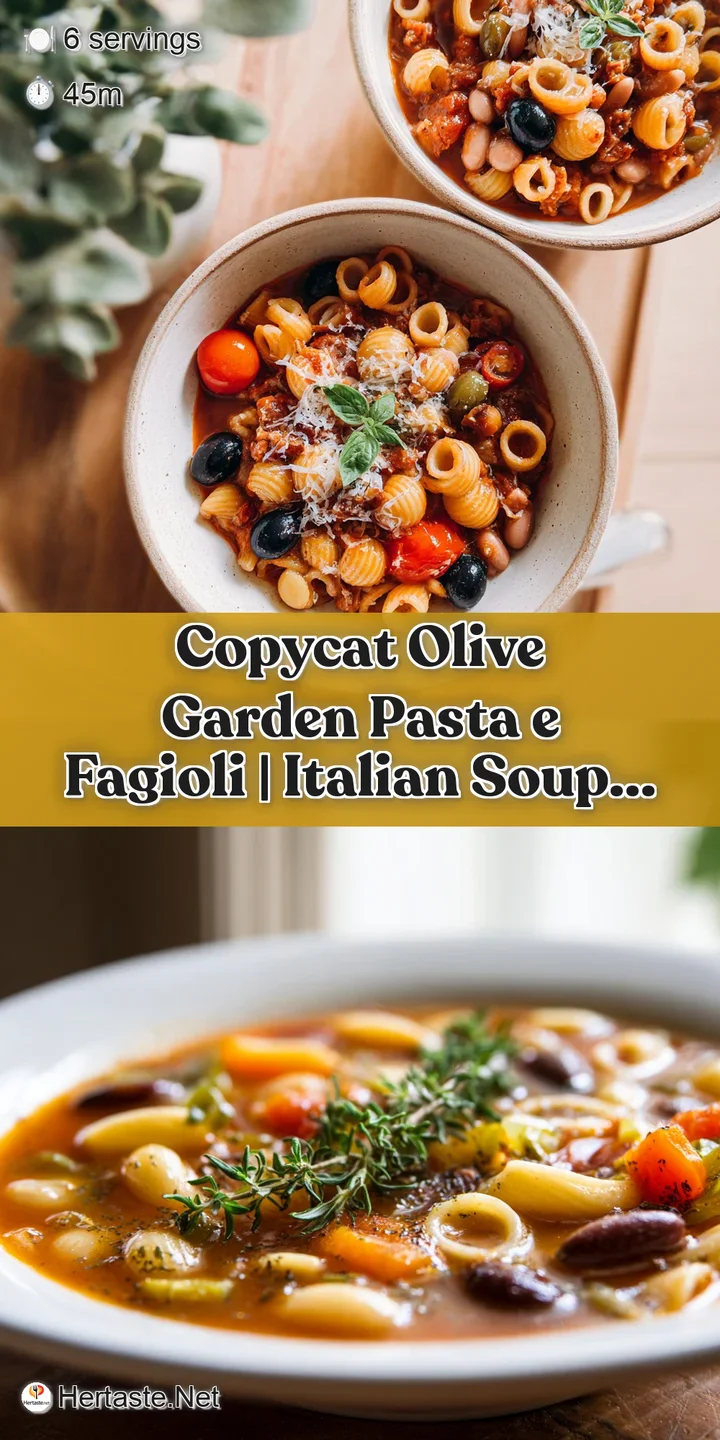
Copycat Olive Garden Pasta E Fagioli
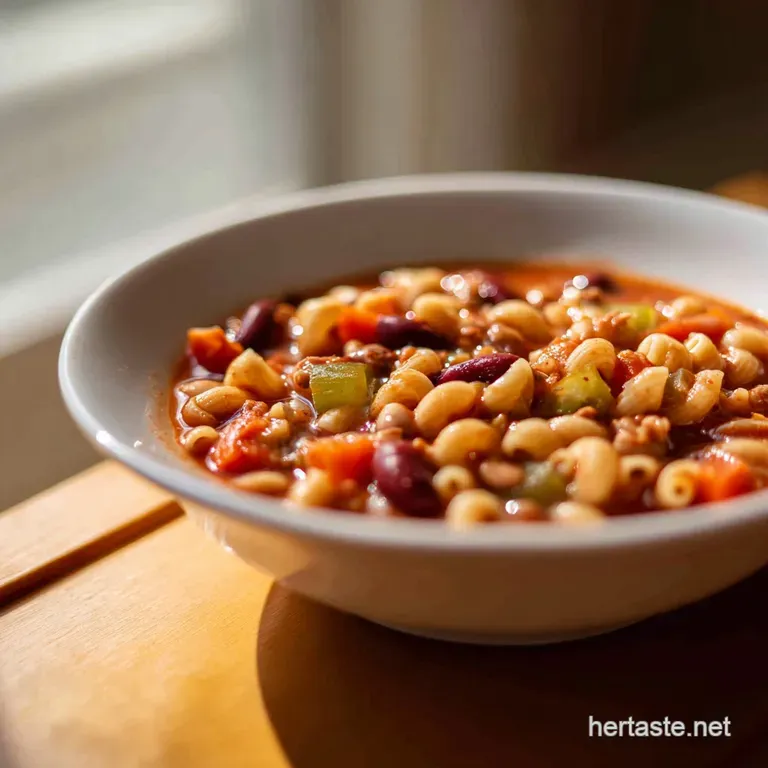
- Time:15 minutes prep + 30 minutes cook = 45 minutes total
- Flavor/Texture Hook: Savory beef and creamy beans meet chewy ditalini in a thick, herb flecked tomato broth.
- Perfect for: Rainy Tuesday nights when you need a hug in a bowl or meal prepping for a busy work week.
- Making a Perfect Copycat Olive Garden Pasta e Fagioli
- Essential Specs for This Classic Italian Soup
- Why This Soup Base Actually Works
- A Closer Look at the Recipe Components
- Kitchen Tools for a Seamless Cooking Experience
- The Step-by-Step Path to Savory Perfection
- Common Pitfalls and Easy Soup Fixes
- Ways to Personalize Your Pasta e Fagioli
- Myths About Pasta e Fagioli
- Best Practices for Storing and Reheating
- Finishing Touches for a Restaurant Look
- Very High in Sodium
- Recipe FAQs
- 📝 Recipe Card
Making a Perfect Copycat Olive Garden Pasta e Fagioli
There is something about that specific Tuesday evening air you know the one, where the wind has a bit of a bite and the sun ducks out early that just screams for a big, steaming bowl of soup.
Last week, my kitchen was filled with the scent of dried oregano and browning beef as I tried to recreate that specific comfort I usually find under the green awnings of a certain Italian American chain.
I watched the steam fog up my glasses as I stirred the pot, waiting for the ditalini to hit that sweet spot of chewy but soft.
This isn't just about throwing things in a pot; it’s about the way the carrots soften just enough to yield under a spoon while the kidney beans offer a creamy contrast to the ground beef. When I finally sat down with a piece of crusty bread, the first bite was exactly what I’d been chasing.
It’s a meal that feels like a family tradition even if you’re just making it for yourself on a random weeknight.
We’ve all had those soups that turn out a bit thin or, worse, the pasta sucks up every drop of liquid until you’re eating a weird stew flavored mash the next day. I’ve made those mistakes so you don’t have to.
Today, we’re going through the flow of how to get that broth thick and glossy while keeping the vegetables bright and the beans perfectly intact. Trust me, once you see how easy it is to forge these flavors at home, you'll rarely find yourself waiting for a table at the mall.
Essential Specs for This Classic Italian Soup
Before we dive into the chopping and sautéing, let’s look at the blueprint. This recipe is designed to be efficient, moving from a cold pan to a finished meal in under an hour. We are focusing on a three step timeline: the sear, the simmer, and the finish.
Getting the browning right early on is what sets this apart from a generic vegetable soup.
- 1. The Sear (Minutes 0-10)
- Browning the beef and creating the fond. This is the flavor floor.
- 2. The Simmer (Minutes 10-25)
- Softening the mirepoix and merging the tomato base with the herbs.
- 3. The Finish (Minutes 25-45)
- Adding the beans and pasta to reach the perfect texture.
| Cooking Method | Active Time | Total Time | Resulting Texture |
|---|---|---|---|
| Stovetop | 15 minutes | 45 minutes | Bright veggies and al dente pasta |
| Slow Cooker | 15 minutes | 5-6 hours | Deeply melded flavors; very soft beans |
| Instant Pot | 10 minutes | 30 minutes | Velvety broth but veggies can be mushy |
If you are in a rush, the stovetop method is actually the most reliable for texture. You get to control exactly when that pasta goes in, which is the secret to avoiding a soggy mess. For more on building authentic Italian flavors, check out this Italian soup guide which offers great insights into traditional methods.
Why This Soup Base Actually Works
Building a soup like this is about managing moisture and starch so the final bowl feels substantial. It isn't just about the ingredients, but the order in which they meet the heat.
- The Fond Foundation: Browning the beef creates a "crust" on the pot bottom that dissolves into the broth, adding a deep, roasted savory note that raw boiling can't achieve.
- Starch Release: Cooking the ditalini directly in the soup allows the pasta to release starches, naturally thickening the broth into a velvety consistency without needing flour.
- Acid Brightness: The small amount of granulated sugar balances the acidity of the tomato sauce and diced tomatoes, making the savory herbs pop rather than taste bitter.
- Triple Aromatics: Starting with a over high heat sauté of onions, carrots, and celery (the mirepoix) creates a sweet, earthy base that anchors the heavier meat and bean components.
| Component | Science Role | Pro Secret |
|---|---|---|
| Lean Ground Beef | Protein/Fat Base | Keep the fat (max 2 tbsp) to carry the fat soluble herb flavors. |
| Ditalini Pasta | Starch Thickener | Add it last to prevent it from absorbing all the liquid and becoming gummy. |
| Kidney/Northern Beans | Texture/Fiber | Rinse them thoroughly to keep the broth clear and prevent a "canned" aftertaste. |
The interaction between the tomato acidity and the beef fat is crucial. If the soup feels "flat," it’s usually because the acid hasn't been balanced by that tiny pinch of sugar or enough salt to bridge the flavors.
A Closer Look at the Recipe Components
When gathering your items, quality matters, but so does preparation. This is a "chopped" soup, meaning every bite should ideally contain a bit of everything a bean, a piece of pasta, and a small crumble of beef.
- 1 lb lean ground beef (90/10): You want flavor without a grease slick.
- 1 tbsp extra virgin olive oil: For that initial vegetable soften.
- 1 cup yellow onion: Finely diced so it melts into the background.
- 1 cup carrots: Chopped into small rounds for a bit of snap.
- 1 cup celery: Diced to match the size of the ditalini.
- 3 cloves garlic: Minced fresh the jarred stuff won't give you that punch.
- 3 cups low sodium chicken broth: Gives you control over the final salt level.
- 15 oz tomato sauce: For the smooth, red base.
- 14.5 oz diced tomatoes (with juice): Adds chunkiness and bright acid.
- 1 tsp granulated sugar: Why this? To neutralize tomato acidity and level the flavor profile.
- Dried Herbs: 1.5 tsp each of oregano and basil, plus 0.5 tsp thyme.
- 15 oz Red Kidney Beans: Drained and rinsed for a creamy bite.
- 15 oz Great Northern Beans: These are softer and add a buttery texture.
- 1 cup dried ditalini pasta: Small tubes that "catch" the broth.
- Salt and black pepper: To taste, but be generous with the pepper.
| Original Ingredient | Substitute | Why It Works |
|---|---|---|
| Lean Ground Beef | Ground Turkey or Italian Sausage | Turkey is leaner but needs more salt; sausage adds a spicy, fennel kick. |
| Ditalini Pasta | Small Shells or Elbows | Similar size allows for even cooking and starch release. |
| Great Northern Beans | Cannellini Beans | Nearly identical texture and mild flavor completely interchangeable. |
Adding a splash of Homemade Marinara Sauce instead of the tomato sauce can also give the soup a more "simmered all day" vibe if you happen to have some in the freezer.
Kitchen Tools for a Seamless Cooking Experience
You don't need a high end kitchen for this, but the right pot makes a massive difference in how the beef browns.
- Large Dutch Oven or Heavy Stockpot: You need something with a thick bottom. Thin pots will scorch the tomato sauce before the carrots are even soft.
- Wooden Spoon: Perfect for scraping that "fond" (the brown bits) off the bottom after the beef cooks.
- Sharp Chef’s Knife: Since there is a fair amount of dicing (onion, celery, carrots), a sharp blade makes the prep fly by.
- Fine Mesh Strainer: Essential for rinsing the beans. That liquid in the bean can is full of sodium and starches we don't necessarily want in our clear ish broth.
Chef's Tip: If you find your soup is always too thick the next day, it's because the pasta continues to hydrate. Store the pasta separately if you plan on having leftovers, or just add an extra half cup of broth when reheating.
The step-by-step Path to Savory Perfection
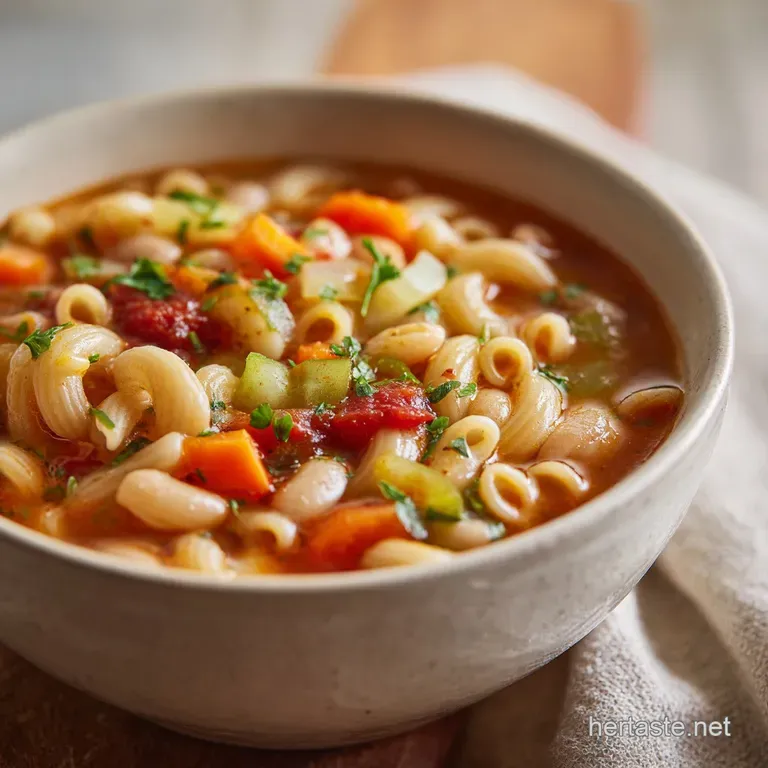
Let's get cooking. Follow this flow to ensure the vegetables are tender but the pasta stays firm.
- Heat the extra virgin olive oil in your Dutch oven over medium high heat. Drop in the ground beef and break it into small, uniform crumbles.
- Cook the beef until it's no longer pink. You’re looking for a dark brown crust to start forming on the bottom of the pot this is where the flavor lives. Do not drain the fat unless there is a massive pool (more than 2 tablespoons).
- Turn the heat down to medium. Toss in the diced onion, carrots, and celery. The moisture from the veggies will naturally deglaze the pot.
- Sauté the vegetables for 5 to 7 minutes. Use your spoon to scrape up those browned beef bits. Stir in the minced garlic for the final 60 seconds until you can smell it through the whole kitchen.
- Pour in the chicken broth, tomato sauce, and the undrained diced tomatoes. The juice from the tomatoes adds essential acidity.
- Whisk in the sugar, dried oregano, dried basil, and dried thyme. Bring the whole mixture to a light, rolling boil.
- Add the rinsed red kidney beans, Great Northern beans, and the dried ditalini pasta.
- Lower the heat to a simmer. Cook for 10 to 12 minutes until the pasta is al dente and the carrots are tender to the bite.
- Give it a taste. Season with salt and black pepper as needed. If it feels too thick, add a splash of broth.
- Serve immediately while the pasta is at its peak texture.
Common Pitfalls and Easy Soup Fixes
Even the best cooks run into trouble when pasta and beans are involved. The most common issue is the "disappearing broth" act, where the soup turns into a thick porridge.
Why Your Soup Became Too Thick
Pasta is a sponge. If the soup sits too long or you overcook the ditalini by even two minutes, it will drink up the broth. This also happens if you leave the soup on the stove with the heat on after it's finished.
Why Your Carrots Are Still Crunchy
Sometimes the acidity in the tomatoes can actually slow down the softening of vegetables. If your carrots are still hard but the pasta is done, it usually means the veggies weren't sautéed long enough at the start.
| Problem | Root Cause | Solution |
|---|---|---|
| Bland Broth | Not enough browning or salt | Sauté the beef longer; add 1/2 tsp salt and a pinch more sugar. |
| Soggy Pasta | Cooked too long in the pot | Add pasta 5 mins later than vegetables; or cook pasta separately. |
| Greasy Surface | High fat ground beef used | Skim the top with a large spoon or use a paper towel to blot the oil. |
Common Mistakes Checklist:
- ✓ Pat the beef dry before browning to get a better sear instead of steaming it.
- ✓ Don't skip the bean rinsing; the canning liquid can make the soup taste metallic.
- ✓ Add the garlic only at the very end of the sauté to prevent it from burning and becoming bitter.
- ✓ Always use low sodium broth so you can control the seasoning at the end.
- ✓ Let the soup sit for 5 minutes off the heat before serving to let the flavors settle.
Ways to Personalize Your Pasta e Fagioli
If you are cooking for a crowd or just want to use what’s in your fridge, this recipe is incredibly forgiving. If you want a richer experience, you can swap the ground beef for spicy Italian sausage.
This adds a layer of fennel and chili flakes that moves it away from the copycat version into something more robust and "artisanal" (though we’re keeping it simple here!).
If you prefer a lighter touch, ground turkey works well, but I’d suggest adding a teaspoon of Worcestershire sauce to mimic the depth of beef. For my friends who love a spicy kick, a teaspoon of red pepper flakes added with the garlic transforms the soup entirely.
If you’re looking to round out your Italian night, this soup pairs beautifully with a creamy pasta dish. You could even serve it alongside my Alfredo Sauce recipe for a full restaurant style spread at home.
| Goal | Adjustment | Expected Outcome |
|---|---|---|
| Heartier Meal | Add 1/2 lb extra beef or sausage | Thicker, meatier texture; very filling. |
| Low Carb | Swap pasta for extra zucchini rounds | Lighter feel; less starchy broth. |
| Vegetarian | Use veggie broth and 1 cup mushrooms | Earthy flavor; omit beef entirely. |
Myths About Pasta e Fagioli
There are a few "rules" people swear by that aren't actually true when it comes to this specific copycat style.
Myth 1: You must soak the beans overnight. While traditional Italian recipes often start with dried beans, the restaurant version and most home versions use canned beans for that specific soft, consistent texture. As long as you rinse them, canned beans are perfect for this 45 minute meal.
Myth 2: Searing meat "locks in" the juices. Searing actually doesn't lock anything in it creates flavor through a process of browning the sugars and proteins. The goal of browning the beef in this soup isn't for juiciness, but for that deep, savory "fond" that flavors the entire broth.
Myth 3: The soup tastes better if you boil the pasta for a long time. Actually, the opposite is true. Pasta in soup should always be cooked until just al dente. Overcooking makes the pasta release too much starch, which makes the soup cloudy and the noodles mushy.
Best Practices for Storing and Reheating
This soup is a meal prep dream, but you have to be smart about the pasta. If you know you're going to have leftovers, I honestly recommend boiling the ditalini separately and adding it to individual bowls.
Storage: Store the soup in an airtight container in the fridge for up to 4 days. If the pasta is already in the soup, expect it to be much thicker the next day. You can freeze the soup base (without the pasta) for up to 3 months.
I don't recommend freezing the soup with the pasta in it, as ditalini tends to fall apart when thawed.
Zero Waste Tip: Don't throw away those celery leaves! Finely chop them and use them as a garnish along with the parsley. They have a concentrated celery flavor that adds a fresh, herbal hit to the finished bowl.
Also, if you have a parmesan rind lingering in your cheese drawer, toss it into the pot while the soup simmers. It adds a salty, nutty depth that is incredible.
Finishing Touches for a Restaurant Look
When you're ready to eat, don't just dump it in a bowl. A few small touches make it feel like an event. I always finish each bowl with a heavy grating of fresh Parmesan cheese the kind that melts into little white threads against the hot broth.
A sprinkle of fresh chopped parsley adds a "pop" of green that makes the reds and browns of the soup look much more appetizing. And honestly, it’s almost illegal to serve this without a warm piece of bread.
Whether it’s a crusty baguette or some garlic breadsticks, you need something to soak up the last few drops of that savory, tomato rich broth.
If you really want to impress, a tiny drizzle of high-quality extra virgin olive oil over the top of the bowl right before serving adds a silky mouthfeel and a peppery finish that ties the beef and beans together perfectly. It’s these little things that turn a simple weeknight soup into the highlight of your day.
Very High in Sodium
985 mg of sodium per serving (43% of daily value)
The American Heart Association recommends no more than 2,300mg of sodium per day, with an ideal limit of 1,500mg for most adults.
Tips to Reduce Sodium
-
Switch to No-Salt Added Broth-30%
Replace the 3 cups of low-sodium chicken broth with no-salt added chicken broth. This is a significant source of sodium in this recipe.
-
Eliminate Added Salt-25%
Remove the 'salt to taste' entirely. The flavors from the vegetables, herbs, and tomatoes will be sufficient, especially when using unsalted broth.
-
Choose No-Salt Added Canned Goods-20%
Opt for no-salt added versions of tomato sauce, diced tomatoes, kidney beans, and Great Northern beans. If unavailable, rinse canned beans thoroughly.
-
Boost Flavor with Herbs and Spices
Enhance the natural flavors by using a generous amount of fresh or dried herbs like oregano, basil, and thyme. Consider adding a pinch of red pepper flakes for a little heat.
-
Increase Aromatic Vegetables-10%
Add more onion, carrots, and celery. These vegetables provide natural sweetness and depth of flavor, which can help compensate for reduced salt.
Recipe FAQs
Is it true I must boil the pasta separately to keep it from getting mushy?
No, this is a common misconception. Cooking the dried ditalini directly in the soup for 10-12 minutes allows the pasta to absorb the savory flavors of the broth, creating a more cohesive dish.
How to prevent the soup from thickening into a paste after cooling?
Add a splash of extra chicken broth when reheating. The pasta will continue to soak up liquid as it sits, so thinning it out brings the texture back to your preferred consistency.
Can I use a different type of pasta if I cannot find ditalini?
Yes, use another small shaped pasta like shells or orecchiette. If you enjoyed using these small shapes to capture the broth, see how we apply similar logic in our Greek Pasta Salad recipe for perfect bite sized ratios.
How to build a deep flavor base without burning the garlic?
Sauté the garlic for exactly 60 seconds at the end of the vegetable cooking stage. Adding it after the onions and carrots have softened ensures the garlic becomes fragrant without turning bitter.
Should I drain the fat after browning the ground beef?
Only drain if you have more than 2 tablespoons of fat in the pot. A small amount of rendered fat is essential for providing body and flavor to the base of the soup.
How to achieve the best texture for the vegetables?
Sauté the onion, carrots, and celery for 5-7 minutes until the onions turn translucent. This process softens the vegetables so they reach the perfect tenderness simultaneously with the pasta.
Is it possible to prepare this soup ahead of time?
Yes, prep the soup base up to 2 days early without adding the pasta. Cook the meat and vegetable broth base, store it, and then add the pasta during the final 10-12 minutes of simmering just before serving.
Copycat Pasta E Fagioli
Ingredients:
Instructions:
Nutrition Facts:
| Calories | 392 kcal |
|---|---|
| Protein | 25.4 g |
| Fat | 8.9 g |
| Carbs | 54.8 g |
| Fiber | 9.2 g |
| Sugar | 6.8 g |
| Sodium | 985 mg |
