Chocolate Chip Shortbread: the Best 4-Ingredient Buttery Holiday Cookie
- The Ultimate Chocolate Chip Shortbread Recipe: Crumbly Perfection
- Mastering the Crumb: The Science of Melt-In-Your-Mouth Shortbread Texture
- Essential Ingredients for the Perfect Chocolate Chip Shortbread
- Baking Perfection: Step-by-Step Method for Chocolate Chip Shortbread Biscuits
- Troubleshooting and Expert Tips for Cracking Shortbread
- How to Store and Freeze Chocolate Chip Shortbread for Maximum Freshness
- Elegant Ways to Serve Your Buttery Shortbread Treats
- Recipe FAQs
- 📝 Recipe Card
The Ultimate Chocolate Chip Shortbread Recipe: Crumbly Perfection
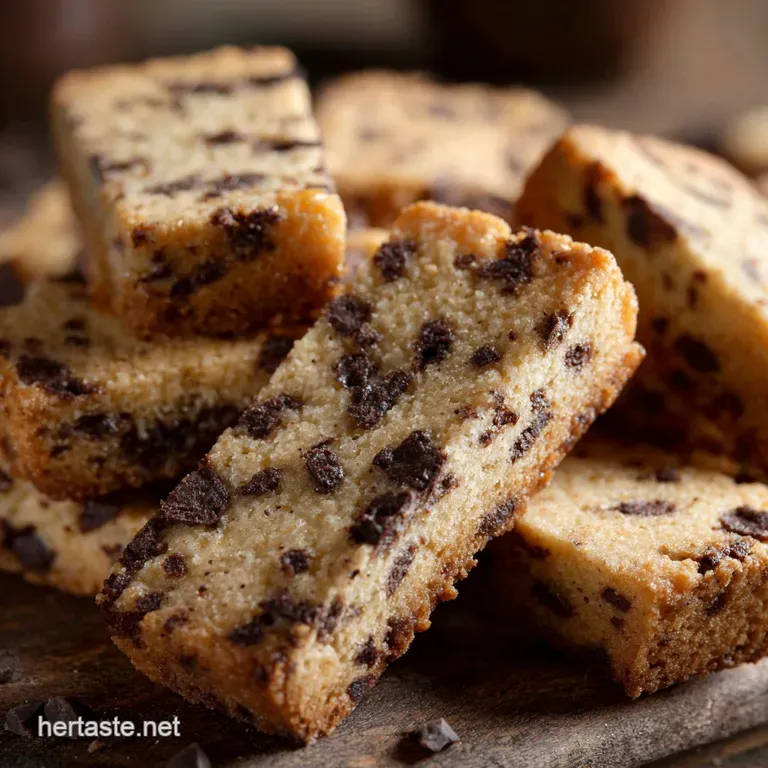
Seriously, stop what you are doing. The smell of this shortbread baking is pure magic, instantly turning your kitchen into a cozy little Scottish bakery. It’s that deep, nutty butter fragrance mixed with bursts of melting chocolate chips that hits you first.
When you take a bite, it doesn't crunch; it simply melts away, leaving pure, rich flavor and a beautiful sandy texture on your tongue.
I know what you’re thinking: another complicated baking project? Nope. This is my four ingredient savior. It is ridiculously fast to whip up, you probably have the ingredients already in the pantry, and it makes you look like a total pastry genius with minimal effort.
Forget those fussy cookies that require three types of flour and eight bowls.
I’ve messed up shortbread in every way possible (once I used warm butter and it spread into a greasy, sad puddle yikes). Now I’ve absolutely nailed the secret method that guarantees perfection. Trust me, these Chocolate Chip Shortbread are going to be your new go-to biscuit recipe.
Let’s crack on and get this buttery masterpiece baked.
Mastering the Crumb: The Science of Melt-In-Your Mouth Shortbread Texture
The Legacy of the Buttery British Biscuit
Shortbread is ancient, originating in Scotland and built upon the brilliance of simple, high fat ingredients. It’s supposed to be dense, buttery, and incredibly rich; that's the whole point.
We are definitely not aiming for a chewy, airy cookie here; we are aiming for crumbly, melt-in-your mouth perfection that barely needs chewing.
What Makes This Four Ingredient Wonder Unique?
The inherent beauty of shortbread is that it contains no eggs and absolutely no leavening agents like baking soda or powder. This lack of lift is crucial for the structure. It keeps the structure tight and dense, which is exactly why the immense quantity of fat does all the heavy lifting in terms of flavor and texture.
This simplicity makes it a predictable and reliable recipe every single time you need a treat.
The Role of High Fat Butter in Biscuit Structure
Butter is truly king here, and it must be cold. Using cold, high-quality butter that is cut into the flour ensures that the fat coats the starch particles individually. When baked, the butter melts slowly, leaving behind those delicious little air pockets that give shortbread its signature sandy, delicate crumb.
If you use low-fat margarine, I promise you won't get the same divine effect.
Why Minimal Handling Prevents Gluten Development
You absolutely must stop mixing the flour once the dough resembles coarse sand or fine breadcrumbs. Overworking the flour develops gluten, which develops tough, elastic strands. This transforms your delicate shortbread into a hard, crunchy cookie a tragedy we must avoid.
Minimal handling is the secret handshake of the best bakers, preserving that crumbly texture.
The Importance of Chill Time for Shape Retention
Chilling the dough accomplishes two critical things. First, it firms up the butter, which stops excessive spread when the shortbread hits the hot oven. Second, chilling allows the flour to fully hydrate before baking, resulting in a more uniform and less brittle crumb after cooling.
Don't skip the mandatory 30 minute fridge nap; it’s essential for neat, defined edges.
Essential Ingredients for the Perfect Chocolate Chip Shortbread
This recipe truly thrives on quality ingredients, mostly because there are so few of them on the list. When you’re only dealing with four core things, each one has to pull its absolute weight in terms of flavor and structure.
Butter Quality: Salted vs. Unsalted Debate
I always opt for unsalted butter for baking, and especially for shortbread. Why? Because it gives me total control over the salt level. Shortbread demands salt to balance the intense richness, but different butter brands have wildly varying sodium amounts.
I prefer adding a precise pinch of fine sea salt myself, guaranteeing a consistent, balanced flavor profile.
Chef's Note: Use the highest fat butter you can find. It truly makes the difference between a good biscuit and an incredible one. The flavor depth from quality butter cannot be faked.
Choosing the Right Flour for a Delicate Crumb
Standard all-purpose flour works perfectly here, especially when you handle it very gently. Since we are using an extremely high ratio of fat to flour, the dough is already protected against too much gluten development.
The key is just the mixing method cutting in the cold butter correctly not a fancy flour type.
Detailed Notes on Chocolate Chip Selection and Size
Mini chocolate chips are non-negotiable for shortbread bars. Standard sized chips are simply too large, causing the shortbread to shatter and crumble unevenly when you go to cut the baked bars.
Mini chips distribute much better throughout the dense dough and they don't compromise the bar's structure.
Smart Substitutions for Dietary Needs
What if you’re missing one key item right now? Don't panic! Here’s my quick substitution guide so you can still bake today.
| Ingredient Needed | Viable Substitute | Notes on Texture/Flavor |
|---|---|---|
| Icing (Powdered) Sugar | Superfine Granulated Sugar | The resulting texture will be slightly crunchier, not quite as "sandy" melt away. |
| All-Purpose Flour | Measure for-Measure GF Blend | Results are usually fantastic, just know the crumb might be slightly more delicate. |
| Unsalted Butter | high-quality Vegan Baking Block | Ensure it’s a high fat stick, not spreadable margarine, or your biscuits will definitely spread thin. |
| Mini Chocolate Chips | Finely Chopped Baking Bar | Chop a standard chocolate bar into tiny shards; they need to be small pieces! |
Baking Perfection: step-by-step Method for Chocolate Chip Shortbread Biscuits
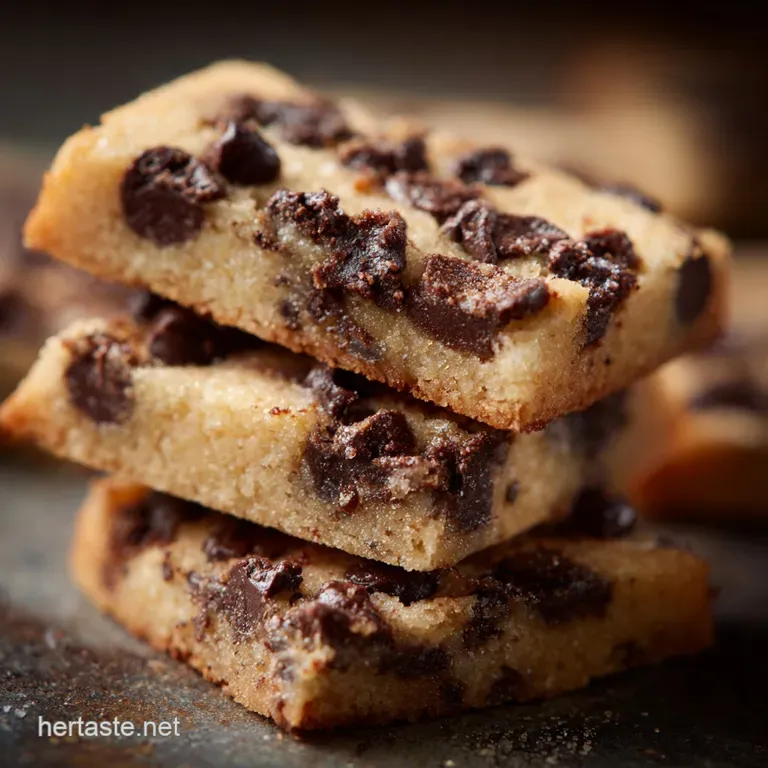
Ready? This is the easy part, but we must be precise about temperature and timing. Get that oven preheated to 325°F (160°C). Remember: low and slow is the mantra for perfect shortbread.
The Mixing Technique: Achieving the Right Sandy Base
- Prep and Dry Mix: Line your 9x9 inch pan with parchment paper, allowing an overhang. Sift your flour and icing sugar into a stand mixer bowl, adding that essential pinch of salt. Sifting prevents lumps and ensures a smooth finished biscuit.
- Add Cold Butter: Scatter your cold, small cubes of unsalted butter over the dry mixture. Start mixing on low speed with the paddle attachment, or use a pastry cutter by hand.
- Achieve the Sand: Mix until the entire mixture looks exactly like coarse sand or fine breadcrumbs. There should be no large chunks of butter visible. Stop immediately! This step is paramount for achieving that signature melt-in-your mouth crumb.
Incorporating Chocolate Chips and Forming the Dough Disc
- Flavour Boost: Stir in your vanilla extract quickly. Now, gently fold in those mini chocolate chips by hand using a spatula. Do not use the mixer here; you don't want to smash the chips or overwork the dough.
- Press and Pack: Transfer the beautiful crumbly dough into your prepared pan. Use the flat bottom of a cup or your clean knuckles to press the dough down very firmly and evenly across the pan. The firmer the pack, the less crumbling later when you serve them.
- Chill Out: Place the entire pan into the refrigerator. Let it chill for a minimum of 30 minutes. This critical step stops any unwanted spreading.
Precise Baking Times and Visual Cues for Doneness
- Score and Dock: Remove the chilled dough. Using a sharp knife or pizza cutter, gently score the surface into the 16 squares or fingers you plan to cut later. Then, prick the entire surface repeatedly with a fork (docking). This allows steam to escape, preventing air bubbles.
- Bake Low and Slow: Bake for 20– 25 minutes at 325°F (160°C). The shortbread is perfectly done when it looks mostly pale, slightly matte, and the very edges are just starting to turn a light, faint golden brown. If it browns heavily on top, you’ve overbaked it, and it will be tough.
Cooling and Resting: The Critical Final Step for Crispness
- Cut Warm, Cool Cold: Take the pan out and immediately use the sharp knife to cut all the way through the pre-scored lines while the shortbread is still warm and soft. This prevents splintering when it cools.
- The Waiting Game: Let the shortbread cool completely in the pan on a wire rack for at least 30 minutes. Do not rush this process! This step finishes setting the buttery structure. Once fully cool, lift out the shortbread using the parchment overhang and separate your beautiful biscuits.
Troubleshooting and Expert Tips for Cracking Shortbread
We’ve all been there a batch that spreads or crumbles into a million pieces. Here are the issues I struggled with most often and how to beat them easily.
Preventing Dough Spread: The Cold Temperature Strategy
If your shortbread spreads and looks thin or oily, your butter was either too warm when mixing or your dough wasn't chilled long enough. Solution: Use only butter diced straight from the fridge, and always enforce that minimum 30 minute chill time before baking.
If your kitchen is hot, chill for longer!
Dealing with Excessively Crumbly Dough (The Quick Fix)
If your mixture looks like dust and won’t hold together at all when pressed, you likely didn't mix the butter in quite enough, or you might have slightly mis-measured the flour.
Solution: Add 1 tablespoon of ice-cold water or milk and mix just until it barely comes together enough to press firmly into the pan. This usually is all it takes to give it that necessary little bit of binding power.
Achieving Uniform Cuts and Edges
The secret is the score and cut timing. Scoring the cold dough before baking gives you a clean roadmap, and cutting completely through the warm shortbread right out of the oven ensures clean, sharp lines.
If you wait until it’s fully cool to cut, I guarantee it will shatter into jagged, messy pieces.
How to Store and Freeze Chocolate Chip Shortbread for Maximum Freshness
But does it freeze well? You bet. Shortbread is a holiday baker's dream because it lasts so long and freezes perfectly without losing texture.
Shelf Life and Optimal Airtight Storage
Once completely cool, store your shortbread in an airtight container at room temperature. Because of the extremely high butter content and low moisture, these biscuits keep wonderfully well. They stay deliciously crisp for 5 to 7 days, though mine honestly rarely last past the second day.
Freezing Baked and Unbaked Dough Safely
If you want to bake ahead for the holidays, you can easily freeze the cut, unbaked shortbread shapes on a baking sheet until they are solid. Transfer them to a freezer bag and store for up to 3 months.
Bake the shortbread straight from frozen, adding just 3– 5 minutes to the total baking time. You can also freeze the fully baked and cooled biscuits; just thaw them overnight at room temperature before serving.
Elegant Ways to Serve Your Buttery Shortbread Treats
Shortbread is perfect solo, but sometimes you want a little more flair, especially if you’re serving guests or making a dessert platter.
Ideal Drink Pairings (Tea, Coffee, Milk)
A classic shortbread demands a proper hot drink to complement all that richness. I think the buttery profile is absolutely perfect with strong English Breakfast Tea or a robust, dark roast espresso. For a total change of pace, you could try using these as the base for something fudgy, like they do in my recipe for Chocolate Coconut Brownies The Ultimate Fudgy Dream Bars Recipe .
Serving Suggestions for Dessert
These are amazing dipped into leftover ganache or simply served alongside a scoop of high-quality vanilla bean ice cream. I also love arranging these alongside other classic biscuits, like my elegant Raspberry Linzer Heart Cookies Elegant Almond Shortbread Recipe for a beautifully varied cookie box offering. Enjoy every buttery bite!
Recipe FAQs
Why did my shortbread turn out tough instead of delicate and crumbly?
Shortbread relies on minimal gluten development to maintain its signature crumbly, sandy texture. If your shortbread is tough, it means the dough was overworked after the flour was incorporated. Ensure you mix only until the flour is just combined and press the dough together using your hands rather than kneading it.
Do I really need to chill the shortbread dough before baking?
Yes, chilling is a critical step for perfect shortbread, which has a very high fat content. Chilling firms up the butter, preventing the biscuits from spreading excessively and losing their shape during the hot baking process. Aim for at least 30 minutes of chilling time, though an hour or more is ideal.
Can I use granulated sugar instead of caster or powdered sugar?
While substitution is possible, using only granulated sugar will slightly alter the shortbread's texture, making it crunchier rather than classically melt-in-the-mouth. Caster (superfine) or powdered sugar dissolves much more readily into the butter, which is essential for achieving the smooth, homogeneous crumb structure.
My shortbread has a slightly pale color even though it’s fully baked. Is this normal?
Absolutely. Authentic shortbread should remain very pale blonde, sometimes only marginally darker than the raw dough. Overbaking or allowing it to brown significantly will dry it out and compromise the buttery flavour profile. The shortbread is ready when the edges are set and just starting to turn light gold.
How should I store the leftover shortbread, and can I freeze it?
Shortbread is an excellent keeper. Store the completely cooled biscuits in an airtight container at room temperature for up to two weeks, layered with parchment paper if needed. You can also freeze the baked shortbread for up to three months; thaw it completely in the container to prevent condensation.
Can I make this recipe gluten-free or dairy-free (vegan)?
This recipe adapts beautifully to dietary needs. For a gluten-free version, substitute the standard flour with a high-quality 1:1 gluten-free blend that contains xanthan gum. To make it vegan, replace the traditional butter with an equal amount of a high fat, solid vegan butter stick designed for baking.
Why did the chocolate chips sink to the bottom of the dough during baking?
Sinking usually happens if the chips are too heavy or if the dough was too warm and soft when it entered the oven. Try chopping the chocolate into smaller shards instead of using large chips.
Additionally, ensure your dough is thoroughly chilled and firm before you begin baking, as this helps hold the inclusions in place.
Classic Four Ingredient Chocolate Chip Shortbrea
Ingredients:
Instructions:
Nutrition Facts:
| Calories | 234 kcal |
|---|---|
| Protein | 2.0 g |
| Fat | 14.0 g |
| Carbs | 25.0 g |
