The Sticky Toffee Delight Cinnamon Roll Apple Cobbler
- Why This Cinnamon Roll Apple Cobbler is Your New Fall Favorite
- Gathering Your Supplies for the Best Cinnamon Roll Apple Cobbler
- Selecting and Preparing Your Core Components
- Step-by-Step Guide to Assembling Your Cobbler
- Mastering the Bake and Achieving Golden Perfection
- Troubleshooting and Expert Tips for Your Next Batch
- Recipe FAQs
- 📝 Recipe Card
Why This Cinnamon Roll Apple Cobbler is Your New Fall Favorite
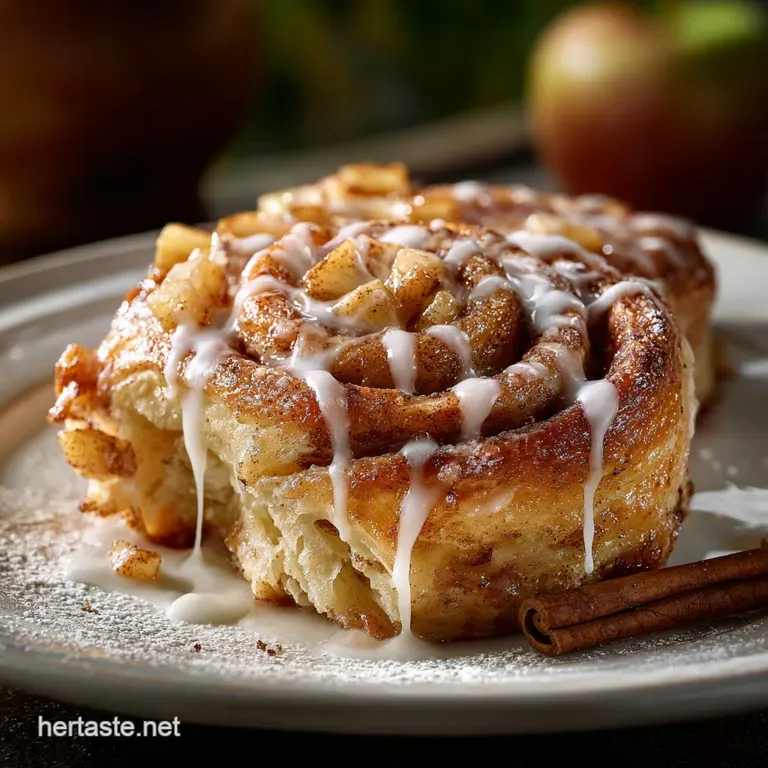
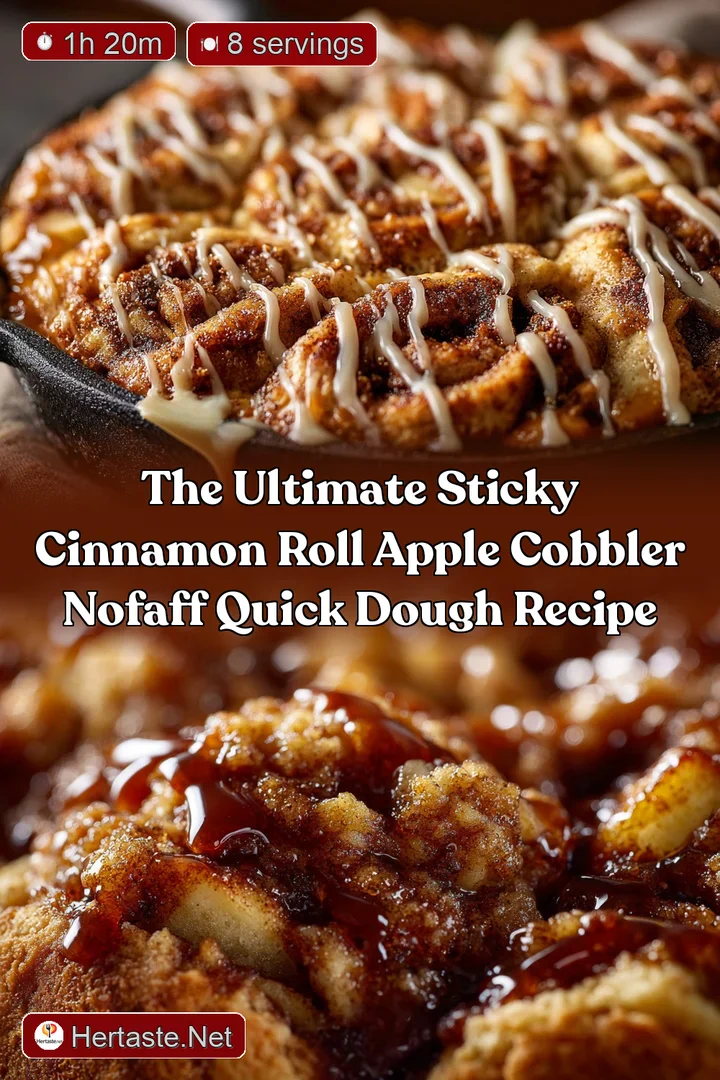
Few things define cozy kitchen comfort like a bubbling fruit cobbler, yet we believe every classic deserves a delicious upgrade. This Cinnamon Roll Apple Cobbler marries the best of warm, spiced autumnal baking with the unmistakable joy of a sticky, tender cinnamon bun.
It transforms a standard apple filling into an event, layering bright, tart apples with a buttery, brown sugar infused topping that bakes up chewy and irresistibly fragrant. It’s hearty enough for a holiday table but simple enough to throw together on a rainy Sunday afternoon.
The Delicious Difference: When Cobbler Meets Sticky Bun
Traditional cobbler features dollops or dropped biscuits, providing a flaky but simple crust. We are moving far beyond that standard by replacing it entirely with a quick, laminated dough that replicates the buttery layers and spiral structure of a classic sweet roll.
This ensures every bite of the spiced apple base thickened perfectly with sugar and flour is crowned with a portion of genuine cinnamon sugar goodness. Forget the basic crust; this is a Cinnamon Bun Apple Cobbler experience, providing that deeply satisfying chew and sticky texture that regular biscuits simply cannot deliver.
If you're tired of making a basic Apple Cobbler With Cinnamon Rolls by slicing up store-bought rolls, this scratch made approach takes the flavor profile to the next level.
Skipping the Yeast: Achieving That Signature Swirl Without the Wait
The secret weapon in this recipe is speed. While the result tastes like hours of proofing, our topping is actually a quick, high fat scone dough. By incorporating one stick (one-half cup) of ice-cold butter into two cups of all-purpose flour along with a generous tablespoon of baking powder, we generate all the lift we need chemically.
This means we achieve the tender crumb and excellent rise required for the "roll" structure without the commitment of a yeast based recipe. The dough is rolled thin, brushed with three tablespoons of melted butter, layered thick with a brown sugar and spice mix, and then sliced into 12 portions, offering maximum swirl effect in a fraction of the time.
A Comfort Dessert Masterpiece for the Home Cook
This recipe, designed to serve 8 generously, is categorized as medium difficulty not because it’s technically challenging, but because handling the cold scone dough requires a little finesse. However, the overall process is incredibly streamlined.
With an active prep time of just 25 minutes, followed by 45 to 50 minutes of baking, you can have a magnificent Cinnamon Roll Casserole ready in just over an hour.
The end result is a high impact, low-stress dessert that proves truly homemade comfort food doesn’t have to consume your entire weekend.
Gathering Your Supplies for the Best Cinnamon Roll Apple Cobbler
The beauty of this dessert lies in using kitchen staples that transform into something truly extraordinary. We divide the necessary components into four key stages: the deeply spiced apple filling, the fast acting scone dough base, the sticky brown sugar swirl layer, and the simple vanilla glaze finish.
For the filling, expect to use substantial amounts of fruit around six large apples combined with pantry basics like granulated and brown sugars, flour, and key spices like ground cinnamon and nutmeg.
For the topping, the quality of your butter is paramount, as is ensuring you have the necessary all-purpose flour, baking powder, salt, and cold milk ready to go. Preparing all these measured ingredients (mise en place) before starting is the fastest way to success.
Selecting and Preparing Your Core Components
Success in baking starts long before the oven preheats. Ensuring you have the right type and quantity of ingredients is essential for achieving the perfect texture and flavour balance.
Choosing the Perfect Apple Variety for Baking Stability
When creating a cobbler, the goal is tender, not mushy. We require apples that maintain their structural integrity throughout the 45-minute bake time. I recommend using firm, tart varieties such as Granny Smith or slightly sweeter, firmer options like Gala or Braeburn.
You will need approximately four pounds, or six large apples, which must be peeled, cored, and sliced evenly about one-quarter inch thick. This uniform slicing ensures that all the fruit becomes fork tender simultaneously, preventing some slices from becoming overcooked while others remain firm.
The Simple Pantry Staples Needed for the Buttery Scone Topping
The texture of the topping relies on specific measurements and temperatures. To build our quick scone dough, you’ll combine two cups of all-purpose flour with one tablespoon of baking powder and half a teaspoon of fine sea salt.
The crucial fat component is one stick (half cup) of very cold, unsalted butter, cut into small cubes. The moisture comes from three quarters of a cup of cold milk. Keeping both the butter and the milk chilled is essential; warm butter melts into the flour, yielding a tough dough instead of the desired flaky, light crumb.
Recommended Bakeware and Kitchen Tools Checklist
The ideal vessel for baking this Cinnamon Roll Apple Cobbler is a sturdy 9x13 inch ceramic or glass baking dish. This size allows for optimal heat distribution and ensures a sufficient ratio of apple filling to topping.
Beyond standard mixing bowls, you will require a pastry blender (or a fork, or even a food processor used quickly) to cut the cold butter into the flour. A rolling pin is necessary to achieve the quarter inch dough thickness, and I highly recommend using a piece of unflavoured dental floss instead of a knife to slice the rolled log, as this prevents the delicate spirals from squishing out of shape.
Mastering the Cinnamon Sugar Ratio for Maximum Flavor
We use cinnamon in two places to build deep flavour complexity. In the apple filling, a modest mix of one teaspoon of ground cinnamon and half a teaspoon of nutmeg ensures the fruit tastes bright and spiced, not overwhelmingly sweet.
The topping, however, requires a serious dose of spice for that sticky bun authenticity. For the spiral layer, you will blend one full tablespoon of ground cinnamon with one-third cup of packed brown sugar.
This ratio, combined with three tablespoons of melted butter brushed onto the dough, guarantees a gooey, caramelized layer when baked.
Related Recipes Worth Trying
- The Autumn Delight Healthy Spiced Apple Pie Smoothie for Breakfast — Skip the oven faff This Spiced Apple Pie Smoothie captures the nostalgic comfort of British crumble in a flash Its the perfect Smoothie Recipes Healthy...
- Showstopping Cinnamon Apple Dutch Baby The Ultimate Puff Pancake Recipe — Achieve the perfect puff This Cinnamon Apple Dutch Baby Recipe melts warm winter spices with caramelized apples for a truly easy dessert Crispy edges...
- The Ultimate Cozy Cuppa Homemade Vanilla Cinnamon Milk Tea — Learn how to make vanilla cinnamon milk tea at home This comforting recipe is easy balanced and far better than takeaway Perfect for a rainy afternoon
step-by-step Guide to Assembling Your Cobbler
Before you start, preheat your oven to 375° F ( 190° C) and lightly grease your 9x13 inch baking dish. The assembly process begins with the filling.
In a large bowl, toss the prepared sliced apples with one tablespoon of lemon juice and two tablespoons of melted butter. Separately, combine the thickening agents: one-half cup of granulated sugar, one-quarter cup of packed brown sugar, two tablespoons of flour (or cornstarch for thickening), the cinnamon, and the nutmeg.
Pour this dry mix over the apples and toss until everything is coated. Spread the filling evenly in the prepared dish. Next, quickly make the dough, cut in the cold butter, and add the cold milk just until it forms a shaggy ball.
Roll the dough into the specified rectangle, brush with melted butter, sprinkle with the high impact cinnamon sugar mix, roll tightly, and slice into 12 even pieces. Finally, arrange these slices spiral side up across the top of the apple filling, leaving a small space between each slice to allow for expansion.
Mastering the Bake and Achieving Golden Perfection
The baking stage is where the magic truly happens, transforming the raw components into the ultimate comfort dessert. Careful attention to temperature and timing is key to ensuring both the apples and the topping cook perfectly.
Phase One: Mixing and Seasoning the Apple Base
The initial phase is ensuring your apple base is ready to withstand the heat. The six large apples are tossed with a melted butter and lemon juice mixture which helps prevent oxidation and adds richness.
The dry seasoning mix (including one teaspoon of vanilla extract) is then incorporated, ensuring the two tablespoons of flour are evenly distributed. This flour is critical, as it interacts with the apple juices released during baking to create a thick, luscious sauce rather than a watery syrup, setting the stage for a perfect Cinnamon Roll Apple Crisp texture beneath the spiral topping.
Crafting the Quick Cinnamon Scone Dough
The goal here is a quick assembly. After combining the dry ingredients (two cups flour, baking powder, salt), the half cup of cold cubed butter must be worked in rapidly, either using a pastry blender or by pulsing briefly in a food processor, until the mixture looks like coarse sand mixed with pea-sized pieces of butter.
Immediately add the three quarters cup of cold milk and mix minimally with a fork just enough for the dough to cling together. Overworking the dough develops gluten, resulting in a tough topping, which defeats the purpose of the flaky roll structure.
The Art of Arranging the Topping for Maximum Swirl Effect
Once your quick scone dough is ready, dust your surface lightly and roll it out into a rectangle approximately one-quarter inch thick (about 14x10 inches). Brush generously with the three tablespoons of melted butter, then evenly sprinkle the mixture of one-third cup brown sugar and one tablespoon cinnamon.
Roll the dough tightly starting from the long edge closest to you. Slice the log into 12 one-inch pieces. Place these individual cinnamon roll slices, cut side up, atop the prepared apple filling.
Arranging them slightly apart allows the hot air to circulate, resulting in beautifully golden brown swirls and maximizing the sticky caramelization between the rolls.
Optimal Oven Temperature and Timing Secrets
Baking occurs at 375° F ( 190° C). This temperature is hot enough to achieve a golden, puffy top quickly while providing sufficient time for the dense apple filling to become tender. The optimal cooking time is between 45 and 50 minutes.
It is critical to watch the color of the topping; if the rolls begin to brown too aggressively before the apples are done (typically around the 30-minute mark), loosely tent the baking dish with aluminium foil to shield them from direct heat.
Testing for Doneness and Cooling Instructions
The cobbler is finished when the internal filling is visibly bubbling thickly around the edges and through the gaps in the topping, and the cinnamon rolls are deeply golden brown and cooked through.
To confirm the apples are ready, carefully insert a thin skewer or knife through a gap in the topping into the fruit; there should be minimal resistance. Once removed from the oven, allow the Cinnamon Roll Apple Cobbler to rest on a wire rack for at least 10 minutes.
This slight cooling period allows the steam to dissipate and the filling to set up properly. Only after this rest period should you whisk together the vanilla glaze (one cup sifted powdered sugar, vanilla, and 2-3 tablespoons of milk or cream) and drizzle it generously over the warm spirals.
Troubleshooting and Expert Tips for Your Next Batch
Even the best recipes can benefit from a few pro tips to ensure flawless results every time, especially when dealing with the delicate balance of fruit and pastry.
How to Prevent a Soggy Bottom (The Ultimate Cobbler Pitfall)
A watery filling leads to a disappointing, soggy bottom. The key defense here is the two tablespoons of all-purpose flour (or cornstarch) added to the apple mixture. Ensure this thickener is thoroughly mixed with the sugars and spices and coats all the apple slices before they enter the baking dish.
Plus,, make sure your cobbler bakes until the filling is vigorously bubbling. This bubbling stage indicates the internal temperature is high enough for the starch to fully activate and thicken the juices, ensuring a stable, sauce like texture.
make-ahead Strategies and Freezer Storage Guidelines
This Cinnamon Roll Apple Cobbler is excellent for preparing ahead. You can fully assemble the dish apple filling layered with the sliced, unbaked rolls cover it tightly with plastic wrap, and refrigerate for up to 12 hours.
If baking from cold, add an extra 10 to 15 minutes to the baking time. Leftovers should be cooled completely, covered, and stored in the refrigerator for up to four days.
To freeze, bake the cobbler completely (without the glaze), cool it entirely, cover it tightly with foil and plastic, and freeze for up to two months. Reheat the defrosted cobbler in a 350° F ( 175° C) oven until warmed through, then glaze.
The Best Ice Cream and Sauces to Pair With This Dish
The rich, warm spice of the cobbler demands a cool, creamy contrast. A high-quality Vanilla Bean Ice Cream is the classic accompaniment, offering a cold counterpoint to the warm spirals. For a more sophisticated pairing, a drizzle of warm Crème Anglaise (vanilla custard) provides luxurious richness.
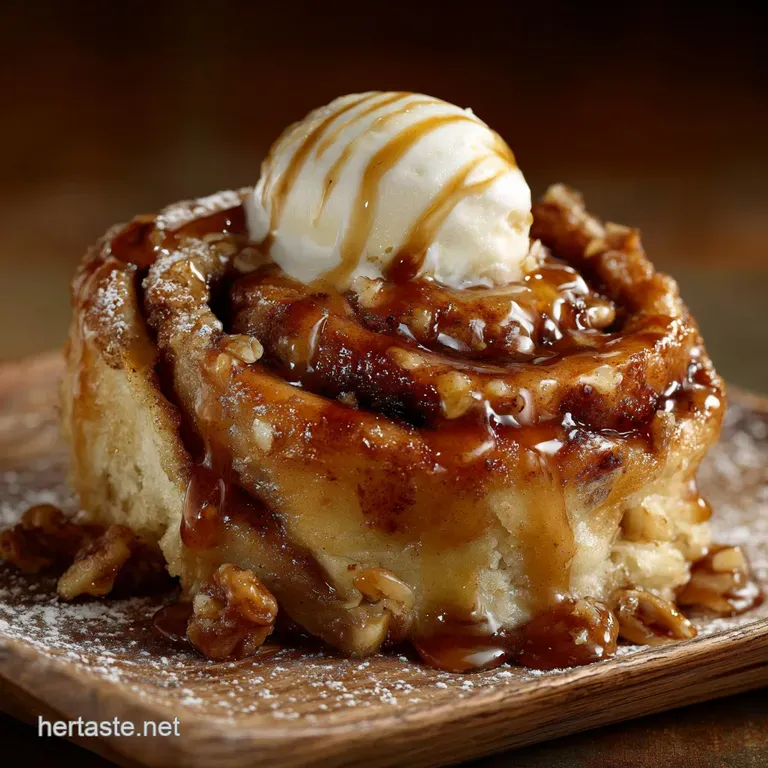
If you want to lean into the sticky bun aesthetic, a homemade salted caramel sauce drizzled over the top before or after the glaze dramatically enhances the butterscotch notes of the brown sugar.
Adapting the Recipe: Alternative Fruit Fillings and gluten-free Swaps
The beauty of this recipe is its adaptability. For a simplified, slightly quicker approach, some home cooks opt for the pre-made convenience of a semi scratch Pillsbury Cinnamon Roll Apple Cobbler , utilizing canned rolls.
However, if you are committed to scratch baking but want flexibility, you can swap out half the apples for firm Bosc or Anjou pears and introduce half a teaspoon of ground ginger for a brighter flavour.
For those needing a gluten-free option, substitute the all-purpose flour in the topping with a measure for-measure gluten-free baking blend that includes xanthan gum. Finally, while we use the oven for the best browning, this recipe can be converted into a fantastic Crockpot Apple Cobbler With Cinnamon Rolls by placing the filling in the slow cooker and laying the rolls on top for a low and slow cook, though the topping will likely be softer rather than crusty.
Recipe FAQs
My cinnamon rolls didn't rise and came out a bit flat. Did I mess up the dough?
This cobbler uses a quick scone style dough, not yeast, so the magnificent rise depends entirely on keeping your butter ice-cold. If the butter was too warm or you overmixed the dough (handling it like a regular bread dough), the butter melted before baking, preventing that glorious steam powered puff.
Keep everything fridge cold, and handle the dough as little as possible we're aiming for shaggy, not smooth!
I’m hosting a Sunday lunch; can I prepare this Cinnamon Roll Apple Cobbler the night before?
Good thinking! You can prep the apple filling entirely and keep it covered in the fridge. For the topping, prepare the dough, roll, and slice the cinnamon rolls, but stop there. Store the unbaked rolls tightly covered in the fridge overnight.
Assemble and bake the whole thing fresh the next day for the best texture; baking the dough wet can lead to a soggy bottom, which is strictly forbidden!
Which apples should I use for the filling to avoid getting mushy applesauce?
You absolutely need a firm, tart apple that can stand up to the long bake time, otherwise, you'll end up with a watery catastrophe! Braeburn, Honeycrisp, or classic Granny Smiths (for that lovely tartness) are your best bet.
Their structure holds beautifully, giving you that perfect textural contrast against the soft, sticky cinnamon rolls. Avoid soft dessert apples like McIntosh.
Could I just use a tube of refrigerated pre-made cinnamon rolls instead of making the dough?
While tempting for a quick cheat, the refrigerated rolls tend to be much softer and rise dramatically higher than this specific quick dough, sometimes overwhelming the apple filling. If you're short on time, use the pre-made roll dough, but slice them slightly thinner (about 3/4 inch).
Be prepared to tent the dish with foil halfway through the bake to stop them from browning too quickly.
We have mountains of leftovers! How should I store and reheat this cobbler?
Leftovers are splendid, provided you store them properly. Cover the dish tightly with cling film once fully cooled and keep it in the fridge for up to four days. To reheat, cover it loosely with foil and pop it back in a 350°F (175°C) oven for about 15 20 minutes, or until warmed through and smelling glorious.
Reheating in the oven helps crisp up the rolls again, unlike the microwave, which can make them a bit chewy.
Cinnamon Roll Apple Cobbler Recipe
Ingredients:
Instructions:
Nutrition Facts:
| Calories | 1279 kcal |
|---|---|
| Protein | 7.7 g |
| Fat | 50.5 g |
| Carbs | 87.7 g |
| Fiber | 16.6 g |
| Sodium | 168 mg |
