Chinese Beef and Broccoli Stir Fry
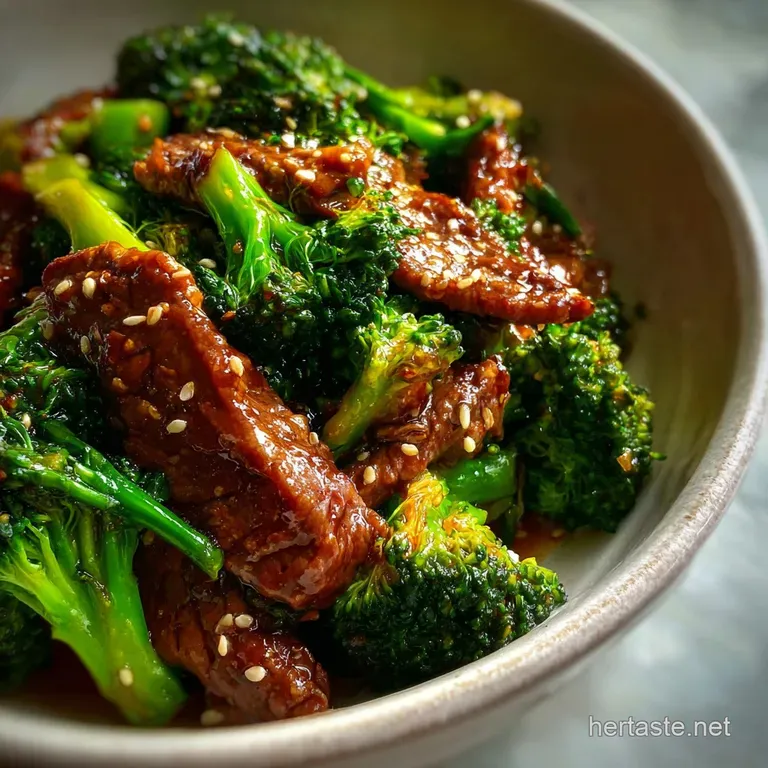
- Time: Active 15 minutes, Passive 10 minutes, Total 25 minutes
- Flavor/Texture Hook: Savory umami glaze with velvety beef and crisp tender greens
- Perfect for: Busy weeknights when you want takeout flavor without the delivery fee
- Discover Why You Will Love This Savory Beef and Broccoli
- Critical Recipe Specs for the Home Chef
- Component Analysis of Your Stir Fry Elements
- Choosing High Quality Elements for Your Stir Fry
- Minimal Tools for Restaurant Quality Results
- Simple Steps for a Vibrant Stir Fry
- Solving Common Textural Issues in Your Kitchen
- Adjusting This Recipe for Larger or Smaller Crowds
- Debunking Common Misconceptions About Homemade Stir Fry
- Storage and Zero Waste Strategy
- Finishing Your Dish with Authentic Visual Flair
- Very High in Sodium
- Recipe FAQs
- 📝 Recipe Card
Discover Why You Will Love This Savory Beef and Broccoli
That first sizzle when the beef hits the smoking hot pan is a sound I never get tired of hearing. It’s the sound of a weeknight dinner being rescued from the mundane. I remember the years I spent trying to replicate that specific "silkiness" of the meat you get at high end Chinese spots, only to end up with chewy, dry strips that felt like rubber bands.
I was missing the one tiny secret ingredient sitting in my pantry: baking soda. Once I cracked that code, my kitchen finally smelled like the local wok house, and I haven't looked back since.
This version of the classic stir fry is all about efficiency without sacrificing the depth of flavor. We aren't just tossing things in a pan, we're layering textures. You get the crunch of the broccoli, the slippery smoothness of the beef, and a sauce that has enough body to coat a spoon.
It’s a vibrant, colorful meal that feels a bit more special than your average Tuesday night fare, yet it only requires a single large skillet if you play your cards right.
We've all been there, staring at a takeout menu because we're too tired to cook. But trust me on this, by the time the delivery driver finds your house, you could already be sitting down to a plate of this.
It’s faster, fresher, and you get to control exactly how much ginger and garlic goes into that glossy sauce. Plus, there is something deeply satisfying about mastering a dish that usually feels out of reach for a home cook.
Critical Recipe Specs for the Home Chef
The Science of the Velvet Bite
Baking soda works by raising the pH level on the surface of the meat, which prevents the protein strands from tightening up and squeezing out moisture when they hit high heat. This creates a physical barrier that keeps the interior juicy while the exterior develops a slippery, velvety texture.
| Cut Thickness | Internal Temp | Rest Time | Visual Cue |
|---|---|---|---|
| 1/8 inch strips | 145°F | 2 minutes | No pink visible in the center |
| 1/4 inch strips | 145°F | 3 minutes | Edges start to curl and brown |
| 1/2 inch cubes | 150°F | 5 minutes | Deep mahogany crust on all sides |
Understanding these small details makes a massive difference in the final result. If you've ever enjoyed the technique used in our Crockpot Corned Beef recipe, you know that texture is just as important as seasoning when it comes to beef. While that recipe uses low and slow heat to break down connective tissue, this stir fry uses chemistry to achieve tenderness in seconds.
Component Analysis of Your Stir Fry Elements
| Ingredient | Science Role | Pro Secret |
|---|---|---|
| Baking Soda | Protein Tenderizer | Rinse the beef or use very sparingly to avoid a metallic aftertaste. |
| Cornstarch | Moisture Barrier | Acts as a "velvet" coating for the meat and a thickener for the glaze. |
| Oyster Sauce | Umami Foundation | Provides the salty, earthy depth that anchors the entire flavor profile. |
| Dark Soy Sauce | Coloring Agent | This is strictly for that deep, rich mahogany color, not just for salt. |
Choosing high-quality Elements for Your Stir Fry
To get the best results, you need to be intentional with your shopping list. Here is exactly what I use to make this dish pop every single time.
- 1 lb flank steak: Sliced thinly against the grain. Why this? Flank has long fibers that become incredibly tender when velveted and seared.
- Substitute: Sirloin or skirt steak work beautifully if flank is unavailable.
- 1 tsp baking soda: The secret to the texture.
- Substitute: None. This is the chemical tenderizer we need.
- 1 tbsp light soy sauce: Adds the necessary salt to the marinade.
- Substitute: Tamari for a gluten-free option.
- 2 tbsp cornstarch: Divided for the marinade and the sauce.
- Substitute: Arrowroot powder works as a 1:1 replacement.
- 1 tsp toasted sesame oil: For that nutty aroma.
- Substitute: Peanut oil if you have a sesame allergy.
- 1/3 cup low sodium beef broth: The liquid base for our sauce. Why this? Using low sodium allows you to control the saltiness from the soy sauces.
- Substitute: Chicken broth or water in a pinch.
- 1/4 cup oyster sauce: The soul of the dish.
- Substitute: Vegetarian mushroom sauce for a similar umami hit.
- 2 tbsp dark soy sauce: For that signature dark color.
- Substitute: Double up on regular soy sauce with a pinch more sugar.
- 1 tbsp brown sugar: Balances the salt.
- Substitute: Honey or coconut sugar.
- 1 tbsp Chinese Shaoxing wine: Adds complexity.
- Substitute: Dry sherry or extra beef broth.
- 1 lb fresh broccoli florets: Cut into bite sized pieces.
- Substitute: Broccolini or even snap peas.
- 3 cloves garlic: Minced fresh.
- Substitute: 1 tsp garlic powder (but fresh is far superior).
- 1 tbsp fresh ginger: Grated.
- Substitute: 1/2 tsp ground ginger.
- 2 tbsp neutral oil: For over high heat frying.
- Substitute: Grapeseed or canola oil.
Building a complex sauce like this is a fundamental skill, similar to the foundational techniques taught in my Meat Stock recipe. Having those savory building blocks ready to go makes the actual cooking process feel like a breeze.
Minimal Tools for Restaurant Quality Results
You don't need a professional grade wok to make incredible Beef and Broccoli. While a wok is traditional, a large, heavy bottomed stainless steel or cast iron skillet works just as well because it retains heat effectively.
Chef's Tip: Freeze your steak for 15 minutes before slicing. It firms up the fat and muscle, allowing you to get those paper thin, restaurant style strips without struggling with a slippery piece of meat.
Beyond the pan, you'll need a sharp chef's knife for those thin slices and a couple of mixing bowls. One bowl is for the beef marinade, and a second one is for whisking the sauce ingredients together.
Using a microplane for the ginger and a garlic press for the cloves will save you a lot of prep time, making this a truly efficient weeknight meal.
Simple Steps for a Vibrant Stir Fry
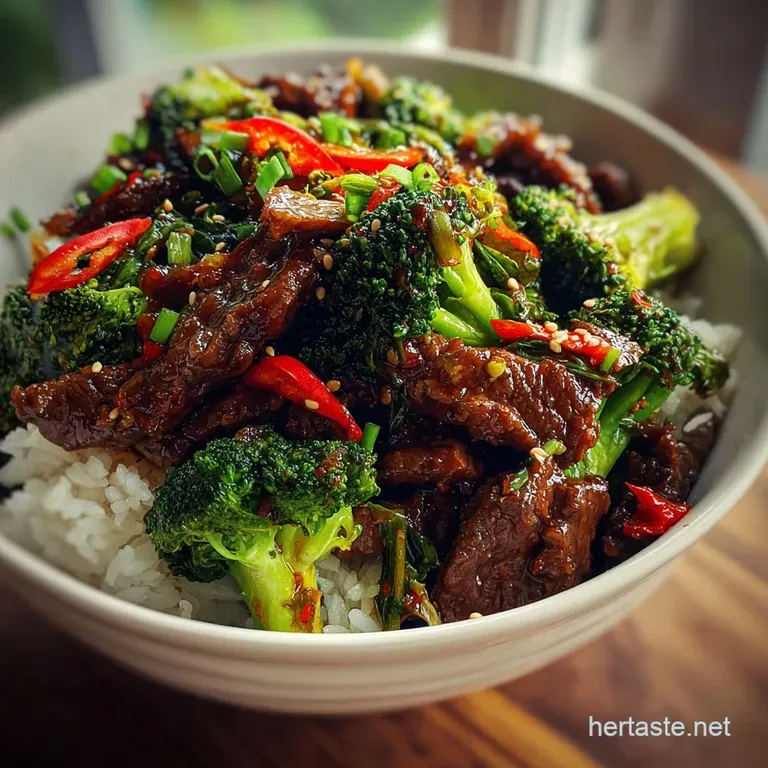
- Slice the beef. Cut the 1 lb flank steak into thin strips against the grain. Note: Cutting against the grain breaks up the tough fibers.
- Velvet the protein. Toss the beef with 1 tsp baking soda, 1 tbsp light soy sauce, 1 tbsp cornstarch, and 1 tsp sesame oil. Let it sit for 10 minutes to tenderize.
- Whisk the sauce. In a small bowl, combine 1/3 cup beef broth, 1/4 cup oyster sauce, 2 tbsp dark soy sauce, 1 tbsp brown sugar, 1 tbsp Shaoxing wine, and the remaining 1 tbsp cornstarch.
- Blanch the broccoli. Place the 1 lb broccoli florets in the pan with a splash of water, cover, and steam for 2 minutes until vibrant green and slightly softened. Remove and set aside.
- Heat the oil. Wipe the pan dry and add 2 tbsp neutral oil over medium high heat until it starts to shimmer and smoke slightly.
- Sear the beef. Add the beef strips in a single layer. Cook for 2 minutes without moving them to develop a crust, then flip and cook for 1 more minute.
- Bloom the aromatics. Push the beef to the side and add the 3 minced garlic cloves and 1 tbsp grated ginger. Fry for 30 seconds until fragrant.
- Combine everything. Return the broccoli to the pan and pour the sauce over the top.
- Thicken the glaze. Toss everything together for 1-2 minutes until the sauce is glossy and clings to the beef.
- Serve immediately. Remove from heat and plate while the steam is still rising.
Solving Common Textural Issues in Your Kitchen
Why Your Beef is Tough
The most common culprit for chewy meat is skipping the velveting step or slicing with the grain instead of against it. If you see long lines running through your meat strips, you've sliced with the grain, making it hard to chew.
If the meat is already cooked and tough, there isn't much you can do for that batch, but next time, ensure that baking soda marinade gets at least 10 minutes of quality time with the beef.
If the Sauce is Too Thick
Sometimes the cornstarch works a little too well, or the pan was too hot, causing the liquid to evaporate too quickly. This results in a "gloopy" or paste like consistency rather than a smooth glaze. Don't panic; it's an easy fix.
| Problem | Root Cause | Solution |
|---|---|---|
| Gloopy Sauce | Too much starch or heat | Whisk in 2 tbsp of warm beef broth or water to thin it out. |
| Gray Meat | Overcrowded pan | Cook the beef in two batches to ensure it sears instead of steams. |
| Soggy Broccoli | Over steaming | Flash cool the broccoli in a bowl of ice water if you aren't ready to stir fry yet. |
If you ever find yourself craving a different style of beef, you might enjoy my PanSeared Beef Medallions recipe, which focuses on a more traditional Western searing technique.
Common Mistakes Checklist
- ✓ Pat the beef dry if it seems wet before adding the marinade to help the cornstarch stick.
- ✓ Never skip the sugar; even a small amount is needed to cut through the salt of the oyster sauce.
- ✓ Ensure your garlic is finely minced so it distributes evenly rather than leaving bitter chunks.
- ✓ Don't add the sauce until the pan is back up to high heat, or it will take too long to thicken.
- ✓ Use fresh ginger rather than the bottled paste for a much cleaner, sharper flavor profile.
Adjusting This Recipe for Larger or Smaller Crowds
If you are cooking for a crowd, do not simply double everything and throw it in the pan. A standard home stove cannot maintain high enough heat to sear 2 lbs of beef at once. You will end up with a watery mess.
Instead, cook the beef in batches, removing each batch to a plate once seared, and then combine everything at the very end when you add the sauce.
For scaling down, halving the recipe is straightforward. However, for the aromatics like garlic and ginger, I usually keep the original amounts. A little extra flavor never hurt anyone! When reducing the sauce, keep an eye on it as it will thicken much faster in a large pan than the full recipe would.
| Feature | Premium Option | Budget Alternative | Flavor Impact |
|---|---|---|---|
| Beef Cut | Ribeye strips | Chuck steak (thinly sliced) | Ribeye is fattier; Chuck needs longer velveting. |
| Sweetener | Manuka Honey | Granulated White Sugar | Honey adds floral notes; sugar is neutral. |
| Veggies | Fresh Broccoli | Frozen Broccoli Florets | Frozen is softer; fresh has a "shatter" crunch. |
Debunking Common Misconceptions About Homemade Stir Fry
One of the biggest myths is that you absolutely must have a high BTU gas burner and a hand hammered wok to make "real" stir fry. While "wok hei" (the breath of the wok) is a real culinary phenomenon, you can achieve 90% of that flavor on a standard electric stove with a heavy skillet.
The key isn't the shape of the pan, but the heat retention of the material.
Another myth is that soy sauce is the only seasoning you need. In reality, soy sauce provides the salt, but the oyster sauce and Shaoxing wine provide the complexity. Without those two, your Beef and Broccoli will taste flat and one dimensional.
Don't be afraid of the "funky" smell of oyster sauce in the bottle; once it hits the pan and mingles with the sugar and ginger, it transforms into something magical.
Storage and Zero Waste Strategy
Leftover stir fry is arguably better the next day because the broccoli has had more time to soak up the sauce. Store it in an airtight container in the fridge for up to 3 days. When reheating, avoid the microwave if possible, as it can turn the beef rubbery.
Instead, toss it back into a hot skillet with a teaspoon of water to loosen the sauce.
For a zero waste approach, don't throw away those broccoli stems! Peel the tough outer skin with a vegetable peeler, slice the tender interior into matchsticks, and toss them right in with the florets. They have a wonderful sweetness and a crunch that rivals water chestnuts.
If you have extra sauce leftover, it freezes beautifully in an ice cube tray and can be used to flavor a quick bowl of noodles later in the week.
Finishing Your Dish with Authentic Visual Flair
Presentation is the final step that makes a homemade meal feel like a restaurant experience. I love to garnish my Beef and Broccoli with a heavy sprinkle of toasted sesame seeds for crunch and a handful of thinly sliced green onions cut on a sharp bias.
The bright green of the onions against the dark, glossy sauce makes the whole dish pop.
Serve this over a bed of fluffy jasmine rice or even some simple lo mein noodles. If you're feeling fancy, use a small bowl to mold the rice into a perfect dome on the plate before topping it with the stir fry. It takes ten seconds but elevates the entire visual experience for whoever you are serving.
After all, we eat with our eyes first!
Very High in Sodium
1280 mg mg of sodium per serving (56% of daily value)
The American Heart Association recommends limiting sodium intake to about 2,300mg per day.
Sodium Reduction Tips for this Recipe
-
Broth Substitution-30%
Replace the low-sodium beef broth with homemade, unsalted beef stock or water. This will significantly lower the sodium content.
-
Oyster Sauce Reduction-20%
Reduce the amount of oyster sauce by half or substitute with a low-sodium mushroom based sauce or a mixture of soy sauce and molasses. Oyster sauce is a major sodium contributor.
-
Soy Sauce Swap-15%
Use low-sodium soy sauce and dark soy sauce. Even better - reduce the amount used by half and replace with a vinegar (like black vinegar) to still have a bold taste.
-
Meat Prep-10%
Skip the baking soda meat tenderizer. It contains sodium that could be avoided. Instead, physically tenderize the flank steak with a meat mallet.
-
Spice it Up!
Enhance the flavor with sodium free herbs and spices like black pepper, garlic powder (in addition to fresh), ginger powder (in addition to fresh), or red pepper flakes.
Recipe FAQs
What is Chinese beef and broccoli sauce made of?
The base is typically a mix of oyster sauce, dark soy sauce, and broth. You need oyster sauce for deep umami, dark soy for color, and cornstarch to create the necessary thickening body that allows the glaze to cling perfectly to the meat and vegetables.
How do Chinese restaurants get beef so tender?
They use a chemical tenderizing technique called velveting, usually with baking soda. Baking soda raises the pH of the meat’s surface, preventing the proteins from tightening up too much when they hit high heat, resulting in that signature silky texture.
What kind of beef do Chinese restaurants use for beef and broccoli?
Flank steak is the most common choice, followed by skirt or sirloin. These cuts are lean enough for quick searing but possess muscle fibers that respond well to the velveting process, yielding excellent tenderness when sliced thinly against the grain.
What makes beef and broccoli so tender?
The combination of baking soda velveting and cooking over extremely high heat is the secret. The baking soda tenderizes during marination, and the quick, high heat sear seals in moisture, which is a key principle in mastering quick cook beef like this; if you enjoyed learning about quick cooking texture control here, see how the same principle applies to getting perfect results in our PanSeared Beef Medallions recipe.
Should I rinse the beef after marinating with baking soda?
Yes, it is highly recommended if you are concerned about residual flavor. A quick rinse under cold water washes away excess baking soda residue, which prevents any metallic or soapy aftertaste in the final product.
How can I prevent the sauce from being runny or too thick?
Ensure your cornstarch is fully dissolved in a cold liquid before adding it to the hot pan. Whisk the cornstarch into the broth (the liquid base) first to create a smooth slurry, then pour it in while tossing constantly until the sauce just begins to bubble and thicken to a light glaze.
Can I use leaner cuts like eye of round for this recipe?
No, lean cuts like eye of round are difficult to keep tender in a fast stir fry. They lack the intramuscular fat needed to stay juicy when cooked quickly; for best results, choose flank or sirloin, similar to the cuts we utilize in our Homemade Chili Recipe where fat content impacts mouthfeel.
Chinese Beef And Broccoli
Ingredients:
Instructions:
Nutrition Facts:
| Calories | 358 kcal |
|---|---|
| Protein | 29.1 g |
| Fat | 17.4 g |
| Carbs | 21.2 g |
| Fiber | 3.8 g |
| Sugar | 6.5 g |
| Sodium | 1280 mg |
