Chicken Thighs Slow Cooker: Sticky Honey Garlic
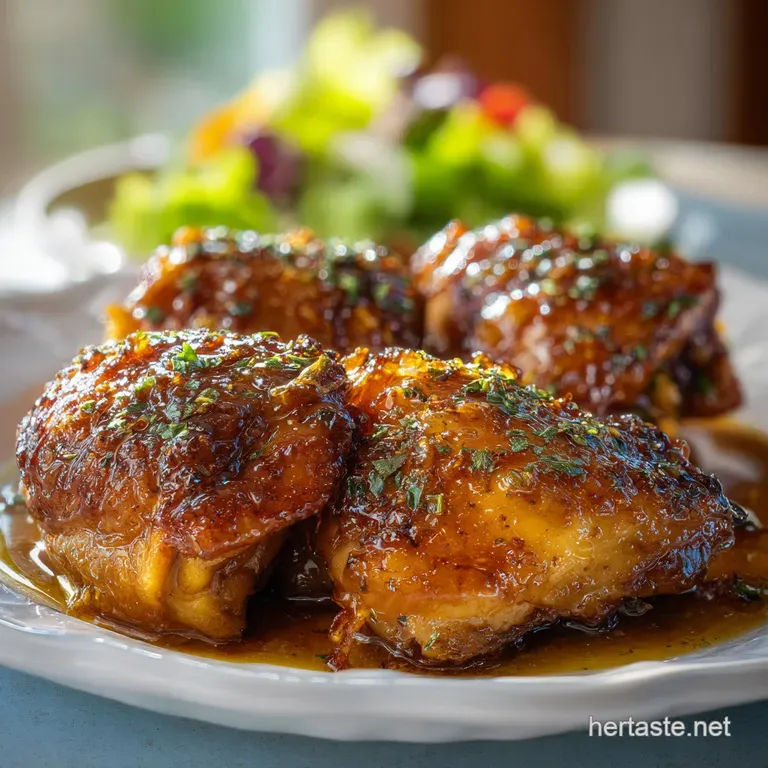
- Time: Active 15 minutes, Passive 4 hours, Total 4 hours 15 mins
- Flavor/Texture Hook: Unctuous, sticky sweet glaze with tender meat
- Perfect for: Hectic weeknights or stress free meal prep
- Succulent Honey Garlic Chicken Thighs Slow Cooker
- Why This Recipe Just Works
- Essential Ingredient Deep Dive
- Selecting Your Essential Elements
- Equipment for the Perfect Braise
- Step by Step Cooking Process
- Common Mistakes and Quick Fixes
- Flavor Swaps and Easy Substitutes
- Adjusting the Serving Size
- Debunking Common Kitchen Myths
- Storing and Reusing Your Leftovers
- Serving Tips and Fresh Pairings
- High in Sodium
- Recipe FAQs
- 📝 Recipe Card
Succulent Honey Garlic Chicken Thighs Slow Cooker
Picture this: you walk through your front door after a long, rainy Tuesday, and the first thing that hits you isn't the smell of damp coats or old mail. Instead, it's the warm, sharp scent of fresh ginger and the deep, caramelized aroma of honey soaked garlic.
It’s that instant "mental exhale" when you realize dinner isn't a chore, it’s already waiting for you in a pot of bubbling, glossy goodness.
I’ll be honest, I used to think the crockpot was only for soups or those watery pot roasts we all grew up with. But then I tried making chicken thighs slow cooker style, and everything changed.
The way the dark meat breaks down into succulent ribbons while the honey reduces into a thick, lip smacking lacquer is something you just can't replicate in a frying pan in twenty minutes.
This recipe is my go to when I want maximum flavor with minimal physical effort. We’re talking about a sauce that is so rich and savory, you’ll want to spoon it over everything in sight.
We’ve all had those "dump and go" meals that turn out bland, but we're doing things a bit differently here to make sure every bite is a total knockout.
Why This Recipe Just Works
- Collagen Conversion: Slow cooking at 190°F to 210°F turns tough connective tissue into silky gelatin.
- Osmotic Balance: The salt in the soy sauce draws seasoning deep into the muscle fibers.
- Enzymatic Tenderizing: Fresh ginger contains zingibain, a protease that naturally softens protein structures.
- Maillard Prep: Searing the meat before slow cooking creates complex flavor molecules that survive the braise.
| Thickness | Internal Temp | Rest Time | Visual Cue |
|---|---|---|---|
| 1 inch | 175°F | 5 mins | Meat pulls apart easily |
| 1.5 inches | 175°F | 8 mins | Glaze is bubbling and thick |
| 2 inches | 175°F | 10 mins | Surface is glossy and dark |
When you aim for 175°F with thighs, you're hitting the sweet spot where the meat is fully tender but hasn't become mushy. Unlike breasts, which dry out past 165°F, thighs actually improve as they climb a little higher in temperature because that extra heat is what melts the fat and collagen.
Essential Ingredient Deep Dive
| Ingredient | Science Role | Pro Secret |
|---|---|---|
| Raw Honey | Hygroscopic Sweetener | Use darker honey for more intense floral notes |
| Soy Sauce | Umami Provider | Low sodium prevents the sauce from becoming a salt bomb |
| Rice Vinegar | Acidic Brightener | Cuts through the heavy fat of the dark meat |
| Cornstarch | Hydrocolloid Thickener | Always mix with cold water to prevent lumpy starch balls |
Every component here serves a purpose beyond just tasting good. If you love the sticky sweet profile we're building here, you might also find the technique in my Addictive Char Siu recipe really interesting, as it uses a similar sugar to protein ratio to get that signature shine.
Selecting Your Essential Elements
- 2 lbs boneless skinless chicken thighs: Why this? Dark meat stays juicy during long cook times without drying out. (Substitute: Chicken drumsticks)
- 1/2 cup raw honey: Why this? Provides the base for the sticky, caramelized glaze texture. (Substitute: Maple syrup)
- 1/2 cup low sodium soy sauce: Why this? Adds deep savory saltiness without overpowering the other flavors. (Substitute: Tamari or Liquid Aminos)
- 1/4 cup rice vinegar: Why this? The acidity balances the sugar and cuts the richness. (Substitute: Apple cider vinegar)
- 6 cloves garlic, minced: Why this? Essential aromatic that mellows and sweetens as it slow cooks. (Substitute: 1.5 tsp garlic powder)
- 1 tbsp fresh ginger, grated: Why this? Adds a sharp, spicy top note that cuts through the honey. (Substitute: 1 tsp ground ginger)
- 1 tsp red pepper flakes: Why this? Provides a subtle back of-the throat heat to balance the sweetness. (Substitute: Sriracha)
- 1 tsp Kosher salt & 1/2 tsp cracked black pepper: For seasoning the raw meat.
- 2 tbsp neutral oil: For the initial sear.
- 2 tbsp cornstarch & 3 tbsp cold water: For the final thickening slurry.
Chef Tip: Freeze your fresh ginger for 10 minutes before grating. It makes the fibers firm so the ginger turns into a fine paste rather than a stringy mess in your sauce.
Equipment for the Perfect Braise
You don't need a kitchen full of gadgets, but a few specific tools make a world of difference. A 6 quart slow cooker is the ideal size for this amount of meat, giving the thighs enough room to stay submerged in the sauce without being crowded.
I also highly recommend using a heavy bottomed stainless steel or cast iron skillet for the initial sear. You want something that can hold high heat so the chicken browns quickly without cooking all the way through.
A good set of locking tongs will be your best friend when moving the slippery, glazed thighs from the pot to the serving platter.
step-by-step Cooking Process
- Season the meat. Pat the 2 lbs boneless skinless chicken thighs dry with paper towels and sprinkle with 1 tsp Kosher salt and 1/2 tsp black pepper. Note: Dry meat sears better than damp meat.
- Sear the chicken. Heat 2 tbsp neutral oil in a skillet over medium high heat. Brown the thighs for 3 minutes per side until a golden crust forms.
- Whisk the sauce. In a medium bowl, combine 1/2 cup honey, 1/2 cup soy sauce, 1/4 cup rice vinegar, 6 cloves minced garlic, 1 tbsp grated ginger, and 1 tsp red pepper flakes.
- Layer the pot. Place the seared chicken into the slow cooker insert.
- Add the liquid. Pour the honey garlic mixture over the chicken, making sure every piece is coated.
- Slow cook. Cover and cook on LOW for 4 hours until the meat is fork tender.
- Create the slurry. In a small jar, shake together 2 tbsp cornstarch and 3 tbsp cold water until smooth.
- Thicken the sauce. Remove the chicken from the pot. Whisk the slurry into the hot liquid and turn the slow cooker to HIGH for 15 minutes until the sauce is thick and glossy.
- Combine and glaze. Return the chicken to the pot and toss it in the thickened sauce to coat completely.
- Rest and serve. Let the dish sit for 5 minutes before serving to let the glaze set.
If you’re in the mood for something with a much brighter, citrusy profile that uses a similar pan sauce technique, you should definitely check out my Zesty Lemon Garlic recipe for your next meal.
Common Mistakes and Quick Fixes
Why Your Sauce Is Watery
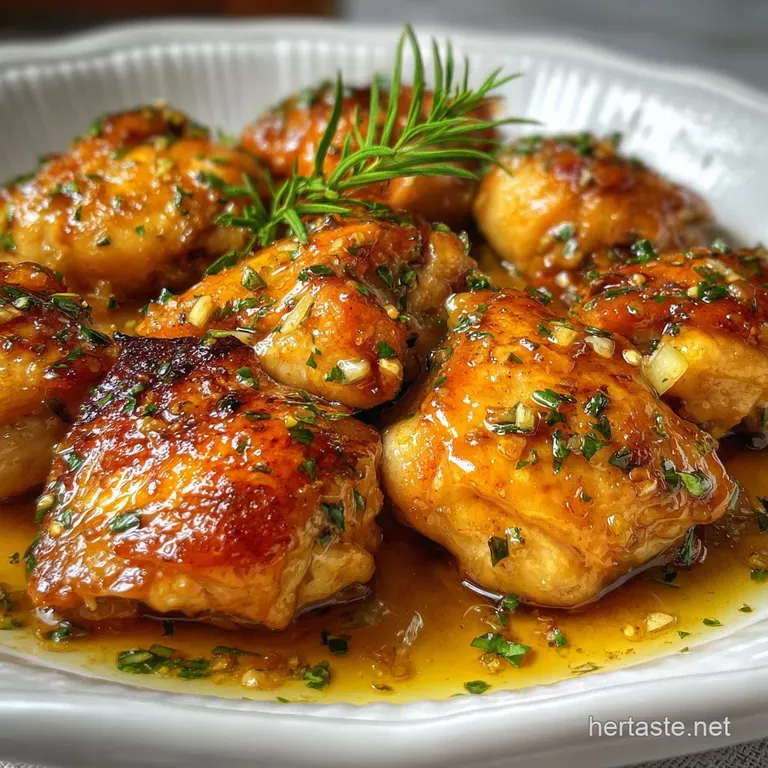
Slow cookers trap steam, which turns into water and thins out your sauce. If you find your glaze is more like a soup, it’s likely because the chicken released more moisture than expected. Always use the cornstarch slurry at the very end on the "high" setting to bind those liquids into a velvety coating.
Why the Chicken Feels Dry
Even with thighs, you can overcook them. If they are sitting in the pot on the "Warm" setting for three hours after the timer goes off, the fibers will eventually toughen up and lose their moisture. Try to time your meal so you can pull them out as soon as they hit that 175°F mark.
| Problem | Root Cause | Solution |
|---|---|---|
| Bitter Sauce | Burnt garlic during sear | Add garlic to the liquid mix, not the hot pan |
| Too Salty | High sodium soy sauce | Add a squeeze of lime juice or more honey |
| Pale Meat | Skipping the sear | Always brown the meat in a skillet first |
Common Mistakes Checklist: ✓ Never put frozen chicken directly into the slow cooker (it stays in the danger zone too long). ✓ Don't skip the sear - that's where 50% of your flavor comes from. ✓ Use fresh ginger whenever possible; the bottled stuff lacks the necessary enzymes.
✓ Always mix cornstarch with COLD water; hot water makes it clump instantly. ✓ Resists the urge to open the lid - every peek adds 15 minutes to the cook time.
Flavor Swaps and Easy Substitutes
| Original Ingredient | Substitute | Why It Works |
|---|---|---|
| Honey (1/2 cup) | Brown Sugar (1/2 cup) | Provides similar sweetness. Note: Sauce will be slightly less viscous. |
| Rice Vinegar | Lime Juice | Adds a fresh, tropical acidity. Note: Changes the flavor profile toward Thai/Mexican. |
| Soy Sauce | Coconut Aminos | Soy free and lower glycemic index. Note: Slightly sweeter and less salty. |
If you want to take this in a different direction, you can easily turn this into a Mexican style braise by swapping the soy and ginger for lime juice, cumin, and chipotle peppers. The technique remains exactly the same, proving how versatile this method is.
Adjusting the Serving Size
- To cut the recipe in half: Use a smaller 3 quart slow cooker. Keep the cook time the same, as the thickness of the meat determines the timing more than the total volume. Use half an egg to bind any side dishes if needed.
- To double the recipe: You’ll need a large 7-8 quart slow cooker. Increase the salt and spices by only 1.5x to avoid over seasoning. You may need to sear the chicken in batches to avoid crowding the pan.
- For a crowd: This recipe scales beautifully for parties. You can even keep the finished, glazed chicken in the slow cooker on the "Warm" setting for up to an hour during a potluck.
Debunking Common Kitchen Myths
Myth: You must add water to the slow cooker. Truth: Chicken thighs release a significant amount of liquid as they cook. Adding extra water or broth usually results in a diluted, flavorless sauce that won't thicken properly. The honey and soy sauce provide all the liquid you need.
Myth: Slow cooking "seals in" the juices. Truth: Juiciness is a function of temperature and fat content. Slow cooking actually causes moisture loss, but in thighs, the melting fat and collagen replace that moisture with a rich mouthfeel.
The sear is for flavor (Maillard reaction), not for "trapping" juice.
Storing and Reusing Your Leftovers
Storage: Store any leftovers in an airtight container in the fridge for up to 4 days. The sauce will thicken into a jelly like consistency when cold this is just the natural gelatin from the chicken and is a sign of a great braise!
Freezing: This dish freezes exceptionally well. Place the cooked chicken and sauce in a heavy duty freezer bag for up to 3 months. To reheat, thaw overnight in the fridge and warm it gently on the stovetop with a splash of water to loosen the glaze.
Zero Waste Tip: Don't throw away the leftover sauce! If you have extra glaze but no chicken left, toss it with some roasted broccoli or use it as a base for a quick stir fry the next day. It’s pure liquid gold.
Serving Tips and Fresh Pairings
The classic way to serve this is over a bed of fluffy white jasmine rice to soak up all that incredible honey garlic sauce. If you’re looking for a low carb alternative, cauliflower rice works surprisingly well because it doesn't compete with the bold flavors of the glaze.
I always like to add a "crunch factor" at the end. A handful of sliced green onions and a sprinkle of toasted sesame seeds add a fresh contrast to the soft, tender meat. For a side dish, quick steamed bok choy or snap peas provide a nice snap that cuts through the richness of the unctuous chicken.
If you want a more substantial meal, you could even serve these thighs alongside some crispy roasted potatoes.
Regardless of how you plate it, the most important part is that final drizzle of sauce. After the cornstarch has done its job and that liquid is shimmering, make sure every single piece of chicken gets a generous bath before it hits the table.
Your friends will think you spent all day hovering over a stove, and you can just sit back and enjoy the "how did you make this?" compliments.

High in Sodium
845 mg mg of sodium per serving (37% of daily value)
The American Heart Association recommends limiting sodium intake to 2,300mg per day.
Tips to Reduce Sodium in This Recipe
-
Choose Sodium Free Soy Sauce-25%
Replace the low-sodium soy sauce with a sodium free version. This can significantly reduce the overall sodium content.
-
Reduce Added Salt-20%
Decrease the amount of added salt in the recipe. Try using only 1/4 tsp of Kosher salt instead of 1 tsp.
-
Adjust Honey
Consider slightly increasing the honey to balance the flavors if you are reducing the soy sauce amount, this will maintain a pleasant taste.
-
Spice It Up!
Enhance the flavor with sodium free spices and herbs. Experiment with different combinations to find your favorite taste.
Recipe FAQs
How long do you cook chicken thighs in a slow cooker?
On low, cook for 4 hours. Boneless, skinless chicken thighs typically take about 4 hours on the low setting until they are fork tender and ready to be glazed. If using bone-in thighs, you might need an extra hour.
Can you put raw chicken thighs in a slow cooker?
Yes, you can put raw chicken thighs in a slow cooker. The slow cooker is designed to cook food thoroughly from raw, breaking down connective tissues and making the meat tender over several hours. Just ensure they are fully submerged in liquid for safe cooking.
Is it better to cook chicken thighs on high or low in a slow cooker?
Low is generally better for tender thighs. Cooking on low allows the connective tissues to break down gradually, resulting in exceptionally tender and moist chicken. High heat can sometimes lead to tougher, drier meat if cooked for too long.
Can you put chicken thighs in a slow cooker without liquid?
No, it's not recommended to cook chicken thighs without any liquid. While chicken thighs release some moisture, a base liquid like broth, sauce, or even water is essential for even cooking and to prevent the bottom from scorching. The liquid also helps create steam, which is crucial for tenderizing the meat, similar to the braising method used in SlowCooker Recipe Classic Beef Stew Recipe: 90 Minute Secret.
What temperature should chicken thighs reach in a slow cooker?
Aim for an internal temperature of 175°F. While 165°F is the USDA safe minimum, chicken thighs benefit from cooking a bit higher in the slow cooker. This extra heat melts the fat and collagen, making the meat incredibly tender and succulent, without becoming dry.
How do you thicken slow cooker chicken thigh sauce?
Use a cornstarch slurry. After the chicken is cooked, remove it from the slow cooker. Whisk together 2 tablespoons of cornstarch with 3 tablespoons of cold water until smooth, then stir this slurry into the liquid in the slow cooker.
Cook on high for about 15 minutes until the sauce thickens and becomes glossy.
Can I substitute chicken breasts for thighs in a slow cooker?
Yes, but adjust the cooking time and method. Chicken breasts cook much faster and can dry out easily in a slow cooker. It's often better to sear them first and cook on low for only 2-3 hours, or consider using them in a recipe like Homemade Chicken Alfredo Silky Dreamy Easy where they are cooked more gently.
Chicken Thighs Slow Cooker
Ingredients:
Instructions:
Nutrition Facts:
| Calories | 394 calories |
|---|---|
| Protein | 37.6 g |
| Fat | 12.8 g |
| Carbs | 31.2 g |
| Fiber | 0.4 g |
| Sugar | 27.2 g |
| Sodium | 845 mg |
