The Sunday Best Slowsmoked Beef Ribs with Bourbon Glaze
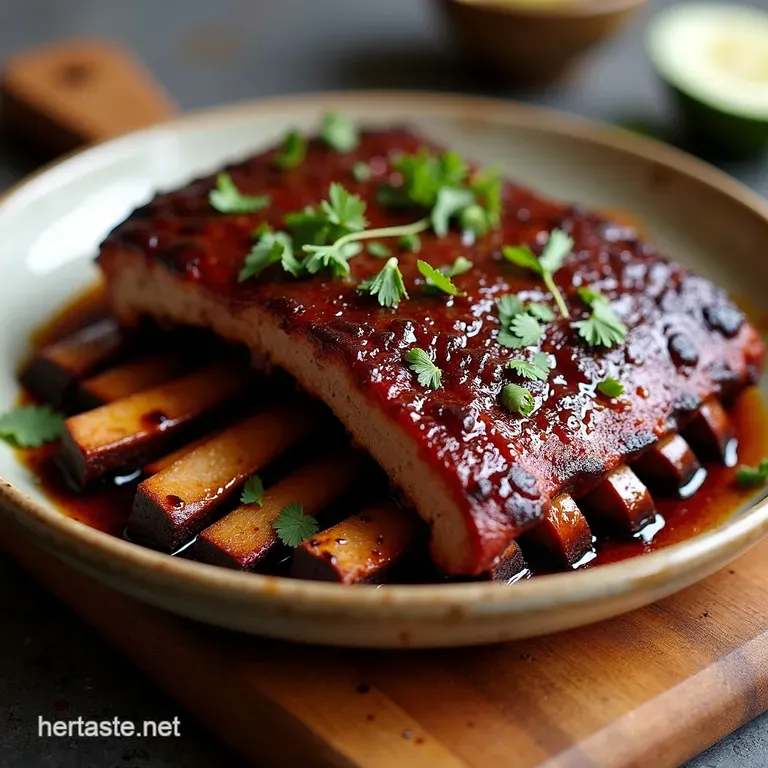
- Unlocking The Secrets To Fall-Off-The-Bone Beef Ribs Recipe Mastery
- Why This Low-and-Slow Method Reigns Supreme
- The Essential Components for Flavor-Packed Beef Ribs
- The Technique: Achieving Unrivaled Tenderness in This Beef Ribs Recipe
- Glazing and Finishing for That Sticky Exterior
- Maximizing Your Leftovers and Customizing Your Cook
- Frequently Asked Questions
- 📝 Recipe Card
Unlocking The Secrets To Fall Off-The-Bone Beef Ribs Recipe Mastery
There are few culinary experiences as deeply satisfying as sinking your teeth into a perfectly cooked beef rib. We're not talking about dry, stringy meat; we are aiming for that legendary "fall off-the-bone" texture, steeped in smoke and finished with a sticky, sweet glaze.
This comprehensive Beef Ribs Recipe is designed to deliver that authentic, low-and-slow barbecue flavour right in your home kitchen, regardless of whether you own a dedicated smoker or prefer the reliability of your oven.
Achieving this level of tenderness requires patience, but the active preparation is surprisingly straightforward, making it achievable even for the dedicated weeknight cook ready to step up their game.
Why This Low-and-Slow Method Reigns Supreme
The magic behind truly great beef ribs lies in time, not high heat. Beef ribs, especially those thick cut back ribs, contain significant amounts of tough connective tissue, primarily collagen. Applying high heat quickly renders this collagen tough and chewy.
Our featured Beef Ribs Recipe utilizes a controlled, low temperature environment around 275° F ( 135° C) which allows that collagen to slowly break down into luscious, moist gelatin over several hours.
This process is key to achieving that melt-in-your mouth result we crave.
The Unforgettable Bourbon Glaze Component
While the slow cook builds the foundation of tenderness, the finish is where personality shines. Our signature component elevates these ribs: a rich Bourbon Glaze. This glaze balances the savoury rub with sweetness from brown sugar and molasses, tang from apple cider vinegar, and the deep, oaky complexity of quality bourbon.
It’s brushed on during the final phase, caramelizing under gentle heat to form that signature sticky, slightly charred exterior characteristic of the best BBQ Beef Ribs .
Setting Expectations: Tender Perfection Achieved
With a total cooking time approaching seven hours, this is a project, but the hands-on effort is minimal only about 30 minutes of active prep. We have rated the difficulty as Medium; not because the steps are complex, but because the success hinges on respecting the timing required for the meat to transform.
If you are looking for an even simpler alternative, cooking these low and slow in a Slow Cooker Beef Ribs setup is possible, though achieving the final caramelized glaze crust requires a quick transfer to the oven or grill at the end.
A Straightforward Path to BBQ Glory
Our goal here is maximizing flavour and tenderness without requiring specialized smoking equipment. While dedicated pitmasters might opt for a Traeger Beef Ribs Recipe or traditional offset smoker, this method adapts beautifully to the home oven, yielding results comparable to professional results.
This is truly an Easy Beef Ribs Recipe provided you set aside the necessary afternoon for the lengthy, yet hands off, cooking process.
The Essential Components for Flavor Packed Beef Ribs
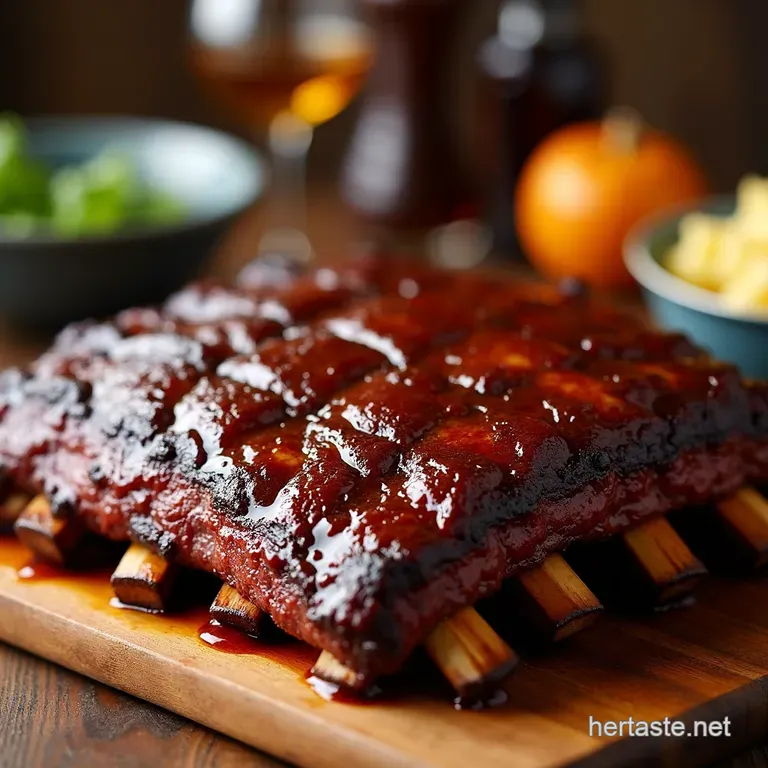
Before we start the clock, assembling high-quality components is non-negotiable. Great ribs are built in layers: the meat, the dry rub, and the finishing sauce. For our featured Beef Ribs Recipe , we are focusing on beef plate ribs, known for their heft and marbling.
While these ribs can be cooked in a Smoked Beef Ribs setup, our oven method provides a fantastic baseline for moisture retention.
Sourcing Superior Beef Plate Ribs
Select racks that look hefty, with a good amount of visible fat marbling beneath the surface of the meat. The membrane on the back of the ribs (the silverskin) must be removed; it traps moisture and remains chewy no matter how long you cook the meat.
Use the edge of a spoon or a dull knife to gently lift a corner of the membrane near the bone, then grip it with a paper towel for traction and peel it off completely. This simple step is crucial for succulent, Fall Off The Bone Beef Ribs .
The Glaze Ingredients: Bourbon, Brown Sugar, and Spice
The Beef Ribs with Homemade BBQ Sauce component requires a thoughtful balance. The ketchup base provides body, the vinegar cuts the richness, and the bourbon adds an essential depth.
Don't skip the molasses; it contributes a dark, robust sweetness that complements the char far better than plain sugar alone. A quick simmer of these ingredients in a saucepan thickens the sauce just enough to cling beautifully to the meat during the final moments of cooking.
Tools Required for Optimal Smoke Penetration
While we are baking, we want the environment to mimic the controlled moisture loss of smoking. You will need a large roasting pan fitted with a wire rack. Placing the ribs on a rack ensures that air circulates completely around the meat, allowing the dry rub to set evenly, rather than stewing in rendered fat at the bottom of the pan.
Heavy duty aluminium foil is also essential for the critical wrapping stage, creating a tight seal to lock in the moisture for hours.
Related Recipes Worth Trying
- The Best Oven Beef Ribs FallOffTheBone Tender — Discover the secret to tender beef ribs oven cooking This low and slow recipe ensures fall off the bone results without the smoker hassle
- FallOfftheBone Beef Ribs with Smoky Bourbon Glaze — Learn the secrets to unbelievably tender Beef Ribs using a low and slow oven braise This Easy Beef Ribs Recipe finishes with a sticky glaze that will wow...
- The Best Homemade Granola Recipe Perfectly Crunchy Easy — Tired of bland storebought cereal Master this easy granola recipe for perfect clusters Its the ultimate crunchy toasted breakfast staple
The Technique: Achieving Unrivaled Tenderness in This Beef Ribs Recipe
Our chosen cooking method uses the principles of braising (through the tight foil wrap) combined with dry heat cooking to achieve that coveted tenderness. We are using a low oven temperature of 275° F ( 135° C).
The initial 4 to 5 hours are dedicated solely to breaking down the collagen structure into gelatin, which lubricates the muscle fibres, resulting in incredibly juicy meat.
A probe thermometer is your best friend here; we are looking for the meat to feel "probe tender" when inserted between the bones, typically registering around 200– 205° F (93– 96° C).
Glazing and Finishing for That Sticky Exterior
Once the meat is tender, it’s time to introduce flavour and texture via the glaze. This transition requires careful temperature management to prevent burning the sugars in the Beef Ribs with Homemade BBQ Sauce .
Prep Phase: Rub Application and Resting Protocol
After removing the membrane, generously coat the ribs on all sides with your savoury dry rub blend. Press the seasoning firmly into the meat. The next step is vital: let the seasoned ribs rest, uncovered, in the refrigerator for at least one hour.
This allows the salt in the rub to begin its work, drawing moisture to the surface, dissolving the rub components, and creating a superior flavour layer often called a "bark" when it hits the heat.
Phase One: The Low-and-Slow Initial Cook Schedule
Position the prepared ribs on the wire rack over the roasting pan. Once the oven is preheated to 275° F ( 135° C), seal the entire assembly tightly with heavy duty foil.
This seal traps steam, which is essential for softening the connective tissue without drying out the exterior. Cook undisturbed for 4 to 5 hours, monitoring only for time and general tenderness feel.
The Crucial Foil Wrap: Locking in Moisture
Do not be tempted to unwrap the ribs early. The foil wrap creates a moist, low-temperature environment, essential for transforming tough collagen into yielding gelatin. Think of this phase as a long, flavourful steam bath that tenderizes the meat to perfection before we introduce the caramelizing heat.
Final Moments: Basting and Caramelization
After the initial low cook, carefully remove the foil. Increase the oven heat to 350° F ( 175° C). Generously brush the top surface of the ribs with your homemade Bourbon Glaze. Return the uncovered ribs to the oven for 20 minutes.
Remove again, apply a second thick coat of glaze, and cook for a final 10 to 15 minutes. The goal is a beautiful, mahogany crust sticky, slightly caramelized, but not burnt. A final 15-minute rest, loosely tented, allows the internal juices to redistribute before slicing.
Maximizing Your Leftovers and Customizing Your Cook
Even the most enthusiastic crowd can struggle to finish a full rack of tender beef ribs. Fortunately, these leftovers are excellent, but require careful storage and reheating to maintain that Fall Off The Bone quality.
Storage Secrets: Keeping Them Juicy for Days
The key to storing cooked ribs is moisture retention. Once cooled, slice the ribs between the bones. Wrap the pieces tightly first in plastic wrap, and then place them inside an airtight container or zip-top bag. Store in the refrigerator for up to four days.
When reheating, place the wrapped ribs in a small amount of liquid (a splash of water or beef stock) and bake them, covered, at 300° F ( 150° C) until heated through, replenishing that steam environment.
Flavor Twists: Alternative Glaze Inspirations
While our Bourbon Glaze is fantastic, experimentation is encouraged. For a sweeter, almost dessert like finish, try substituting the bourbon with dark cherry juice and a tablespoon of balsamic vinegar.
Alternatively, for a deeper umami profile that mimics some Smoked Beef Ribs preparations, you can incorporate dark soy sauce and grated fresh ginger into your glaze recipe.
Understanding Internal Temperature Milestones
Knowing your temperatures is the difference between guesswork and reliable cooking. Remember these key markers for this Beef Ribs Recipe : 160° F ( 71° C) is where the rub sets and colour deepens; 185° F ( 85° C) is when the meat begins to feel noticeably soft; and the target range of 200– 205° F (93– 96° C) indicates that the collagen has fully converted, signaling the perfect moment to move to the glazing phase.
Troubleshooting Common Rib Challenges
If your ribs finish and still feel tough, it almost always points to insufficient time or heat penetration during the low-and-slow stage. The solution is simple: re-wrap them tightly in foil and return them to the 275° F oven for another hour or two.
If the glaze burns before the meat is tender, you increased the heat too quickly; next time, ensure the internal temperature hits at least 195° F before applying the glaze and raising the oven temperature.
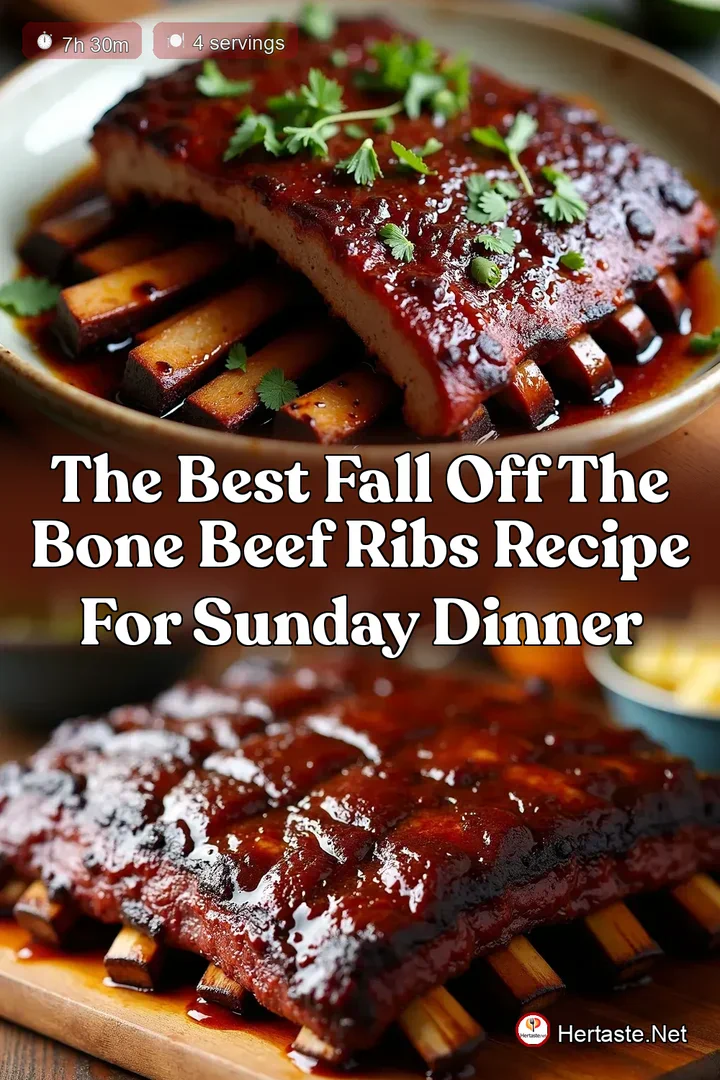
Frequently Asked Questions
How do I ensure my Beef Ribs Recipe comes out fall off-the-bone tender?
The secret lies entirely in the low-and-slow approach; patience is key, so don't skimp on the cooking time! Ensure your oven temperature stays low (around 275°F/135°C) and wrap the ribs tightly in heavy foil to trap moisture, essentially braising them gently until the connective tissues break down completely.
What's the fuss about removing the membrane on the back of the ribs?
That silvery, thin membrane (silverskin) doesn't render down during cooking, meaning it stays tough and chewy, making it difficult to get a clean bite. Removing it allows your rub to penetrate the meat deeply and ensures a much more tender final product, much like peeling the skin off a particularly stubborn onion!
Can I make these Beef Ribs ahead of time or freeze leftovers?
Absolutely, they are brilliant for making ahead as the flavour deepens overnight! Cool the cooked ribs completely before wrapping them tightly in plastic wrap and foil; they will keep well in the fridge for three days or in the freezer for up to three months.
When reheating, keep them covered in foil with a splash of water or stock to reintroduce moisture.
My glaze is burning before the ribs are cooked; what am I doing wrong?
This usually happens because the sugars in the glaze are exposed to high heat too early. Make sure the ribs are fully tender (Probe temp around 200°F/93°C) before you unwrap them and raise the oven temperature.
The glaze should only be applied during the final 30 40 minutes of cooking, when the meat is ready to receive that beautiful sticky caramelisation.
If I don't have bourbon, what can I use in the glaze?
Don't fret if the liquor cabinet is bare! You can substitute the bourbon with an equal amount of strong, cooled black coffee or rich beef stock to maintain that deep, earthy undertone. For a completely alcohol free option, simply use the stock and add an extra teaspoon of molasses for richness.
Bourbon Glazed Beef Ribs
Ingredients:
Instructions:
Nutrition Facts:
| Calories | 2036 kcal |
|---|---|
| Protein | 21.3 g |
| Fat | 11.7 g |
| Carbs | 161.1 g |
| Fiber | 28.6 g |
| Sodium | 1164 mg |
