The Perfect Pillow Authentic Mexican Conchas with Vanilla Chocolate Streusel
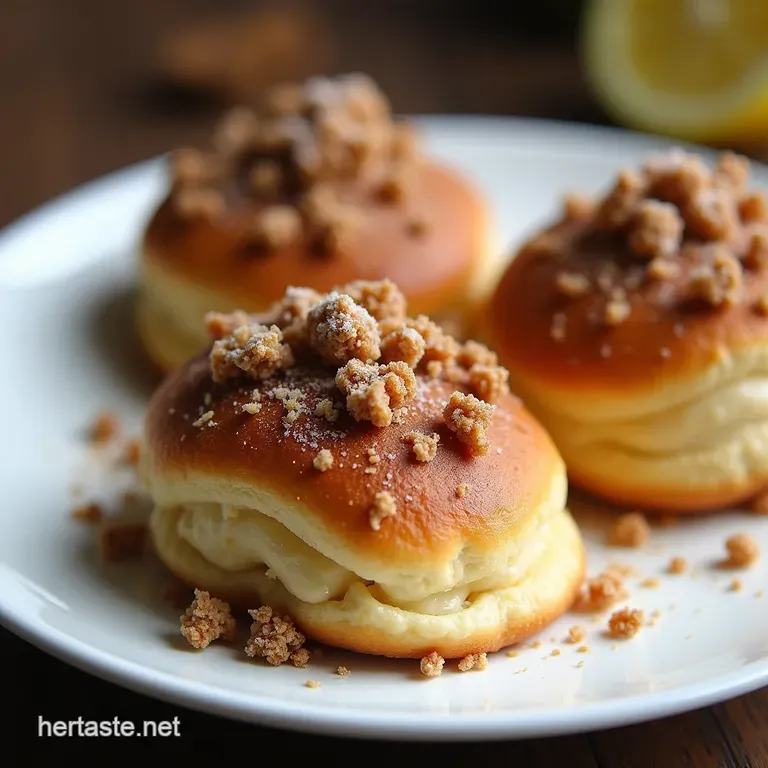
- Unveiling the Cloud-Like Magic of Authentic Mexican Concha
- Why This Pan Dulce Recipe Reinvents Bakery Classics
- Assembling the Essentials: What You Need for Your Mexican Concha Dough
- The Secret to the Signature Crumb: Streusel Components
- From Mix to Rise: Developing the Enriched Dough
- Crafting and Topping: Shaping Your Iconic Sweet Breads
- Troubleshooting Your Bake: Common Concha Conundrums Solved
- Beyond Breakfast: Creative Ways to Enjoy Freshly Baked Mexican Concha
- Recipe FAQs
- 📝 Recipe Card
Unveiling the Cloud Like Magic of Authentic Mexican Concha
There is perhaps no sight more heartwarming or indicative of a Mexican bakery than the colourful display of pan dulce —and reigning supreme among those sweet breads is the glorious Mexican Concha .
Translating literally to "shell," this iconic loaf earns its name from the distinctive, sugary, cracked topping that sits atop an unbelievably soft, enriched dough. Mastering this Mexican Pastry Recipe at home transforms your kitchen into a vibrant panadería .
Forget dry, dense rolls; we are aiming for a bread so tender it feels like biting into a sweet, yeasted cloud. This comprehensive guide will walk you through achieving the perfect texture in both the bread base and that signature, crumbly crust.
Why This Pan Dulce Recipe Reinvents Bakery Classics
What sets the Mexican Concha Bread apart from standard sweet rolls, like challah or brioche? It’s the textural duality. You get the tender, slightly milky interior of a high-quality enriched dough, perfectly balanced by the contrasting crunch of the costra (crust topping).
Achieving this balance is the key to the Best Concha Recipe . While many recipes rely on simple sugar for the topping, our method uses a combination of butter and vegetable shortening to ensure the topping bakes up opaque, crumbly, and prone to those beautiful, shell like cracks, rather than melting into a hard glaze.
The Iconic Crumb Topping: A Deep Dive into Streusel Structure
The topping, or costra , is arguably the star here. It is essentially a very stiff streusel that is applied before the final rise and bake. It’s made from flour, powdered sugar, fat (butter and shortening), and flavouring.
When baked, this topping sets quickly, and as the underlying dough expands, the topping cracks open, revealing the soft white bread beneath hence the shell look. We will be preparing both classic vanilla and rich chocolate Concha Flavors for variety.
A Sweet History: What Makes the Mexican Concha Unique
The tradition of pan dulce originated in Mexico, heavily influenced by Spanish and French baking techniques introduced during colonial times. The Mexican Conchas evolved into a unique cultural staple, often served alongside strong coffee or hot chocolate.
They are a symbol of comfort and home. Unlike European sweet breads that might be glazed or filled post bake, the Concha integrates its sweet element directly onto the surface, creating a perfectly self contained treat.
Setting Expectations: Patience for the Perfect Pillowy Dough
While the active preparation time for this recipe is reasonable (about 45 minutes), this is not a quick bake. Success hinges on respecting the yeast. This enriched dough requires two primary proofing stages, totalling nearly three hours.
Rushing either proof will result in a compact, heavy bread lacking the airy, cloud like crumb we seek. Trust the process and allow the dough the time it needs to develop flavour and structure.
Assembling the Essentials: What You Need for Your Mexican Concha Dough
To achieve bakery grade softness, the dough must be rich and well developed. We start with 500g of high protein bread flour, which provides the structure necessary to support the rich additions.
For the liquid base, we use 240ml of whole milk, warmed gently to about 105° F ( 40° C), to wake up the 7g of active dry yeast.
The richness comes from 85g of softened, cubed unsalted butter, two large eggs plus an extra yolk for added colour and tenderness, and 80g of granulated sugar. Don't forget that essential teaspoon of fine sea salt to balance the sweetness.
The Secret to the Signature Crumb: Streusel Components
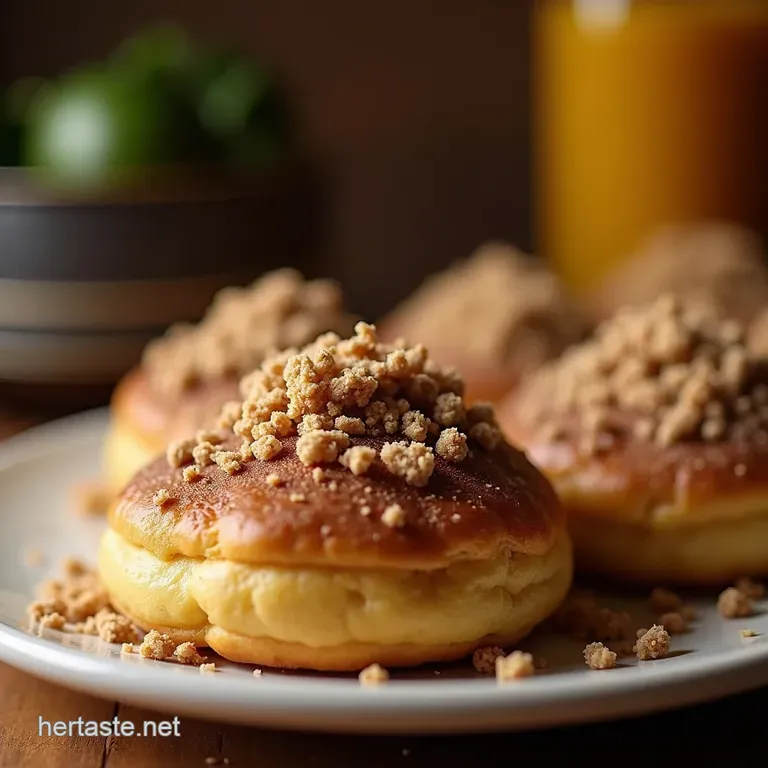
The streusel requires precision. For the 12 medium sized Conchas, you need 150g of all-purpose flour, a generous 100g of powdered sugar (icing sugar), and the critical fats.
Enriching the Base: Essential Fats, Eggs, and Dairy Requirements
The choice of fat is crucial for both the dough and the topping. In the dough, the butter must be fully incorporated after initial mixing; this emulsification process creates the smooth, elastic gluten network. In the topping, however, the fat must remain cold.
We utilize 55g of chilled, cubed unsalted butter combined with 30g of chilled shortening. That shortening is non-negotiable if you want that true, slightly short, non-greasy crumb structure reminiscent of the best Mexican Conchas .
Mastering the Streusel Ratios: Vanilla vs. Chocolate Mixes
We will divide the streusel base in half. One half remains vanilla flavoured with just ½ teaspoon of vanilla extract. The second half is transformed into the chocolate variety by sifting in 1 tablespoon of unsweetened cocoa powder, replacing exactly one tablespoon of the flour.
Ensure the cocoa is sifted well to avoid lumps in your final design.
Essential Equipment for Achieving Bakery Grade Softness
While you can mix this by hand, achieving the correct gluten development for this level of softness is significantly easier with a stand mixer fitted with a dough hook. Beyond mixing, you’ll need parchment lined baking sheets to prevent sticking and a rolling pin for flattening the streusel topping evenly to about ¼ inch thickness.
Related Recipes Worth Trying
- The Ultimate Conchas Bread Recipe for Soft Mexican Sweet Breads — Learn to bake classic Mexican Sweet Breads at home Our foolproof Conchas Recipe in English delivers a pillowy dough and crisp shellpatterned topping Perfect...
- Mexican Pizza Copycat Recipe El Fuego Fiesta Flatbread — Craving Taco Bells Mexican Pizza This El Fuego Fiesta Flatbread copycat recipe elevates it Crispy tortillas spiced beef and a tangy sauce Get ready for a fiesta
- Easy Homemade Mexican Pizza Recipe Taco Bell But BETTER — Craving a Taco Bell Mexican Pizza This Easy Homemade Mexican Pizza Recipe is quicker tastier totally customizable Refried beans ground beef ALL the toppings...
From Mix to Rise: Developing the Enriched Dough
Begin by blooming the yeast in the warm milk and a pinch of sugar wait for that tell tale foam. Once active, combine the remaining dry ingredients in your mixer bowl. Add the yeast mixture, eggs, yolk, and vanilla, mixing slowly until a shaggy mass forms.
Now, the enrichment begins: introduce the softened butter gradually, one cube at a time, allowing full absorption before adding the next. This slow addition prevents the dough from seizing up.
Continue kneading on medium low speed until the dough is smooth, supple, and passes the 'windowpane test,' usually requiring about 8 to 10 minutes total kneading time after the butter is incorporated.
Place the dough in an oiled bowl, cover, and allow it to undergo its first rise in a warm spot for about 1. 5 hours until doubled.
Crafting and Topping: Shaping Your Iconic Sweet Breads
Once the dough has doubled, gently deflate it. Divide the dough into 12 equal portions, aiming for about 70g each.
Kneading Techniques for Optimal Fluffiness
Roll each piece tightly between your palms to create a taut, smooth ball. This surface tension is critical; it helps the bread maintain its shape during the final proof and bake. Place these rounds onto your prepared baking sheets, leaving ample space between them for expansion.
The Crucial Second Proving: Don't Rush the Rise
Cover the shaped rolls lightly and let them rest for 30 to 45 minutes. This second proof relaxes the gluten just enough to allow for significant expansion in the oven without over proofing to the point of collapse.
Applying the Crumb Topping Without Smudging the Design
While the dough proofs, prepare your chilled streusel discs. Roll out the vanilla and chocolate mixtures separately. Cut 12 discs slightly wider than the dough balls. Gently place one disc onto the top of each proofed roll. The key here is restraint: press only lightly around the edges to adhere it to the dough.
Finally, take a small knife and lightly score a shallow cross hatch or asterisk pattern across the top of the streusel to emulate the classic shell look.
Baking Temperatures That Guarantee Golden Perfection
Preheat your oven to 350° F ( 175° C). This moderate temperature allows the bottom dough to cook through and rise fully before the sugary topping burns. Bake the Mexican Concha Bread for 18 to 22 minutes.
You are looking for the dough underneath to be golden brown the topping will be set, slightly cracked, and beautifully firm.
Troubleshooting Your Bake: Common Concha Conundrums Solved
If your topping crumbles completely off during baking, you likely overworked the streusel mixture, warming the fats and blending it into a paste rather than a sandy mixture. If your bread is dense, the yeast was likely dead, or you didn't allow enough time for the first proof.
A common issue is the topping not cracking: this often happens if you press the streusel too firmly onto the dough, fusing the two layers so they cannot separate during oven spring.
Beyond Breakfast: Creative Ways to Enjoy Freshly Baked Mexican Concha
While traditionally enjoyed first thing in the morning, the Mexican Concha is incredibly versatile. Its soft texture holds up beautifully, making it perfect for an afternoon treat ( merienda ).
Storage Secrets: Keeping Your Pan Dulce Fresh for Days
Because this is an enriched bread, it stays softer longer than lean breads. Store cooled Conchas in an airtight container at room temperature for up to three days. If they start to feel slightly stale on day three, briefly warming them in a toaster oven or microwave restores much of their original tenderness.
Flavor Variations: Exploring Cinnamon and Anise Infusions
To elevate your Concha Flavors even further, consider adding subtle spices to the dough itself. A half teaspoon of ground cinnamon or a quarter teaspoon of anise seed mixed in with the dry ingredients before kneading adds an unexpected aromatic depth that pairs wonderfully with the sugary topping.
Pairing Perfection: The Best Beverages to Accompany Your Treat
The sweetness and richness of this Mexican Concha Recipe demand a robust beverage pairing. Skip weak tea; instead, opt for a dark roast coffee, a Mexican hot chocolate made with water and cinnamon sticks, or a tall, cooling glass of Horchata .
This contrast between the warm, sweet bread and the cool, spiced drink is pure bliss.
Recipe FAQs
My Mexican Concha topping cracked weirdly, not in that lovely shell pattern what did I do wrong?
That's a common rookie error, my friend! The characteristic crackle comes from gently pressing the streusel topping onto the dough right before the final proof, ensuring you only adhere it to the edges.
If you press too firmly across the centre, the dough underneath can’t expand properly during baking, squashing the topping flat instead of letting it bloom into that pretty pattern. Remember, be gentle, like handling a newborn kitten!
Can I make the dough ahead of time, or should I stick to the recipe instructions?
You absolutely can use the magic of cold fermentation! After the initial mix and kneading, place the dough in the fridge overnight (up to 18 hours) for the first rise. This develops a deeper, more complex flavour, much like a sourdough starter.
Just make sure to bring the dough to room temperature for about an hour before shaping and applying the topping.
I’m worried about using yeast; is there a way to simplify the process for my first Mexican Concha attempt?
Don't fret about the yeast; it’s easier than you think! The key is temperature control: ensure your milk is lukewarm (around 105°F), not piping hot, or you’ll kill the yeast dead.
Also, never substitute Active Dry Yeast with Instant Yeast without adjusting the amount, as Active Dry needs that initial activation step in the warm milk to get going. Patience during the proofing stages is your secret weapon!
How long do these sweet rolls actually keep well, and what’s the best way to store them?
These are best enjoyed on the day they are baked, much like a proper afternoon scone, as the topping can soften quickly. Store any leftovers in an airtight container at room temperature for up to three days.
For a quick refresh, pop them in a low oven (about 300°F or 150°C) for just a few minutes to crisp the topping back up before enjoying with your brew.
I need a less sweet option. Can I reduce the sugar in the dough without ruining the texture?
You can certainly reduce the sugar in the dough slightly, perhaps by 15 20%, as the topping provides the lion's share of the sweetness. However, sugar plays a vital role in keeping the crumb soft and tender, so don't cut it drastically.
If you reduce the dough sugar, focus on using a very light hand when applying the streusel topping.
Best Mexican Concha Recipe
Instructions:
Nutrition Facts:
| Calories | 330 kcal |
|---|---|
| Fat | 12g |
| Fiber | 2g |
