Bee's Knees Cocktail Recipe
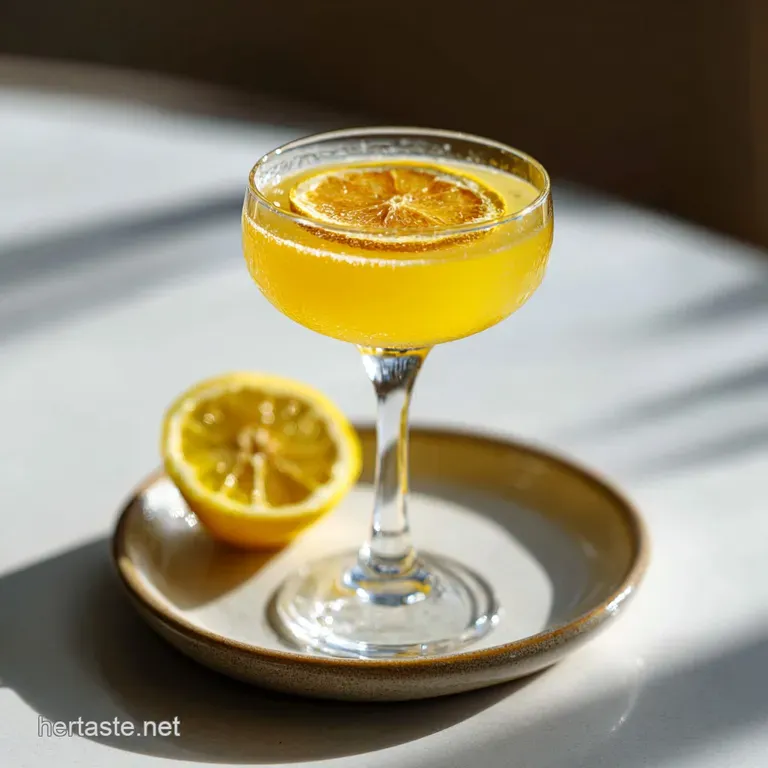
- Time: Active 5 minutes, Passive 2 minutes, Total 7 minutes
- Flavor/Texture Hook: Silky, floral, and bright
- Perfect for: Spring garden parties or a classy happy hour
Imagine a sweltering July afternoon where the air is thick and the humidity feels like a heavy blanket. I was hosting a backyard get together, and the usual gin and tonics felt a bit tired.
I decided to pull out some local wildflower honey, squeezed a dozen lemons until my thumbs were bruised, and shook up this golden era classic.
The first sip was a revelation. It wasn't just a drink, it was a sharp snap of gin softened by a floral, velvety finish that lingered on the tongue. There is something about the way honey interacts with cold gin that feels much more intentional than standard sugar syrup.
It has weight, it has character, and it turned my casual party into something that felt far more sophisticated.
We've all had cocktails that are either too syrupy or so tart they make your eyes water. This Bee's Knees Cocktail recipe is about finding that middle ground. It is a forgiving drink once you understand the ratio, and honestly, you'll never go back to basic sour mixes again once you taste the difference that real honey makes.
Why This Floral Drink Wins
- The Cold Emulsion: Unlike sugar, honey adds a distinct viscosity that creates a heavier, more luxurious mouthfeel when chilled.
- Botanical Synergy: The juniper in the gin highlights the floral notes of the honey, making the flavors feel interconnected rather than separate.
- Acidic Balance: Fresh lemon juice provides the necessary "edge" to slice through the sugar, preventing the drink from feeling cloying.
- Simplicity: With only three main components, the quality of your ingredients truly shines through in every sip.
The Physics of the Emulsion
Honey is naturally hydrophobic when cold, meaning it won't mix easily with chilled gin. By creating a 1:1 syrup first, you lower the viscosity, allowing the sugars to bond instantly with the citrus and alcohol during the shake.
| Feature | Fast Method | Classic Method |
|---|---|---|
| Syrup Type | store-bought Honey | Homemade 1:1 Syrup |
| Flavor Profile | Sharp and sugary | Rich, floral, complex |
| Texture | Thinner mouthfeel | Thick and velvety |
Essential Stats for Home Bartenders
The beauty of this classic drink is in its precision. To get that iconic "shatter" of ice on the surface, you need to follow these numeric checkpoints. First, ensure your honey syrup has cooled to at least 20°C before mixing.
Second, shake the cocktail vigorously for exactly 12 seconds to achieve the ideal dilution. Finally, chill your coupe glass in the freezer for at least 10 minutes to maintain that crisp temperature.
Component Analysis
| Ingredient | Science Role | Pro Secret |
|---|---|---|
| London Dry Gin | Structural Base | Use a high juniper gin to stand up to the honey. |
| Wildflower Honey | Texture & Sweetness | Darker honeys provide a deeper, almost earthy bass note. |
| Fresh Lemon | pH Balance | Always roll the lemon before squeezing to break the juice vesicles. |
Gather These Fresh Ingredients
- 60ml Quality London Dry Gin: This provides the herbal "spine" of the drink. Why this? Its dry profile prevents the honey from becoming overwhelming.
- 22.5ml Freshly Squeezed Lemon Juice: Essential for brightness. Why this? Bottled juice lacks the volatile oils needed for a clean finish.
- 22.5ml 1:1 Honey Syrup: The sweetener and texturizer.
- 60ml Wildflower or Clover Honey: For the syrup base.
- 60ml Filtered Water: To dissolve the honey evenly.
- 1 Fresh Lemon Twist: For the aromatic garnish.
- Ice: Large, clear cubes for the best dilution control.
| Original Ingredient | Substitute | Why It Works |
|---|---|---|
| London Dry Gin | high-quality Vodka | Cleaner, more neutral profile. Note: Loses the botanical complexity of the original. |
| Wildflower Honey | Agave Nectar | Similar viscosity but more "green" and earthy. |
| Lemon Juice | Lime Juice | High acidity but changes the flavor to a Bee's Knees / Gimlet hybrid. |
If you are looking for a different kind of citrus adventure, you might also enjoy my Thanksgiving Margarita recipe which uses a similar balance of sweet and tart but with a seasonal twist.
Tools for the Perfect Pour
You don't need a professional bar setup, but a few specific items will make a massive difference. A stainless steel shaker (like a Boston shaker) is better than glass because it conducts cold faster.
You'll also want a fine mesh strainer to catch the tiny shards of ice and lemon pulp, ensuring your drink is silky smooth. A jigger is non negotiable here; being off by even 5ml can ruin the balance.
Chef's Note: Always chill your shaker tin before adding the ingredients. A cold tin means less of the ice melts initially, giving you more control over the final dilution.
Mixing Your Perfect Drink
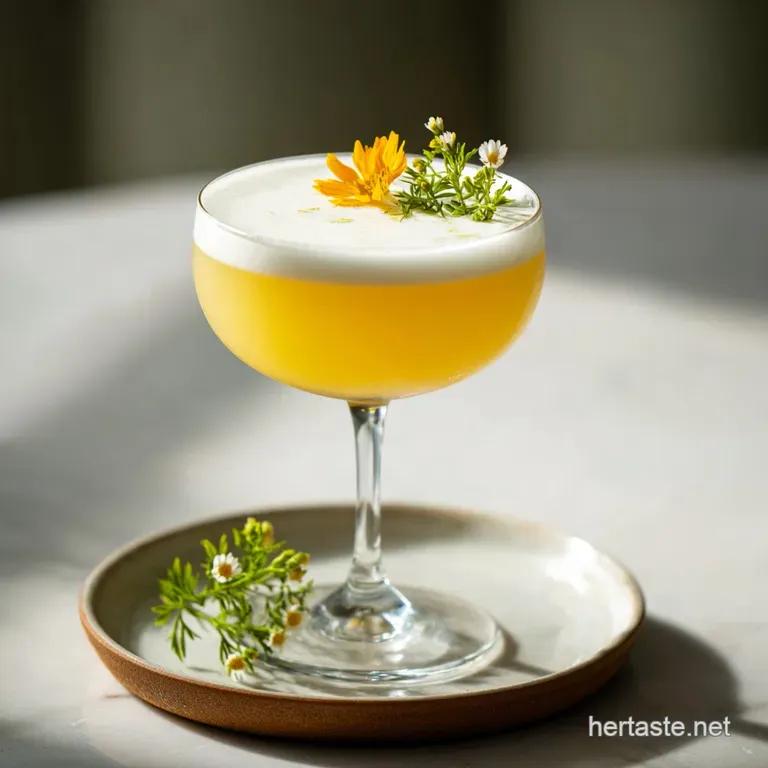
Phase 1: Prepare the Honey Syrup
Combine 60ml of honey and 60ml of filtered water in a small saucepan over low heat. Stir gently just until the honey dissolves. Do not let it boil, as this can change the delicate floral notes. Let it cool completely.
Phase 2: Build the Cocktail
Pour 60ml of gin, 22.5ml of lemon juice, and 22.5ml of your cooled honey syrup into the shaker. Note: Always add the cheapest ingredients first so you don't waste the gin if you make a mistake.
Phase 3: The Cold Emulsion Shake
Fill the shaker to the brim with large ice cubes. Secure the lid and shake vigorously for 12 seconds until the outside of the tin is frosted and painfully cold.
Phase 4: The Double Strain
Place a Hawthorne strainer over the shaker and pour the liquid through a fine mesh sieve into a chilled coupe glass. This ensures a clean, crystalline appearance without any floating bits.
Phase 5: Express and Garnish
Hold the lemon twist over the glass and give it a sharp squeeze to spray the oils onto the surface. Wipe the rim with the peel and drop it in. You should smell the citrus before you even take a sip.
Fixing Common Mixing Mistakes
If your drink doesn't taste right, it is usually a matter of balance rather than technique. The most common issue is the "soapy" taste that comes from using a gin that is too heavy on coriander or using honey that is too old.
Why Your Drink Tastes Watery
This usually happens if you use "wet" ice that has been sitting out, or if you shake for too long. Small ice shards melt too fast, flooding the drink with water before it is properly chilled.
| Problem | Root Cause | Solution |
|---|---|---|
| Too Sweet | Honey syrup was too thick | Add 5ml more lemon juice and stir briefly. |
| Too Tart | Under ripe lemons | Add 2.5ml of honey syrup to round it out. |
| Clumpy Texture | Honey wasn't diluted into syrup | Whisk the syrup thoroughly before adding to the shaker. |
Common Mistakes Checklist
- ✓ Never use bottled lemon juice - the preservatives ruin the delicate honey.
- ✓ Don't add honey directly to the shaker - it will freeze into a solid lump.
- ✓ Use large ice cubes - small ones melt too fast and make the drink thin.
- ✓ Always double strain - no one wants pulp in a sophisticated cocktail.
- ✓ Shake like you mean it - the aeration is what gives the drink its "lift."
Creative Ways to Swap Flavors
If you want to move beyond the classic Bee's Knees Cocktail, you can easily infuse the honey syrup with herbs like lavender or thyme. Just add a tablespoon of dried lavender to the honey and water while heating, then strain it out.
The Lavender Honey Twist
By using lavender infused honey, you lean into the botanical side of the gin. It creates a drink that smells like a meadow and feels incredibly refreshing.
The Spicy Hive
Add a single slice of jalapeño to the shaker before you add the ice. The honey acts as a buffer for the heat, giving you a spicy kick that finishes with a sweet, floral note.
- If you want a more robust flavor, use a honey like Buckwheat for a dark, molasses like profile.
- If you prefer a lighter drink, top the finished cocktail with 30ml of chilled club soda.
- If you are out of lemons, a 50/50 mix of lime and grapefruit juice offers a fascinating citrus alternative.
For a great party snack that matches the "honey and savory" theme, try serving this alongside The Bees Knees recipe — the salty deli meats are the perfect foil for the sweet citrus in the drink.
Storing Your Honey Syrup
The cocktail itself should be enjoyed immediately, but you can make a large batch of the honey syrup to keep on hand. Store it in a glass jar in the fridge for up to 2 weeks. If it begins to smell fermented or looks cloudy, toss it.
To minimize waste, don't throw away the lemons after zesting. Juice them all at once and freeze the juice in 22.5ml portions in an ice cube tray. This way, you're always one step away from a fresh drink.
Best Ways to Serve This
The presentation of a Bee's Knees Cocktail is half the fun. Using a vintage coupe glass adds a touch of Gatsby era glamour. If you really want to impress, freeze a few edible flowers into clear ice cubes or use a gold leaf garnish on the rim.
This drink is an excellent choice for a brunch alternative to the Mimosa. It has more depth and feels less like "breakfast juice." It also pairs beautifully with salty appetizers or creamy cheeses like Brie, where the acidity of the lemon cuts right through the fat.
Just make sure the glass is ice cold that "shatter" of cold on the first sip is what makes it truly the bee's knees.
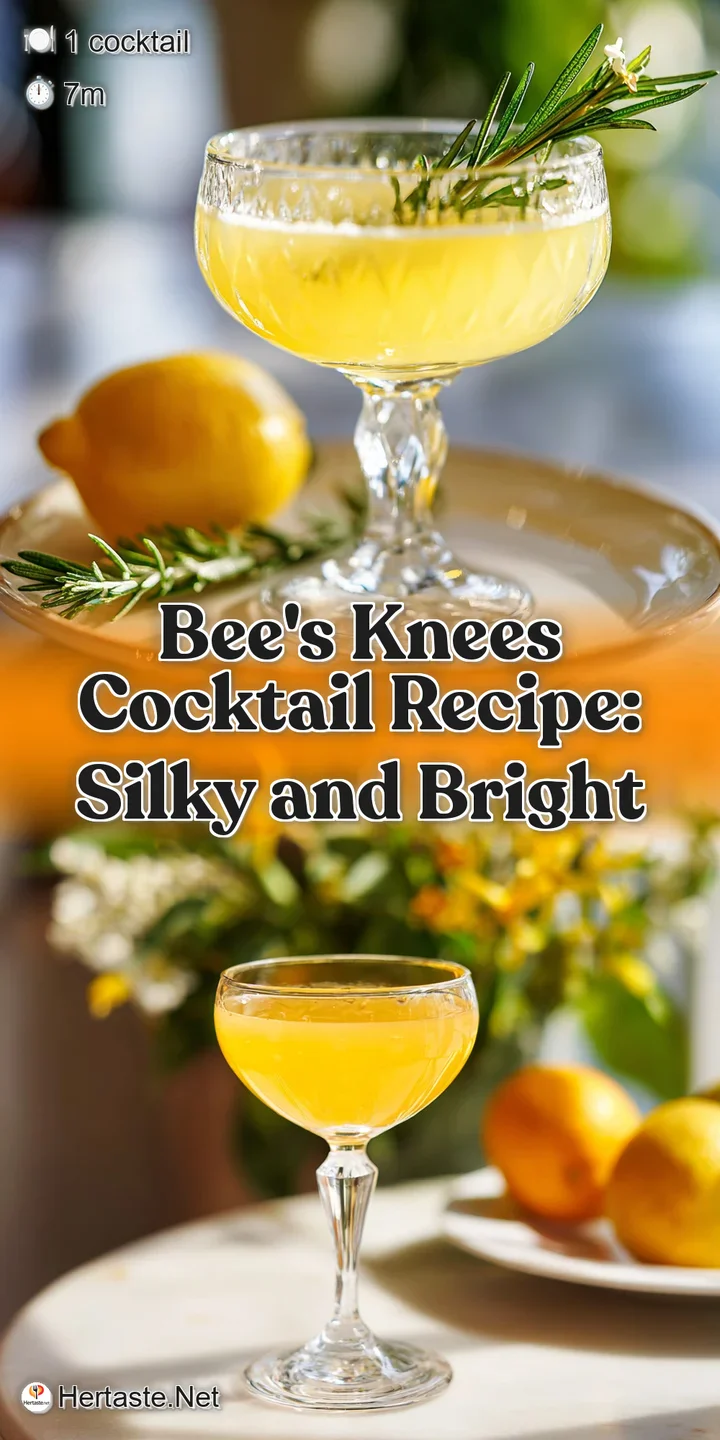
Bee's Knees Cocktail FAQs
What is a bees knees drink made of?
Gin, fresh lemon juice, and honey syrup. This classic cocktail balances the botanical strength of London Dry Gin with the sweetness of honey and the necessary acidity from fresh citrus.
What is Taylor Swift's favorite cocktail?
This is not publicly confirmed. While the Bee's Knees is a popular vintage cocktail, there is no widespread, verified report naming it as her definitive favorite drink.
What is Dolly Parton's favorite cocktail?
Whiskey based drinks are often cited. While she has many preferences, the classic "Dolly" often involves bourbon or other whiskey mixers, though she is known to enjoy sweet, festive cocktails.
What is the difference between a gimlet and a bees knees?
A Gimlet uses lime juice and simple sugar syrup, while the Bee's Knees uses lemon juice and honey syrup. This substitution fundamentally changes the texture; the honey in the Bee's Knees gives it a richer, more viscous mouthfeel.
How do I ensure the honey dissolves properly into the syrup?
Gently heat equal parts honey and water until just combined. Stirring the honey and water over low heat until the honey fully integrates creates a stable syrup that won't seize up when chilled in the shaker.
Should I use jarred lemon juice for this cocktail?
No, stick with fresh. Jarred juice lacks the bright, volatile oils present in freshly squeezed lemon, resulting in a flat taste that cannot properly cut through the sweetness of the honey.
Can I substitute the gin with vodka?
Yes, but it significantly changes the character. Using vodka results in a cleaner, simpler flavor profile, losing the essential juniper and botanical complexity that defines the classic Bee's Knees structure.
Bee S Knees Cocktail Recipe
Ingredients:
Instructions:
Nutrition Facts:
| Calories | 192 kcal |
|---|---|
| Protein | 0.1 g |
| Fat | 0.1 g |
| Carbs | 14.7 g |
| Fiber | 0.1 g |
| Sugar | 13.7 g |
| Sodium | 3 mg |
